2 Black women now own Louisiana plantation for 1st time in history

Add Axios as your preferred source to
see more of our stories on Google.
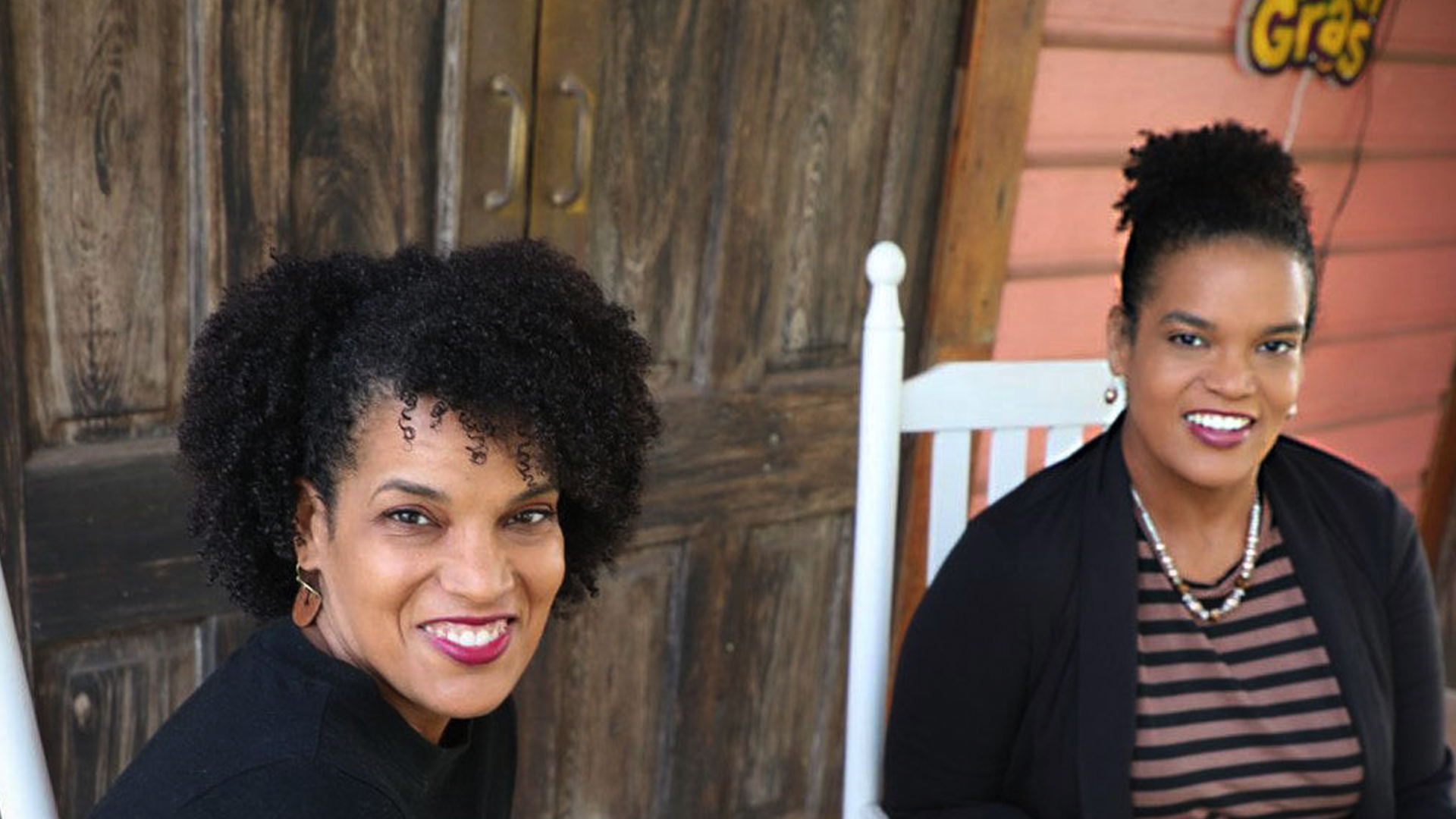
Joy Banner, left, and her sister Jo Banner are the co-founders of The Descendants Project, the nonprofit that now owns Woodland Plantation in LaPlace. Photo: Courtesy of Brandy Y Productions
A Louisiana plantation has new owners: two sisters whose ancestors were enslaved in the area.
Why it matters: It's the first time the plantation has been under Black ownership in its 231-year history.
Driving the news: The Descendants Project, led by twin sisters Jo and Joy Banner, bought Woodland Plantation in LaPlace this month.
- The nonprofit plans to preserve the property and use it for educational opportunities, including archeology, museum studies and heritage and tourism. It won't host weddings.
- The sisters also plan to create an arts and culture program inspired by Edward "Kid" Ory, a legendary trombonist and composer who was born in 1886 at the plantation.

Context: Woodland Plantation, which is about a 40-minute drive from New Orleans, is where the U.S.' largest revolt of enslaved people started in 1811.
- In the German Coast Uprising, more than 500 enslaved people armed themselves and planned to march about 30 miles along River Road to New Orleans, according to Smithsonian Magazine.
- The goal was to create a free Black republic, historian Daniel Rasmussen told NOLA.com | The Times-Picayune.
- Federal troops and the plantation owners' militia stopped the revolt in what is now River Town in Kenner. Many of the enslaved people were beheaded, and their heads were placed on poles, a horrific moment that's depicted in a modern-day exhibit at Whitney Plantation.
Zoom in: Hundreds of people reenacted the slave rebellion in 2019.
What's happening: Jo Banner tells Axios the nonprofit plans to use Woodland Plantation to tell the story of the revolt "in a way that hasn't been told."
- "We want to tell the full story, the true story, and who better to tell this story than the descendants of the people who were enslaved at the plantation," Banner says.
- The goal is to tell the story in an honorable way that doesn't retraumatize Black visitors and makes them feel safe, she said.
Between the lines: The Banner sisters can trace their ancestors to people enslaved at Whitney Plantation, Laura Plantation and others in the river parishes. They continue to research if any of their ancestors were involved in the rebellion, Banner tells Axios.
Zoom in: The Descendants Project has a partnership with Whitney Plantation, she said, which focuses on the history and legacies of slavery in the U.S. The goal is to follow the style of Whitney, which bucks the trend of telling the story from the point-of-view of the white plantation owners and residents.
- One focus at Woodland will be providing genealogical resources so "Black people have access to their history," Banner says.
Meanwhile, the nonprofit plans to incorporate environmental justice into the interpretive elements. The Banner sisters have been vocal opponents of a proposed grain elevator in St. John Parish.
What's next: Banner is working with descendants of enslaved people from the plantation and from the revolt to tell the story at Woodland.
- The goal is to open the reimagined plantation in six months. Ticket prices and other details are still being worked out.