Nashville pushes to make city animal shelter a no-kill facility

Add Axios as your preferred source to
see more of our stories on Google.

Illustration: Allie Carl/Axios
A push to save more shelter animals and make Nashville the largest no-kill community in Tennessee got a turbocharge this week.
Why it matters: Mayor Freddie O'Connell signed a declaration Tuesday making May "No-Kill Shelter Month." Advocates say that kind of buy-in from the government is pivotal to cementing long-term change.
Zoom in: The declaration, crafted with the national nonprofit Best Friends Animal Society, publicly commits Metro government to a goal of reaching a 90% live-release rate for dogs and cats that enter the city shelter. That is when a shelter is designated a no-kill facility.
- Best Friends has worked with Metro Animal Care and Control (MACC) and other area shelters to improve live-release rates "for many years," chief mission officer Holly Sizemore tells Axios. The declaration reinforces that partnership.
Stunning stat: Nashville hasn't reached the 90% no-kill benchmark, but the city has made major strides over the last decade.
- In 2013, MACC euthanized about 70% of its cats and dogs. The "save rate" sat at about 27%.
- Last year, the save rate reached 83%. More than 4,250 cats and dogs at the shelter were saved.
Between the lines: There are many reasons for the shift. In 2013, Metro ended a policy that required the shelter to euthanize unclaimed pit bulls.
- MACC also deepened its ties with rescues and animal welfare organizations like Best Friends.
- The shelter added a foster program and rolled out a safety net program that helps residents who are struggling to pay for pet-related expenses.
- A shelter spokesperson tells Axios animals are never euthanized for space — only for medical or behavioral reasons.
What they're saying: Sizemore says a boost from the mayoral proclamation may increase that momentum and help tip the scales.
O'Connell said he was optimistic that Nashville will reach 90%.
- "I support Nashville working to become a no-kill city and know this is something the great city of Nashville can achieve this year," the mayor said in a statement announcing the declaration.
- "Our residents love their pets, and when they come together for a cause they support, anything is possible."
Reality check: Defining "no-kill" as a 90% save rate acknowledges that euthanasia is sometimes the best option, like when a pet has serious health issues, grave injuries or violent behavioral problems.
What's next: O'Connell's latest budget proposal would add two more full-time MACC employees, with a goal of shortening response times for service calls and growing kennel staff.
The big picture: The national no-kill movement has bipartisan momentum. Leaders in Arkansas, Louisiana and Utah recently signed similar proclamations.
- "The only thing that keeps me from languishing in the sadness of the polarization of our country is that the work I do in animal welfare is one of the truest nonpartisan issues ever," Sizemore says.
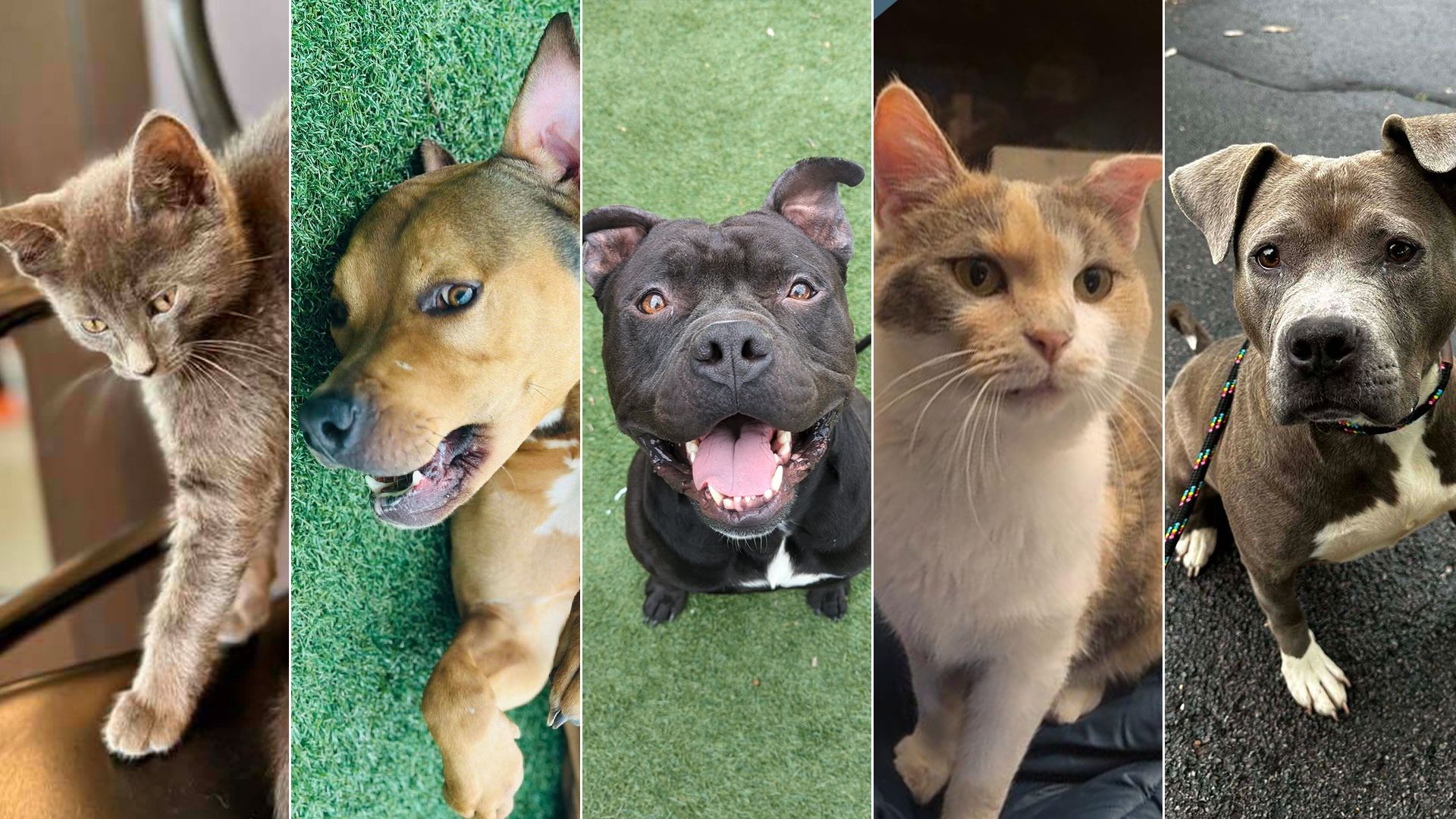
How to help
Achieving no-kill status "is within our reach," Sizemore says. There are many ways Nashville residents can help push the city over the top.
🤝 Volunteer: You can help the shelter by walking dogs, assisting with group playtime, and socializing with adoptable kittens. Volunteers can also help promote MACC's passel of pets. (Some of them have gone viral on TikTok.)
- You can apply to volunteer online.
🐶 Adopt or foster: When it's time to add a furry friend to the family, don't go to a breeder or a pet store.
- Information about adopting from MACC is available on its website. You can apply to foster pets temporarily.
💰 Donate: The volunteer-based nonprofit Friends of MACC has much more information on how to help, including multiple ways to donate money.
The bottom line: "Just about 7 million people are estimated to bring a new pet to their home every year," Sizemore says. "If just 6% of those chose to adopt from their shelter instead of buying from a breeder, we would do this nationally."