Seven Tennessee animal species declared extinct

Add Axios as your preferred source to
see more of our stories on Google.
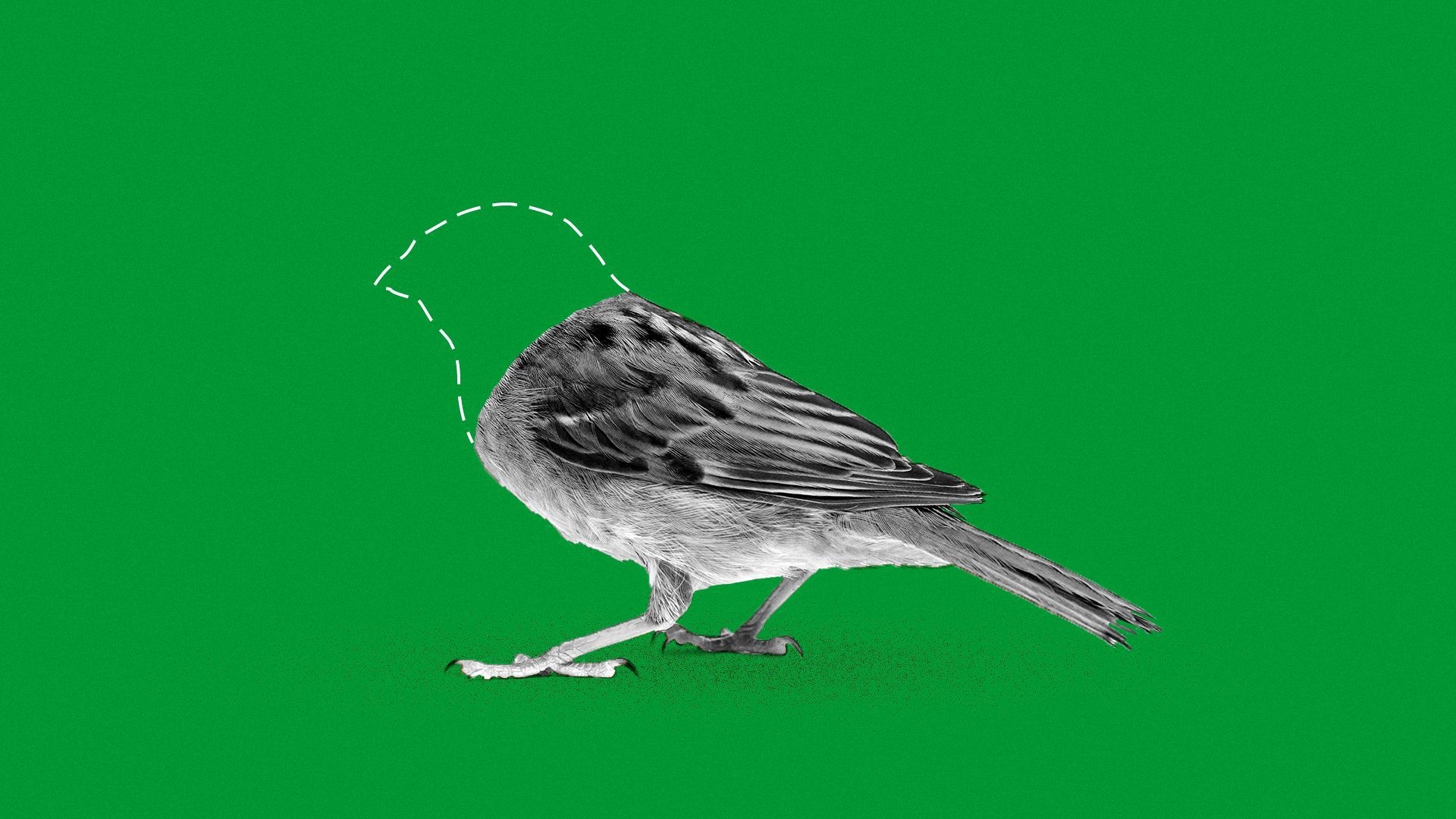
Illustration: Aïda Amer/Axios
The Bachman's warbler has tweeted its last song.
Driving the news: The U.S. Fish and Wildlife Service declared 21 species extinct this week. Seven were found in Tennessee.
- The casualties include the Bachman's warbler, a migratory songbird that was long ago found in the Volunteer State, and six native freshwater mussel varieties.
Why it matters: The new additions to the list of 650 extinct U.S. species underscores both the heroic and catastrophic impacts humans can have on the natural world.
- The agency says that the Endangered Species Act, now 50 years old, has saved more than 99% of listed threatened species.
- On the other hand, human-driven "habitat loss, overuse and introduction of invasive species and diseases" are often the drivers of extinctions.
What they're saying: "Federal protection came too late to reverse these species' decline, and it's a wake-up call on the importance of conserving imperiled species before it's too late," FWS service director Martha Williams said in the agency's announcement.
Context: Most of the newly declared extinct species had been listed under the Endangered Species Act for several decades, and it's possible some have been extinct for quite some time.
Threat level: Freshwater mollusks like mussels play an important role in cleaning the rivers and streams where they live. But they are the most endangered organisms in the U.S., according to the Center for Biological Diversity.
- 36 mussel species have already been declared extinct.
The intrigue: The FWS also proposed declaring the ivory-billed woodpecker extinct, but now says it won't give up on the species once found in the southern U.S. just yet.
- The last "commonly agreed upon sighting" of the woodpecker was nearly 80 years ago in Louisiana, according to the agency.
- But some experts and birdwatchers insist they've seen the species in more recent years and have submitted grainy photos and videos they believe to be proof to the FWS for review, the Washington Post reports.
What we're watching: The FWS is considering adding three more freshwater mussels found in the South to its threatened and endangered species list.