Ohio State braces for another president search

Add Axios as your preferred source to
see more of our stories on Google.
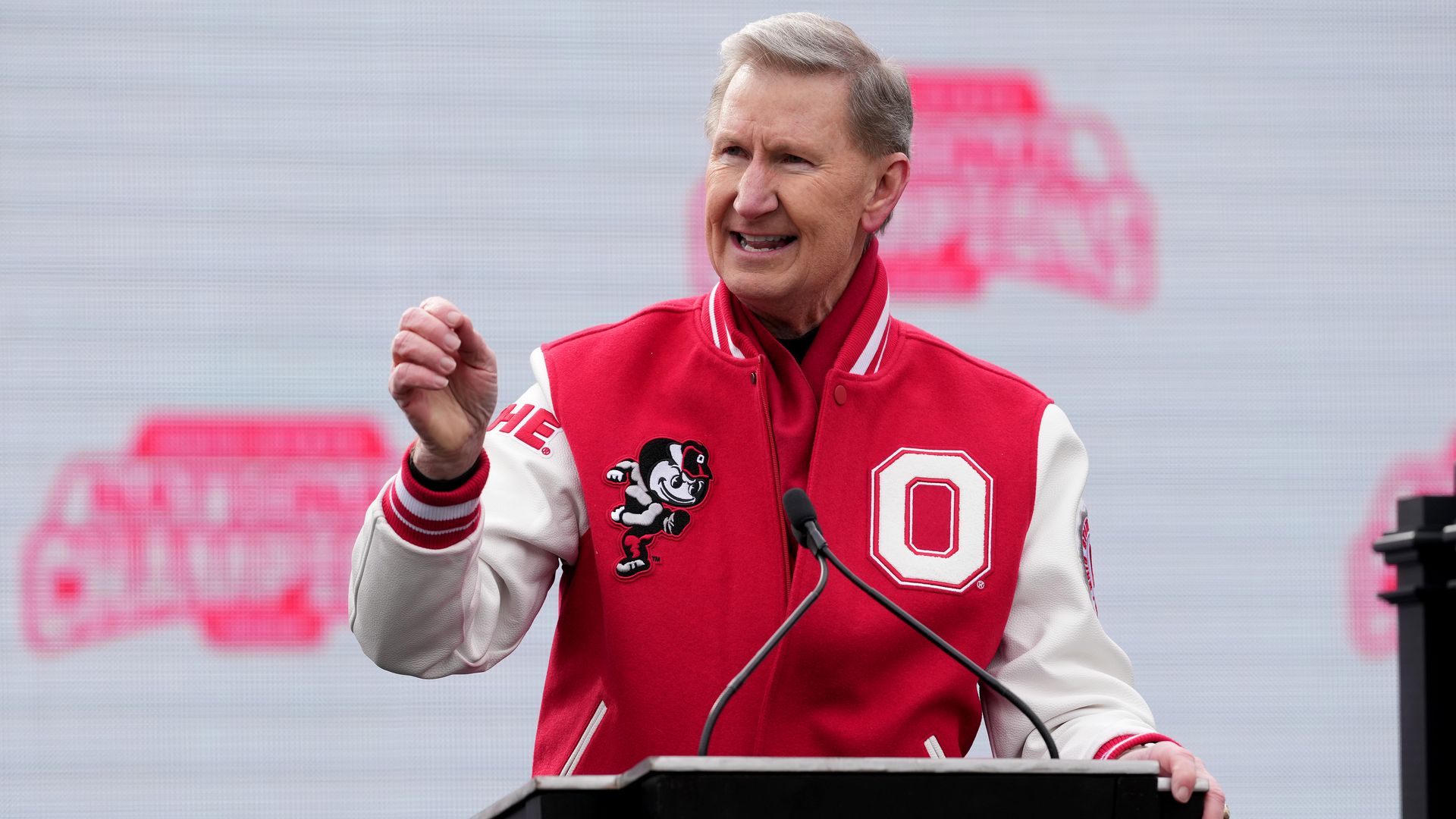
Ted Carter Jr. during the College Football Playoff National Championship celebration in 2025. Photo: Jason Mowry/Getty Images
Former Ohio State president Ted Carter Jr.'s unexpected resignation due to an "inappropriate relationship" is the latest shakeup during a turbulent time at Ohio's flagship university.
Why it matters: The school now faces its third costly presidential search in six years.
- Its next leader will inherit a tough assignment: restoring stability and trust amid mounting scrutiny and political pressure.
Catch up quick: Carter recently told the board of trustees about his relationship with "someone seeking public resources to support her personal business," per a joint statement.
- An anonymous tipster prompted the conversation, the Dispatch reports.
- Over the weekend, trustees accepted his resignation.
- He did not receive severance pay, spokesperson Ben Johnson tells Axios.
The latest: The university will "investigate potential concerns regarding public resources," Johnson says, declining to elaborate.
- He says trustees will finalize a transition plan and "share more information in the coming days."
Flashback: After Carter's predecessor resigned in 2023, trustees waited three months to name an acting president.
- They hired Carter to a five-year term beginning Jan. 1, 2024, replacing Kristina M. Johnson — one of the shortest-tenured presidents in school history.
- The retired Navy vice admiral said he was ready to start "steadying the ship."
Yes, but: His tenure was even shorter than Johnson's and marked by controversy.
Zoom in: OSU has faced recent criticism over its ties to billionaire Les Wexner and calls to remove his name from buildings.
- In 2024, Carter selected a commencement speaker who got booed for telling students to buy bitcoin during a speech he drafted while high on a psychedelic.
- The fallout of the doctor Richard Strauss sex abuse scandal remains a flashpoint, along with allegations of stifled student expression amid political pressure.
The other side: Carter oversaw stable enrollment and rankings, an "AI fluency" initiative and a new 10-year strategic plan.
- Trustees had praised Carter's work and approved a raise in August, increasing his annual base salary to nearly $1.2 million.
What they're saying: "The board was surprised and disappointed to learn of this matter and takes the situation and its potential impact on the university very seriously," reads a letter accepting Carter's resignation.