Lesbian bars are disappearing, but Ohio's is going strong

Add Axios as your preferred source to
see more of our stories on Google.
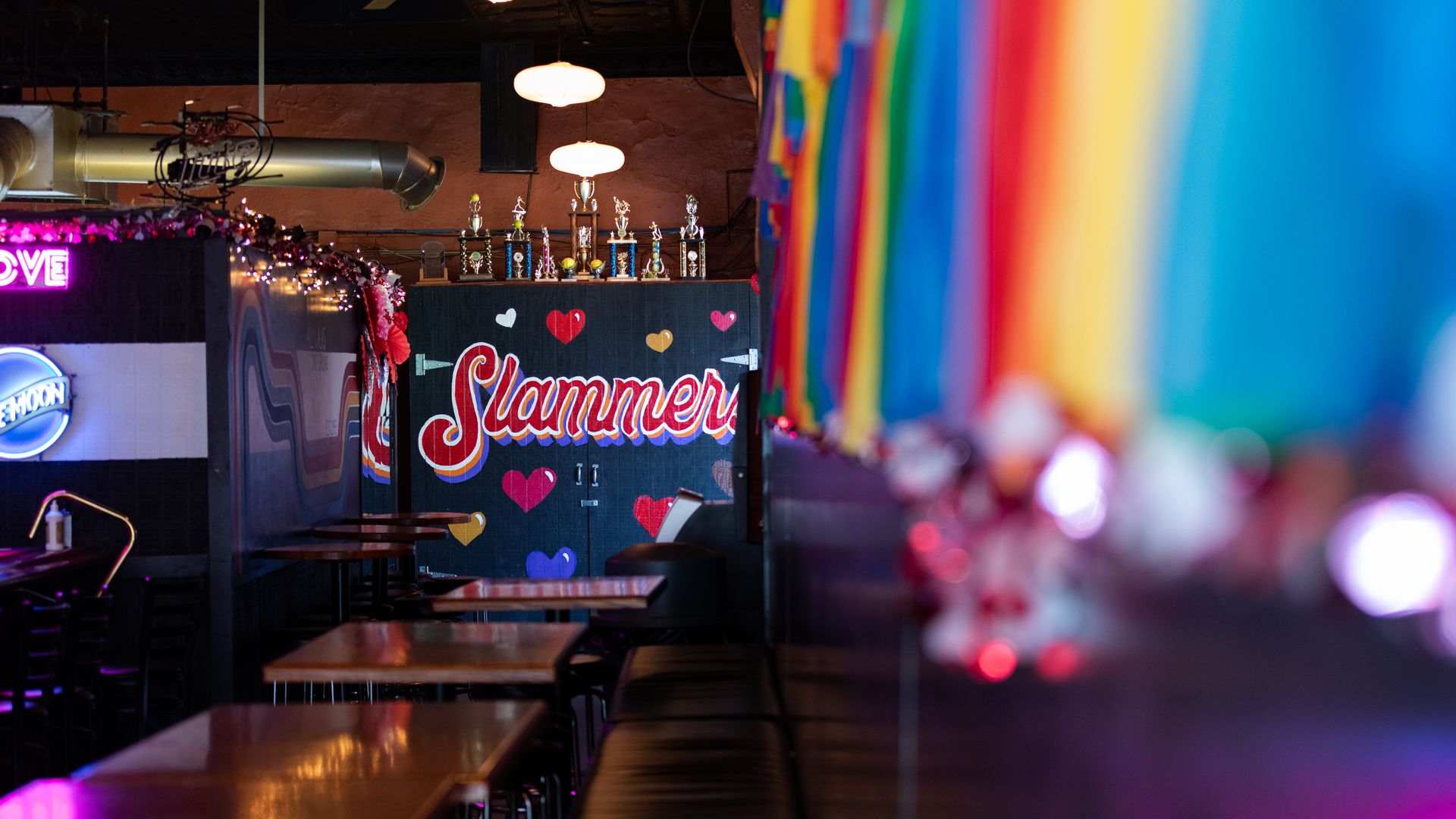
The view from the entryway of Slammers. Photos: Emma Parker Photography/Courtesy of Slammers
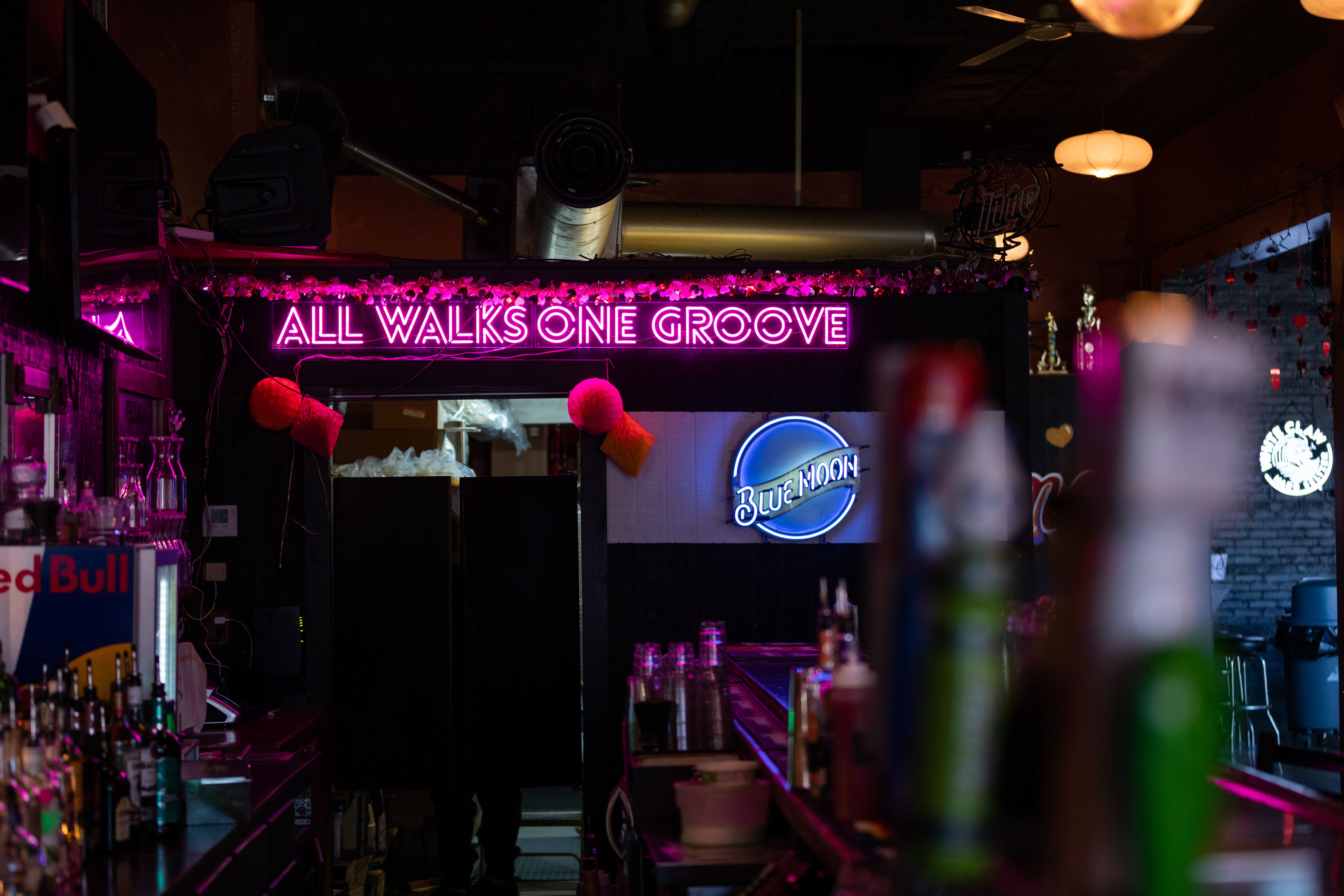
Since opening in 1993, Slammers has welcomed downtown patrons with the slogan "all walks, one groove" — a motto that continues to evolve.
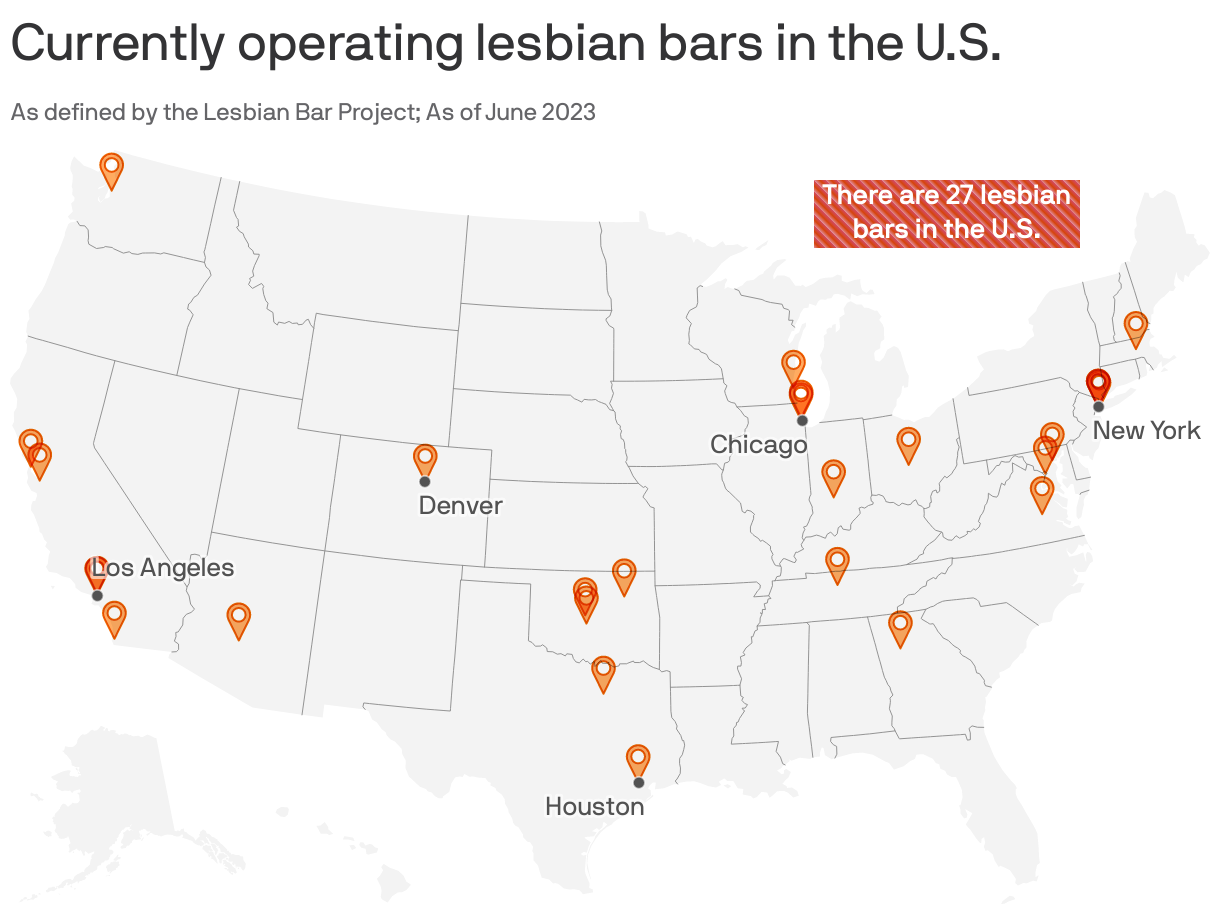
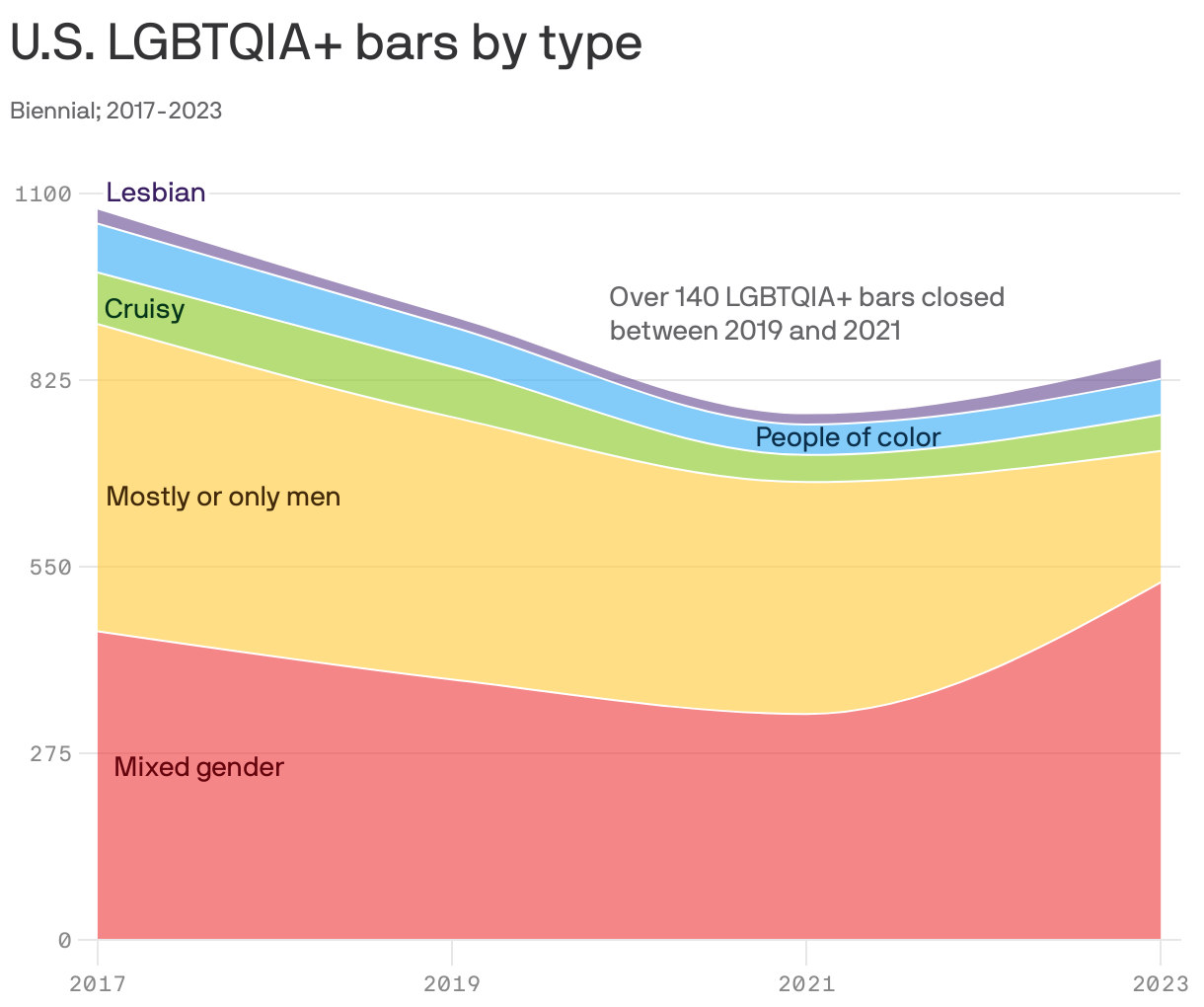
Driving the news: The country's lesbian bars are dwindling, but Slammers is thriving as it celebrates its 30th anniversary. It's Ohio's only lesbian bar and one of just 27 nationwide, per the Lesbian Bar Project.
Why it matters: Queer people and businesses face an "unprecedented" spike in anti-LGBTQ+ sentiment, per the Human Rights Campaign.
- These physical spaces have provided connection, protection from prejudice and a place where patrons can be authentically themselves.
The big picture: Many factors are driving the nationwide decline, including growing online communities, a desire for inclusivity with other LGBTQ+ populations and gentrification, Axios' Annalise Frank reports.
- Historically, many lesbian bars excluded women of color and transgender people and some of those spaces either lost relevance or evolved to a more inclusive clientele.
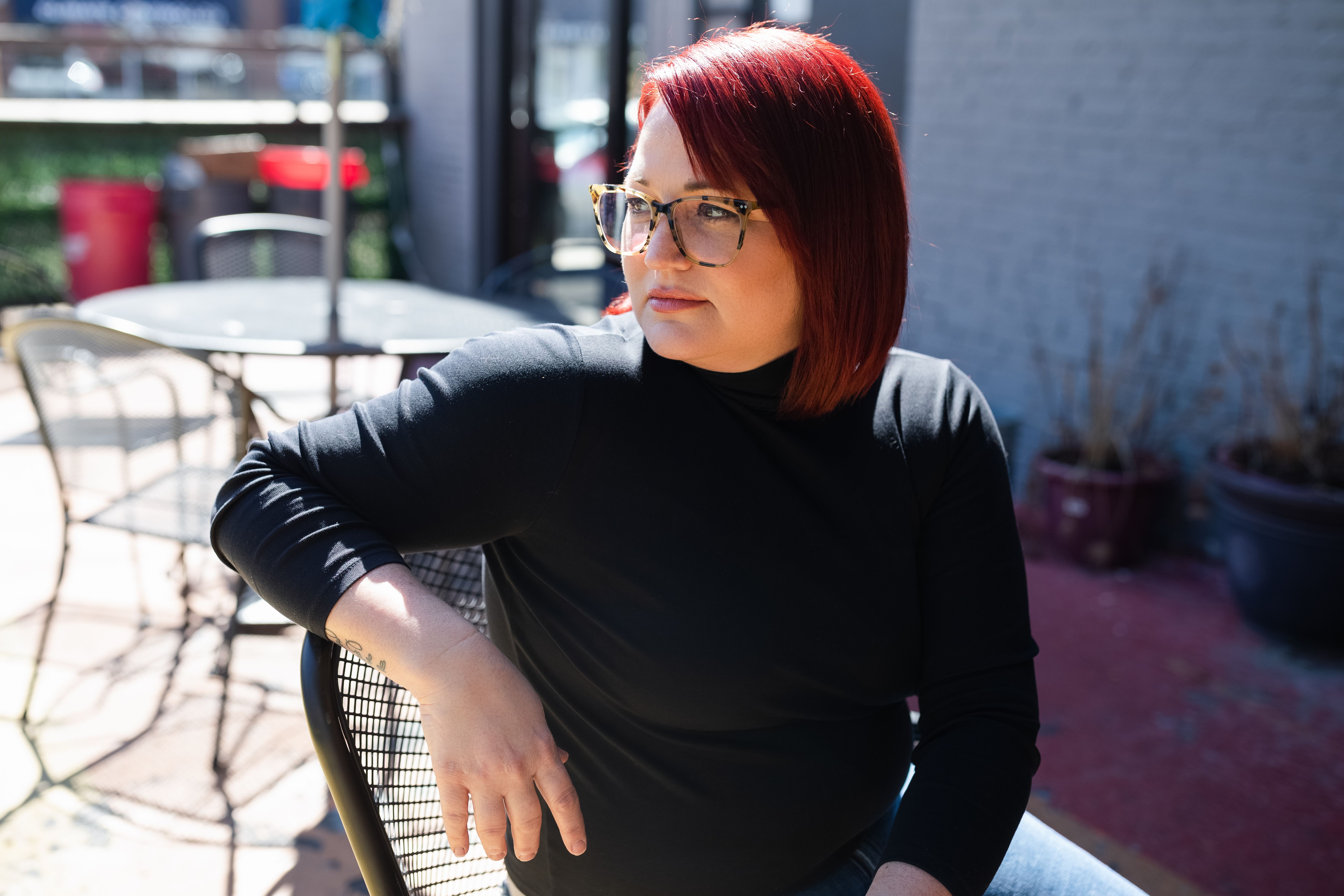
Flashback: When Marcia Riley opened Slammers, she wanted to offer local women a place to feel safe and accepted, general manager Bobbi Moore tells Axios.
- Today, while it still bears the "lesbian bar" designation, Slammers' clientele is an all-inclusive mix of people.
Context: The definition of "lesbian bar" can be a gray area and the term "lesbian" itself is debated.
State of play: Riley retired last year. Her nephew, Carson Nethers, now runs Slammers and also co-owns a new LGBTQ+ space, Slammies on High, which opened this spring near OSU.
What they're saying: Moore credits the bar's success to a supportive community and welcoming everybody, "wherever they land in the queer alphabet soup.
- "We were discriminated against for so long. We can't, now, discriminate against anyone. This has to be an open space. As long as it's staying safe, anybody can come in here and be at home," Moore says.
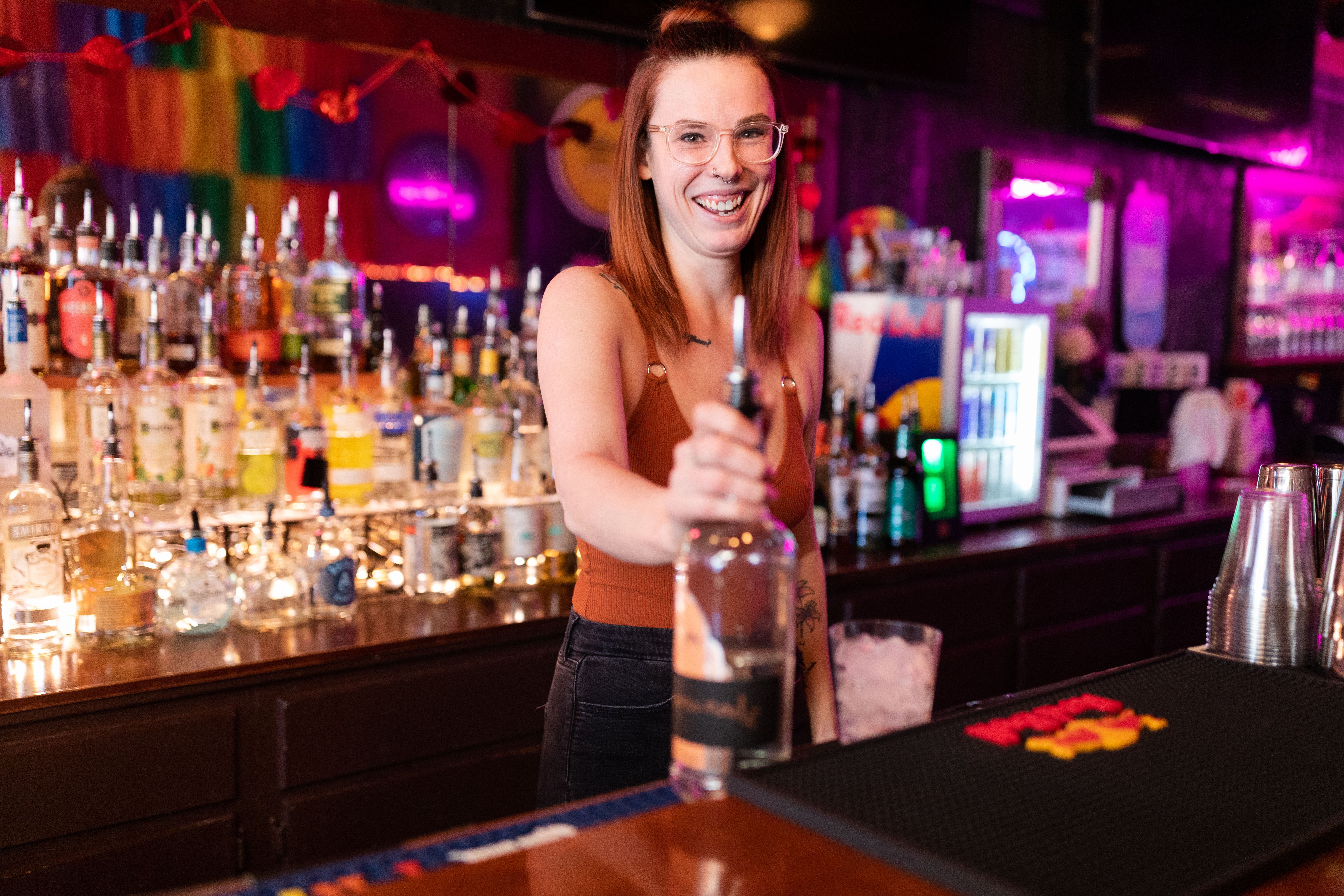
- Whether it's booking diverse entertainment, or taking time to learn customers' pronouns, "we're making sure we're doing the best that we can for every kind of person," head bartender Madi Blakeman tells Axios.
Threat level: Growing acceptance of LGBTQ+ people has led to less need for lesbian bars in recent years — but the country's increasing political polarization is challenging that trend.
- A recent neo-Nazi protest at a Land-Grant fundraiser for LGBTQ+ youth, along with a flurry of anti-trans bills from Republican state lawmakers, show why safe spaces are still very much needed in Ohio, Blakeman and Moore say.
The bottom line: "I hope we continue to grow and we continue to be looked at like a safe place for everyone … and maintain that for years and years to come," Moore says.
🏳️🌈 If you go: Stop by for Wednesday music trivia, Thursday general trivia and Sunday karaoke — or any time for the legendary pizza. 202 E. Long St.
- Hours and menu. (Closed Mondays.)