Wild cards and flips: 4 election night storylines we're watching in North Carolina

Add Axios as your preferred source to
see more of our stories on Google.
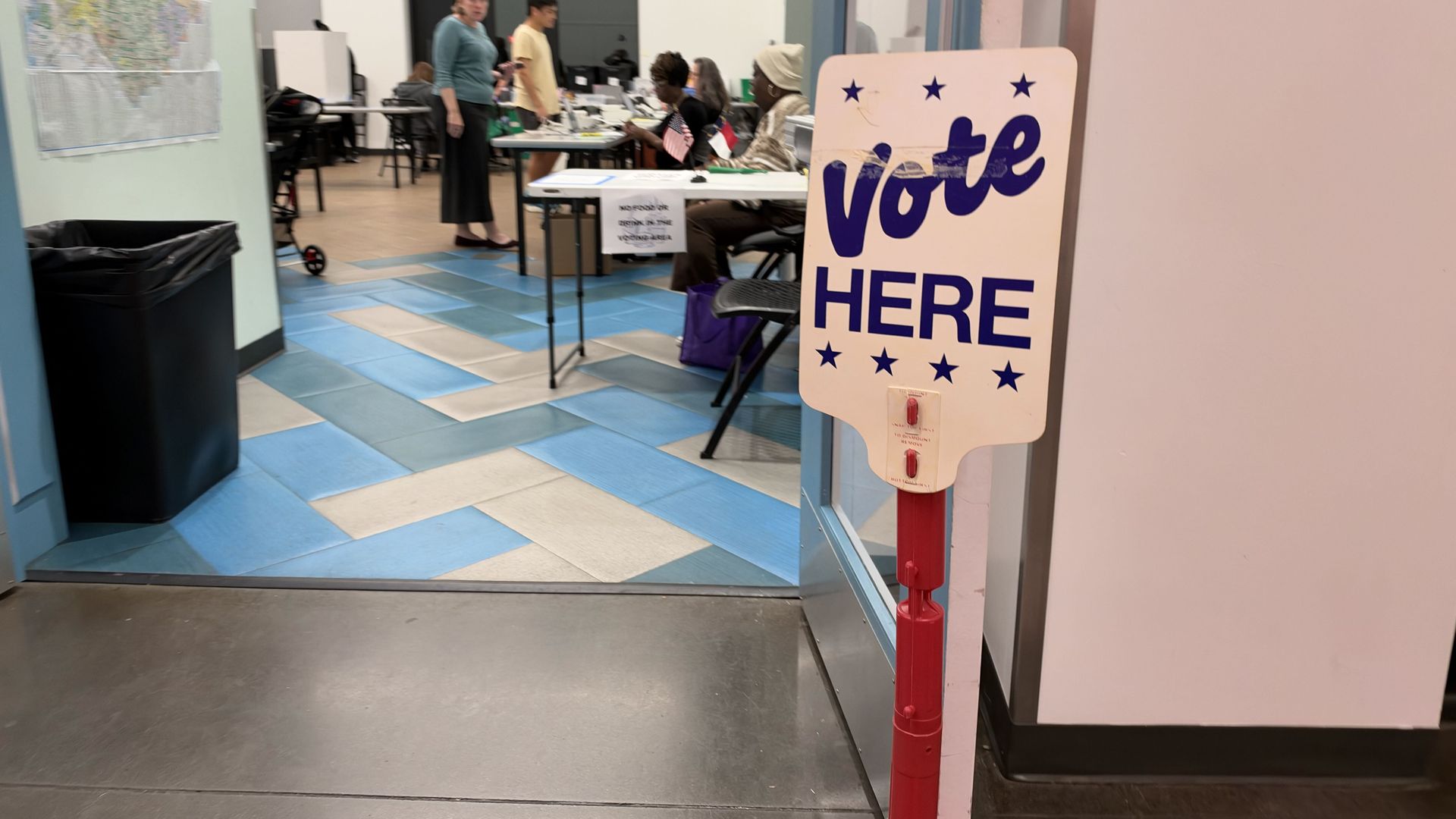
Photo: Melissa Oyler/Axios
After weeks of high voter turnout, we'll soon know how the midterm elections have shifted politics in North Carolina and across the U.S.
Why it matters: Early voting and polling signal a possible "blue wave," but anything could happen on election night.
Here are four storylines we are watching.
🌊 How far could Cooper ride the wave?
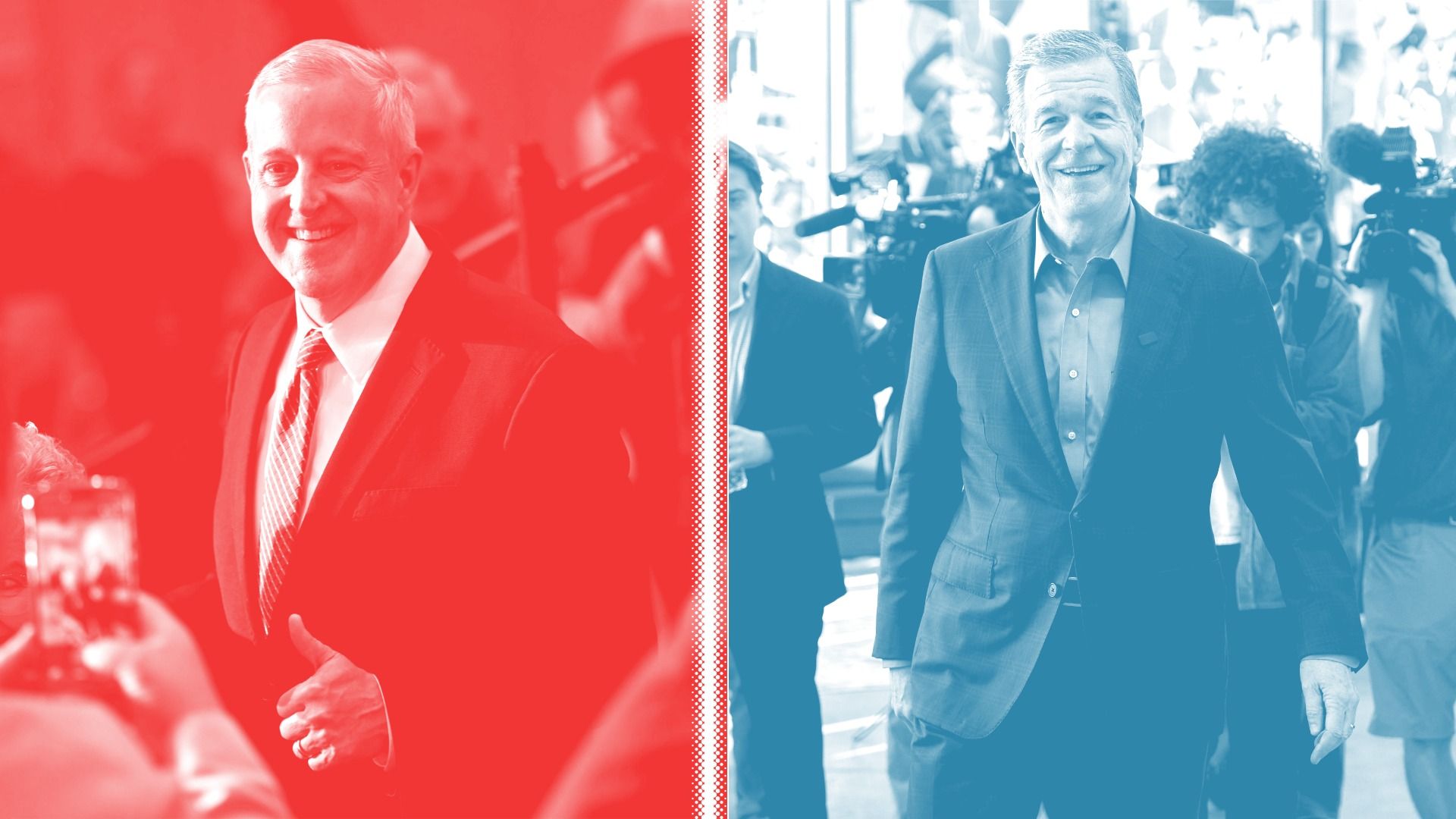
Democrat Roy Cooper is favored to replace retiring Republican Sen. Thom Tillis.
"It might be the first flip called on election night," says Chris Cooper, director of the Haire Institute for Public Policy at Western Carolina University (no relation to Roy Cooper).
North Carolina has never let Cooper lose an election, even as it voted for Trump all three times.
But many are predicting a "blue wave," or a "red undertow," as Cook Political Report described it.
"It's not because people are enamored of Democratic politics," Chris Cooper says, "but rather because they are so disgusted with the Republican brand right now."
In fact, both Democratic- and Republican-aligned super PACs have shifted spending from North Carolina to greater toss-up states.
But President Trump is still rallying for Michael Whatley. Plus, Republicans tend to turn out more on Election Day.
- We'll see how much weight Trump's endorsement still holds in North Carolina.
🏛️ Is the GOP supermajority toast?
Analysts say Democrats are unlikely to take control of either chamber, but they only need a net gain of one Senate seat to break Republicans' supermajority.
"We will not see supermajority numbers in either chamber," says Michael Bitzer, professor and director of the Center for North Carolina Politics and Public Service. "The environment is just too strong for the Democrats to have a lot of these districts survive."
That could mean more compromise between parties in future legislative sessions.

Among the most vulnerable seats is Rep. Tricia Cotham's District 105 seat in south Mecklenburg County. Cotham famously switched parties in 2023 and gave Republicans the one vote needed to enact stricter abortion laws.
"She would be the candidate to go down," says Cooper, noting that her district voted for Kamala Harris in 2024. "She's sort of teed up to lose."
And there are a handful of other legislative districts we're watching.
⚖️ Supreme Court: Over-under 1,000 votes?
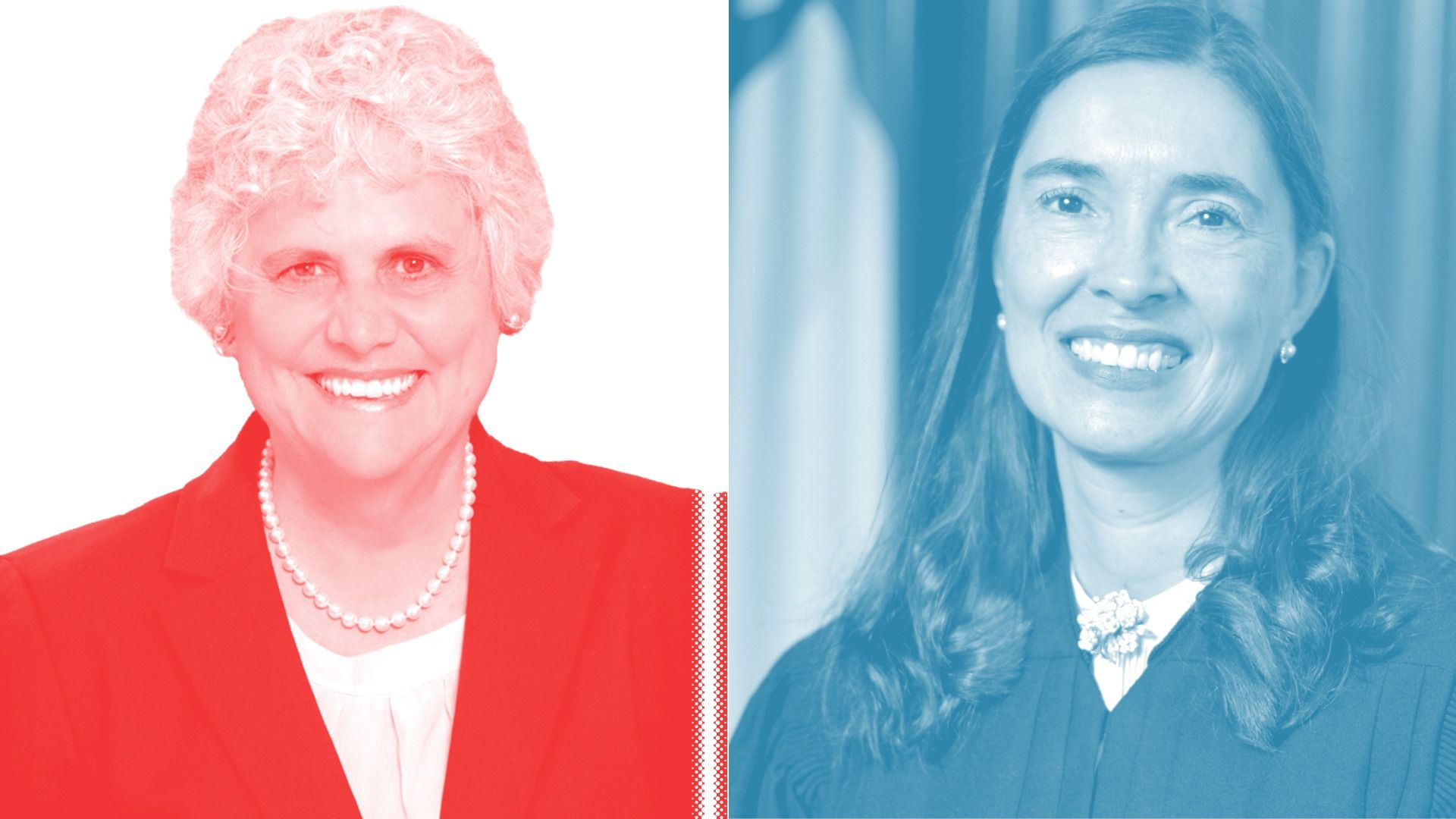
Republican Sarah Stevens wants to oust Democratic Justice Anita Earls and boost the GOP's Supreme Court majority from 5-2 to 6-1.
That would set the GOP up nicely for the 2028 election, when three Republican justices' terms expire.
"We'll be fighting for the balance of the court at that time," Stevens tells Axios. "I'm a line in the sand to say, 'We really intend to be conservative.'"
Earls has raised more money, and limited polling indicates she holds an advantage.
But how many votes could separate the two?
"I would be surprised if we have a tight margin of victory at this point," Bitzer says.
In 2020, 401 votes separated Republican Justice Paul Newby from Democrat Cheri Beasley.
In 2024, Democrat Allison Riggs defeated Republican Jefferson Griffin. Griffin by only 734 votes. (And it took six months of legal battles to confirm this.)
"All the work that Justice Riggs did to defend her win actually has been helpful to me," Earls tells Axios, "because more people learned about the court."
📜 Constitutional amendments: Wild card?
They sound good on paper to some: Lower taxes and voter ID ("Hey, I already showed them my driver's license. Why not?" the average apolitical voter says.)
But some actually might dislike them if they dove deeper.
If they pass, they would embed Republican policies into the state constitution, making them hard to reverse even with substantial Democratic flips.
Bitzer thinks it's a wild card: A Catawba College-YouGov poll showed strong support for all three, but views shifted for one when voters were presented with the downsides of a cap on local property tax levies.
"Whether the messaging by the campaigns that are opposing the amendments has been effective — I don't know," he says.