Breaking down the ballot: Constitutional amendments

Add Axios as your preferred source to
see more of our stories on Google.
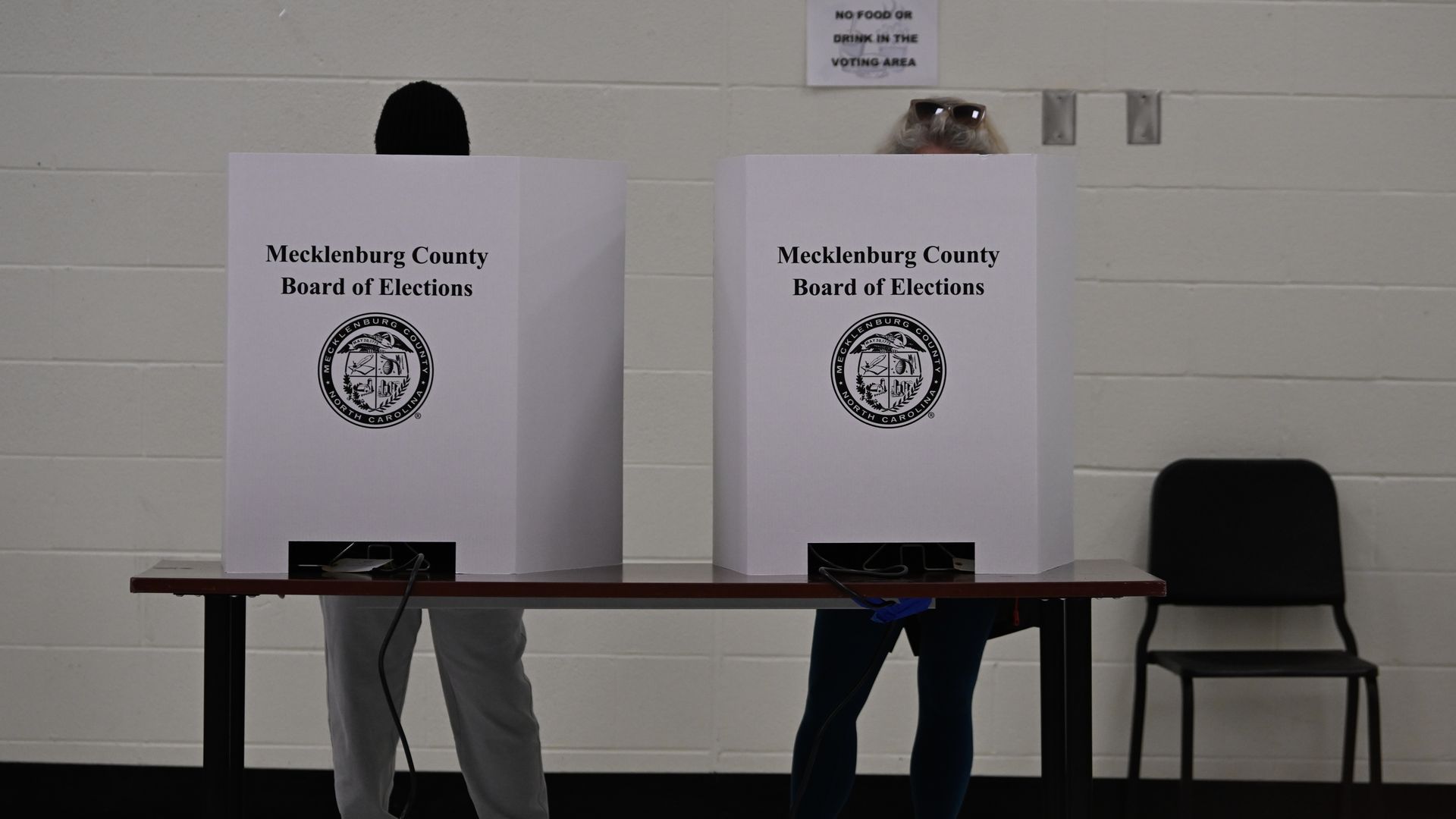
Photo: Peter Zay/Anadolu via Getty Images
North Carolinians will vote in this fall's election on whether they are "for" or "against" three changes to the state constitution.
Why it matters: The few sentences on the ballot don't fully explain the long-term impacts, so it's important to understand what each amendment does before heading to the polls.
State of play: Altering the constitution is difficult to undo and can be a strategy to lock in policies in case the other party gains power.
- In this case, Republicans placed three items on the ballot.
Here are the three amendments and the arguments for and against each.
Limit property tax increases by local governments
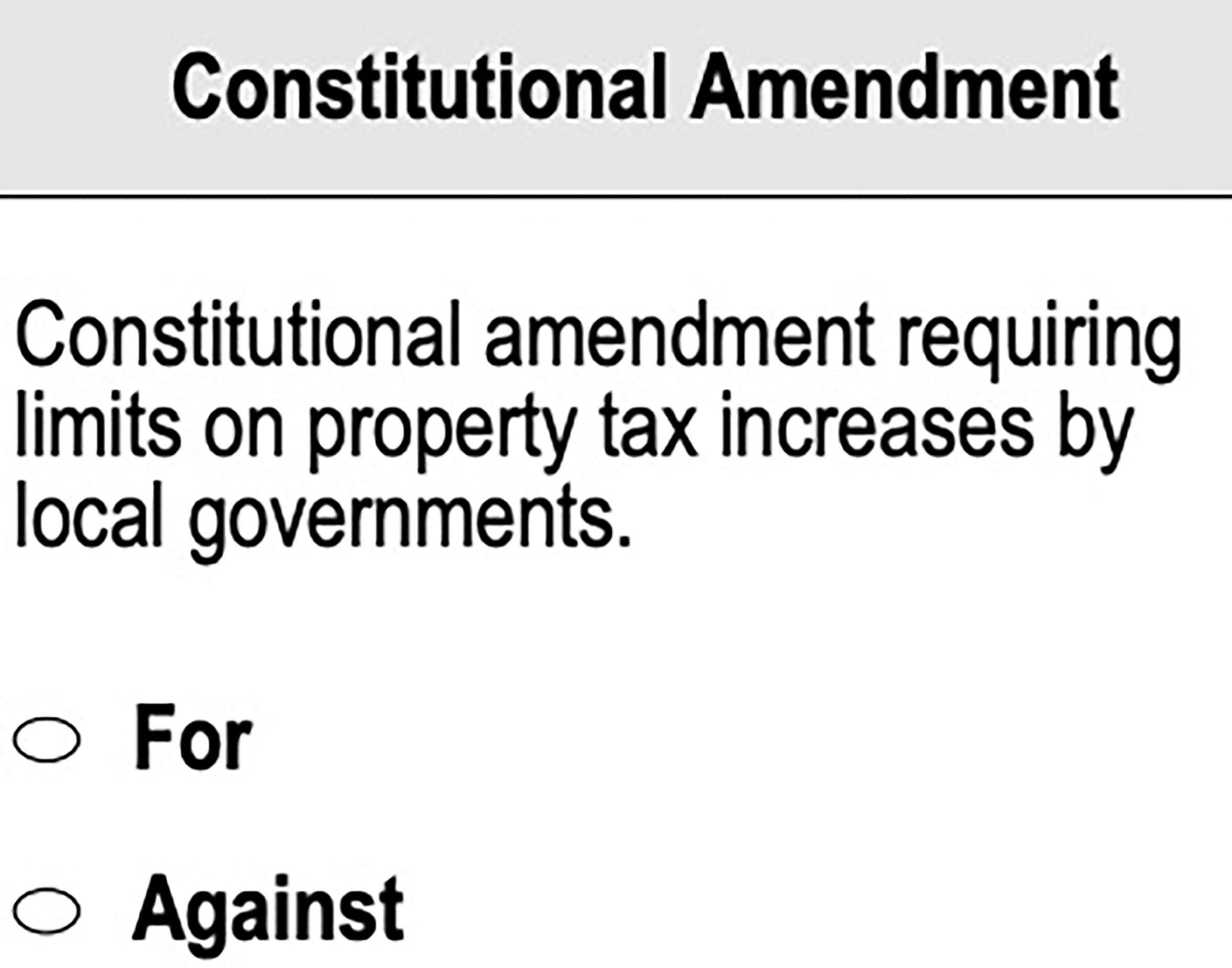
This amendment would require state legislators to enact laws limiting how much total property tax levies can increase, but the actual cap is not known yet.
- If approved, a complicated implementation process would follow.
- Lawmakers could consider exceptions and formulas for the cap, such as how much inflation and population growth are taken into account.
👍 Supporters say a property tax levy limit would force cities and counties to spend their revenue more carefully and help keep housing costs down.
- "No one gets priced out of the home they own. They get taxed out of the home they own," said Rep. Brian Echevarria.
👎 Opponents say this restricts local governments' ability to pay for schools, infrastructure, first responders and other services — and gives the state more power over localities. They also call it a "one-size-fits-all" approach for a state with counties of varying needs.
- Charlotte-Mecklenburg Schools executives have warned it could have a "detrimental impact" on children, especially since the county supplements teacher pay with tax revenue.
Require voters to present photo ID
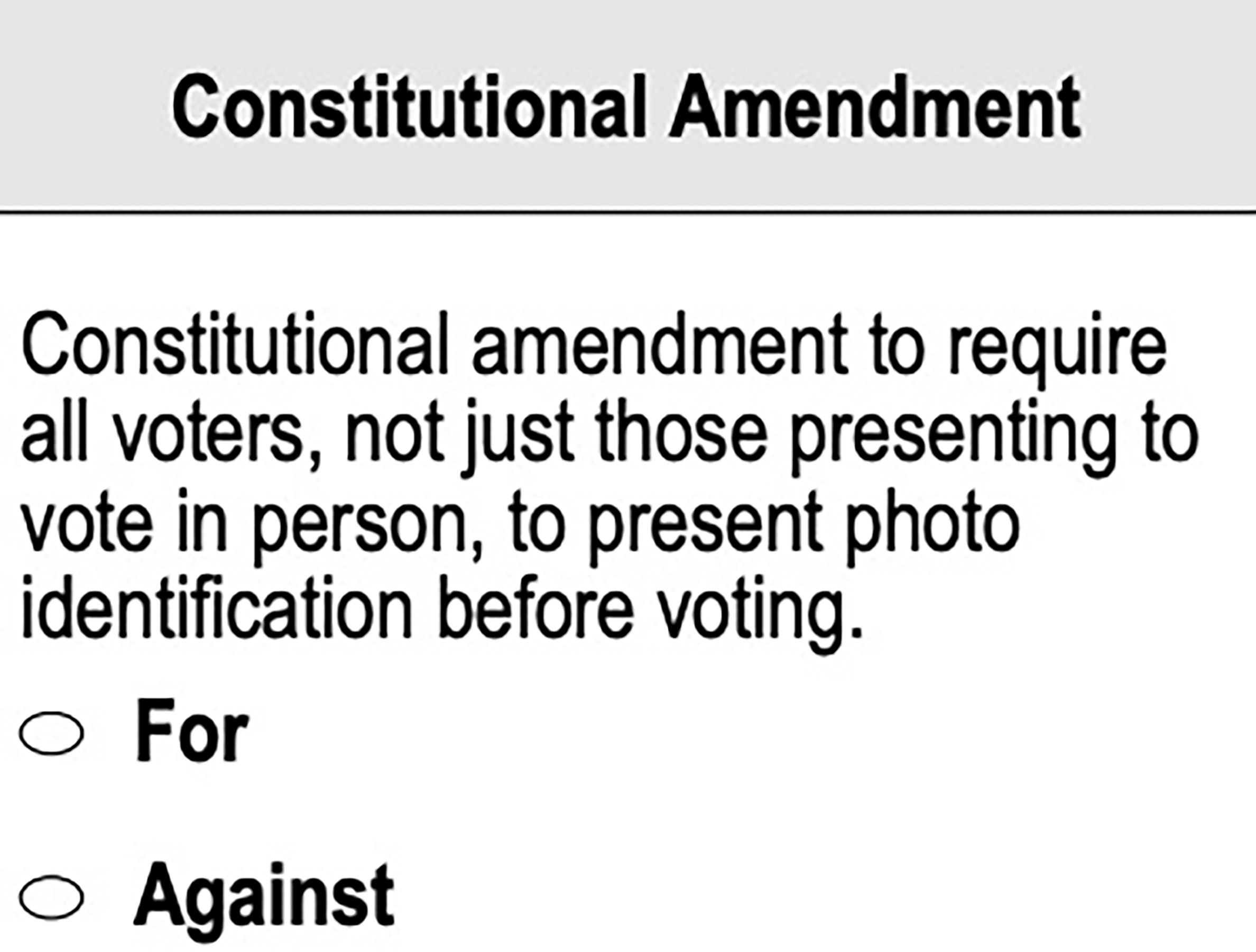
This won't immediately change how voting is done in North Carolina. Under state law, voters already must show their ID or have a qualifying exception form.
- As an added layer, the constitution spells out that photo ID is required to vote in person. This amendment would strike the "in-person" part, so mail-in voting is included.
👍 Supporters say this would make it harder to repeal the photo ID law. The GOP considers an ID check "common sense security".
👎 Opponents view the ID requirement as a potential hurdle for military, student, rural and older voters.
- For example, a senior voting by mail may not have a photocopier and may opt for an exception form instead, as Disability Rights North Carolina notes.
- And they say this amendment protects the ID requirement but does not protect the exceptions.
Cap the state income tax rate at 3.5%
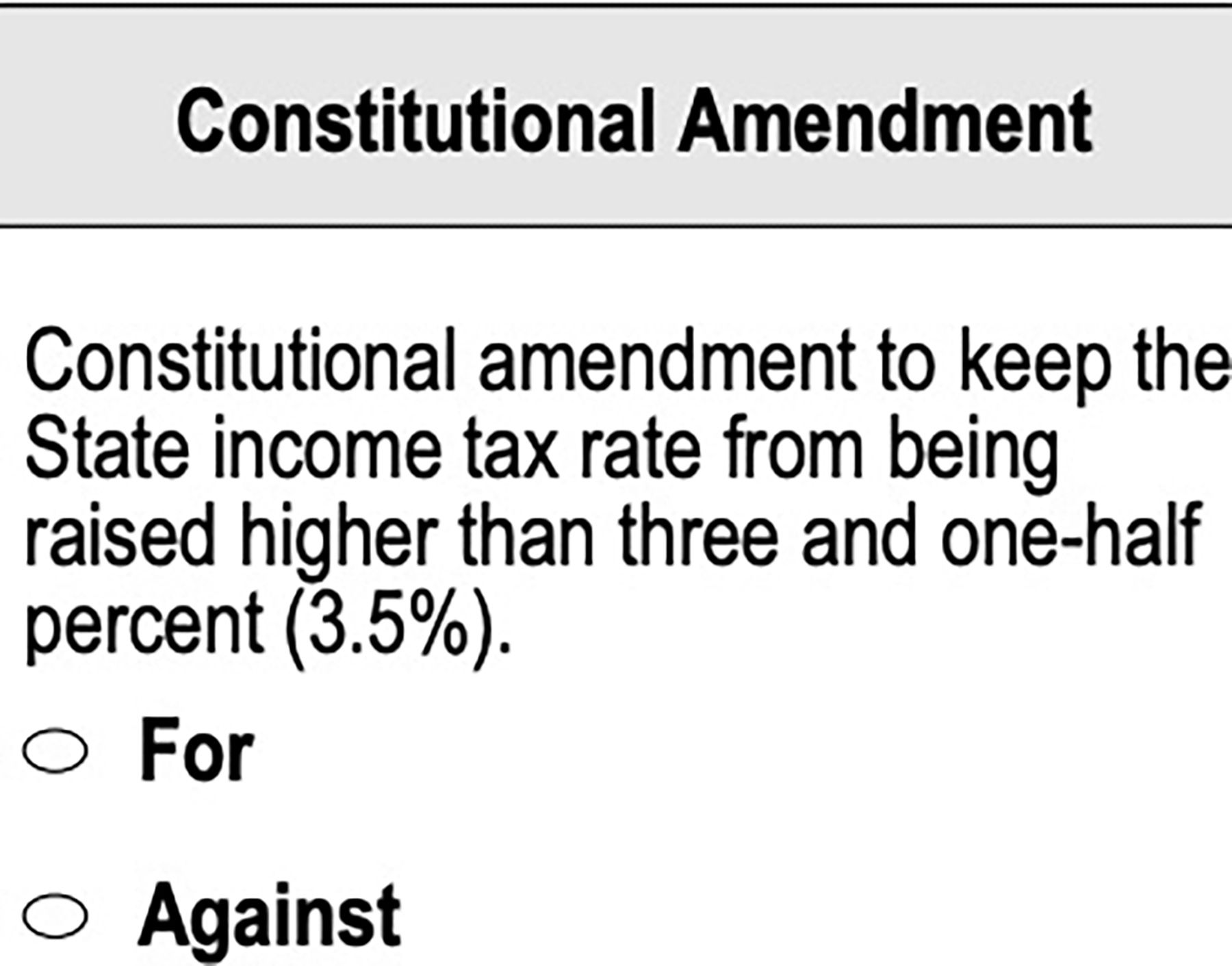
This will not immediately lower taxes. However, if approved, state lawmakers could not raise the personal or corporate income tax rates above 3.5%, starting in 2027.
- Right now, the cap is 7%.
- The personal income tax rate is 3.99% and is lowering to 3.49% in 2027.
- The corporate tax is scheduled to drop from 2% to 0% by 2030.
👎 Opponents say the amendment shackles future elected officials from reforming tax policy, and the state wouldn't be able to tax higher earners meaningfully more.
- Democratic Gov. Josh Stein calls the proposal "a millionaire protection cap."
- Right now, North Carolina has a flat income tax, meaning everyone pays the same rate regardless of how much they make.
👍 Supporters call the cap "a safeguard to protect all taxpayers" from future increases.