CMS: Property tax cap could hurt Charlotte students

Add Axios as your preferred source to
see more of our stories on Google.
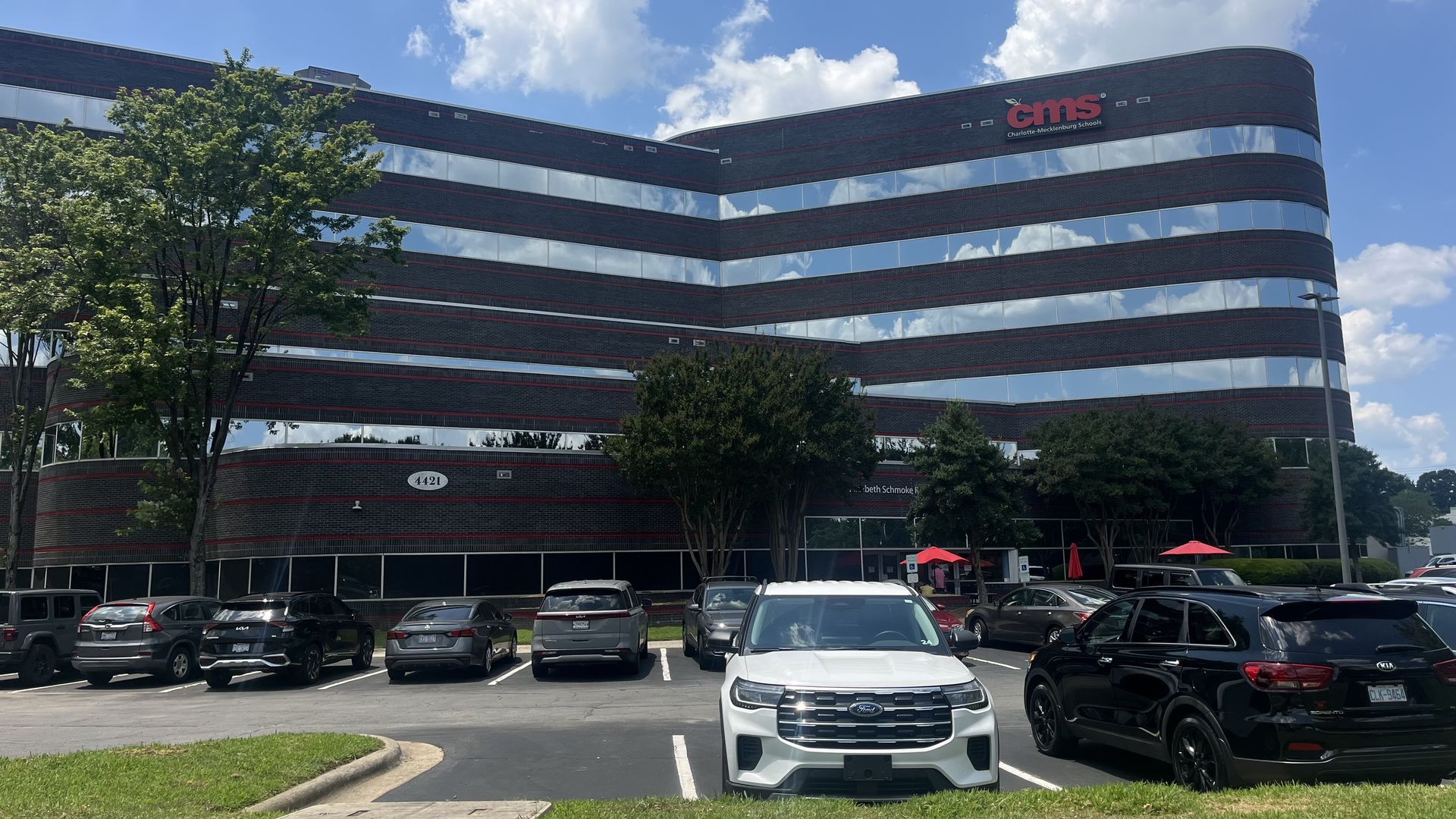
Photo: Alexandria Sands/Axios
The people crunching the numbers for Mecklenburg County public schools' already-tight budget are anxiously watching a House committee debate Wednesday on a possible statewide property tax cap.
Why it matters: A levy limit would restrict how much local governments could increase revenue to fund police, schools and other priorities.
What they're saying: "It could change the way we have to do business in a dramatic fashion that will be almost impossible to undo," said Charles Jeter, government relations coordinator for Charlotte-Mecklenburg Schools. "It will have a detrimental impact on every child in this community."
- Jeter, along with a panel of local government finance executives, warned a room of elected officials of the potential repercussions at a joint legislative meeting in Charlotte on Tuesday.
- Teacher recruitment and retention would suffer, added CFO Kelly Kluttz, because Mecklenburg County property taxes supplement teacher pay.
State of play: North Carolina ranks among the lowest states for educator salaries, and Mecklenburg in particular has to compete with South Carolina counties to keep teachers.
- "If they're going to underfund the responsibilities that the state needs to deal with, how is it that we're supposed to pay for those things?" said David Boyd, CFO of Mecklenburg County.
- Boyd called a tax levy limit a problematic "one-size-fits-all" solution and said lawmakers should instead pursue targeted tax relief for property owners who are in need.
The other side: North Carolina House Speaker Destin Hall and other Republicans argue that families are "getting ripped off" by overaggressive city and county property tax hikes, WRAL reported.
Reality check: North Carolina already has a statutory property tax limit of $1.50 per $100 of assessed value. Currently, Mecklenburg's rate is 49.27 cents, roughly a third of that ceiling, Jeter noted.
- "The idea that somehow these communities are abusing or overspending is just not factually true," Jeter says.
- He added that when voters passed the $2.5 billion school bond referendum in 2023, it was publicly communicated that it would require property tax increases.
What's next: A House committee will review possible property tax reforms on Wednesday at 10am, and could take a first vote on the proposed constitutional amendment.
- It's not known yet what cap could be considered.
- It would need to pass the full state House and Senate before going to voters on an upcoming election ballot, possibly as early as this year.