Holocaust Museum Boston leans into 21st-century storytelling tools

Add Axios as your preferred source to
see more of our stories on Google.
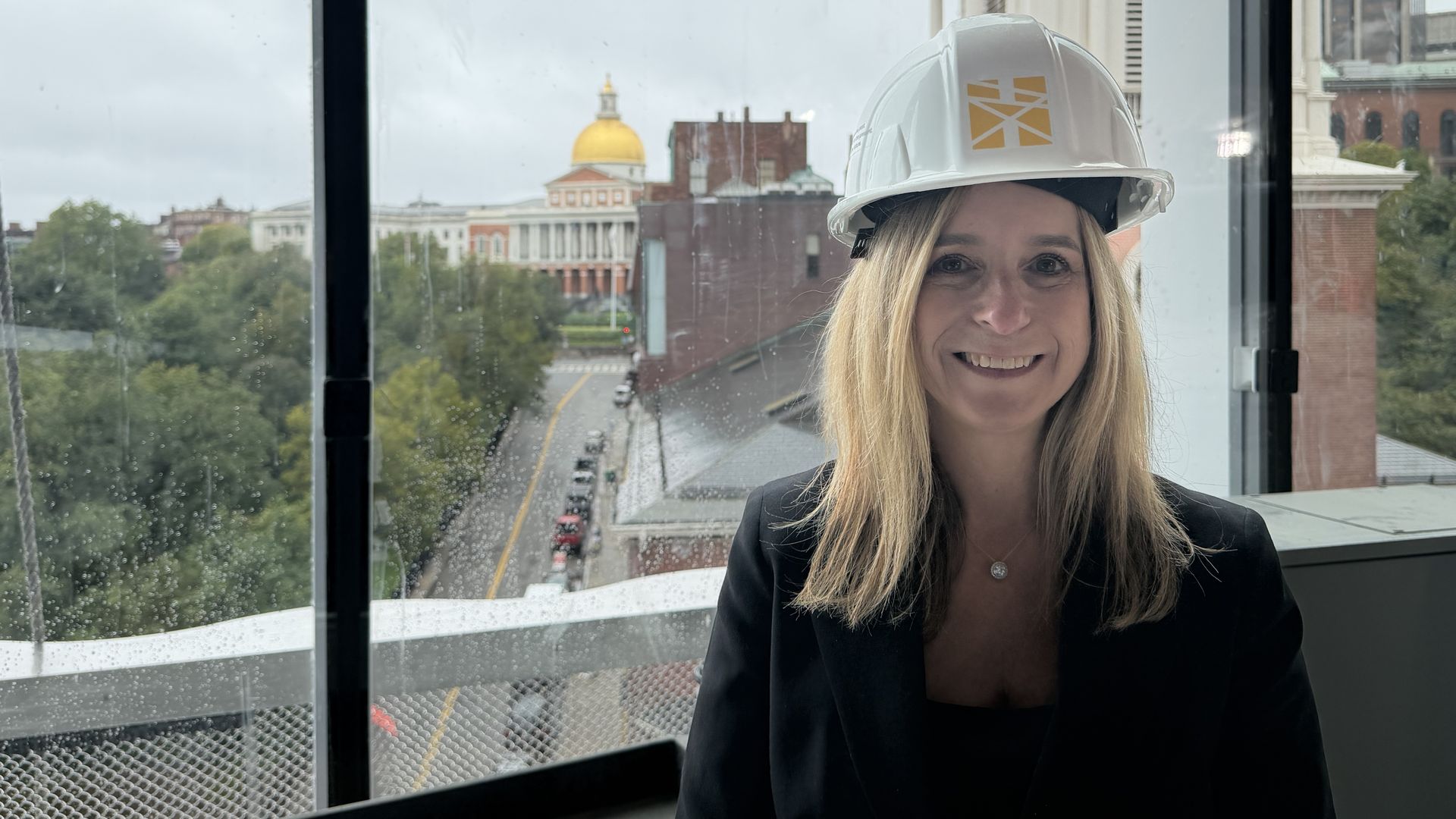
Jodi Kipnis inside the Holocaust Museum Boston construction site. Photo: Steph Solis/Axios
Standing in front of bare steel frames, Jodi Kipnis pointed to the exact spot where a monitor would show a cellphone and a selection of apps broadcasting different types of propaganda in the upcoming Holocaust museum.
Why it matters: The cellphone display is one of several ways Holocaust Museum Boston is trying to connect with younger generations to keep this history and the lessons it bears.
What they're saying: "In each app, there's film, media, music, art — all the different ways they use propaganda," Kipnis, the museum's president and CEO, tells Axios during a tour inside.
- "Why? Because when we think about media being spread, and how different things are today, we want the visitor to connect."
State of play: Construction workers took a break from the work site to have lunch next door and get a glimpse of the space they're building.
- Kipnis shared renderings of the entrance, footage of young people asking why they should care about the Holocaust and a video featuring one survivor's story of a concentration camp.
- The crews also became beta testers for the holographic video of Holocaust survivor David Schaecter, who died last year at 96.
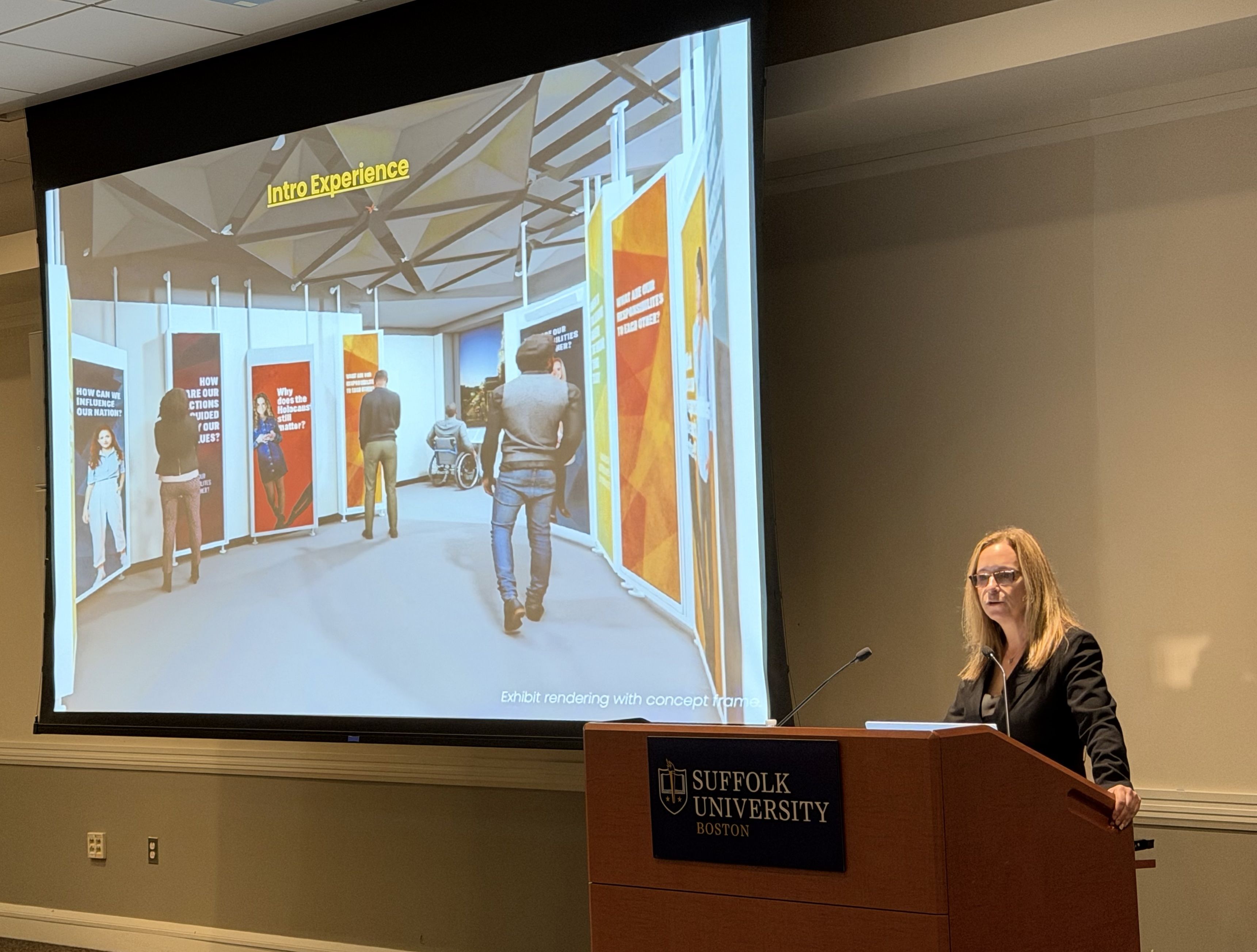
Zoom in: Workers asked Schaecter what his childhood was like, why he thinks he survived the camps and what he says to Holocaust deniers.
- Sometimes, the answers were thoughtful, with suggestions to stay alert and detect early warning signs of antisemitism and genocide.
- Other times, he struggled to answer, at one point reminding a speaker to speak clearly. Overall, his message still came through.
The bottom line: "We are not just building a building," says Lee Kennedy, owner and namesake of the building firm involved in the project.
- "This will live long beyond all of us."