Mass. workers prepare to spot signs of assault and abuse this summer

Add Axios as your preferred source to
see more of our stories on Google.

Illustration: Maura Kearns/Axios
Days before the 2026 FIFA World Cup begins, dozens of Boston-area bar managers, event organizers and advocates tuned in to a virtual training.
- Here, they learned about red flags that might otherwise go unnoticed during large-scale events: signs of sexual assault, domestic violence and human trafficking.
The big picture: These are among several groups that violence prevention advocates are training to respond to potential violence and abuse this summer.
State of play: Greater Boston stands to get up to 3 million visitors for the FIFA tournament, Tall Ships and the nation's 250th birthday.
- While researchers refute the idea that human trafficking spikes at large events, high-stakes gambling and increased alcohol and drug use could amplify existing tensions.
Zoom out: Massachusetts issued $390,000 in grants for work to prevent human trafficking and sexual violence, including a public awareness campaign.
- State and federal law enforcement officials urged the public at multiple events last week to report any concerning activity.
- They're also working with the restaurant, hospitality and event industries to watch out for potential threats.
Jane Doe Inc., a coalition of 65 programs, and other advocacy groups are mobilizing their networks.
- JDI's coalition includes roughly 2,000 counselors, medical and housing advocates, legal advocates and supervisors across Massachusetts.
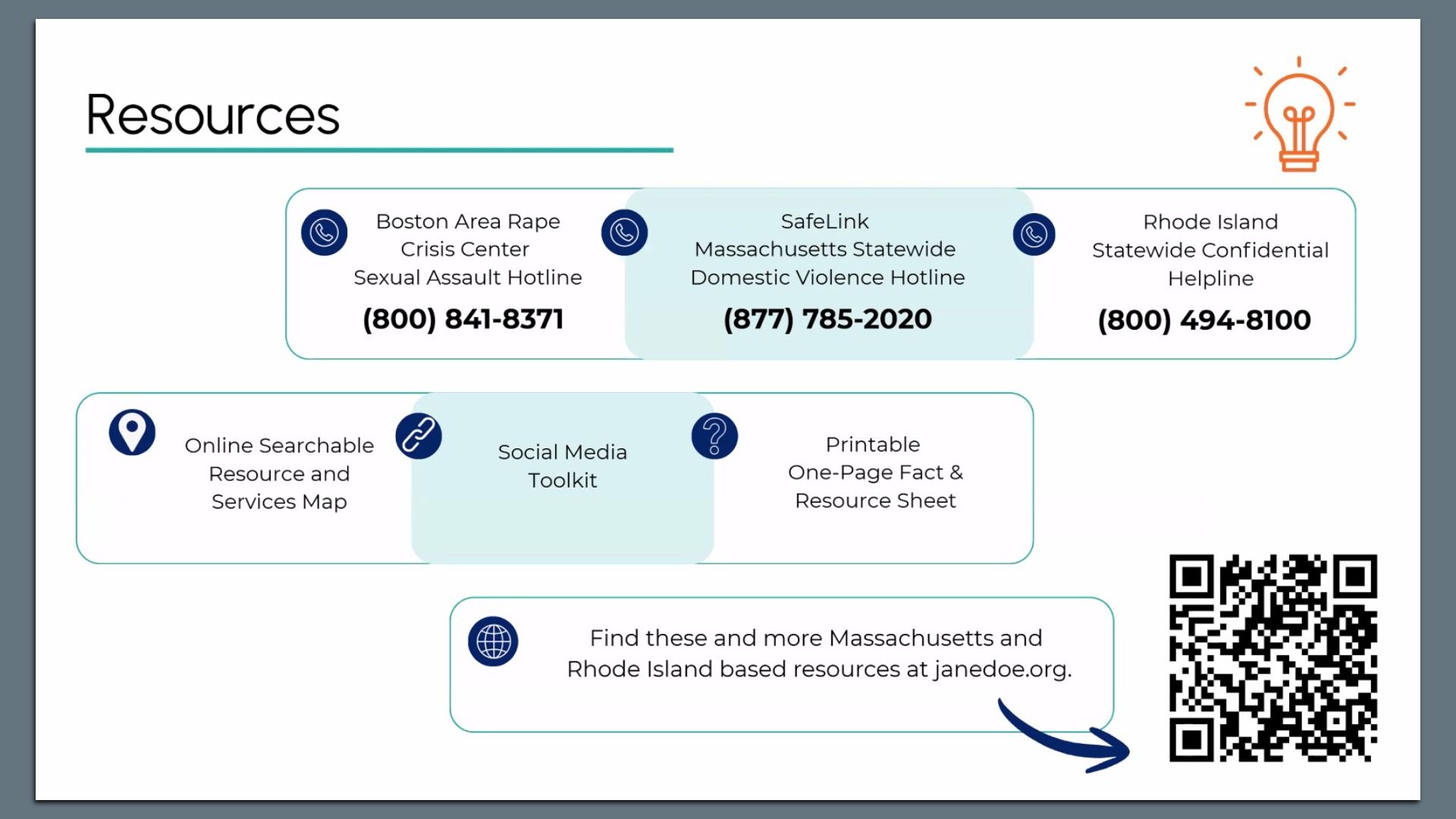
Zoom in: Jane Doe Inc. and officials from Boston and Cambridge shared tips with industry workers about what to look for during Monday's training.
- Red flags could range from unwanted sexual acts to someone using intimidation, guilt or their position of power to get their way, said Greta Hagen, JDI's deputy director.
- The victims could be men or women, and they could include sex workers who consent to one activity but are pushed past their comfort levels.
Reality check: There's no way to know just by looking whether someone is experiencing abuse or exploitation.
- What's important, advocates say, is that a bystander checks in with someone being targeted if the vibes are off, even if intervening feels awkward.
What they're saying: "When I was first trained as a bystander, I had some mentors who would say, 'Nobody ever died of awkward,'" Hagen told the group. "People do die as a result of sexism, homophobia, transphobia, xenophobia and racism."
Be smart: When there is an issue, bystanders can take several steps to diffuse the situation, from distracting the harasser to calmly telling the person to stop.
- "Aggressive bystanders don't diffuse a situation," Hagen said.
Yes, but: Let the person being targeted decide what's next — whether the person wants to be alone or wants help contacting police, advocates said.
What's next: JDI shared resources online and offered to help businesses with protocols to respond to these types of threats this summer and long after the tourists leave.
- "We all still eat together, drink together, play together, so I think we want to keep this conversation going," Hagen said. "That is really part of the goal."