Exclusive: First look at the WNDR Museum in Boston

Add Axios as your preferred source to
see more of our stories on Google.
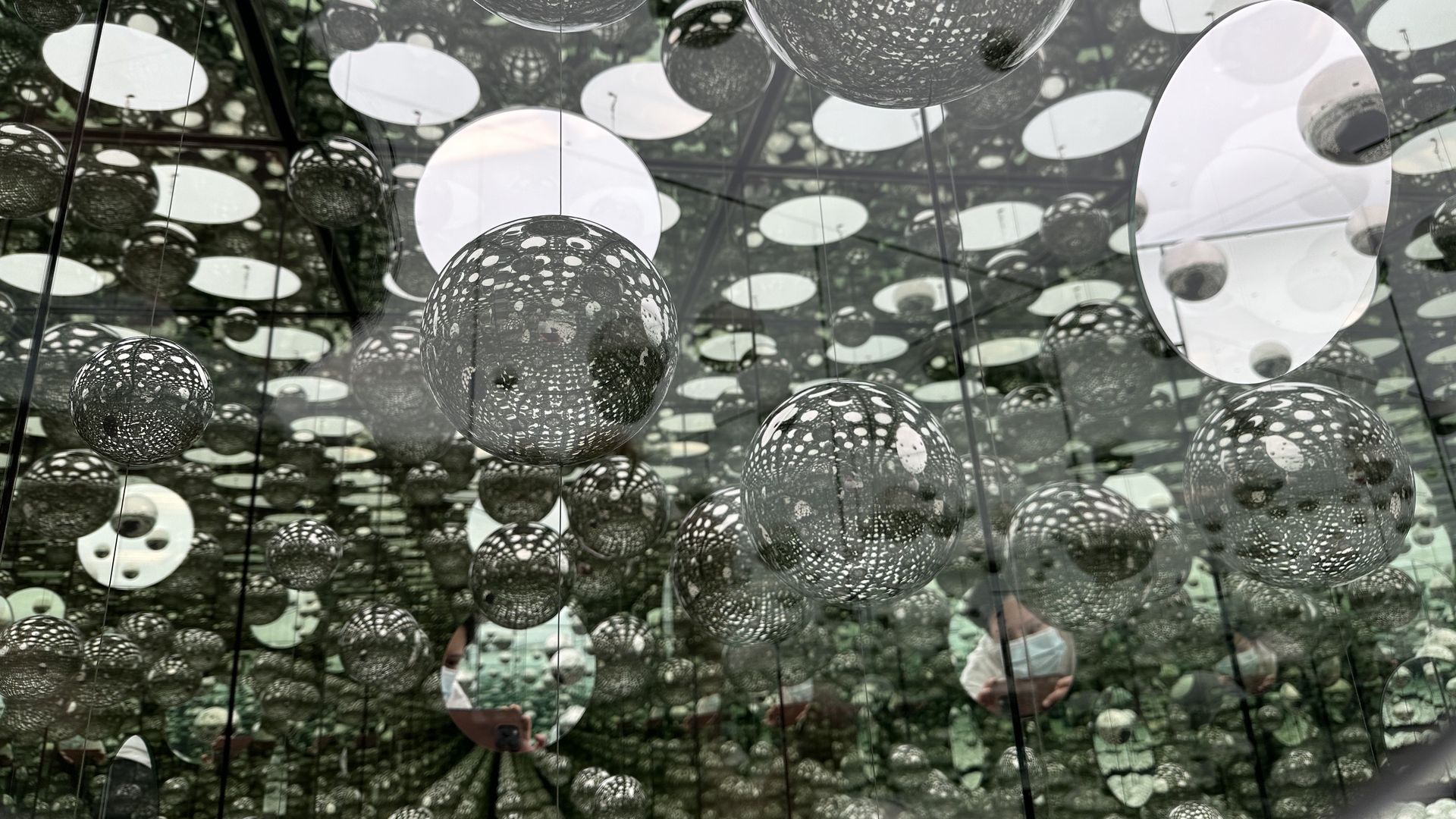
The WNDR Museum includes an installation by Japanese artist Yayoi Kusama. Photo: Steph Solis/Axios
Crews are putting the finishing touches on the WNDR Museum before it opens Thursday in Downtown Crossing.
- Axios got the first full tour of the Boston museum yesterday.
Why it matters: WNDR brings colorful, perception-bending, interactive art into the 17,000-square-foot space — a starkly different experience than the average art museum tour.
What's happening: Boston is the WNDR Museum's latest city, following openings in Chicago and San Diego.
- A third location in Seattle closed in December, eight months after opening.
- Like the other locations, the Boston outpost will host yoga classes, food pop-ups and a poet in residence, says Brian Haines, WNDR's chief experience officer.
Zoom in: The museum includes more than 20 installations from visual artists, in-house designers and other collaborators.
- The museum features several tactile installations that react to weight and movement.
- There are also more controversial sections, such as the exhibit where visitors use AI to create new art (generative AI relies on existing art).
If you go: The museum is at 500 Washington St. and runs seven days a week (hours vary).
- Price: $32, $38 for peak times. Discounts available for students, seniors and military members.
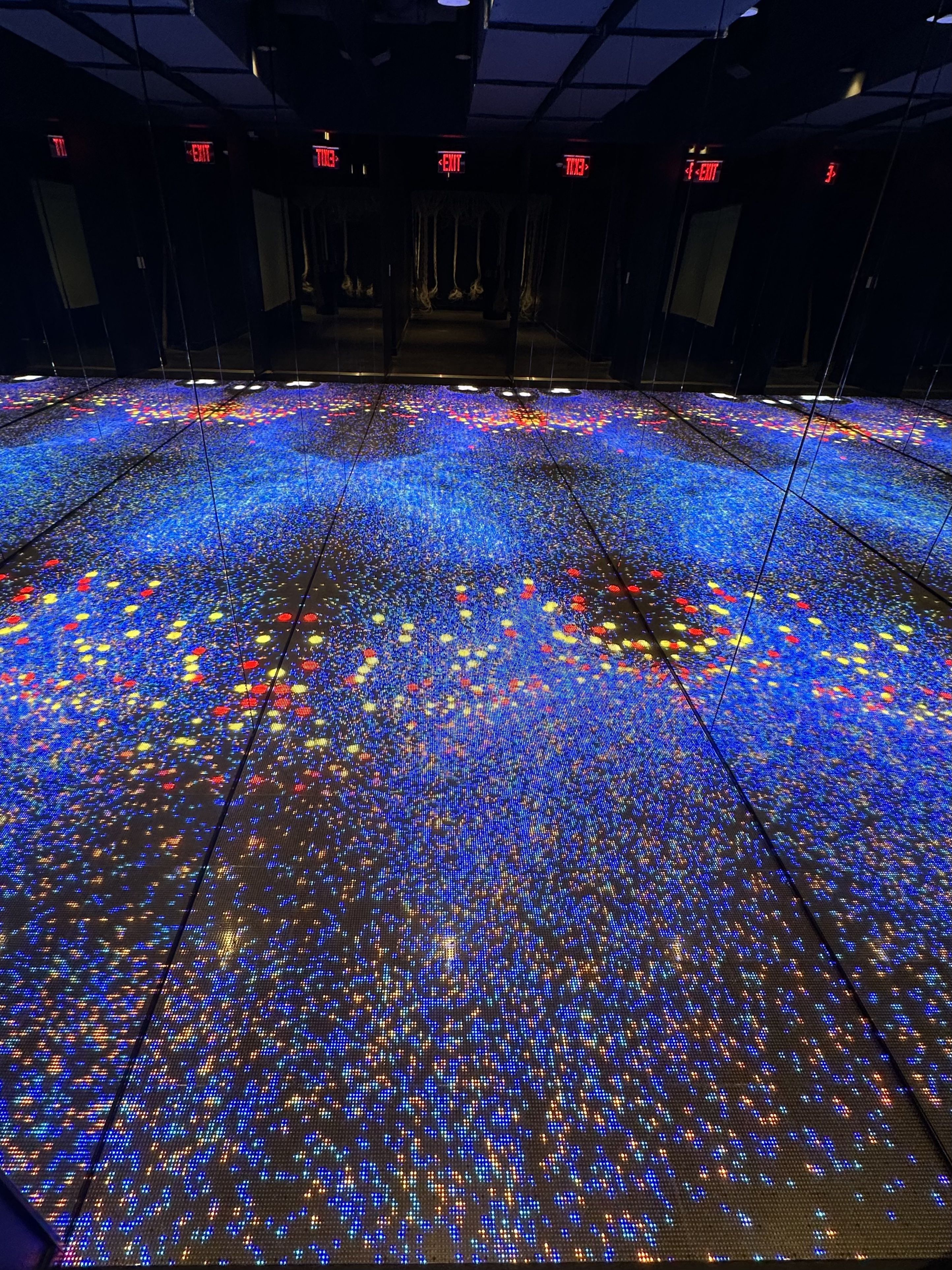
The tour begins in a mirrored hallway, where the LCD screens change color with each step you take.
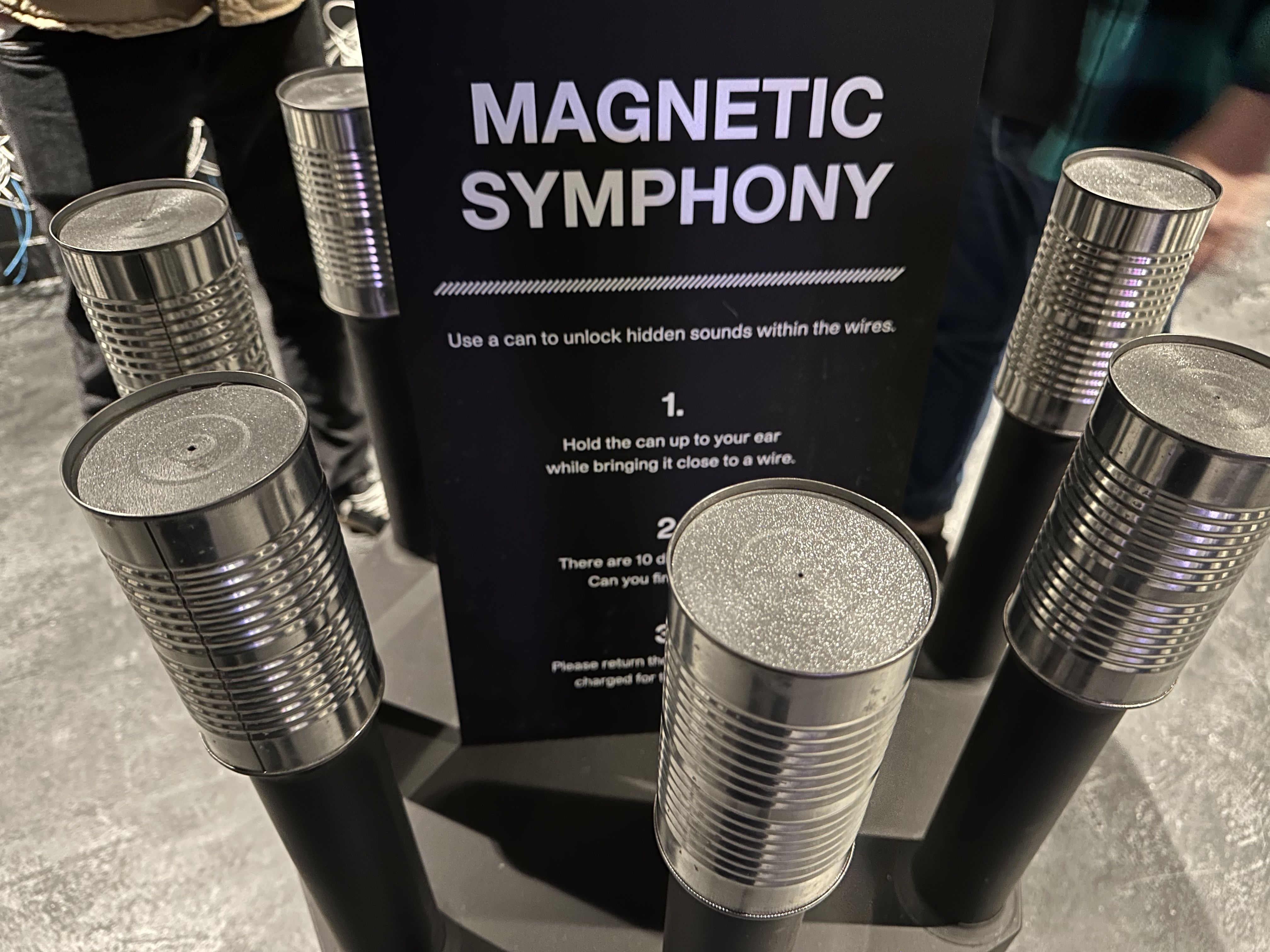
When the "magnetic symphony" room is complete, attendees will be able to hold up a can to each wire and hear a different voice.
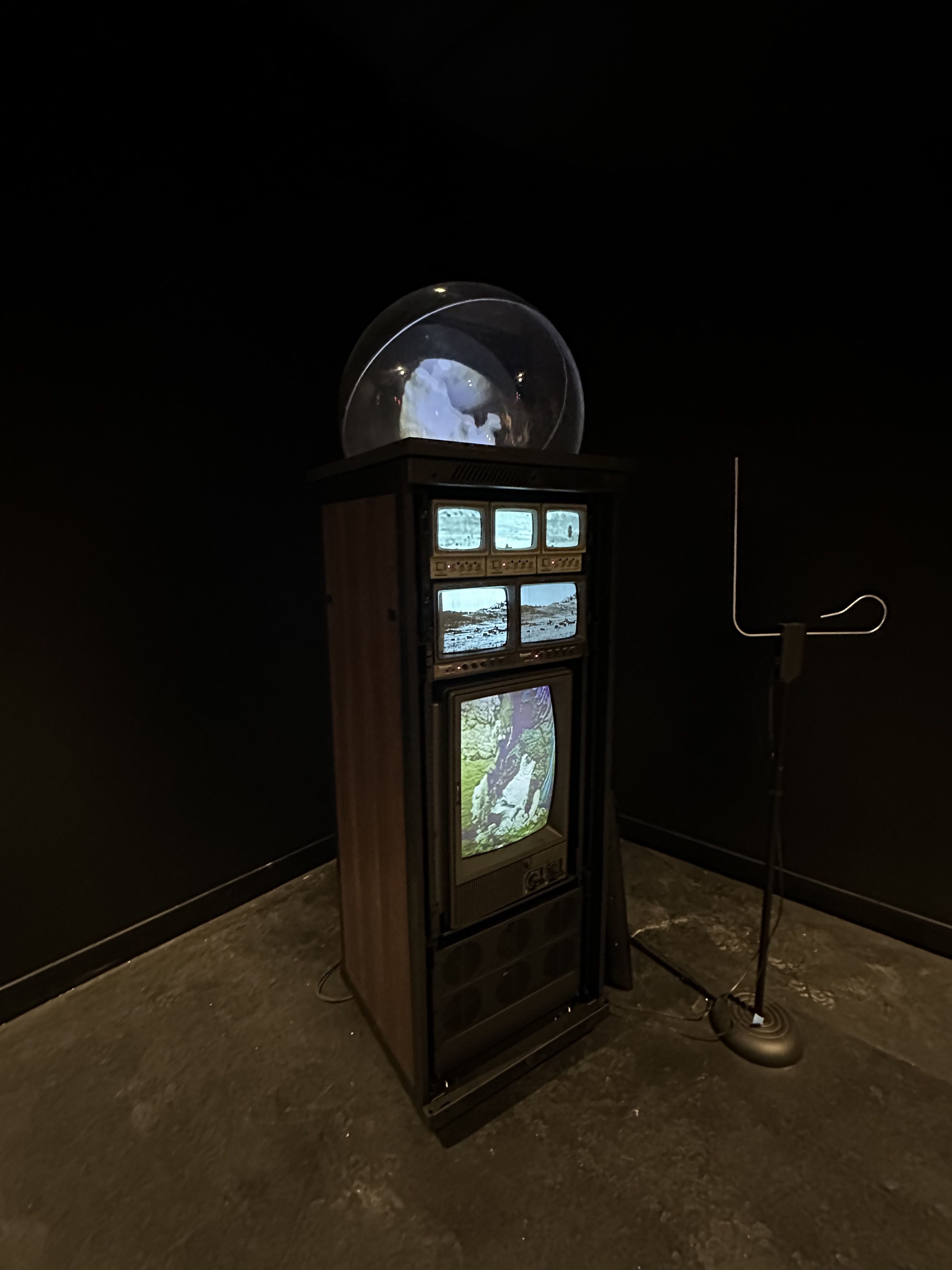
San Francisco-based artist Joshua Ellingson created the MPO-1 installation to show videos that explore optical effects.
- In this case, the image of a sheep cuts through the videos before being projected at the top.
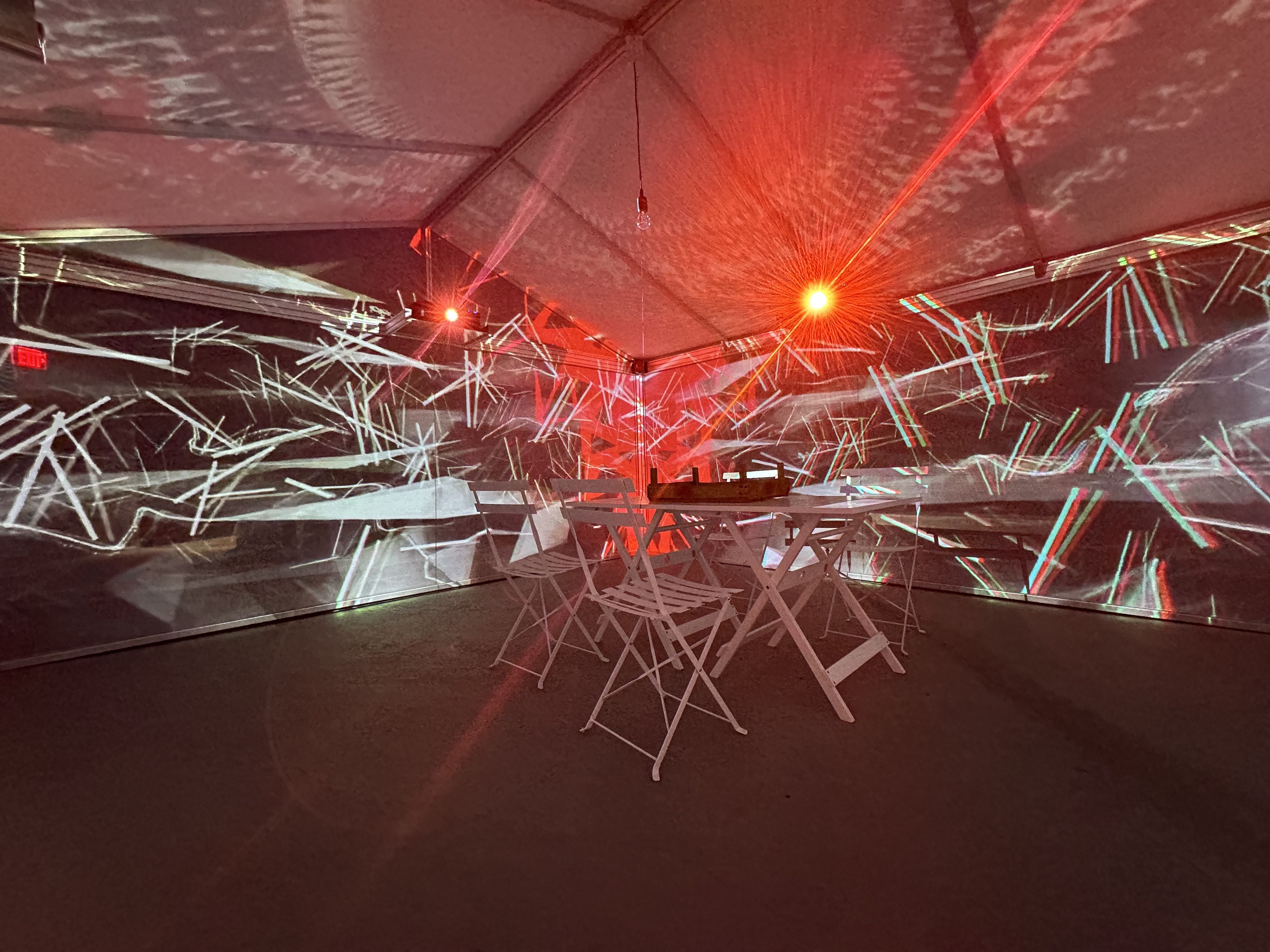
"INSIDEOUT" is a 360-degree multimedia installation by Berlin-based artist Leigh Sachwitz.
- It recreates Sachwitz's childhood memory of being in her grandmother's garden shed in Scotland during a storm.
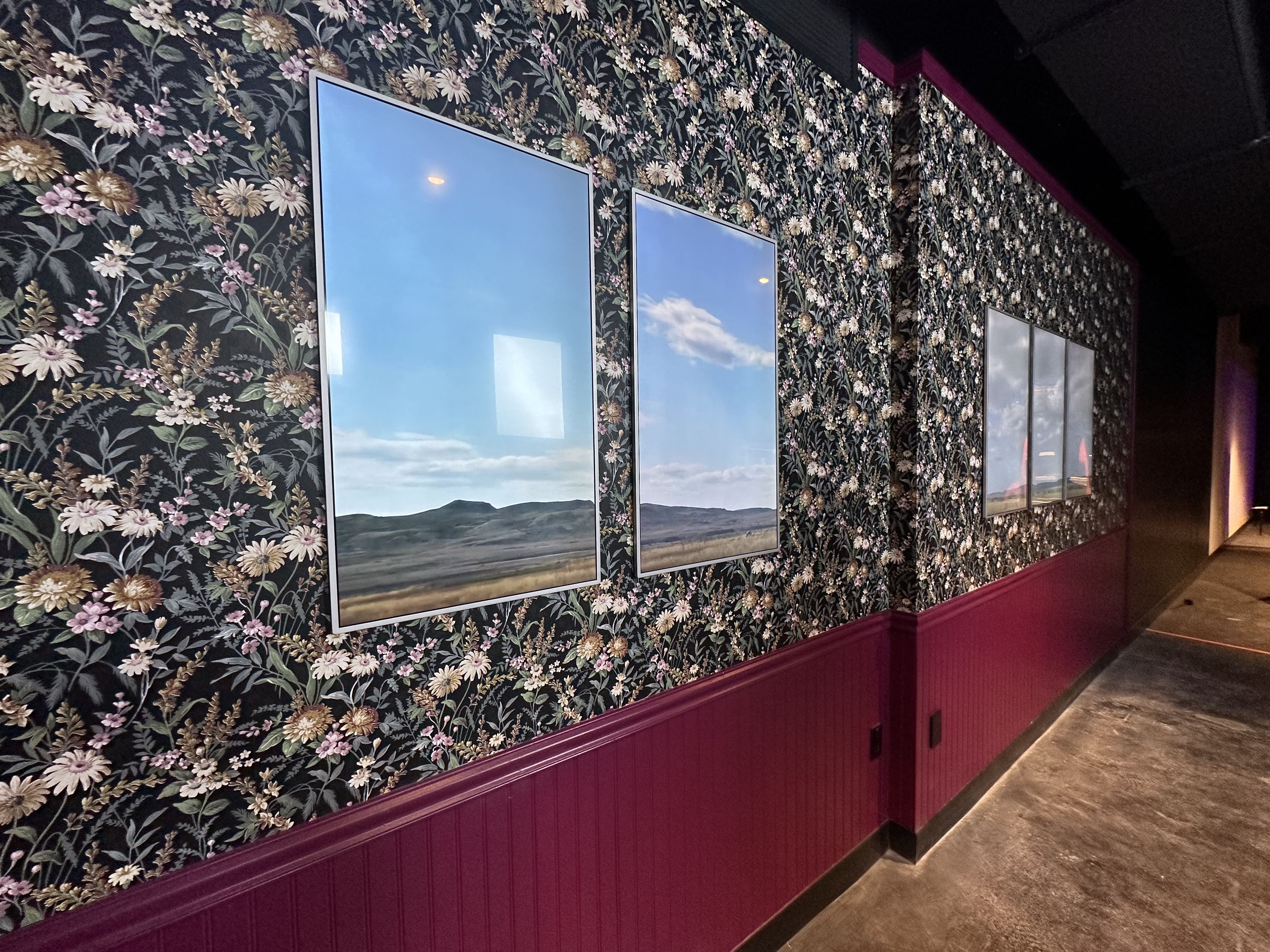
The "Living Gallery" includes electronic portraits that come to life when you least expect it.
- The gallery will include seating so people can admire the portraits and watch them come alive as others enter the hall.
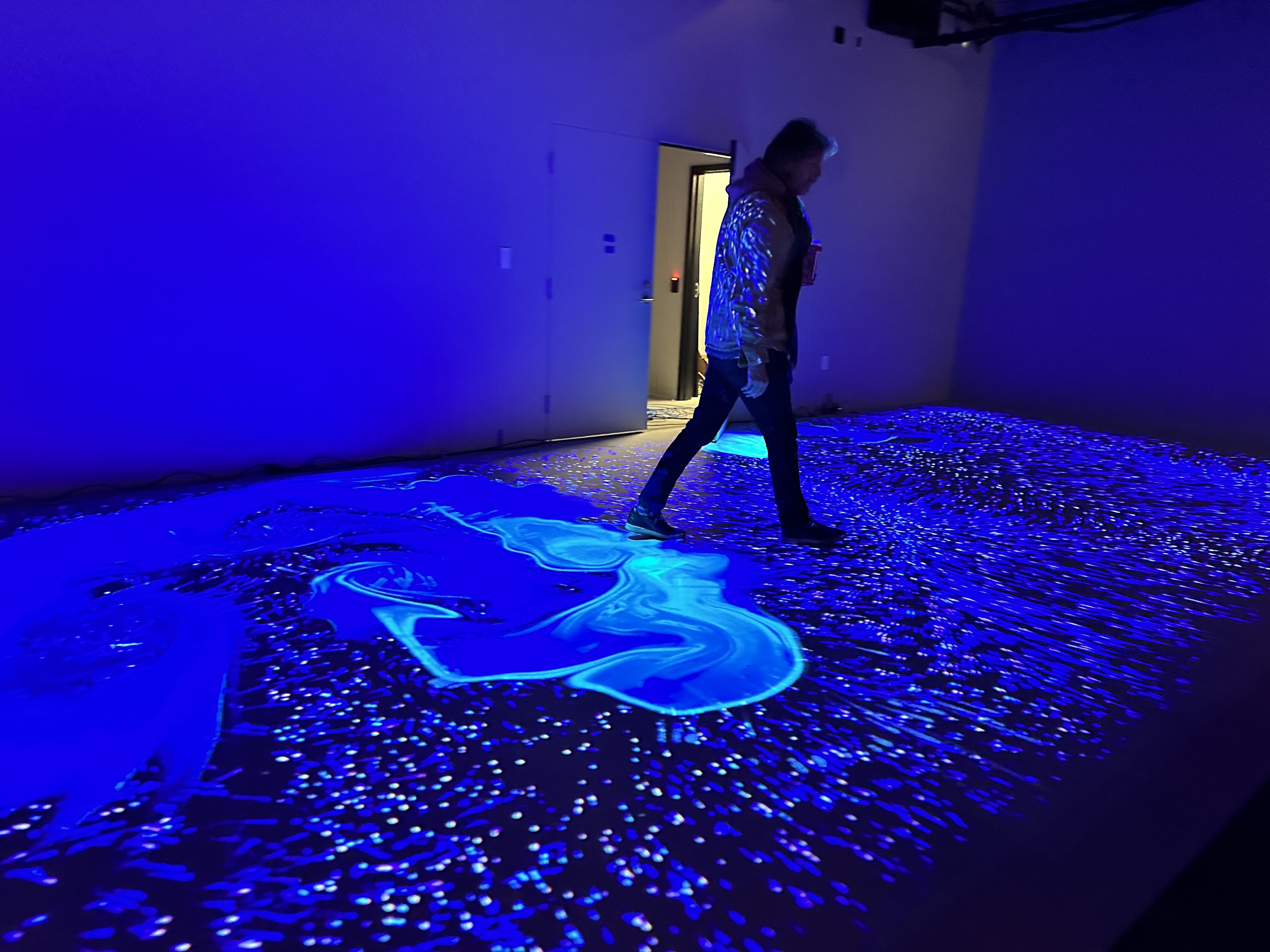
The immersive theater will project interactive lights on three walls and the floor, Haines says.
- When complete, the theater will include seating.
- WNDR plans to host yoga sessions and other events in the theater, per Haines.
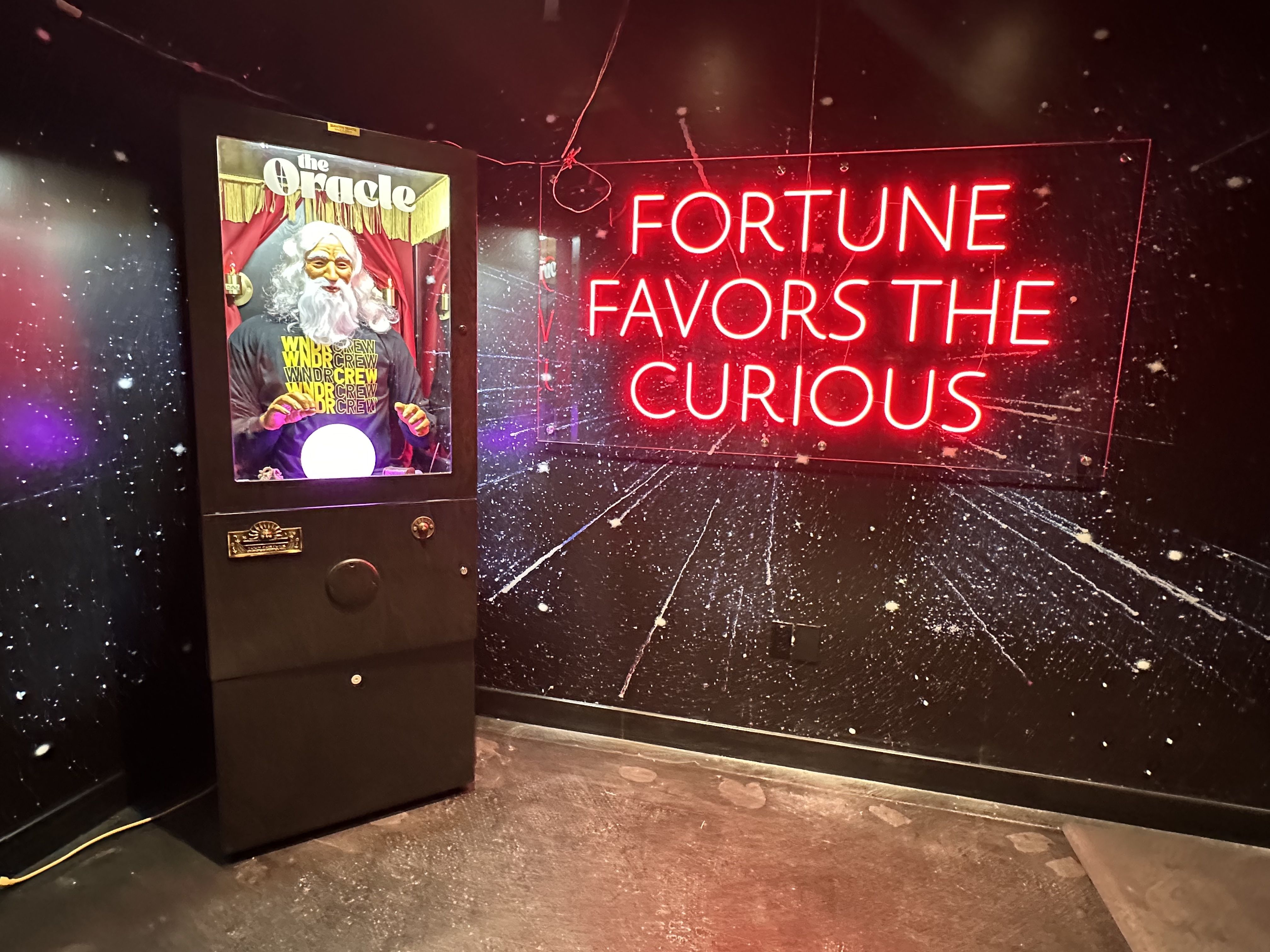
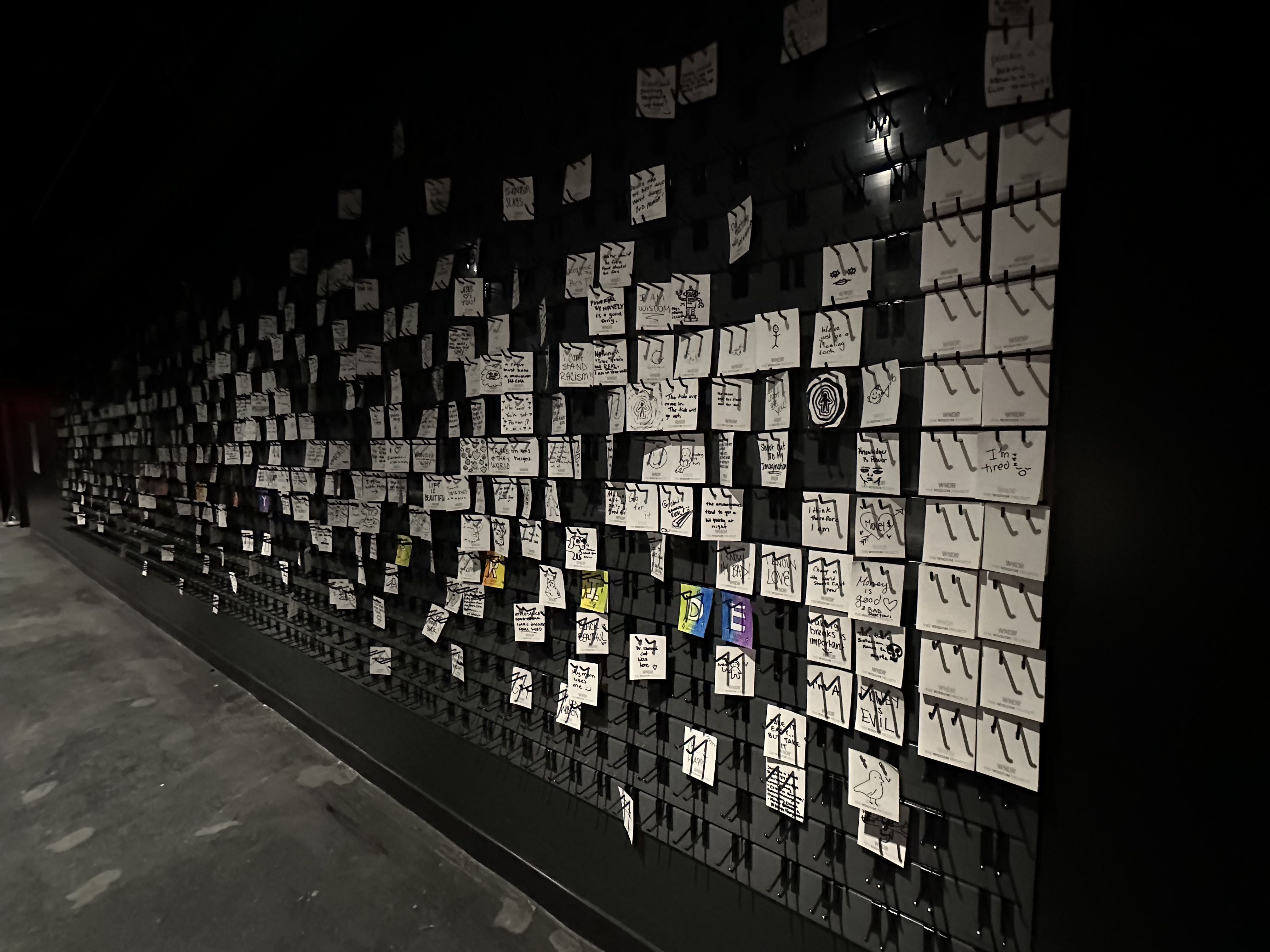
"The Wisdom Project" by WNDR Studios asks visitors at each museum to answer the question "what do you know for sure?"
- Boston has the largest wall, which will soon be filled with answers from local visitors, Haines tells Axios.
- Eventually, the messages from every city will go into a coffee-table book, Haines says.
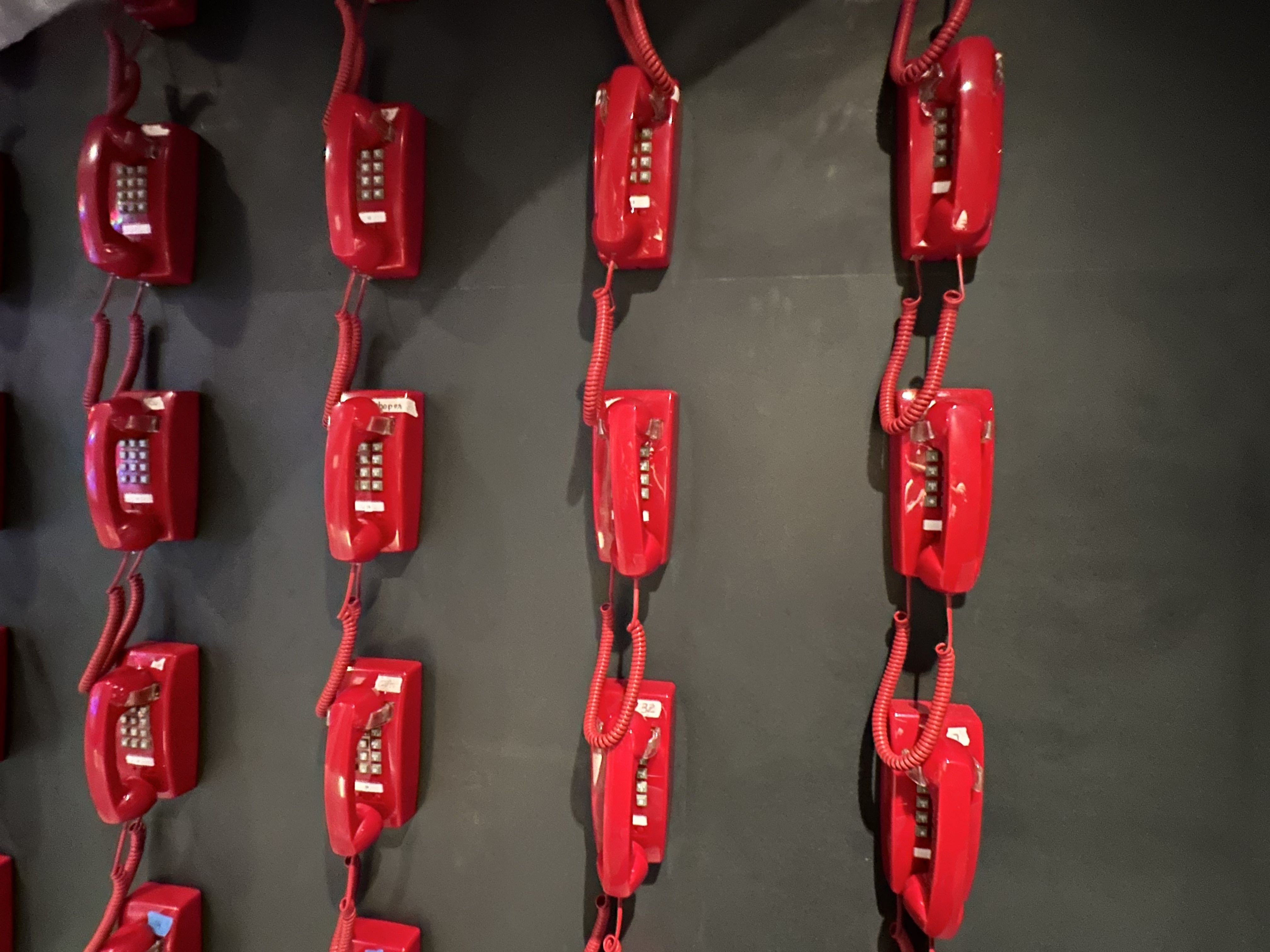
The installation of phones designed by WNDR Studios includes the voices of activists and other changemakers.
- The placard states, "Silence is the easy path. Will you say something? Will you speak up?"
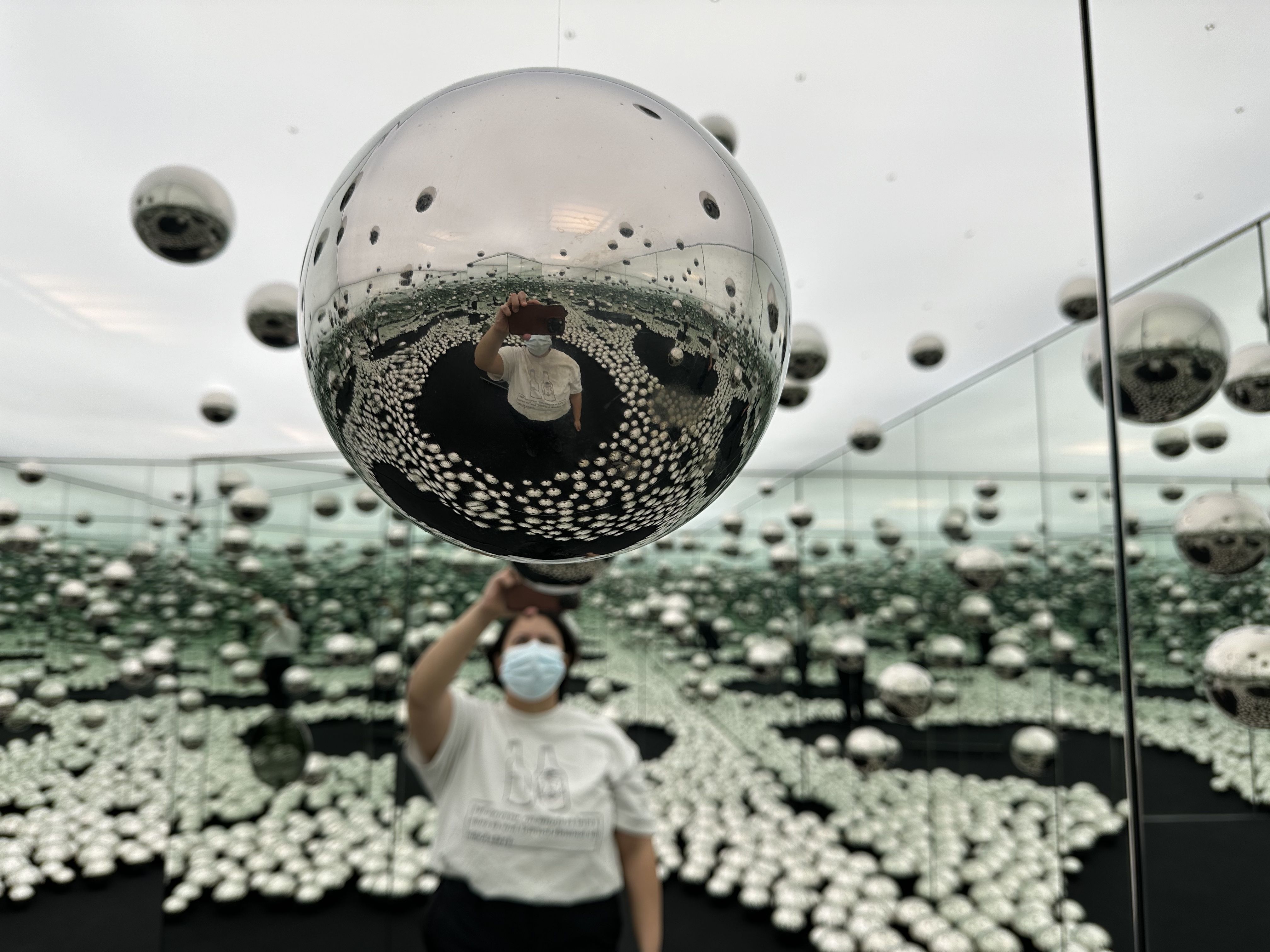
Kusama's "Let's Survive Forever" installation is a mirrored room filled with inflatable, stainless steel spheres.
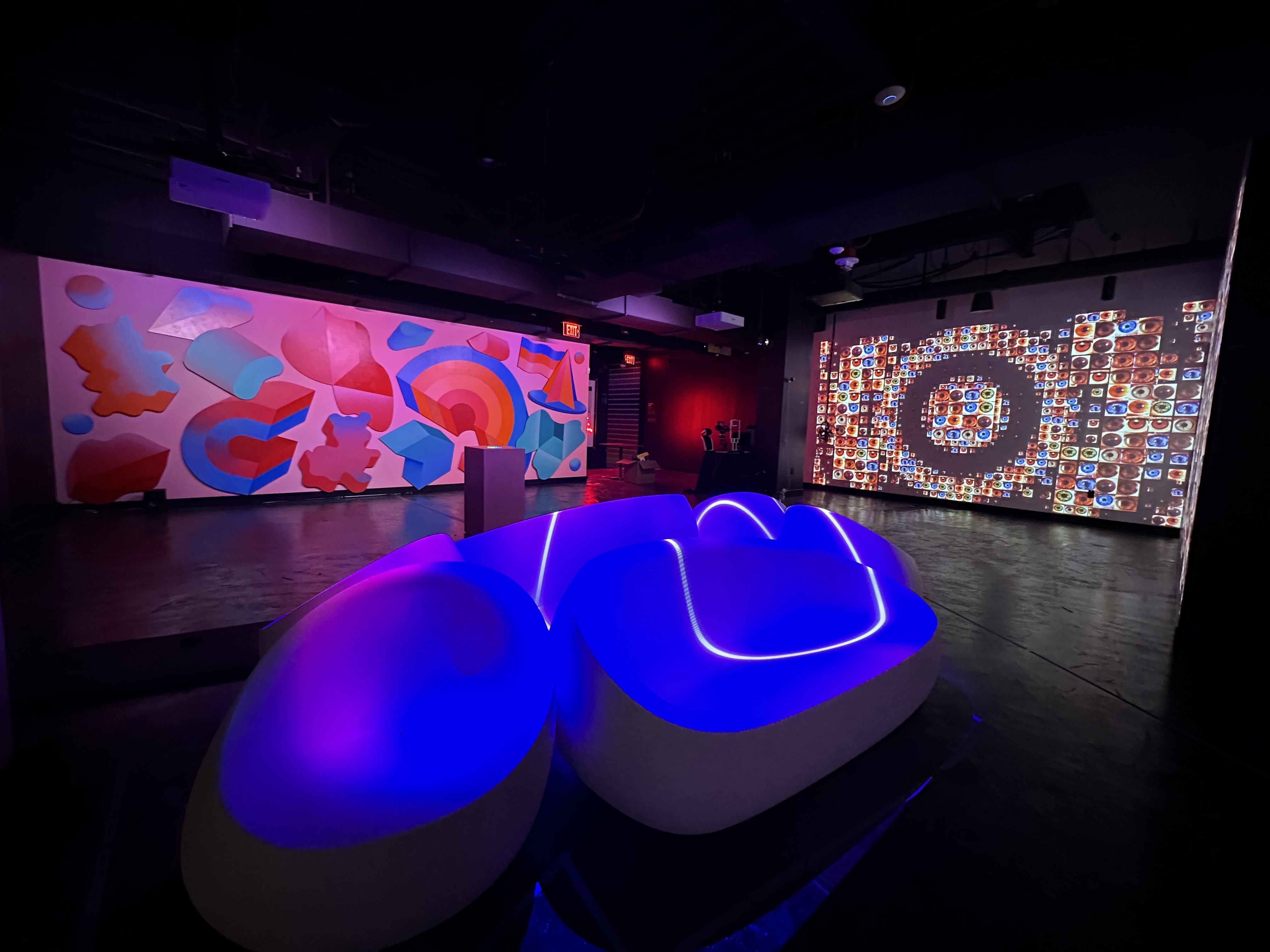
The atrium has multiple interactive installations:
- A rainbow sight-and-sound exhibit that lights up as you press the buttons on a controller.
- An art piece that doubles as seating (it's surprisingly comfortable).
- An LCD wall that changes colors as you move in front of it.
- A compilation of irises collected by visitors.
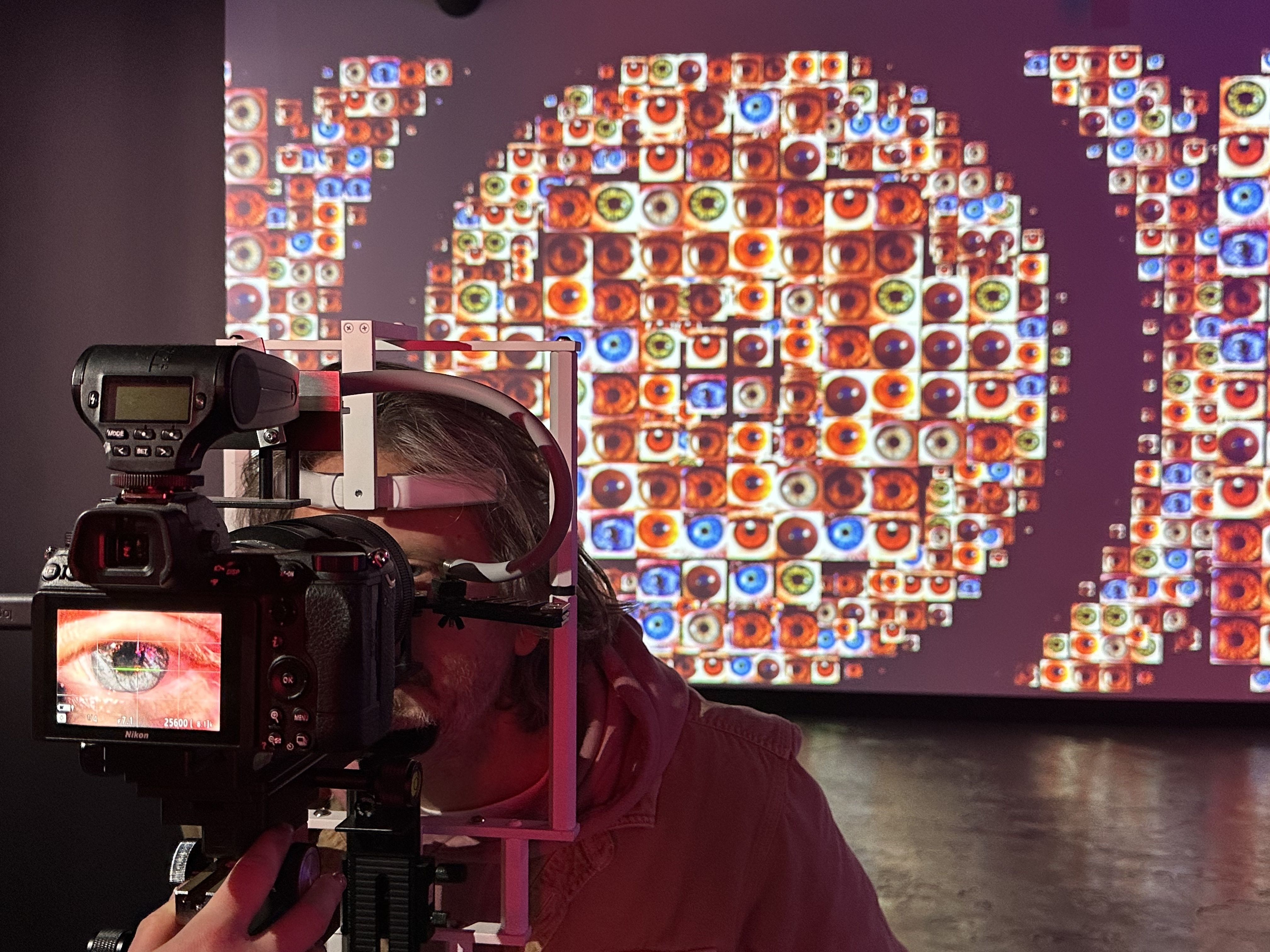
The iris exhibit will be set up with a camera and computer so visitors can get photographs of their eyes taken for the compilation on the screen.
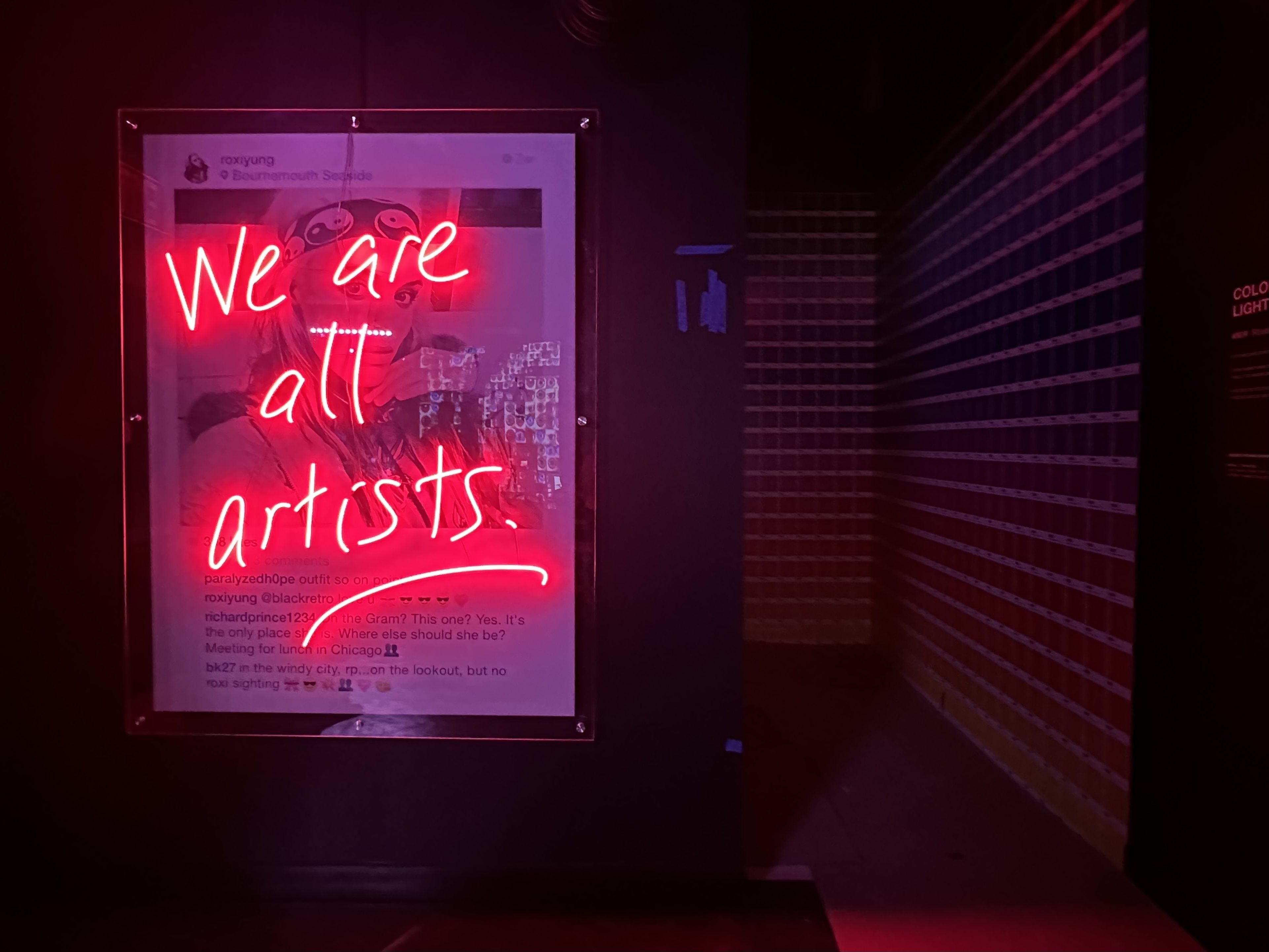
Richard Prince, considered the master of appropriation, has long caused controversy by tweaking existing art to make it his own.
- To him, even a blown up Instagram photo someone else took with a comment from him counts as "his" art.
WNDR took a page out of Prince's book, photoshopping its own comment and adding neon graffiti in founder Brad Keywell's handwriting.
- The message, "we are all artists" speaks to the mission behind the WNDR Museum, employees say.