Atlanta plans memorial to honor former Prison Farm's history

Add Axios as your preferred source to
see more of our stories on Google.
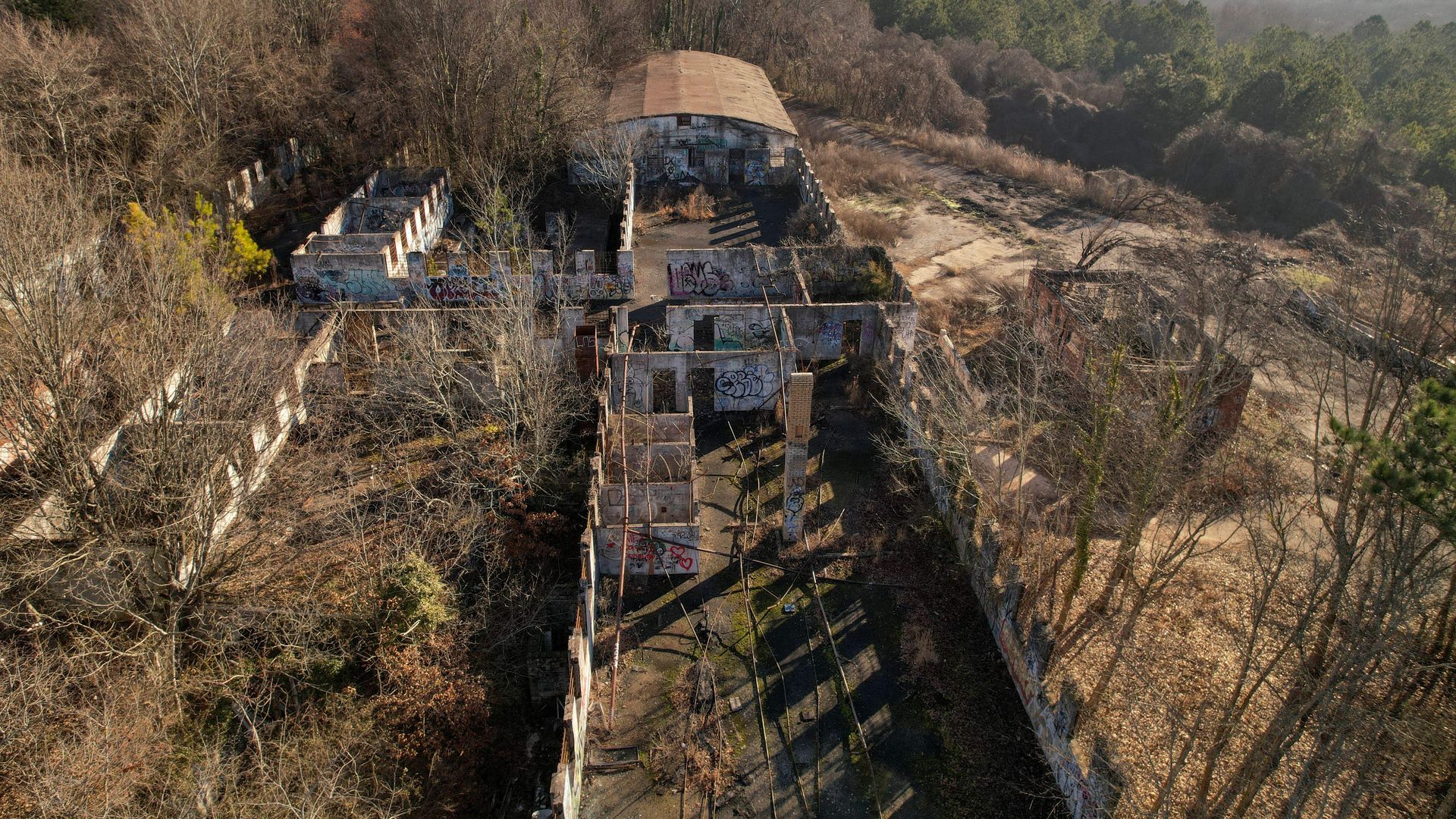
An aerial view the Old Atlanta Prison Farm in unincorporated DeKalb County. Photo: Cheney Orr/AFP/Getty Images
The city of Atlanta has provided a first glimpse into a plan to transform the old Prison Farm site into green space, an education center and a public gathering spot.
Why it matters: The site, which sits northeast of the 85-acre Atlanta Public Safety Training Center, is a chance to both recognize a painful part of its history and offer more recreational opportunities on the city's southeast side.
The latest: Atlanta's Restoration Memorial & Preserve master plan stems from recommendations offered by two committees that brainstormed ways to memorialize the Prison Farm and add other public uses to the site.
- Both were created in response to questions and concerns from residents and community activists over how the city should utilize the remaining space once the training center was up and running.
Where is this site? The 125-acre site, which is owned by the city, is located east of Moreland Avenue in unincorporated DeKalb County.
- It's bounded by Key Road to the north, Constitution Road to the south, Intrenchment Creek to the east and a Georgia Power transmission easement that separates it from the training center to the west.
- Another 13 acres is situated on the north side of Key Road west of the city's landfill.
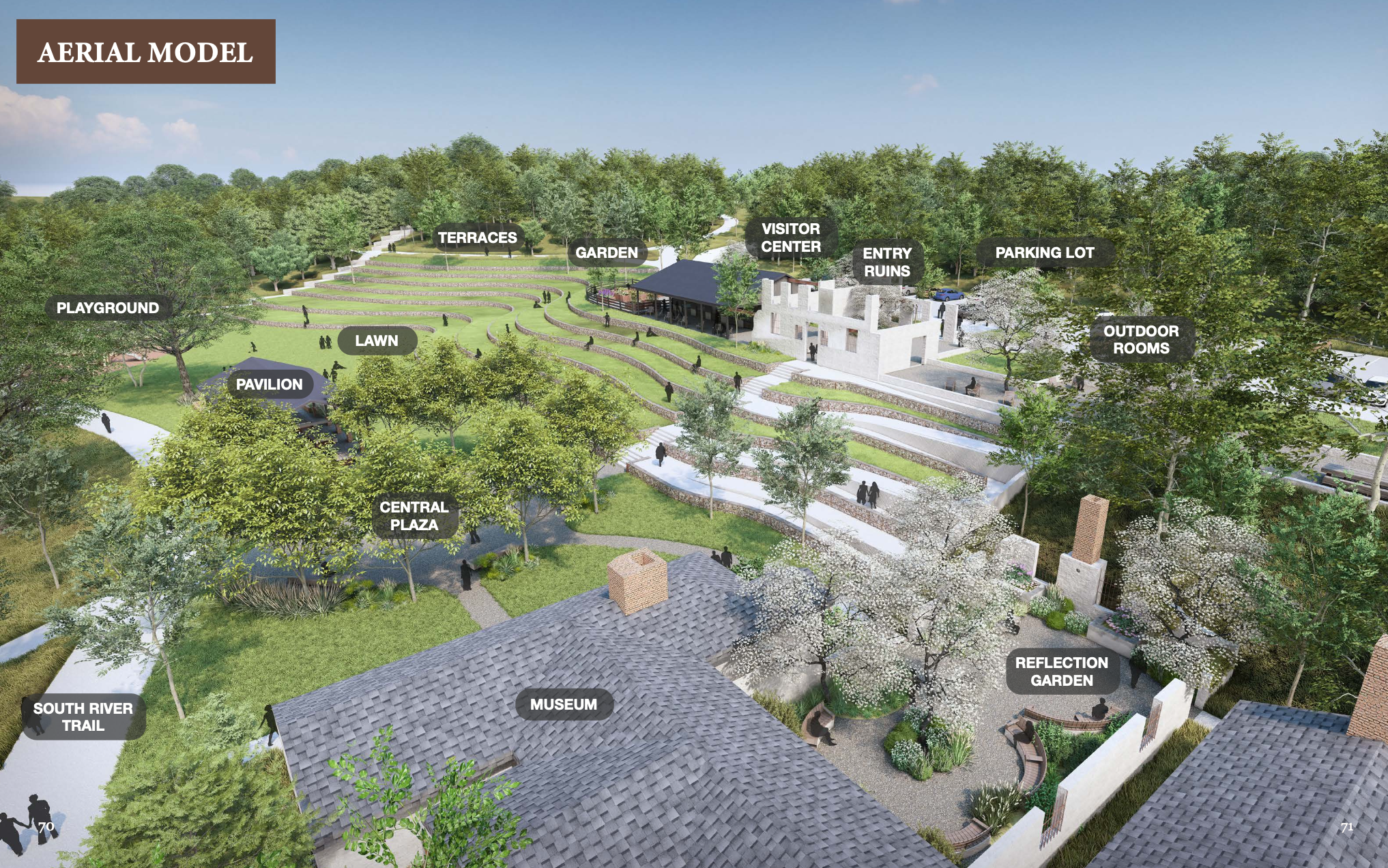
Zoom in: The master plan, produced by architectural firm HGOR for Atlanta's Department of Parks & Recreation, calls for incorporating existing building ruins into its design and installing terraced lawns, building out the South River Trail, and adding an outdoor classroom, visitor center, reflection garden and a museum.
- A horse pasture would also be installed and accessible for the Atlanta Police Department's Mounted Patrol Unit.
Flashback: According to the Atlanta History Center, the city purchased the 250-acre Key Plantation in 1911 to use as a crematorium, but that did not come to fruition.
- The city shifted its focus to replacing its aging prison with a new building on the site. The facility that became known as the Atlanta Prison Farm opened in 1925.
- Poor living conditions stemming from overcrowding, insufficient food, inadequate medical care and unsanitary spaces plagued the prison farm.
- Black prisoners were also given subpar facilities, received unequal punishments and more difficult work assignments. They were forced to work on the farm and provide labor for the city.
- The prison farm closed in 1995 and the city transferred inmates to the City Detention Center.
Catch up quick: The site remained vacant since the closure, the buildings deteriorated and the land became overgrown with vegetation.
What's next: The master plan calls for creating a "Friends of" organization to help the city with publicizing and fundraising to build out the project.
- Atlanta would also have to identify which parts of the plan to implement first, funding sources and if it will have the staff needed to maintain the entire footprint.