Atlanta rideshare drivers push back against robotaxis

Add Axios as your preferred source to
see more of our stories on Google.
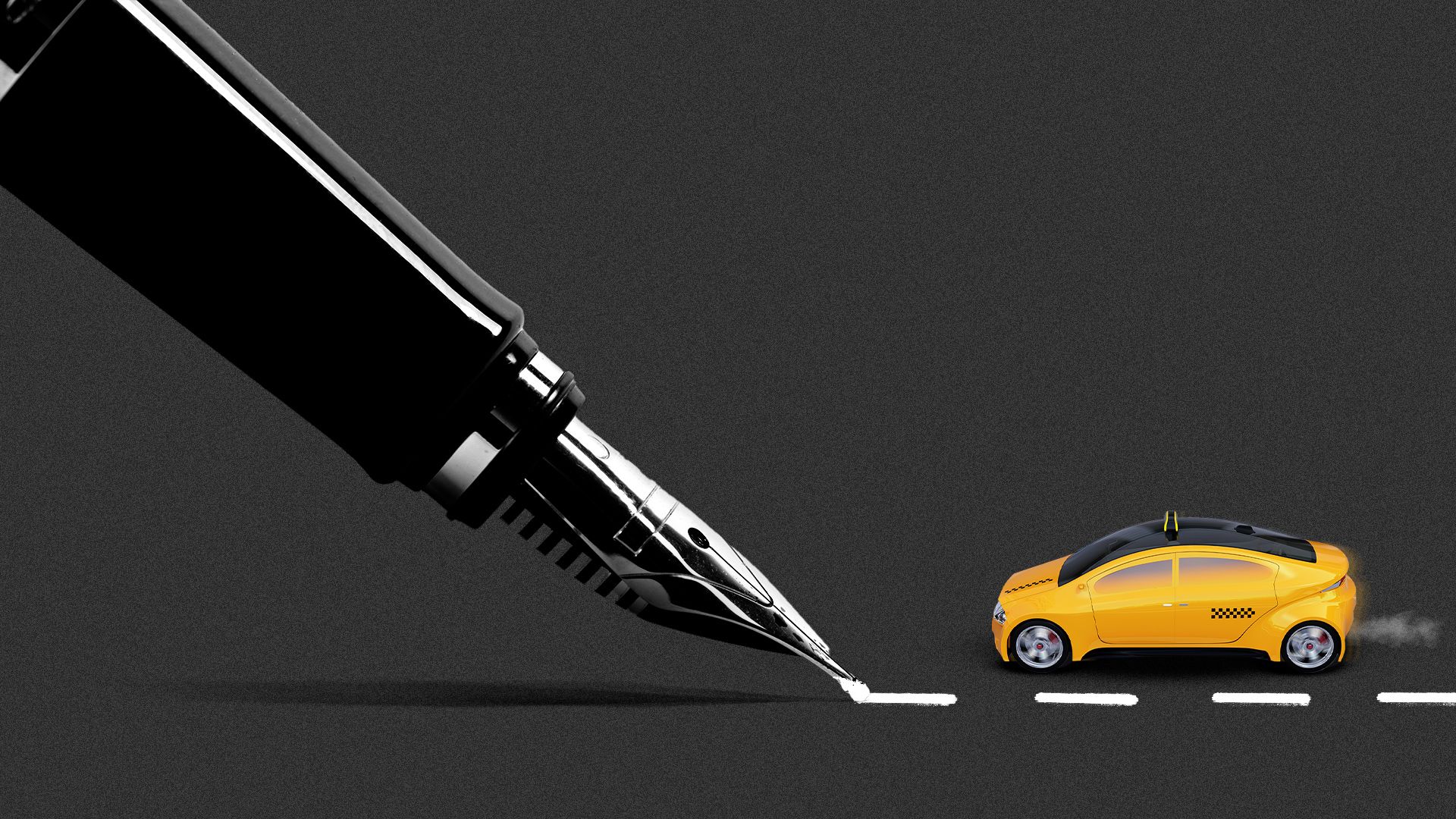
Illustration: Aïda Amer/Axios. Stock: Getty Images
Atlanta rideshare drivers are urging city and state lawmakers to curb the expansion of Waymo and other robotaxis and consider the technology's long-term economic impact.
Why it matters: A group of independent contractors who helped disrupt the taxicab business model is now organizing to push back against automation.
Driving the news: The Atlanta Rideshare Drivers Union says drivers have reported lower pay, longer waits between rides and fewer fares since the June 2025 rollout and expansion of Waymo.
Zoom in: On Wednesday, Liza Ramsey of the ARDU told Atlanta City Council members that drivers want the elected officials to create a robotaxi impact fee that would add 50 cents to $1 per ride.
- Revenue would go into a "driver transition fund" to assist with job training, grants and programs to help displaced workers.
- "If corporations profit from replacing human workers with automation, they should contribute to helping those workers transition to the next opportunity," Ramsey said.
The group also wants city and Hartsfield-Jackson Atlanta International Airport officials to prohibit robotaxis from picking up people at the airport, a reliable source of rides for human drivers.
- Other policy ideas include caps on robotaxi deployment and more data reporting.
Caveat: The union does not have aggregated data showing the reported decline in income, Ramsey said, but members share anecdotes and screenshots of earnings in a WhatsApp group.
- Higher gas, insurance, maintenance and other costs could also play a role, Ramsey said.
State of play: Waymo is no longer a small experiment in Atlanta: Its vehicles logged more than 5.4 million fully autonomous miles here through March, and the company plans to launch its own app serving the market in early 2028.
Reality check: Some of what the union wants requires state action, and Georgia law broadly permits autonomous vehicles.
The other side: Uber has advocated for a managed system that includes human drivers and AVs and supports the creation of a transition strategy for displaced workers.
- CEO Dara Khosrowshahi told Fast Company in June that the company is recruiting fewer human drivers in Atlanta and Austin, another city with Waymo, in part to protect workers' earning opportunities.
- He told the "Invest Like the Best" podcast that human drivers in those cities on the Uber platform are "making more money."
Waymo, which has offered to create a $20 million support fund for displaced drivers, argues that the technology will scale and help create a new ecosystem of jobs supporting AVs.