How Atlanta fared after hosting the 2026 FIFA World Cup

Add Axios as your preferred source to
see more of our stories on Google.
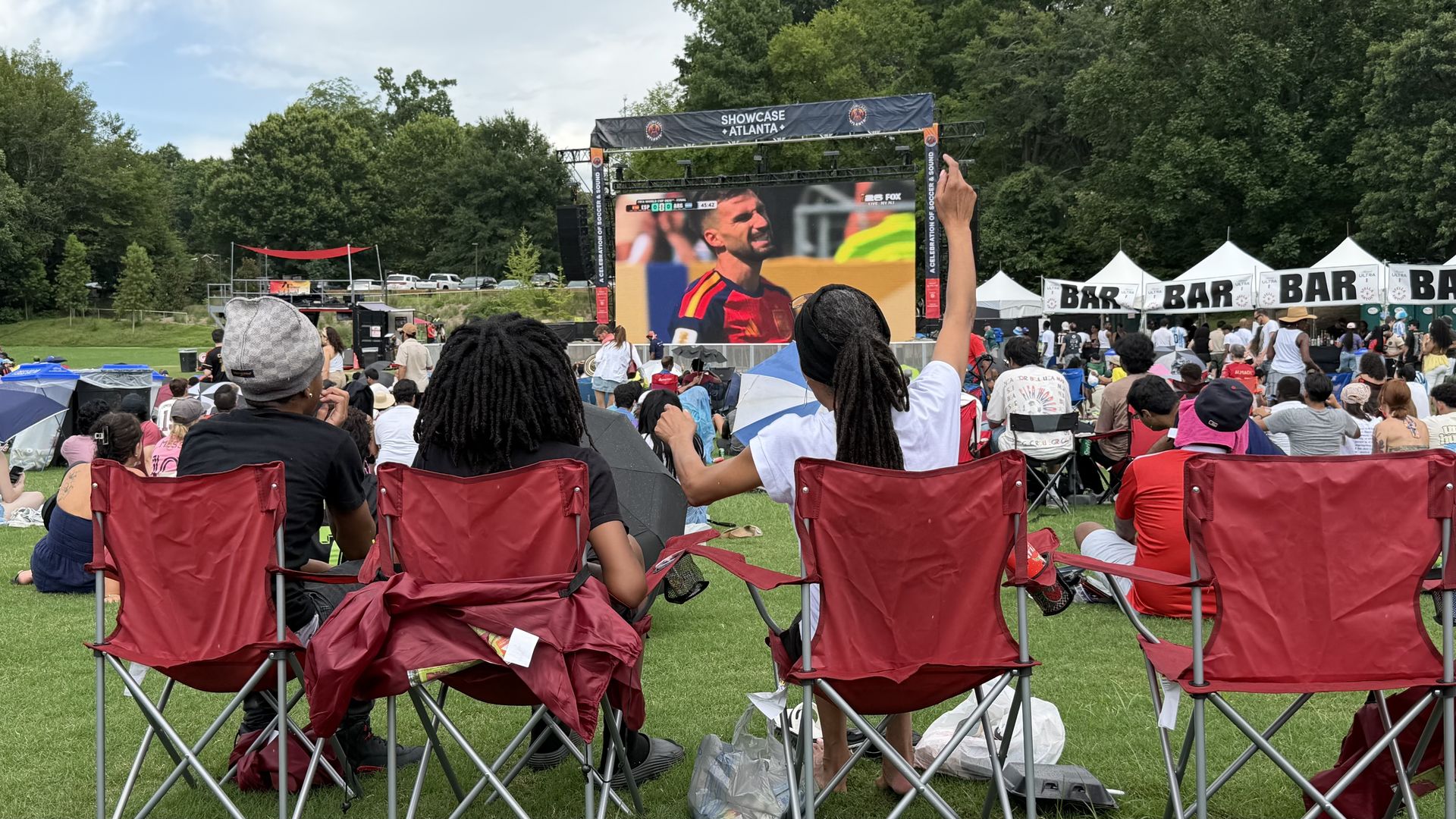
Piedmont Park had two large screens showing the final FIFA World Cup match on Sunday to thousands of people. Photo: Thomas Wheatley/Axios.
The final whistle has blown, the watch-party big screens have been packed away and Downtown bars are restocking empty coolers.
- The 2026 FIFA World Cup is over. So how'd Atlanta do?
Why it matters: Local government, civic and business leaders spent 18 months preparing to welcome fans from around the world to enjoy the biggest event to hit Downtown Atlanta since the 1996 Summer Olympics.
🚇 Public transit: MARTA riders made 4.66 million trips on the rail system during the World Cup, the agency reported — 1.6 times the typical amount during the same time period in 2025.
- Barring a mechanical issue that left riders stranded after the June 27 Uzbekistan-Democratic Republic of Congo group stage match, MARTA avoided a major disruption or systemwide failure.
📣 Match day vibes: The official Fan Fest in Centennial Olympic Park welcomed more than 500,000 people during the World Cup, according to the Atlanta World Cup Host Committee — almost as many as the 544,516 who attended matches in Mercedes-Benz Stadium.
- Smaller watch parties across the metro helped bring the tournament's excitement to families who couldn't make the trek to Downtown.
💵 Economic impact: Visitors booked 442,000 hotel room nights from June 13 to July 16, according to Atlanta Convention and Visitors Bureau estimates. Occupancy fell 4% compared to the same time period in 2025, but revenue per available room increased 11%.
- Some soccer bars, restaurants and attractions drew large crowds and tourists in jerseys were a common sight at the King Center, Ponce City Market and the Atlanta Beltline.
- The ACVB invited nearly 100 potential convention clients, the AJC reported. William Pate, the organization's CEO and president, told the outlet those relationships could translate to roughly $2 billion in business over the next five or six years.
Friction point: 30 vendors involved in a city-backed small business program are seeking compensation after saying the much-hyped windfall never reached them, the AJC reported. One said he invested nearly $130,000 and earned less than $1,000.
🏡 Community benefits: Mariah Parker, a member of the Play Fair ATL coalition, which advocated for Atlanta to protect residents from potential displacement due to the World Cup, told Axios the city was one of the best hosts for the tournament.
- However, the organization will spend the coming weeks talking with workers, residents and small business owners about the benefits they saw.
🏟️ Venue: Mercedes-Benz Stadium strengthened its reputation as a world-class venue thanks to widespread praise from fans and media for its size, air conditioning and relatively affordable concessions.
🚨 Public safety: Before the semifinal, Atlanta police had reported at least 52 arrests or citations near World Cup venues involving offenses such as fighting, alcohol violations and disorderly conduct, according to WSB.
- The most common violation: vending without a license.
What we're watching: Whether Atlanta can convert a month of global attention into lasting gains for tourism, conventions, new businesses and Downtown improvements.