Local educator pushes back against book bans with free libraries and diverse literature

Add Axios as your preferred source to
see more of our stories on Google.
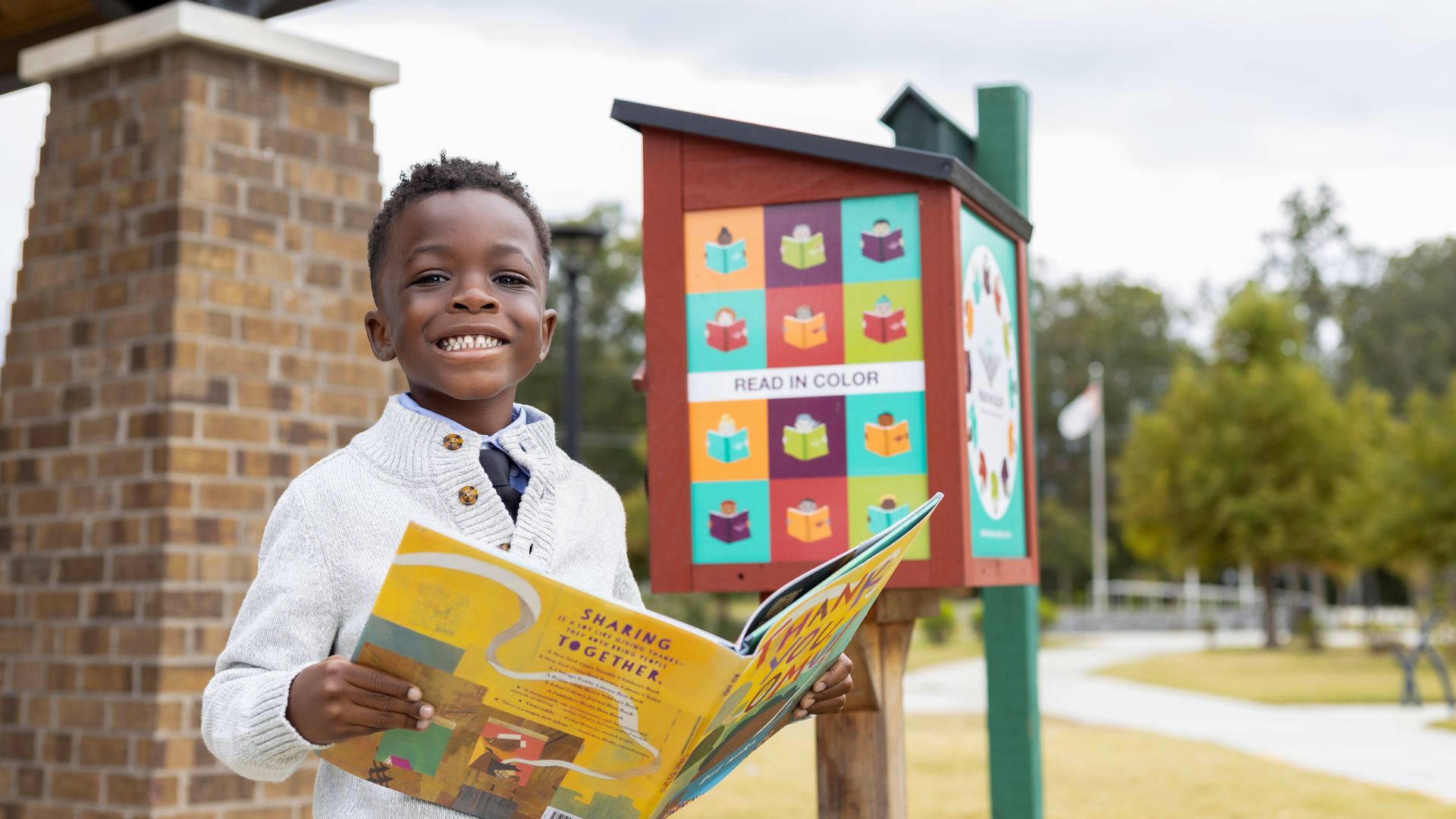
Photo credit: Family Literacy of Georgia, Inc.
Shavawn Simmons takes the fight against book bans personally, using her passion to fight censorship through literacy programs and Little Free Libraries.
The big picture: Simmons, a retired middle school teacher from Florida, grew up in a home filled with books and a deep appreciation for Black history, which her parents, both educators, instilled in her.
- Now she's working to make sure kids throughout Georgia have access to books that reflect their communities and identities — regardless whether those books have been restricted in public libraries or schools.
Zoom out: Since leaving teaching in 2016, Simmons has installed over 50 Little Free Libraries across Georgia, addressing "book deserts" in underserved communities.
- Each library starts with 30 books curated to reflect local demographics, emphasizing the representation of Black, Hispanic, and Asian voices.
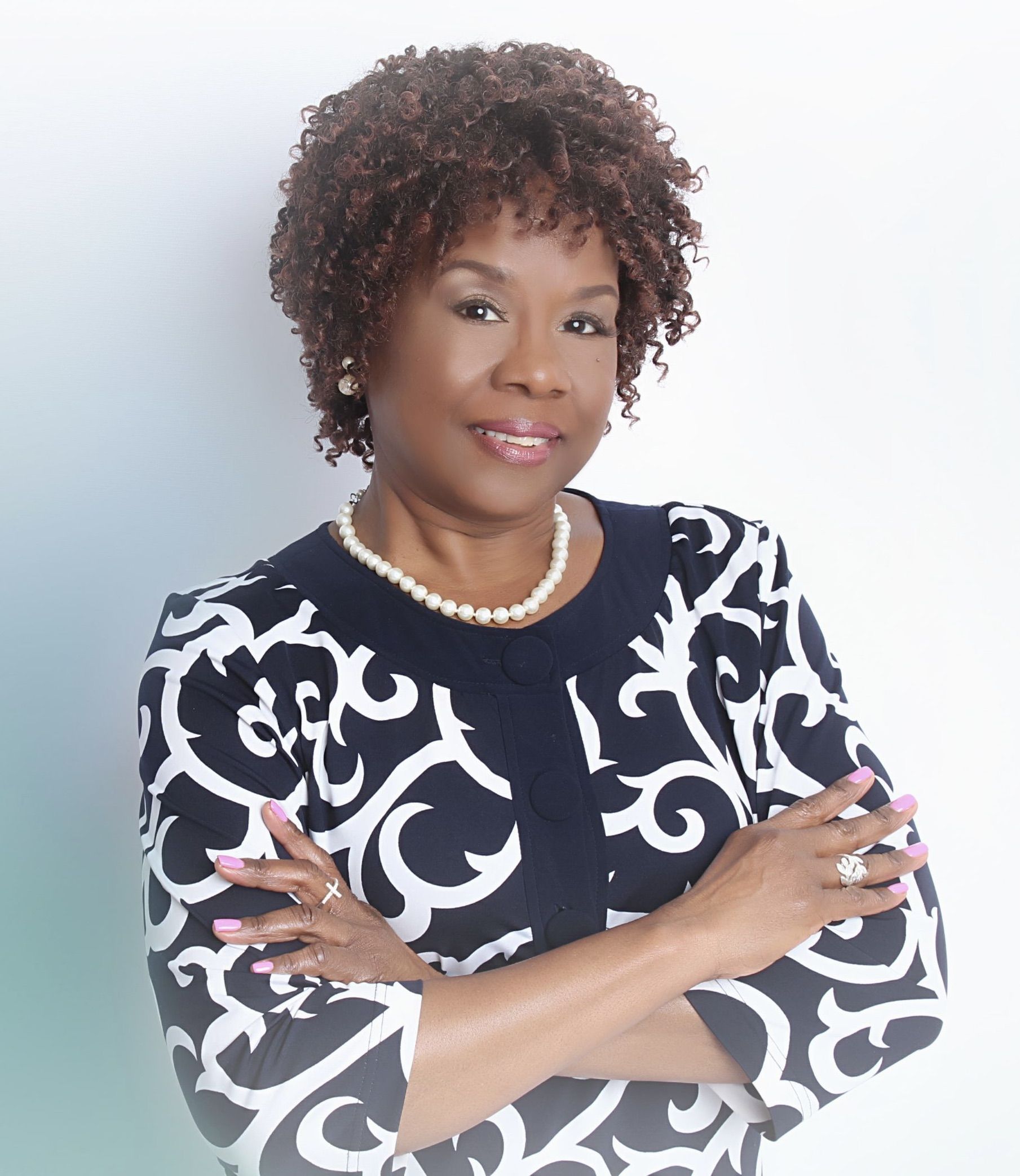
State of play: The rise in book bans inspired Simmons to action. Through grants and partnerships with organizations like Little Free Library and the Community Foundation of Greater Atlanta, she has made diverse literature accessible in nontraditional locations like parks, restaurants, and community hubs.
- Her work underscores a larger mission: empowering communities through stories that reflect their realities. "The goal," Simmons said, "is to create personal libraries at home, so no child is left behind in a book desert."
Zoom in: Simmons amplifies stories by Black authors, introducing communities to works like "Dear Martin" by Nic Stone, who is from Atlanta, and "Long Way Down" by Jason Reynolds.
- "These books are beautiful and on target," Simmons said. "It's heartbreaking to see fear of knowledge drive censorship."
Stone, whose "Dear Martin" is a frequent ban target, remains committed to ensuring diverse stories reach young readers. Her next book, "Dear Manny," which will be released in March, underscores the stakes of this moment.
- "Today, those trying to conserve racism are banning anti-racist books to keep people from understanding that racism still exists — and still harms people," Stone said.
- "I want kids who look like us to have stories that reflect their realities, even if the powers that be don't want them to."
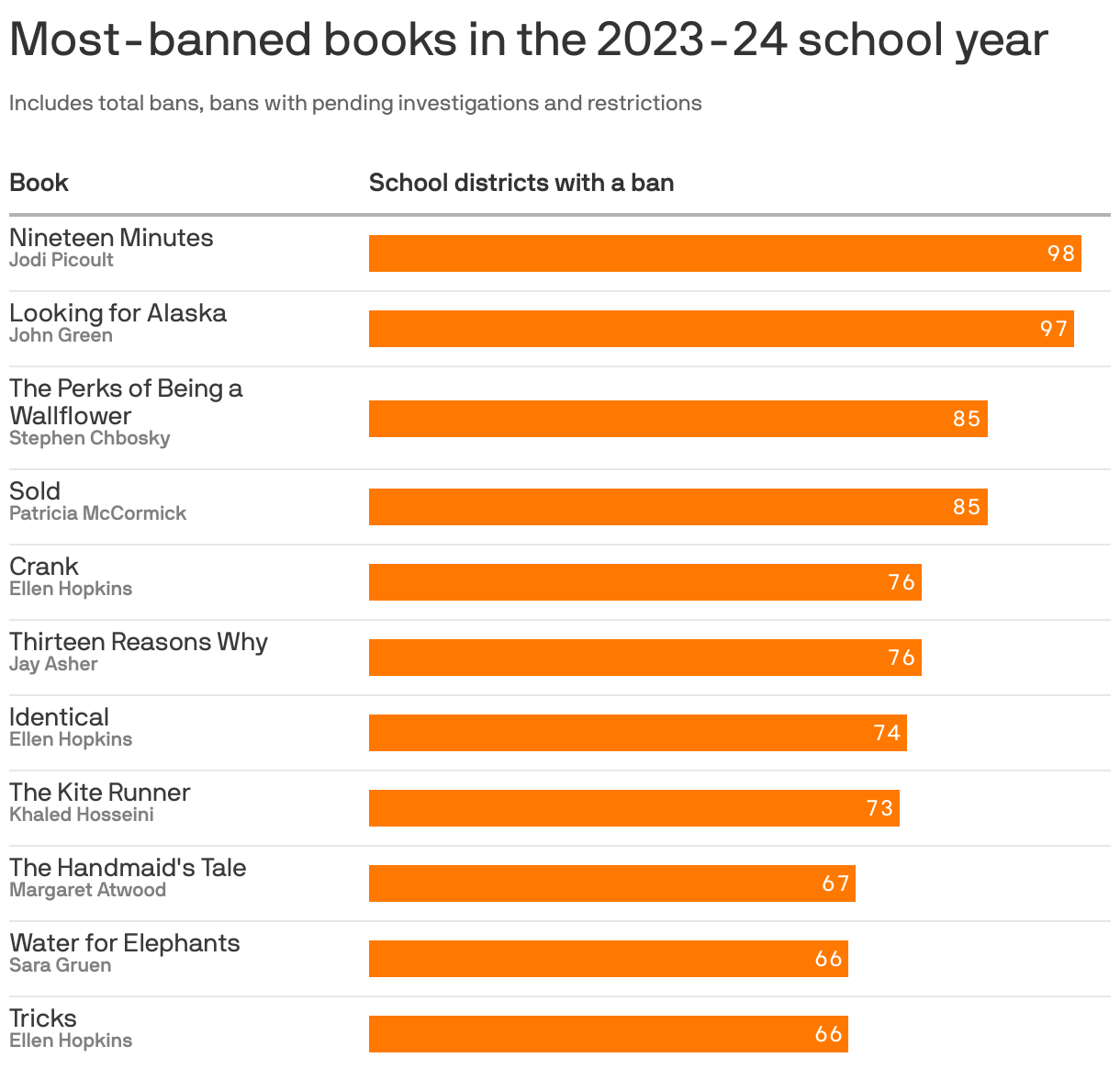
By the numbers: Book bans have surged nationwide, reflecting a growing effort to restrict access to specific titles.
- PEN America reported over 10,000 book bans in public schools during the 2023–24 school year.
- The American Library Association (ALA) tracked 414 challenges to library materials in the first eight months of 2024, targeting 1,128 unique titles.
Legislative efforts are intensifying, with states enacting laws that limit discussions on race, gender, and identity in educational settings.
- Georgia's Protect Students First Act (2022) prohibits teaching "divisive concepts" related to race and racism.
- Tennessee's Senate Bill 817 (2023) encourages reporting violations at public colleges.
- Alabama banned (2024) public institutions from having diversity, equity, and inclusion (DEI) offices and promoting "divisive concepts."
Deborah Caldwell-Stone, Director of the American Library Association's (ALA) Office for Intellectual Freedom, calls the surge in bans "an unprecedented campaign."
- "Many of these bans happen without anyone reading the books," she said. "It's about silencing voices."
Friction point: Communities are fighting back:
- Advocacy coalitions like Unite Against Book Bans provide resources to resist censorship.
- In New Jersey, advocates kept "Let's Talk About It: The Teen's Guide to Sex, Relationships, and Being Human" on school shelves.
- Students like Julia Garnett in Tennessee educate peers about fighting censorship and earning national recognition.
The bottom line: Despite challenges, activists, authors, and communities are steadfast in protecting intellectual freedom, ensuring diverse stories are not erased.
- "Every incident of government censorship is one too many," Caldwell-Stone said. "We must stand up for libraries and challenge censorship wherever it occurs."
Learn more: Unite Against Book Bans Toolkit