City Hall does a deep dive into Atlanta's LGBTQ+ history

Add Axios as your preferred source to
see more of our stories on Google.
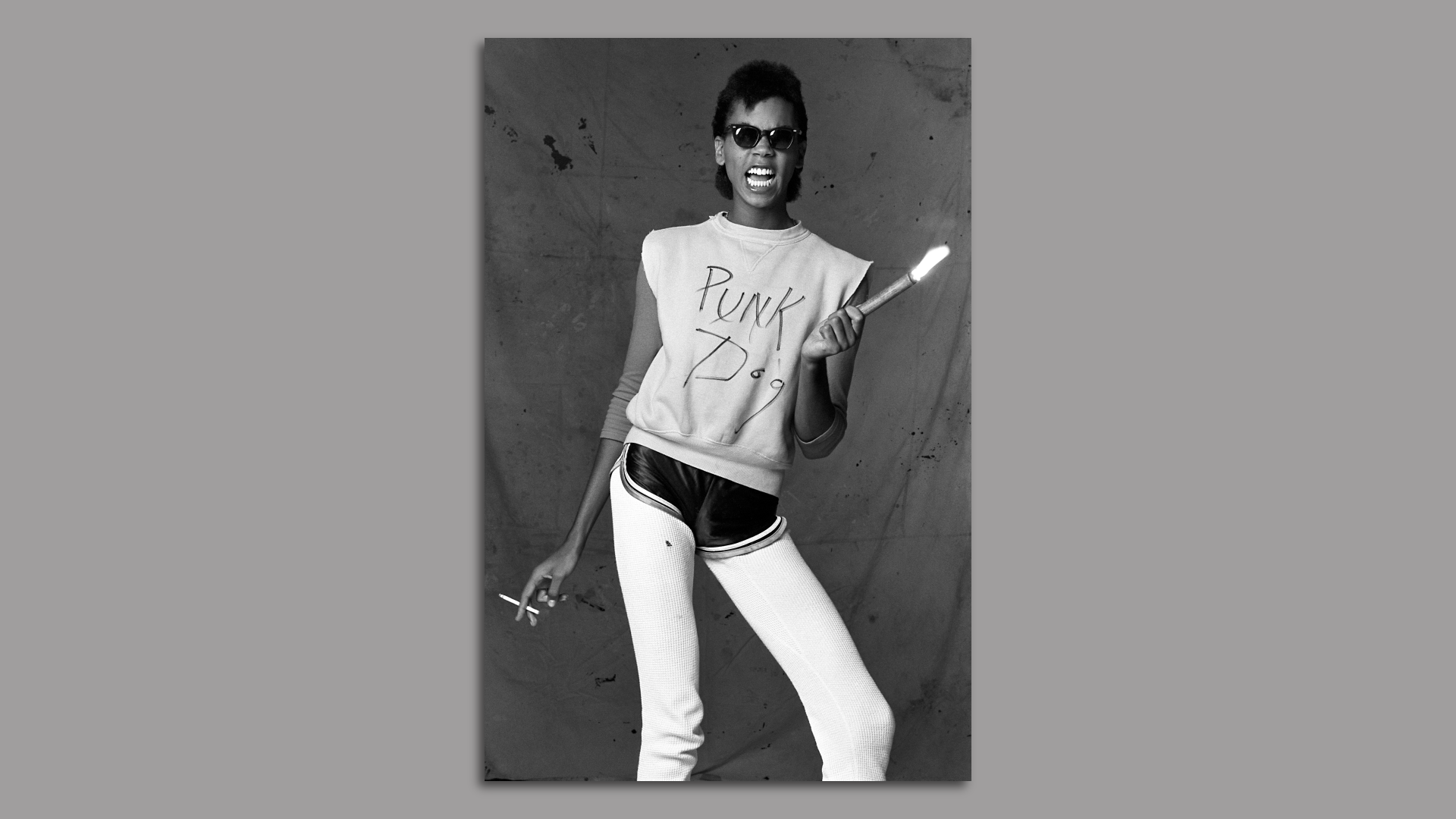
A young RuPaul in 1979 in Atlanta. Photo: Tom Hill/Getty Images
A mammoth new City Hall research document sheds light on people, places and events that shaped LGBTQ+ history in Atlanta.
Why it matters: LGBTQ+ people organized for action on the AIDS crisis, shaped neighborhoods like Midtown, and made Atlanta a more inclusive and welcoming place — often risking persecution or prosecution.
- Those moments, movements and achievements are worth remembering.
Zoom in: Produced by the city's department of planning and Historic Atlanta, the Atlanta LGBTQ+ Historic Context Statement is intended to help people identify and document places for historic protection.
- According to the authors of the 406-page report, "[t]o date, there has not been a property in Georgia listed in the National Register of Historic Places with a focus on LGBTQ+ significance."
Details: It's also a well-written document broken down by themes like social spaces, political activism, "neighborhoods and enclaves" and more.
- You'll find rundowns and sidebars on the evolution of drag, LGBTQ-friendly and long-gone restaurants like Gallus, and Atlanta law enforcement's policing of sexuality.
Among the tidbits of information in the report:
- The earliest documented performance by a female impersonator in Atlanta took place at the 1895 Cotton States and International Exposition in Piedmont Park.
- A gay-affirming religious institution called the Eucharist Catholic Church held its first service in 1946 in downtown's Winecoff Hotel, which later famously caught fire.
- RuPaul got his "dragucation" watching performers at the Midtown club Illusions' Monday Night Madness events.
Of note: The phrase "no longer extant" appears roughly 200 times in the document, a reminder that so much of the city's history is no longer standing.