S.C. county nixes golf course on Gullah Geechee land

Add Axios as your preferred source to
see more of our stories on Google.
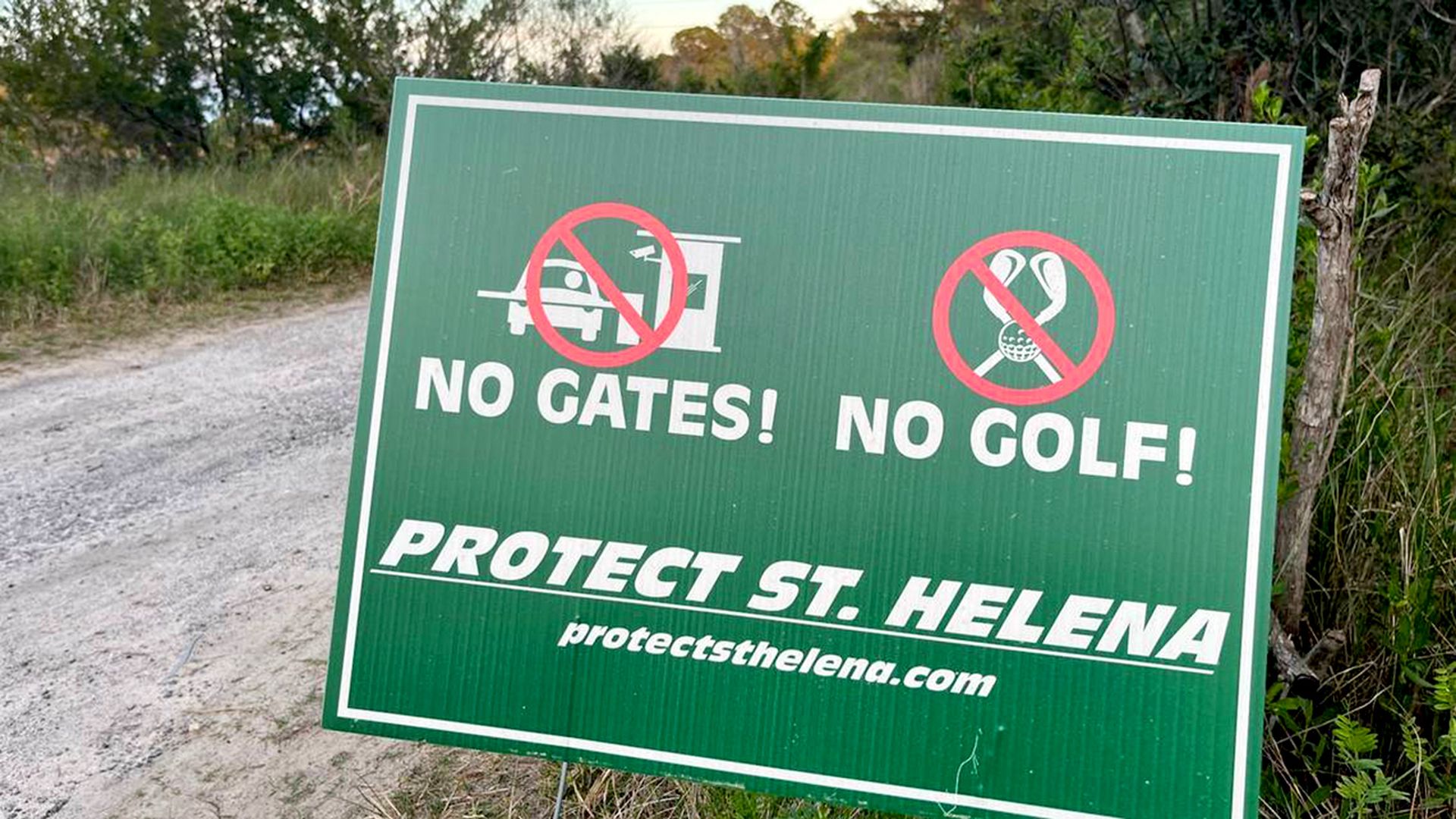
Photo: Coastal Conservation League
Local officials on a South Carolina island rejected a property owner’s request to build a golf course and gated community on land advocates say is important for the survival of Gullah Geechee culture.
Driving the news: The Beaufort County Council on Monday denied developer Elvio Tropeano’s petition to remove a cultural protection overlay on 502 acres on St. Helena Island.
Why it matters: The island, which is near Georgia’s border, is home to significant Gullah Geechee and civil rights history.
- It is home to the Penn Center, which in the 1860s became the first school in the South established for formerly enslaved Black people.
- During the 1960s, the campus served as a planning center for Martin Luther King Jr., John Lewis and other members of the Southern Christian Leadership Conference.
- It's designated as a National Historic Landmark District by the National Park Service.
What they’re saying: The Coastal Conservation League, which opposes the project, said late Monday in a press release that the Council’s decision reiterates what the "community has made abundantly clear through many hours of public hearings over the past six months: golf courses, resorts, and gated communities have no place on St. Helena Island."
- "We are grateful that Beaufort County Council listened to their constituents, their planning staff, a committee of council, and their planning commission and chose tonight to support community-based protections, drafted by and for St. Helena residents,” said Coastal Conservation League South Coast Office Director Jessie White in a statement.
- David Yoakley Mitchell, president of the Atlanta Preservation Center and Penn Center board member, told Axios that protecting the overlay "declares the contributions of St. Helena Island is guarded by those that know its significance."
The other side: Tropeano said Monday before the vote that his plans are designed to prevent displacement of residents, would reduce residential density by 60% and permanently protect over 85% of greenspace.
- Tropeano notes on his project’s website that the current zoning allows for more homes to be constructed on the island.
- "These aren’t threats, they are options," he said. "And I want to be able to discuss them more broadly with everybody in a manner that allows for pragmatic compromise."
What’s next: Axios emailed Tropeano for comments on his next steps, but did not hear back.