Tuesday's health stories







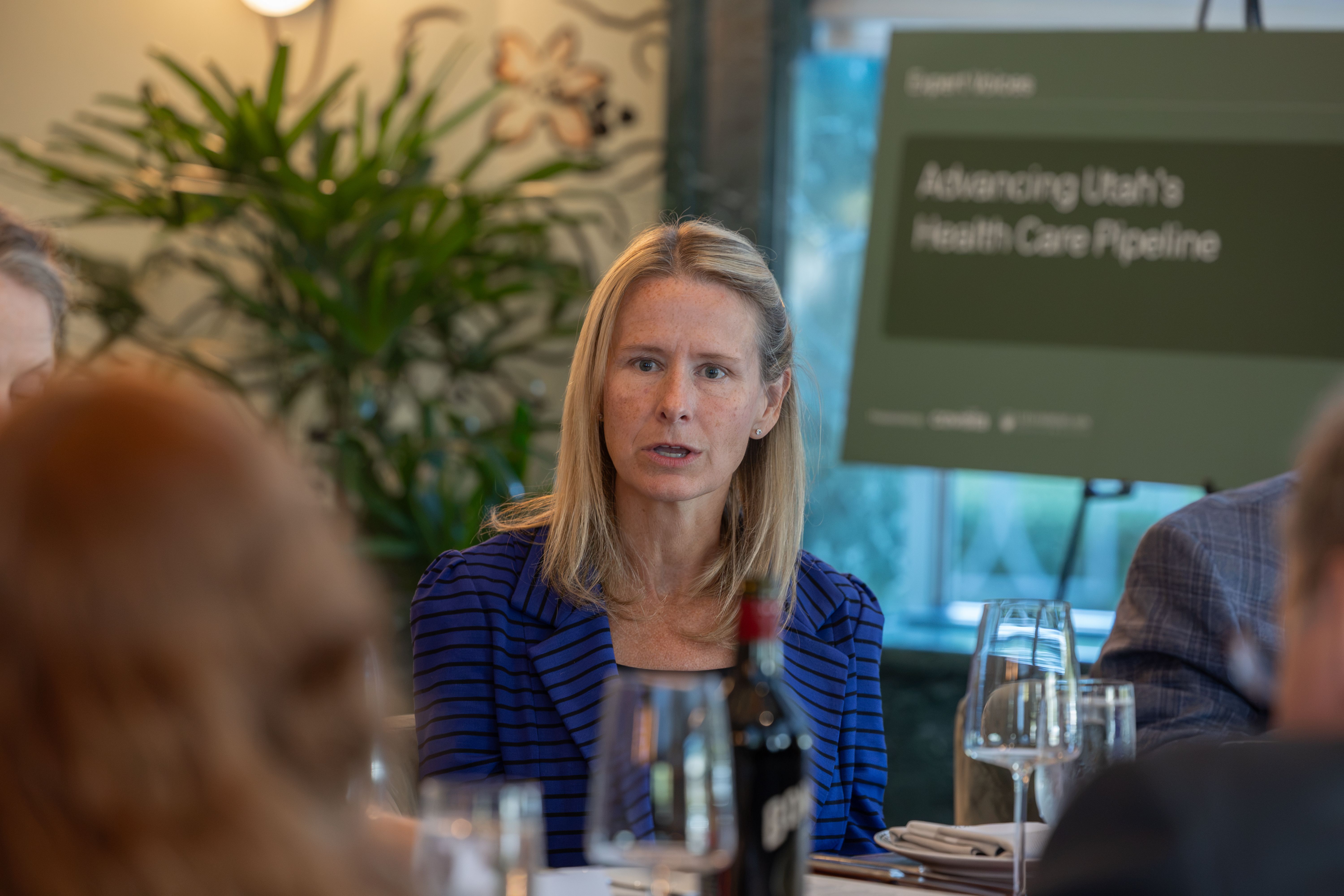
Axios Live: Utah's health worker shortage is more than a numbers problem

SALT LAKE CITY — Utah's health care workforce shortage reflects gaps in pay, clinical training and access to career pathways, local leaders said at an Axios roundtable.
Why it matters: As the post-COVID pandemic health care hiring boom slows down, shortages are disrupting provider capacity and creating more barriers in educating young health care workers.
Axios' Erin Alberty and Adriel Bettelheim moderated the roundtable. The Sept. 23 event was sponsored by Covista and Chamberlain University.
5 big takeaways from the conversation:
- Careers in health care feel "out of reach for a lot of people," said Proxima Careers COO Cameron Wright. "There is a need to create the vision of attainability."
- The large pool of low-paying health care jobs in Utah stems from a lack of unions and state support structures, said Association for Utah Community Health medical director Sarah Woolsey. "We can recruit lots of young people … [and] put them into those jobs, and they may not stay because it's not going to be a livable wage over time."
- Utah's major Medicaid shortfall could "steal resources that could otherwise be used to address critical shortages," said Evan Done, advocacy and public policy director at Utah Support Advocates for Recovery Awareness.
- High-quality job training is hindered by the wider workforce shortage, said CommonSpirit Health's director of operations Crystal Albrecht. "We don't have an adequate supply of experienced nurses to train those new nurses."
- Data investments are needed to study the state's health care employees, said Teresa Garrett, Utah Health Workforce Advisory Council Legislative Review Committee chair and co-lead of the Utah Action Coalition. "There's a lot that we don't know about what's going on in the health care workforce," she said.
Content from the sponsor's remarks:
During opening remarks, Chamberlain University president Amelia Manning said its new Utah campus is fortifying its nursing program to account for pressures created by shortages.
- "Chronic understaffing and challenges that nurses face at the bedside is really a critical part of what we need to be helping to prepare nurses for," Manning said.
Axios Live: Biotech experts want U.S. policy to keep pace with innovation

WASHINGTON — Innovation in health care treatments and drug development is prompting calls for U.S. policy to contend with the biotech sector's growth, said regulators, advocates and investors at an Axios event.
Why it matters: China's rapid advancements in biopharma are raising questions about America's global standing in the life sciences as policymakers weigh the industry's changes and the implications for national security, patient care and drug discovery.
Axios' Caitlin Owens and Emily Peck moderated the Sept. 23 roundtable discussion. The event was sponsored by Genentech.
5 big takeaways from the conversation:
- China's biotech growth is the result of a deliberate national strategy, said Caitlin Frazer, executive director of the National Security Commission on Emerging Biotechnology. "It is a very intentionally designed strategy by the [Chinese Communist Party] to dominate biotechnology."
- Regulatory barriers are hindering U.S. ability to compete with Chinese drugmakers, said Colin Rom, head of policy for Bio + Health at Andreessen Horowitz. "Until we compete on the regulatory side, they will continue to eat our lunch to some extent."
- Accelerating patient diagnoses and workforce growth should be deliberated alongside drug advancements, said National Organization for Rare Disorders CEO Pam Gavin. "We have to also prioritize the workforce to complement these investments that we need to make relative to national security."
- A "whole-of-government" approach is needed to coordinate a broader U.S. biopharma strategy that provides "a clear vision that says, 'This is what we're doing,'" said Raymond James managing director Chris Meekins. "There doesn't seem to be that coordination at the White House level."
- FDA leadership will play a role in the U.S. approach to drug development and competition with China. FDA deputy commissioner Grace Graham said President Trump's pick to lead the agency, Heidi Overton, "has a unique experience in management of running interagency processes and where to go with the speed … to get FDA policies done in the right way."
Content from the sponsor's segment

In opening remarks, Genentech senior vice president of public affairs and access Fritz Bittenbender said health care policy should be centered on patient care.
- "I think we have to go back and have a policy conversation that actually puts the patient at the center, and once you do that, I think answers to some of these questions become a lot easier."