A growing diarrhea outbreak has put fresh produce under scrutiny as investigators continue to search for the source of the crisis.
Why it matters: Investigators still haven't identified a common contamination source for the cyclosporiasis outbreak, limiting the guidance health officials can give consumers as the outbreak grows.
Taking GLP-1 drugs didn't materially improve diabetic patients' mental health, job or marriage prospects, a new working paper published by the National Bureau of Economic Research finds.
Why it matters: While the drugs' health benefits are well documented, there's been much less study of whether they improve other parts of people's lives.
Health insurers have spent the past year touting how they've cut pre-treatment review claims, but new data suggests that hasn't eliminated hurdles for patients and doctors.
The big picture: By only approving some, but not all, doctor-ordered care, health plans still can force physicians to revise treatment plans, delay procedures or leave patients paying more out of pocket.
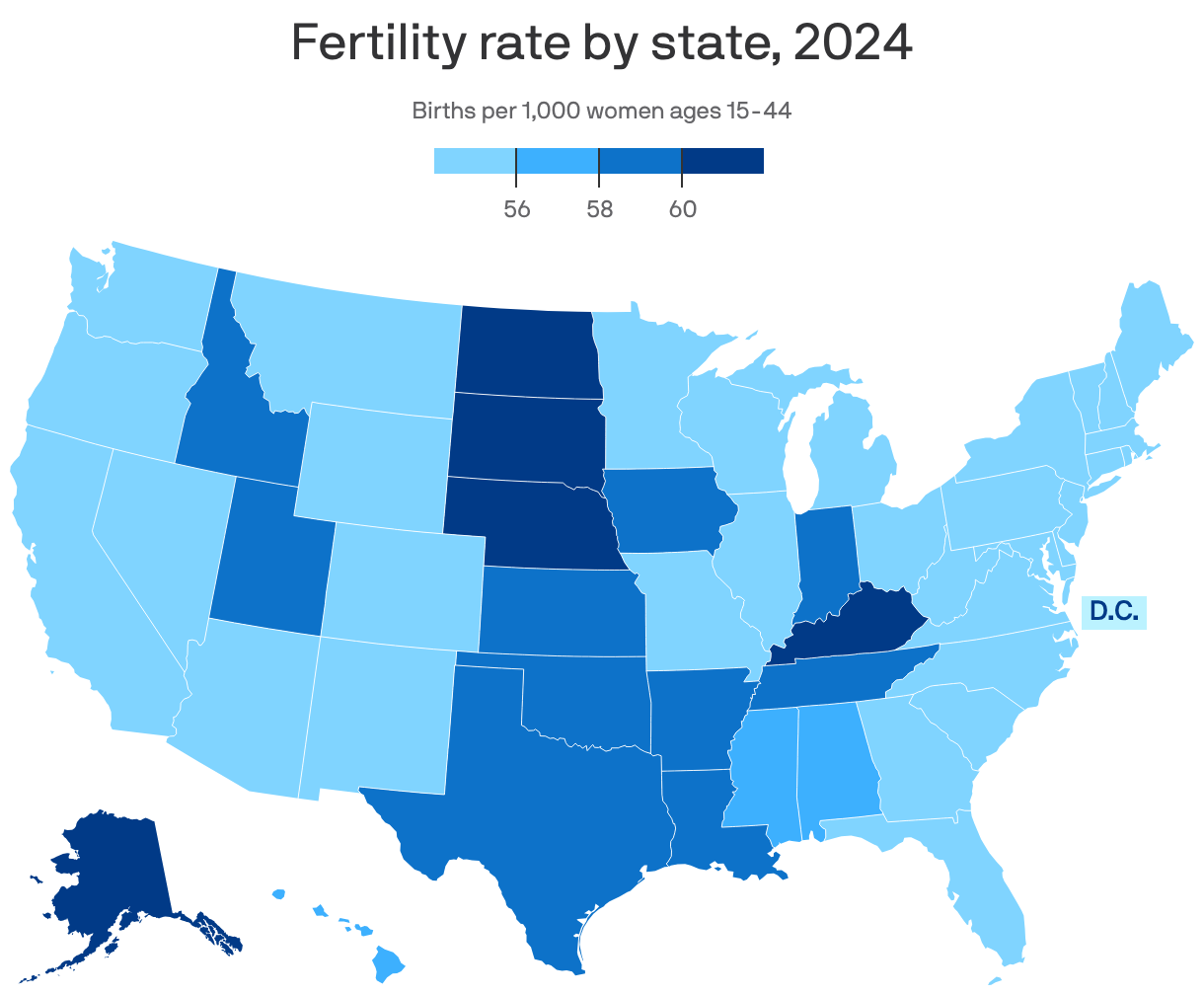
Despite a decades-long decline in U.S. fertility rates, a corridor of central Plains states — including North Dakota, South Dakota, Nebraska, Kansas, Oklahoma and Texas — continues to post higher rates than the rest of the country on average.
Why it matters: The national fertility decline isn't uniform, with a mix of demographic, economic and cultural factors at play.
The preliminary cause of death for Sen. Lindsey Graham has focused attention on aortic dissection, a rare but often fatal condition that can resemble other medical emergencies.
Why it matters: Aortic dissections can resemble heart attacks or pulmonary embolisms, but the conditions are distinct and require different responses.
Olive Garden is bringing back its popular Never Ending Pasta Pass for the first time since 2019, the chain announced Monday.
Why it matters: Restaurants are increasingly turning to subscriptions and limited-time value offers to build customer loyalty among budget-conscious diners.
A major change to how OB-GYNs are paid is coming, bringing the potential for improved maternal health — but also higher costs.
Why it matters: The U.S. has the highest maternal mortality rate among peer countries, and obstetrics units across the country have been closing in recent years due to staffing shortages and low margins.