UnitedHealth Group said it could suffer a blow of up to $1.6 billion this year from the far-reaching cyberattack on its payment processing subsidiary, but the health insurer managed to exceed expectations with first quarter earnings.
Why it matters: Ransomware attackers seized control of critical systems at the company's Change Healthcare business earlier this year, hurting patients' access to prescriptions and throttling payments to care providers.
A federal appeals court on Tuesday blocked a West Virginia law banning transgender girls from playing on sports teams that align with their gender identity.
The big picture: The 2-1 ruling bythe 4th U.S. Circuit Court of Appeals found that the ban also violates Title IX, the landmark 1972 legislation that bars sex-based discrimination in education.
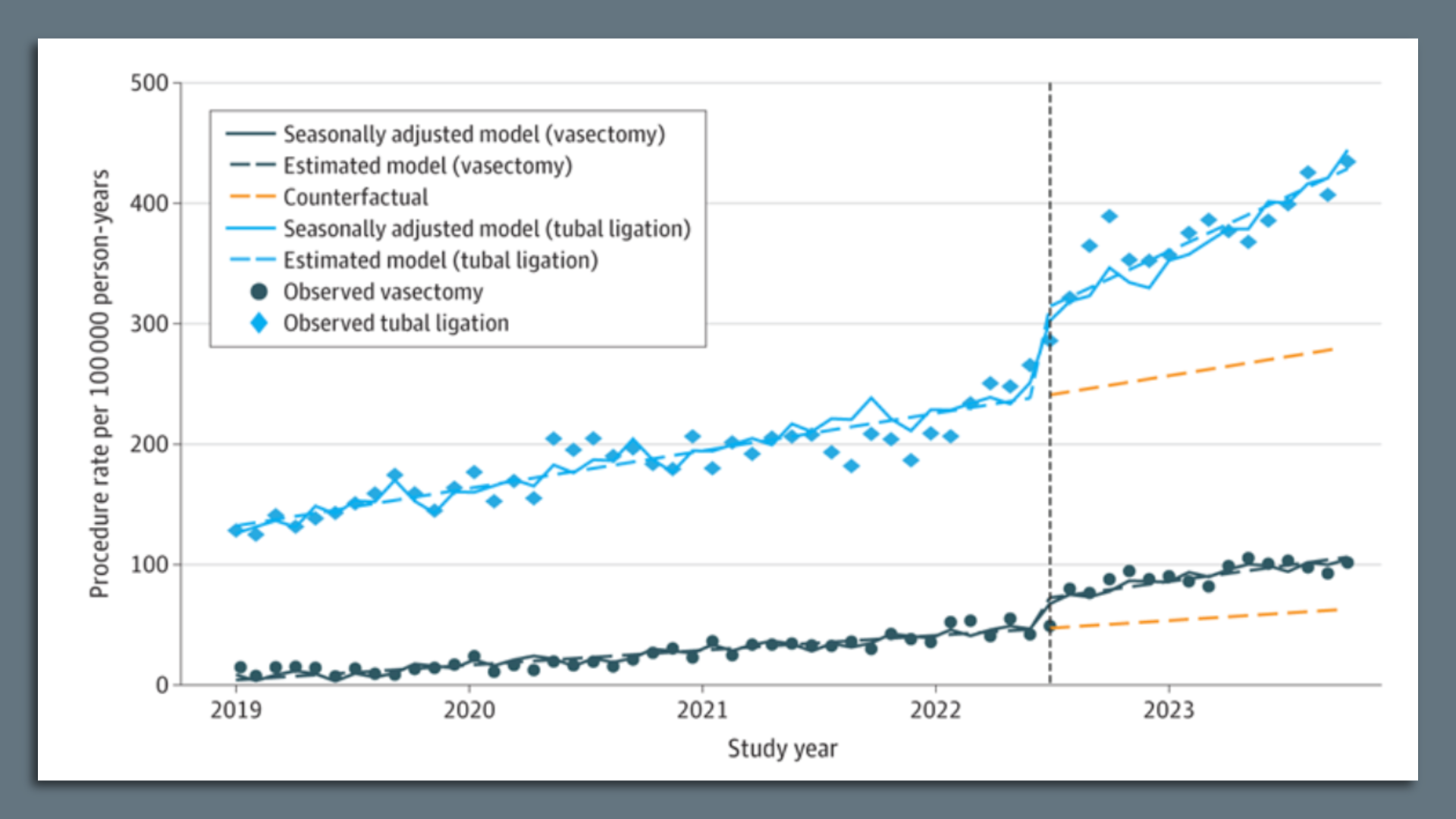
There was an "abrupt increase" in young adults opting for vasectomies and tubal ligations after the Supreme Court overturned Roe v. Wade in June 2022, according a study in JAMA Health Forum.
What they found: The University of Pittsburgh-led study found a particular jump in tubal ligations among women ages 18 to 30.
Prescribing of biosimilars for AbbVie's blockbuster rheumatoid arthritis drug Humira surged just over a week following a change in drug coverage by CVS Health.
Why it matters: It marked one of the first major efforts to push biosimilar adoption, Evercore ISI analyst Elizabeth Anderson told Axios.
Physician assistants have won the first round in an unusual push to rebrand themselves as physician associates. And doctors aren't amused.
Why it matters: The title change reflects PAs' growing prominence in the health care system amid a nationwide physician shortage, and dovetails with other efforts to increase PAs' autonomy.
The Supreme Court allowed Idaho to begin enforcing its ban on an array of gender-affirming treatments for transgender minors on Monday while the state appeals a lower-court ruling.
The big picture: Idaho is among 24 states with laws and policies prohibiting or restricting minor access to gender-affirming care.
The Biden administration has just weeks to finish health policy regulations on Medicaid, tobacco, reproductive care and other key areas, to avoid any chance of them being repealed by the next Congress.
Why it matters: If Republicans sweep the elections, a GOP Congress and president could roll back Biden's agenda using the Congressional Review Act, a 1996 law aimed at preventing "midnight rulemaking" late in a term.
A new generation of doctors struggling with ever-increasing workloads and crushing student debt is helping drive unionization efforts in a profession that historically hasn't organized.
Why it matters: Physicians in training, like their peers in other industries, increasingly see unions as a way to boost their pay and protect themselves against grueling working conditions as they launch their careers.
Four in 10 U.S. doctorssay they're ready to start using generative AI in their interactions with patients, according to a Wolters Kluwer Health survey shared first with Axios.
Why it matters: Most of those doctors said they'd changed their minds about the technology in the past year, showing a growing acceptance even as patients are still wary of it.