Former NFL player Demaryius Thomas, who died last December at age 33, was posthumously diagnosed with stage 2 chronic traumatic encephalopathy, his family said in a statement released Tuesday via the Concussion Legacy Foundation.
The big picture: Thomas, who was found dead in his home six months after his retirement, was suffering from depression, anxiety, panic attacks and trouble with his memory when he died, per CLF.
A judge in Mississippi on Tuesday denied a request from the providers asking to temporarily block the state's "trigger law" banning nearly all abortions, which is set to take effect on Thursday.
Driving the news: Jackson Women's Health Organization — Mississippi's only abortion clinic — sued state officials last month to challenge the ban, arguing that the right to an abortion is protected under state Supreme Court precedent.
"Trigger laws" that ban nearly all abortions will cause "grave and devastating harm" to providers and patients seeking potentially life-saving health care, physicians and doctors warn.
Driving the news: Plaintiffs in a case challenging Louisiana's trigger bans — which are temporarily blocked — filed a series of sworn affidavits from physicians in the state expressing concern that letting these laws take effect will be "detrimental" to patients in need of urgent care due to their "confusing" language.
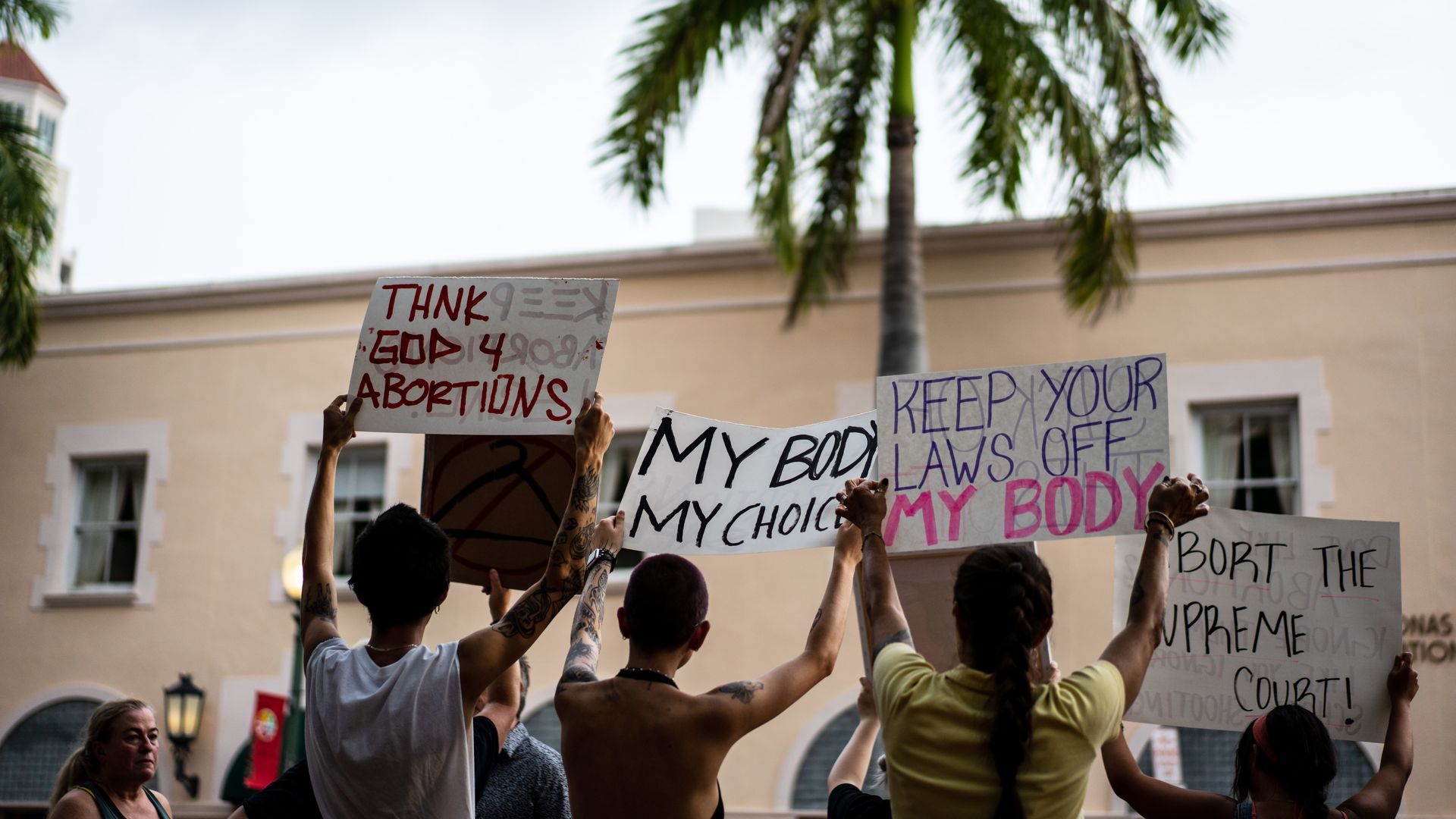
Minutes after a district court judge temporarily blocked Florida's 15-week abortion ban, state officials appealed the ruling, allowing for the law to take effect once more.
The latest: The law, which was signed in April, became active on Friday and was in effect over the weekend before being blocked on Tuesday by Leon County Judge John Cooper, who had declared the law to be "unconstitutional."
Addressing social needs like housing, food security and transportation could reduce hospital inpatient admission rates by 11% and emergency department visits by 4%, according to a study published in the Annals of Internal Medicine.
But, but, but: The cost of those interventions may be greater than the savings derived, the researchers found.
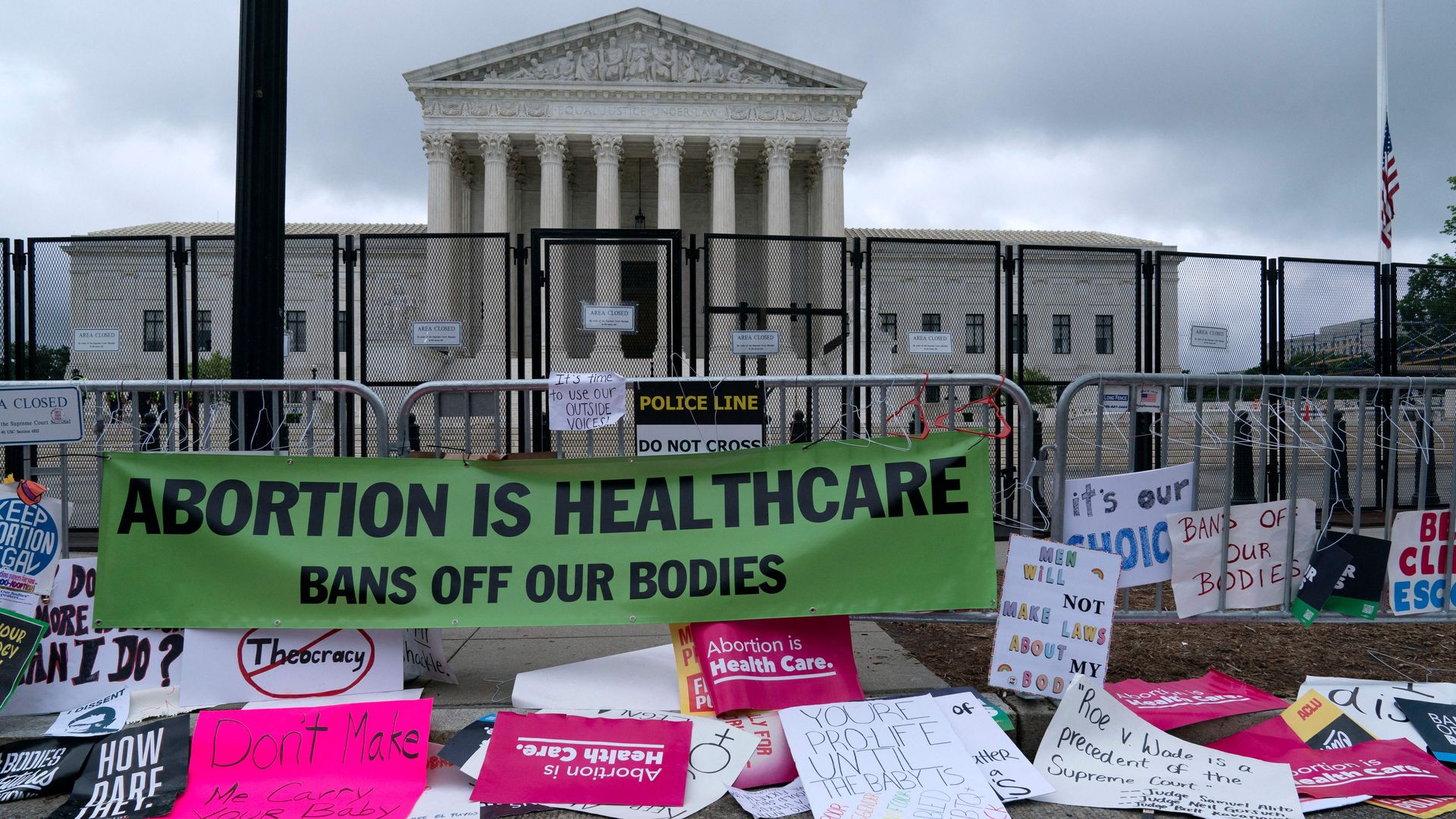
The six states with the highest maternal mortality rates in the nation each quickly banned abortion following the decision to overturn Roe v. Wade, fueling concerns about more children being born in areas with poor health outcomes and with fewer safety net programs for mothers and children.
Why it matters: U.S. women already were likelier to die during or after pregnancy than anywhere else in the developed world, and public health experts predict things will get worse in the post-Roe landscape as health providers weigh legal exposure against clinical decisions.