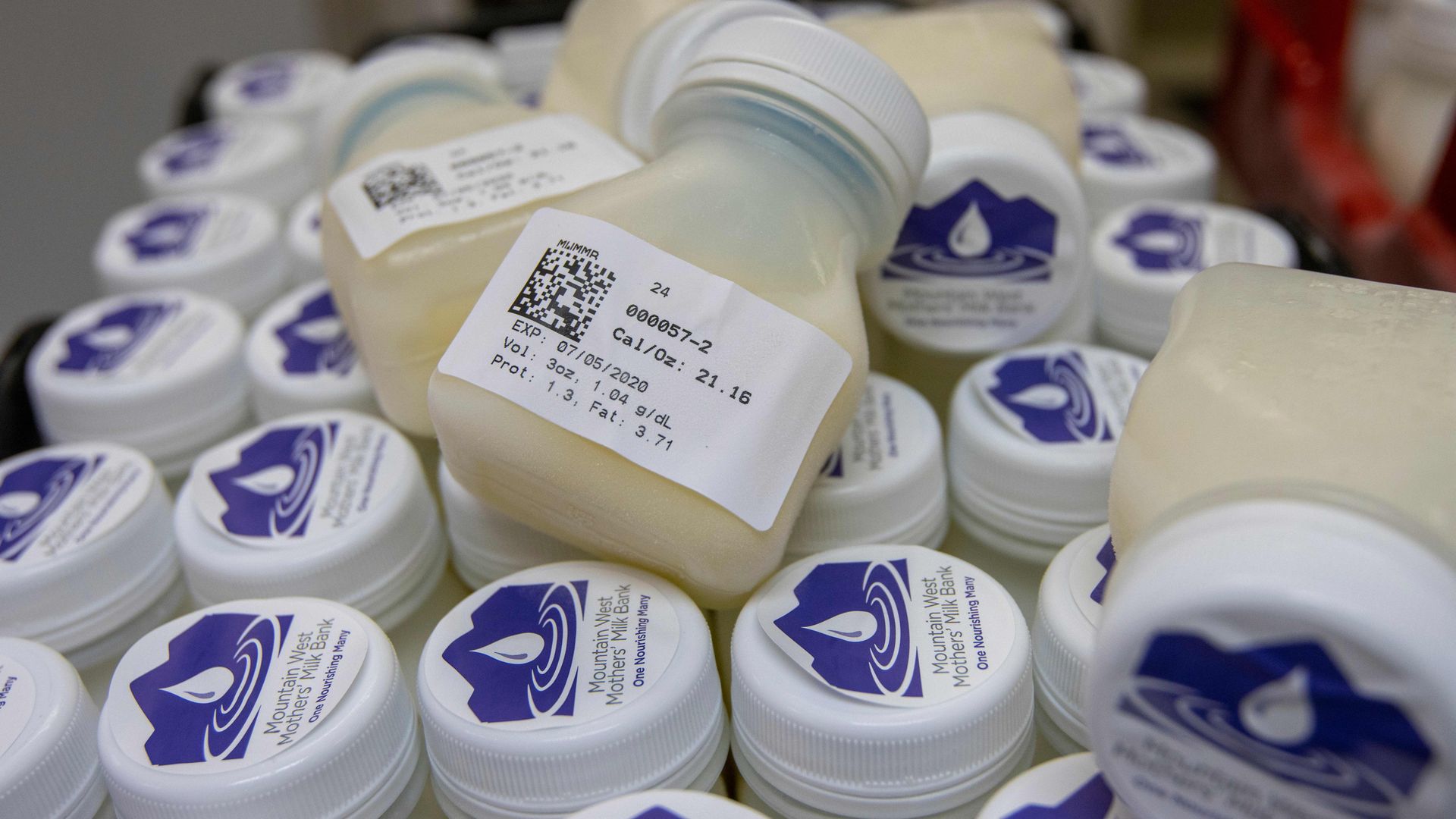
Americans are turning their attention to milk banks as the baby formula shortage has led to increased demand for milk in the United States.
Why it matters: Mothers have looked to donate breast milk to the milk banks to help struggling families, who are panicked by the shortage and seeking help from the milk banks to feed their infants.
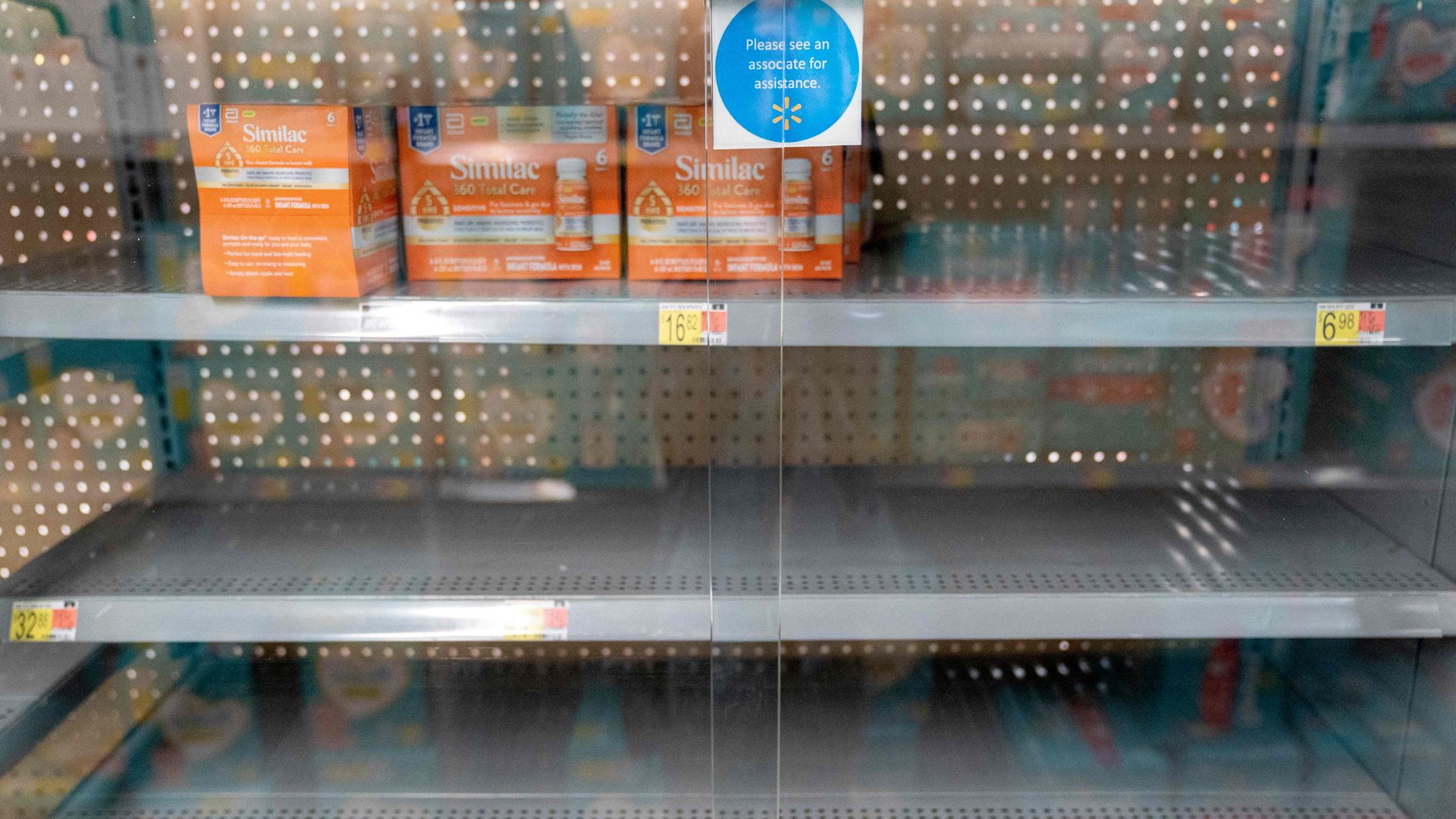
Abbott Nutrition said Friday it will continue to give low-income families the flexibility to purchase any available baby formula product in the months to come without state restrictions.
Why it matters: Abbott's commitment comes amid a nationwide baby formula shortage that has left families struggling to find the product.
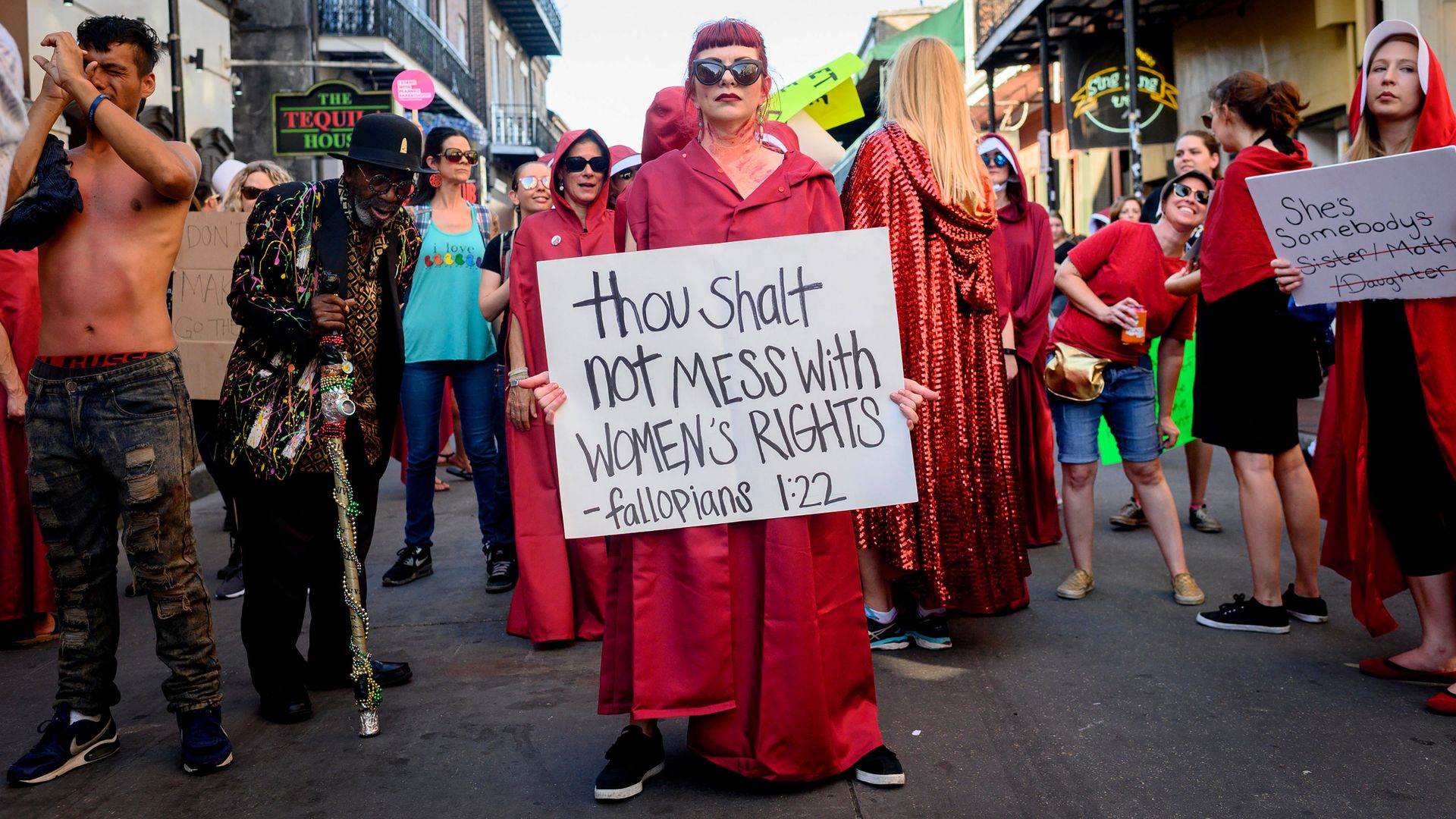
A Republican lawmaker in Louisiana on Thursday pulled a bill that would have allowed prosecutors to charge a person with homicide if they get an abortion — effectively ending the chance it would become law this legislative session.
Why it matters: The bill was different from most recent anti-abortion laws, which have focused on punishing abortion providers and people who help others obtain an abortion rather than the patient themselves.
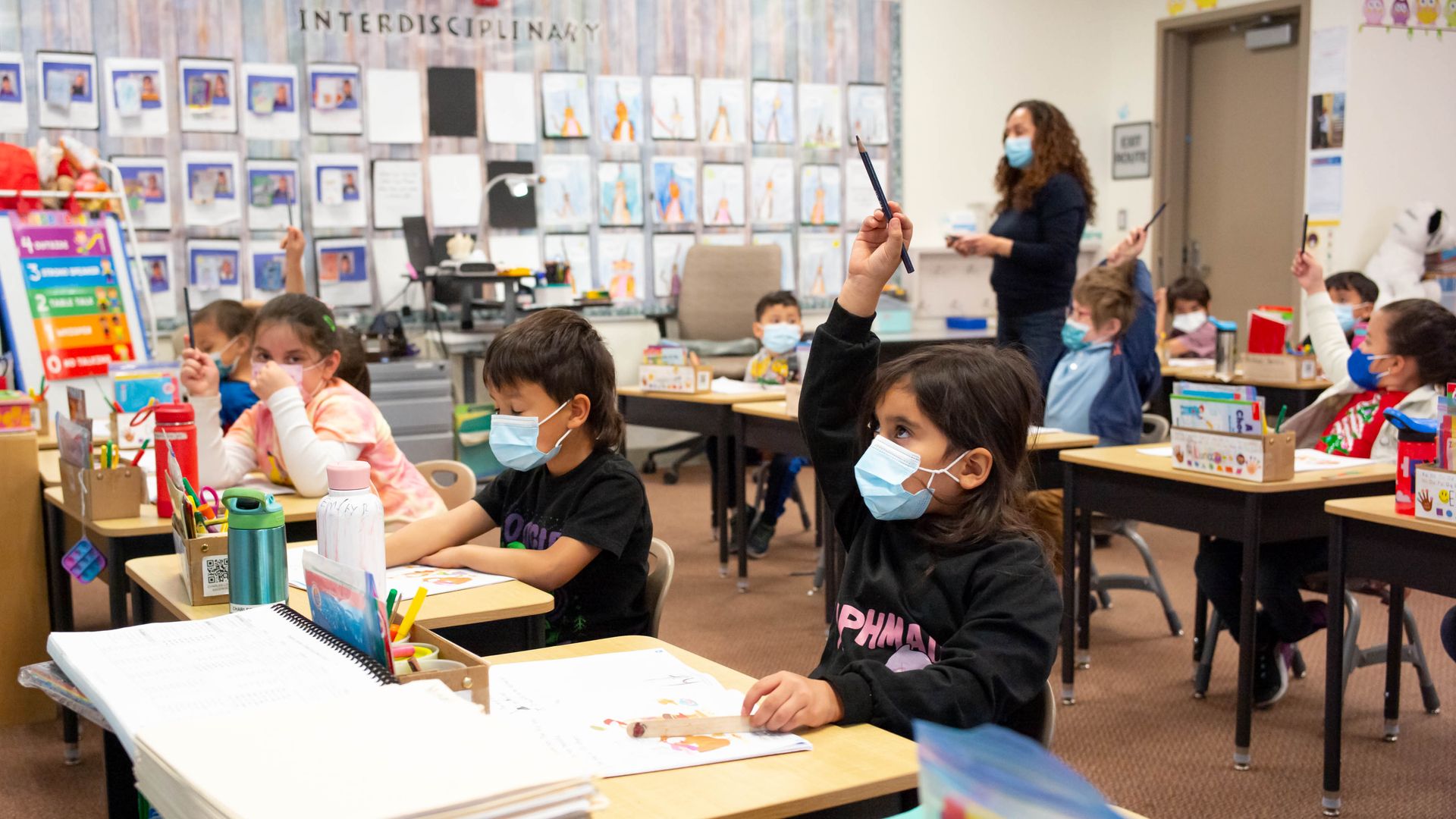
New programs in cities like New York, Chicago and London aim to combat the rising loneliness, anxiety and unhappiness that COVID-19 has caused.
Why it matters: Pandemic-related emotional problems have been linked to everything from higher crime to a rising teen suicide rate. While it's not clear how much a municipal mental health program can move the needle, a growing number of mayors — flush with pandemic relief funds — are willing to try.
Corporate America is facing a flurry of questions about how it provides health benefits in the wake of a leaked U.S. Supreme Court draft that indicates the federal right to abortion could be overturned.
Why it matters: Businesses hoping to use reproductive health benefits as part of efforts to recruit and retain employees would have to be careful not to run afoul of laws should states be allowed to ban abortions.