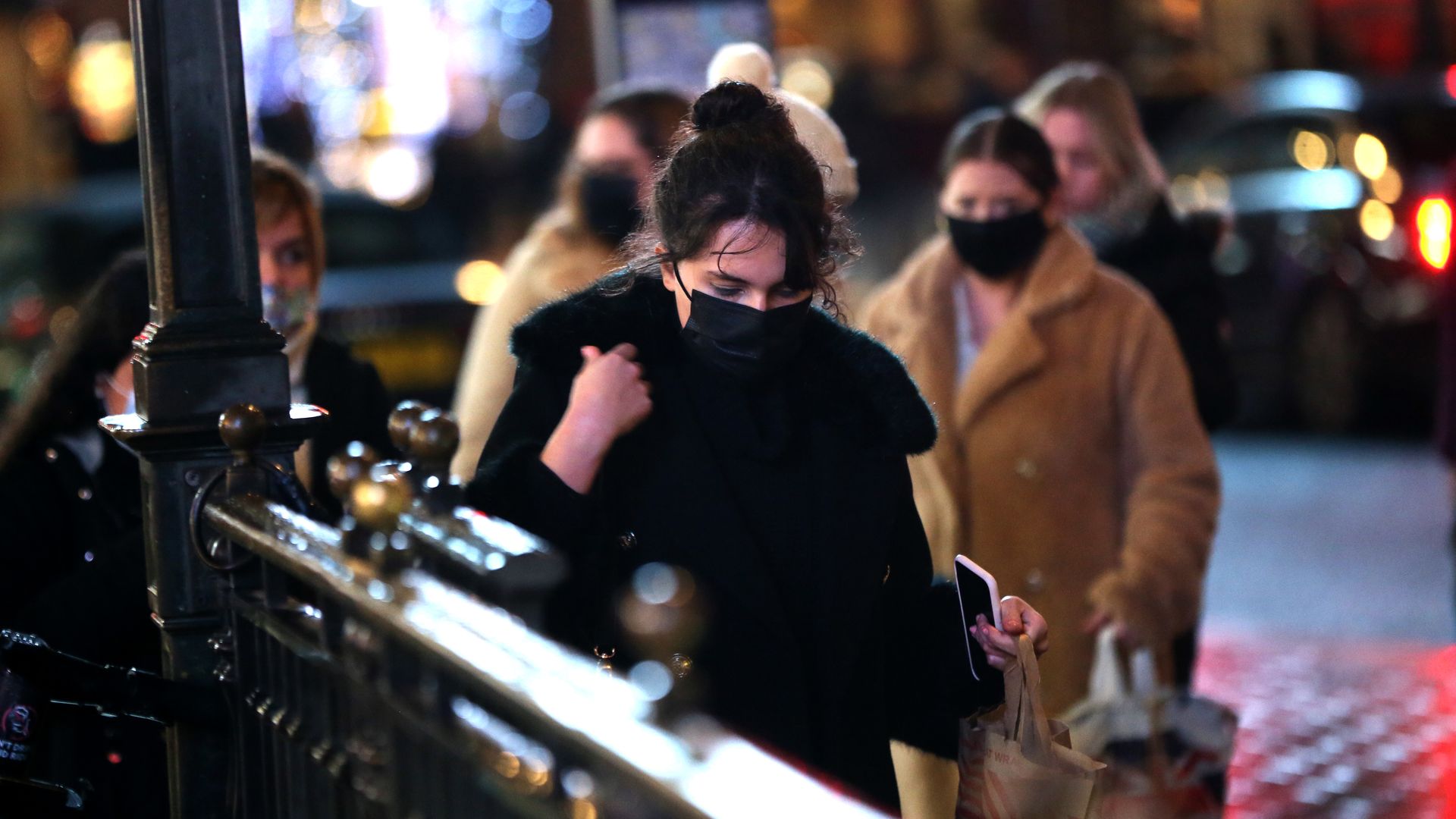
The U.K. government on Sunday raised its official coronavirus alert level, citing an increase in cases largely driven by the Omicron variant.
Why it matters: The country first detected the new strain late last month in two travelers returning from Southern Africa. In response, Prime Minister Boris Johnson reintroduced COVID-related restrictions to curb infections.
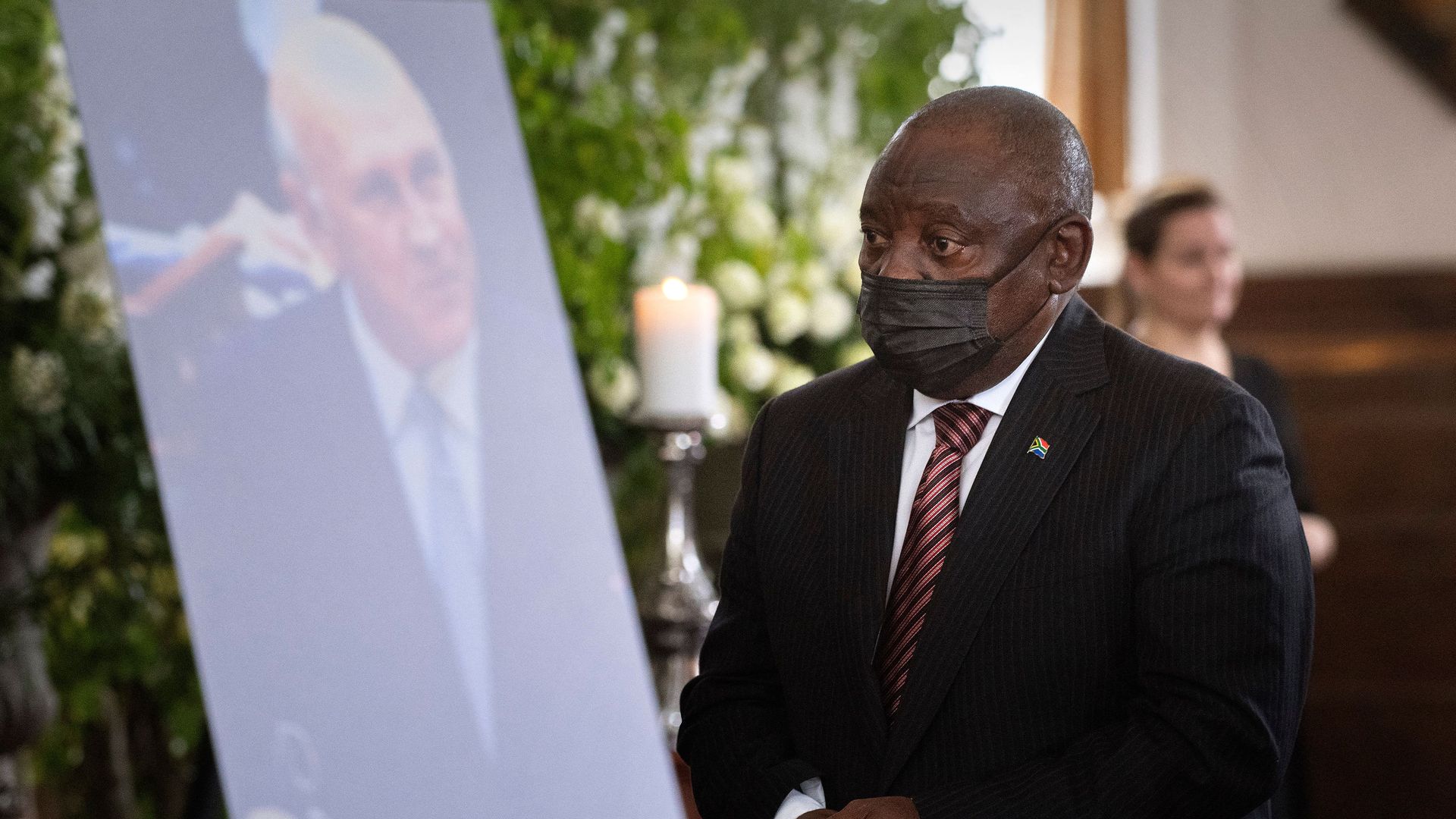
South Africa's President Cyril Ramaphosa tested positive for COVID-19 on Sunday and is being treated for "mild" symptoms, his office announced.
Driving the news: The government's statement did not specify whether the president has the Omicron variant though it did note that Ramaphosa, 69, is fully vaccinated and remains in "good spirits" as he self-isolates in Cape Town.
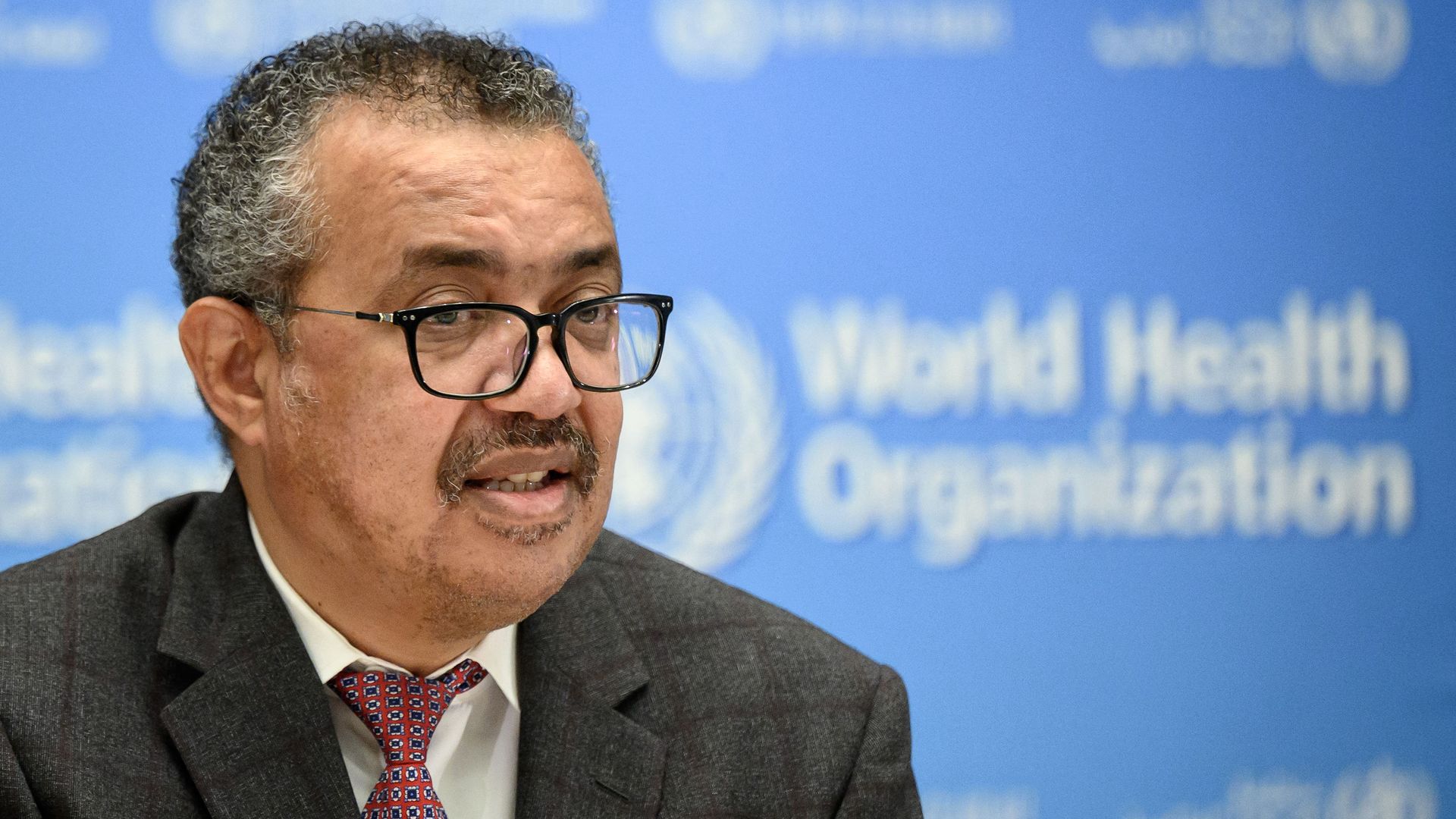
More than half a billion people globally were pushed into extreme poverty last year due to health care costs during the coronavirus pandemic, the World Health Organization and the World Bank said Sunday.
Why it matters: The pandemic exasperated global inequities in access to health care, according to the organizations. It also triggered the worst economic crisis since the 1930s, ultimately making health care harder for people to obtain.
NIAID director Anthony Fauci told ABC's "This Week" Sunday that urging Americans to receive a coronavirus booster shot will not contribute to global vaccine disparities.
What he's saying: "We're going to be boosting as many people as we possibly can," Fauci told host George Stephanopoulos. "But you can also simultaneously make doses available to the developing world, and the United States, quite frankly, has done more than all of the other countries combined."
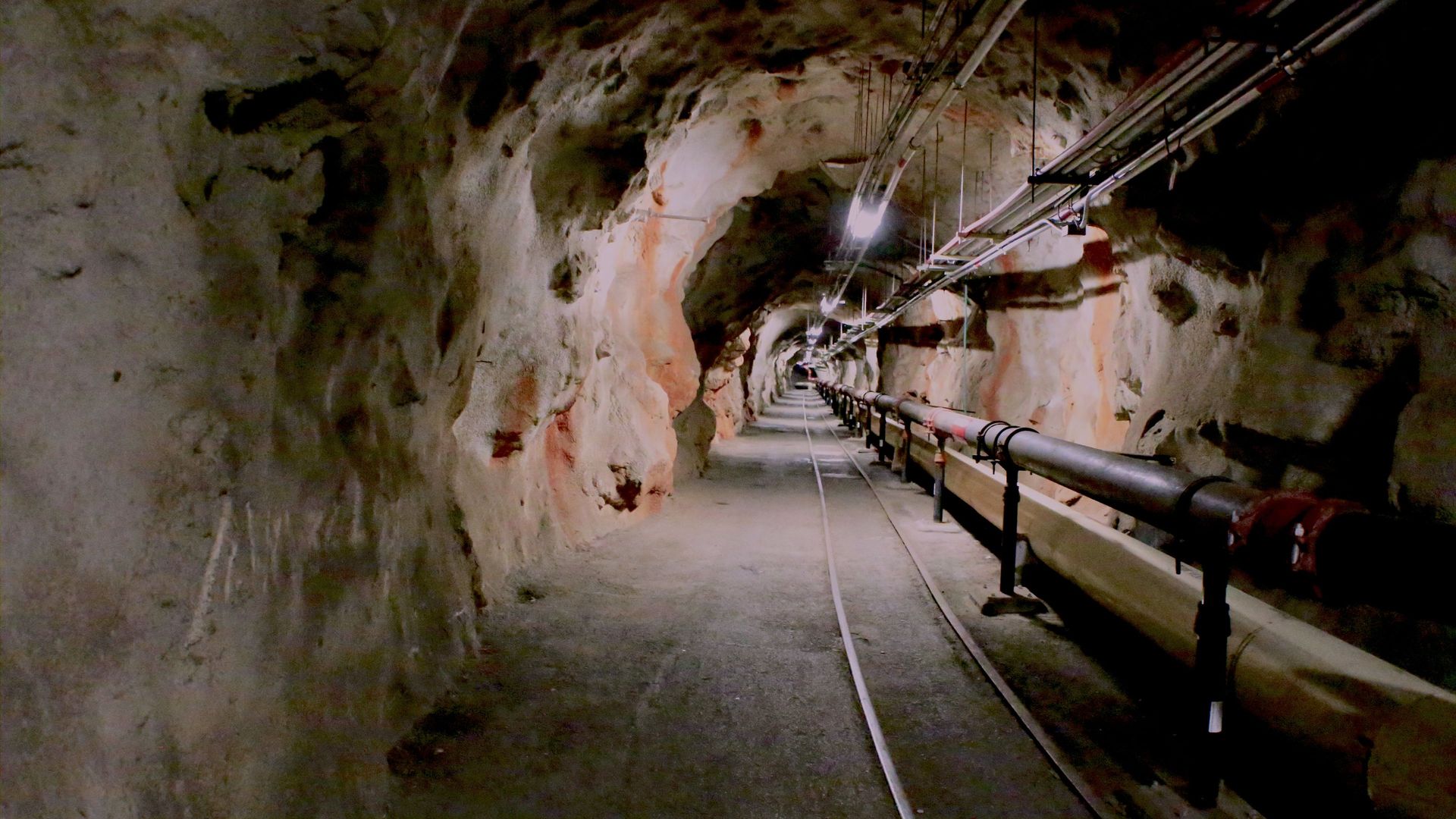
At Red Hill — a Navy fuel storage facility near Pearl Harbor, Hawaii — samples of drinking water bound for military families contained diesel fuel 350 times the safe level, the state announced Friday.
Why it matters: The Navy has been denying complaints by military families and other residents for weeks.