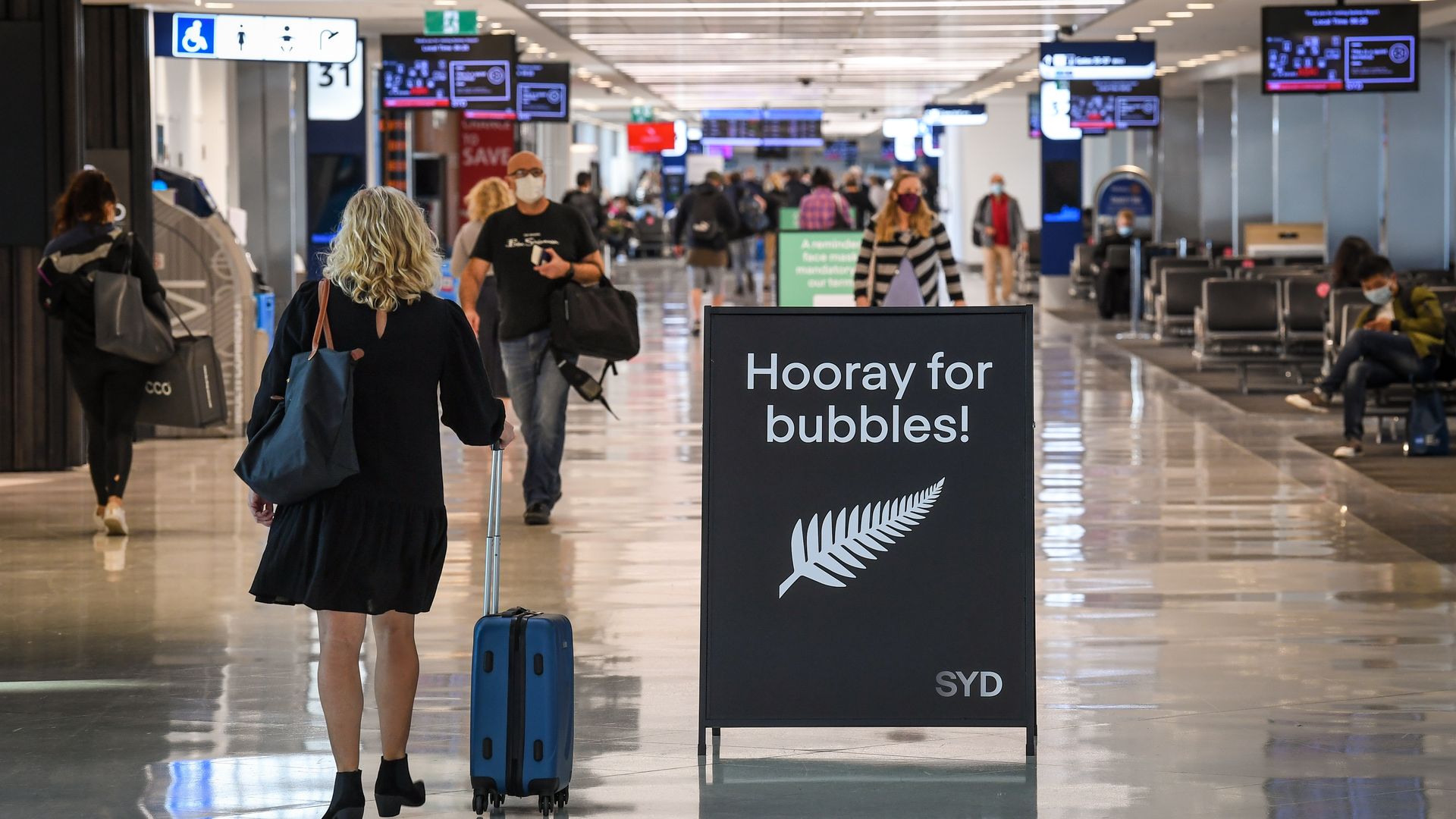
The Australian government said late Friday that its citizens and residents who have been in India within the past two weeks will be barred from re-entry starting Monday.
The state of play: Government officials said that anyone who disobeys the ban will face fines and up to five years imprisonment, making it the first time Australia has made it a criminal offense for its citizens to go home, per Reuters.
The Food and Drug Administration on Friday approved a higher dose of naloxone hydrochloride nasal spray to reverse the effects of opioid overdoses.
The big picture: "Experts and patient advocates say the more potent medicine is needed because low-dose naloxone sprays and injections sometimes must be given multiple times to keep someone alive until medical help arrives," AP writes.
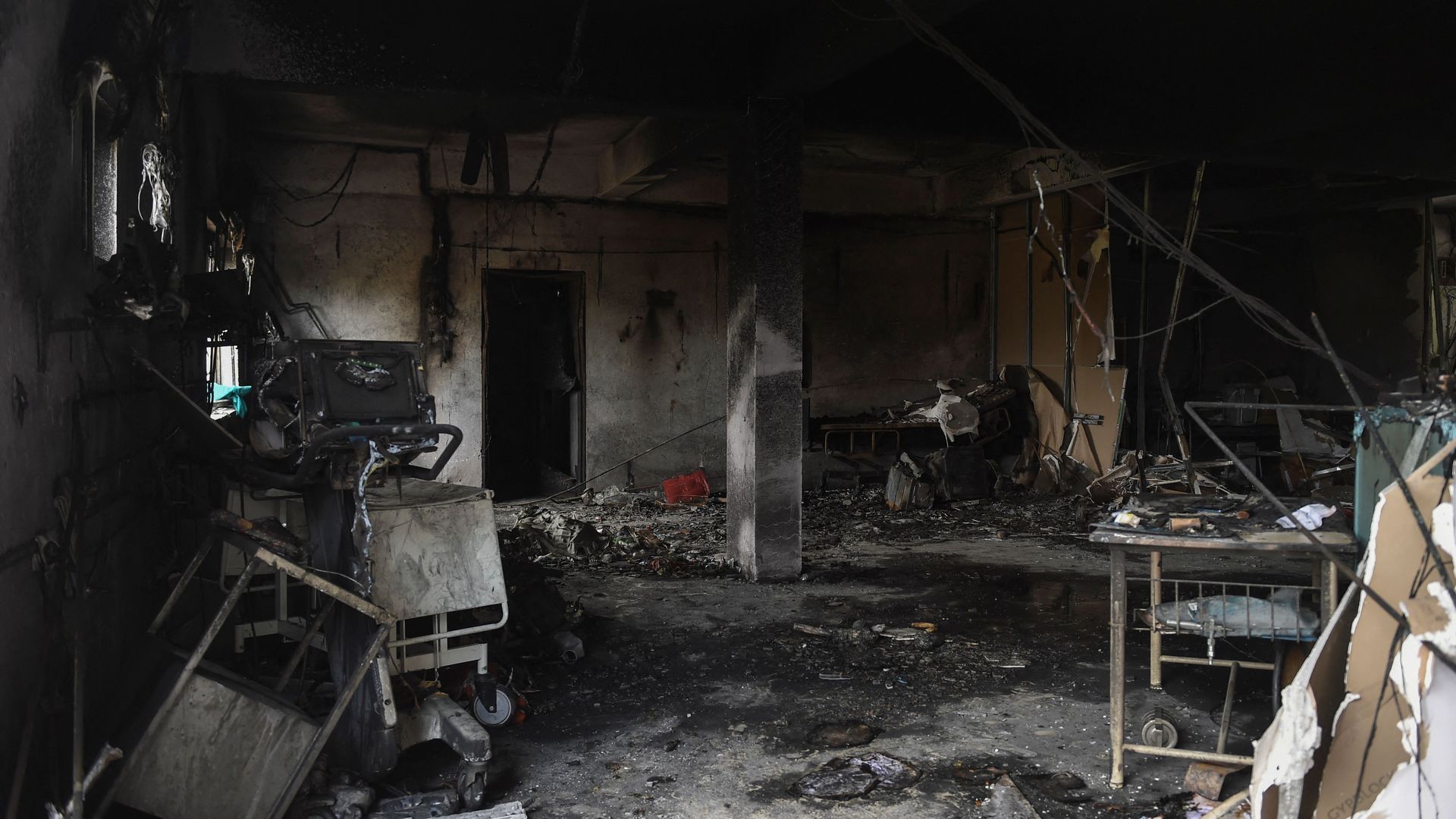
A fire in a COVID-19 ward in the Welfare Hospital in Bharuch, a town in Gujarat state in western India, killed at least 18 patients on Saturday, according to AP.
The big picture: The blaze — the cause of which is being investigated — comes on the heels of several tragedies involving coronavirus patients as hospitals across the country struggle with oxygen supplies amid a massive spike in new cases and a slowed vaccine rollout.
Why it matters: With the listing, WHO authorizes that the mRNA vaccine can be part of the U.N.-backed COVAX initiative, which looks to ensure that every country in the world has access to inocculations.
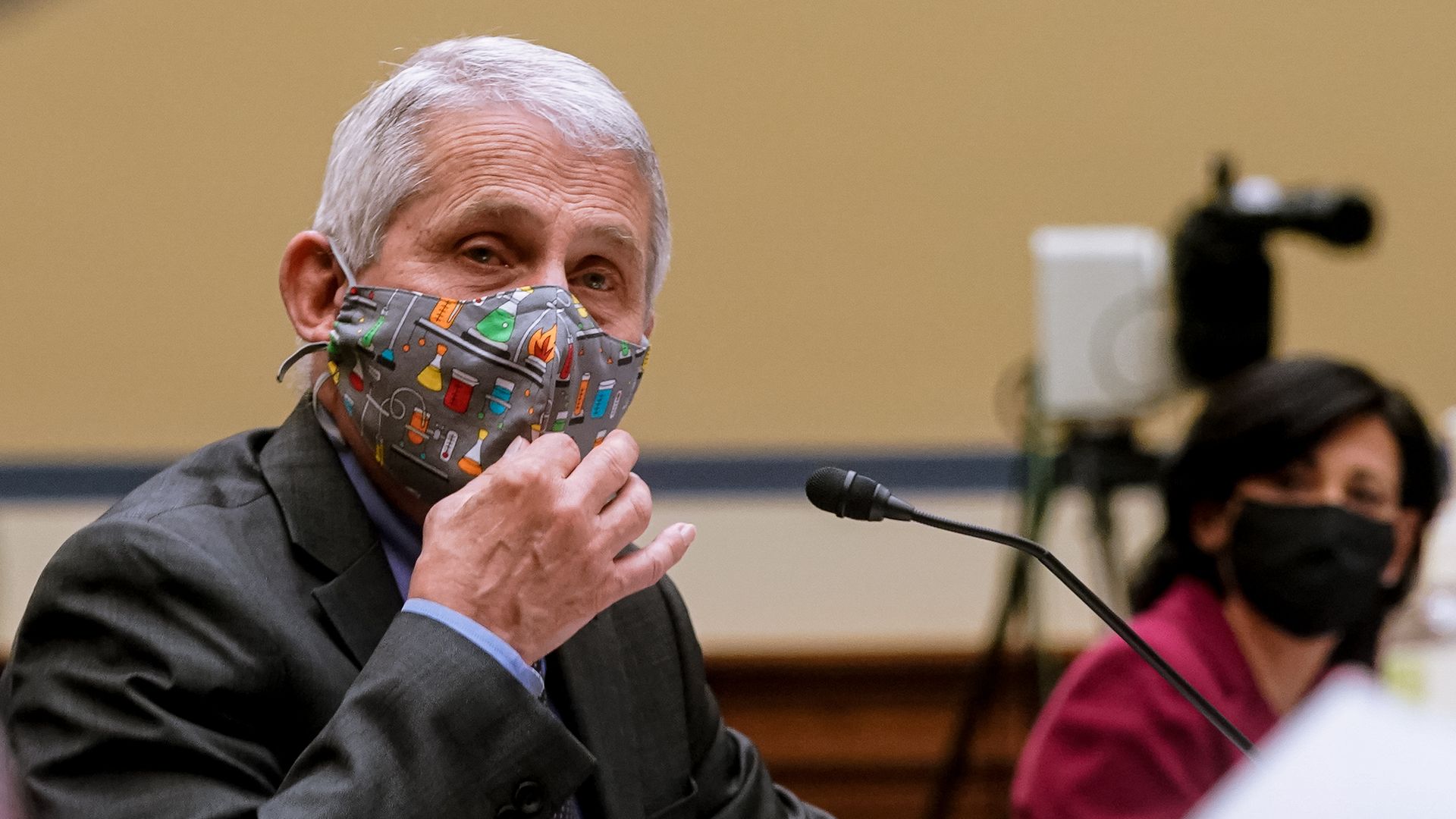
White House chief medical adviser Anthony Fauci said in an interview that India ought to consider a temporary shutdown as the country currently faces the worst coronavirus outbreak in the world.
By the numbers: India on Saturday for the first time reported more than 400,000 new coronavirus cases in a 24-hour period, Reuters writes. The country also reported a total of 211,853 deaths.
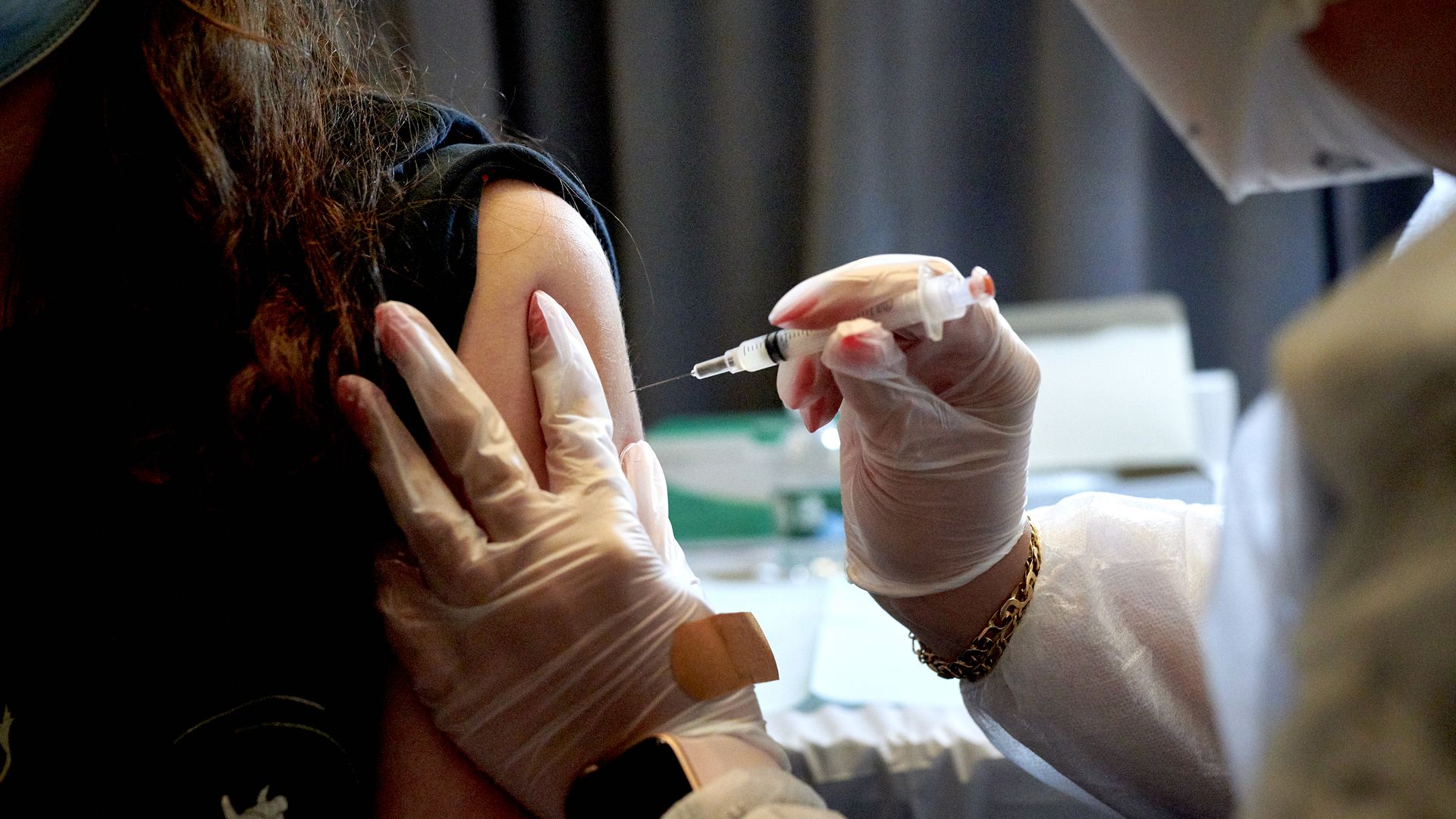
Why it matters: That's 38% of the country's adult population — and 55% of the adult population has had at least one shot. All told, the U.S. has administered nearly 240 million shots.
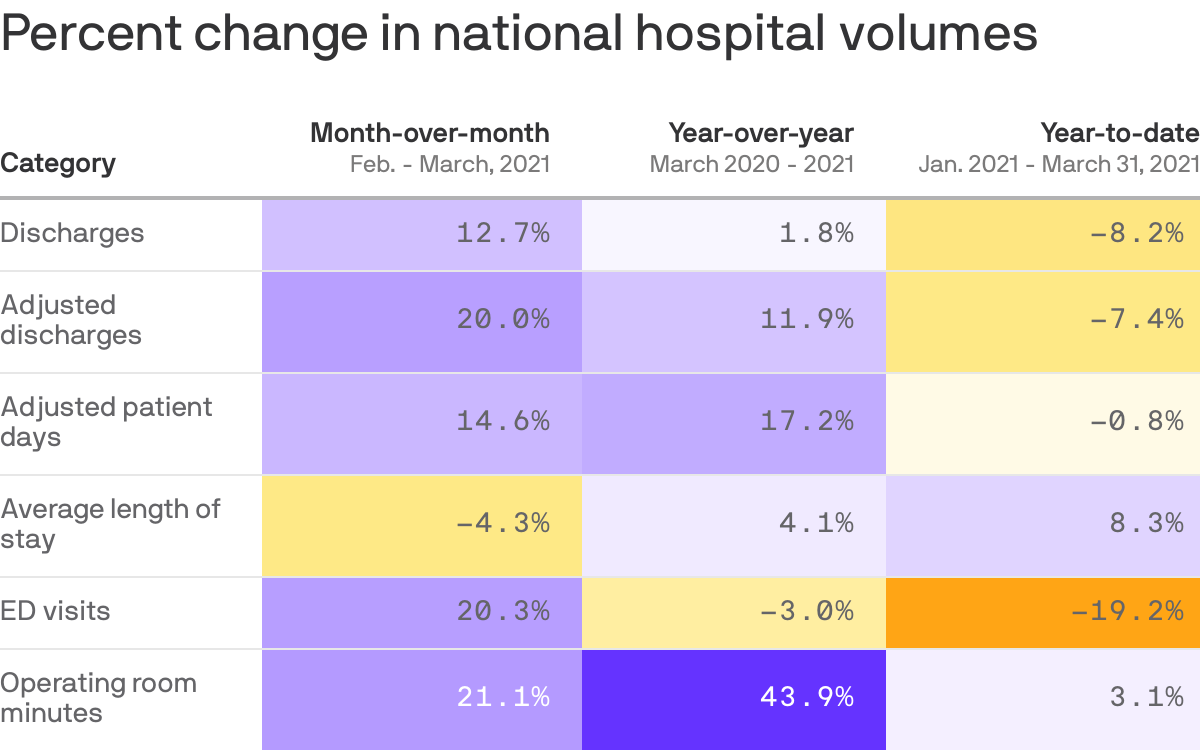
Hospitals' finances are climbing back toward pre-pandemic levels as patients come back — at least in outpatient settings.
The big picture:Volumes are still down compared to 2019, but the upticks in business since the start of the pandemic could be an indicator that consumer confidence is returning, said Erik Swanson, senior vice president of data and analytics at Kaufman Hall.