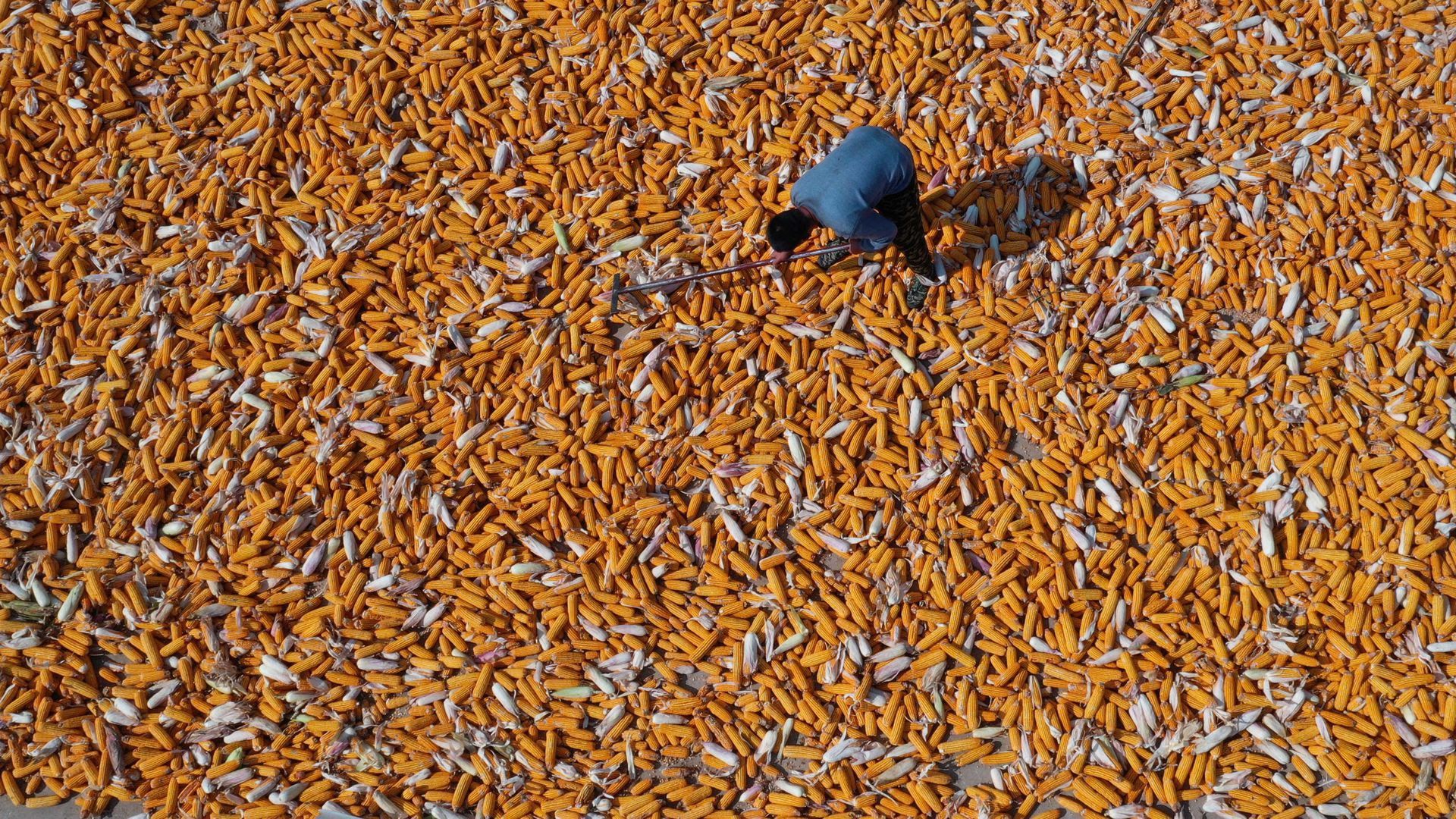
A new study finds changing the food system is vital to keeping global warming below potentially dangerous levels.
Why it matters: The global food system is projected to generate nearly 1.5 trillion tons of greenhouse gas emissions over the next 80 years, which by itself is enough to ensure the Earth warms by some 2 C over pre-industrial levels. Preventing that will require changes that go beyond what food we eat to how we produce it.
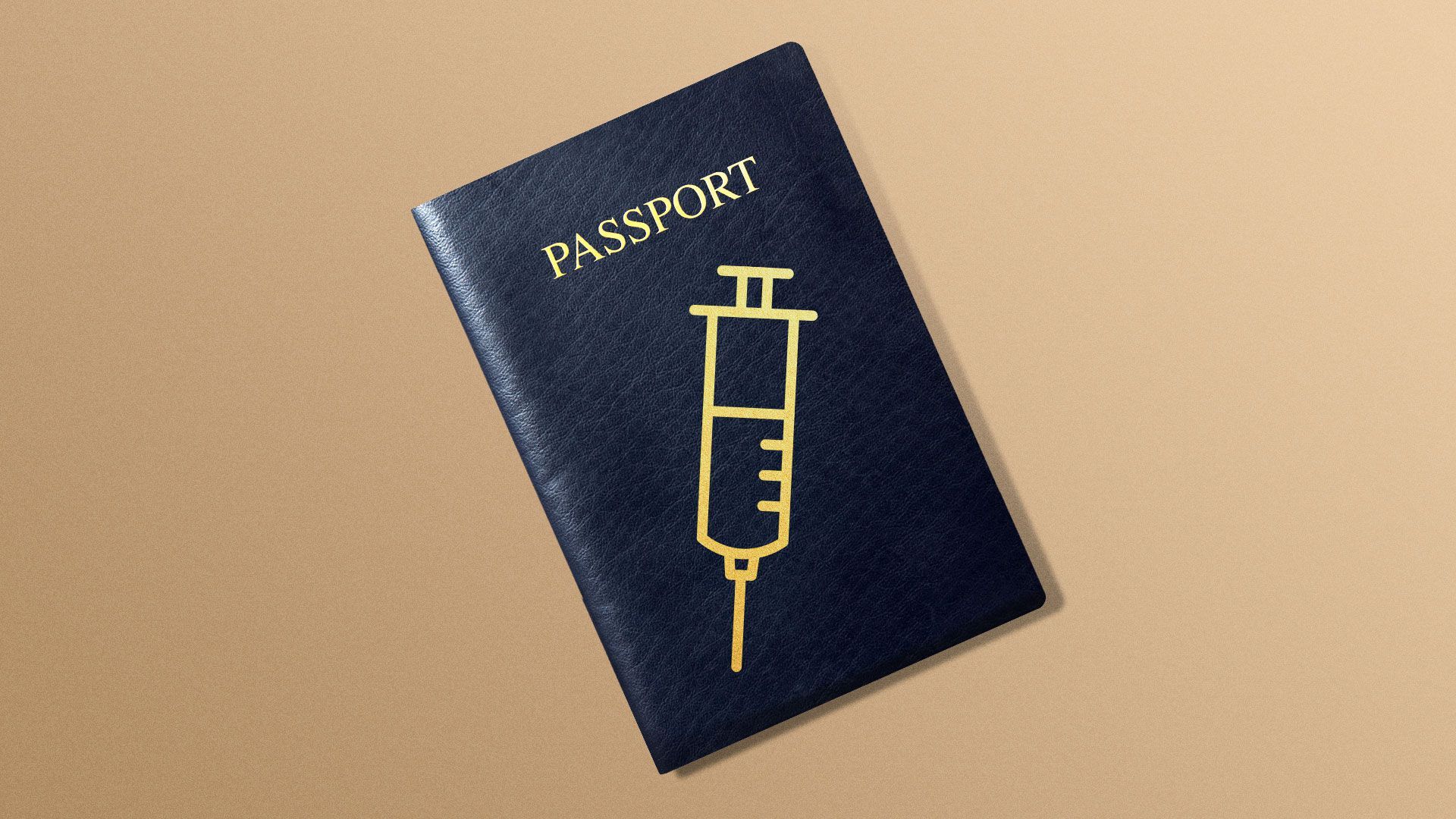
Companies are preparing to design digital immunity certificates for COVID-19 that could be used when a vaccine is available.
Why it matters: The vaccine won't roll out to everyone at the same time, so we need some way for those who have been immunized to easily demonstrate that they can safely return to work and travel. The easiest way might be a digital certificate that can be linked to a passport or even a mobile phone.
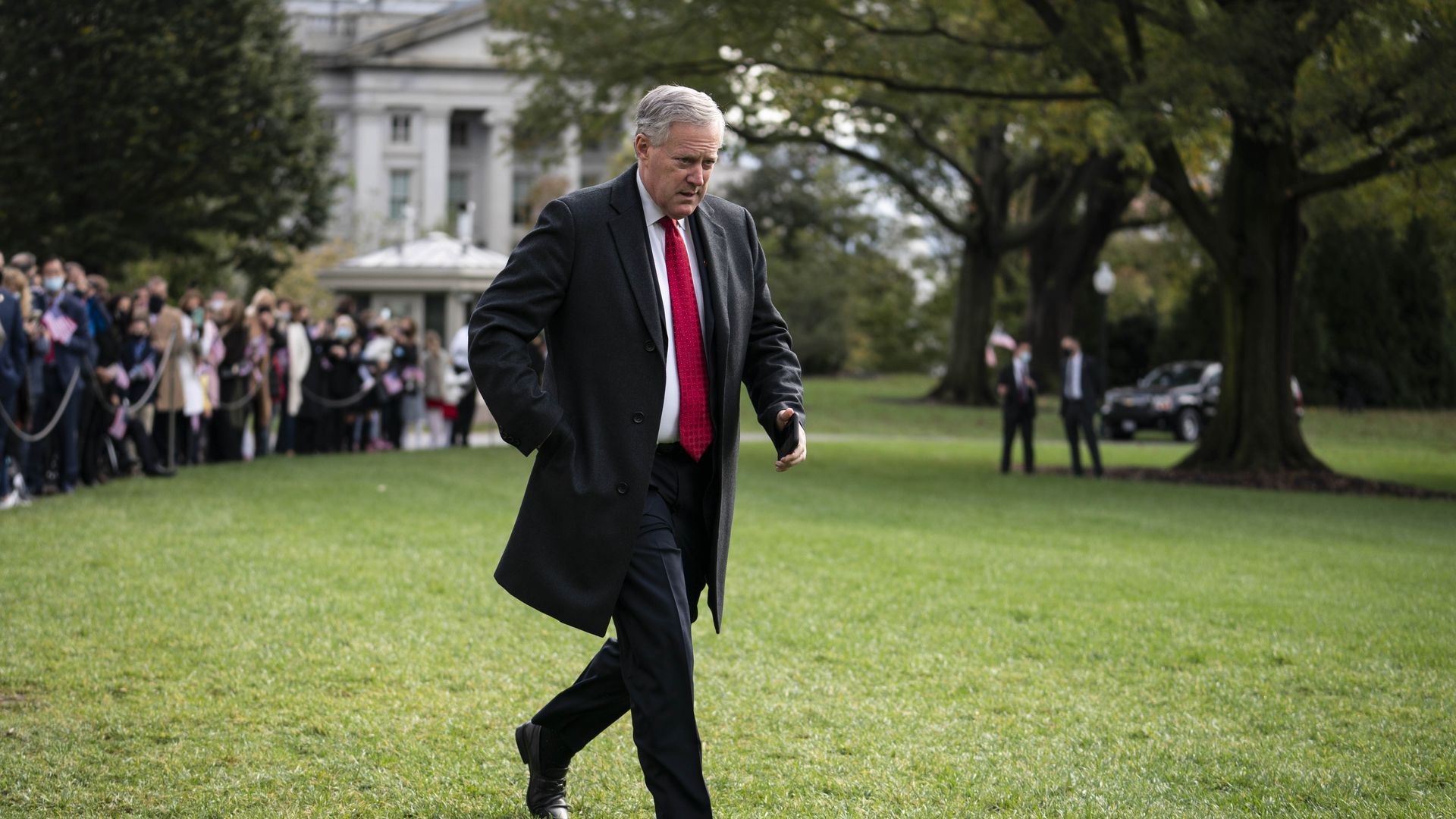
White House chief of staff Mark Meadows has tested positive for the coronavirus, Bloomberg's Jennifer Jacobs first reported Friday night.
The state of play: Meadows traveled with the president in the run-up to Election Day and was most recently seen in public Wednesday morning, per AP. The diagnosis comesroughly a month after President Trump, members of the Trump family and others close to the president tested positive for COVID-19.
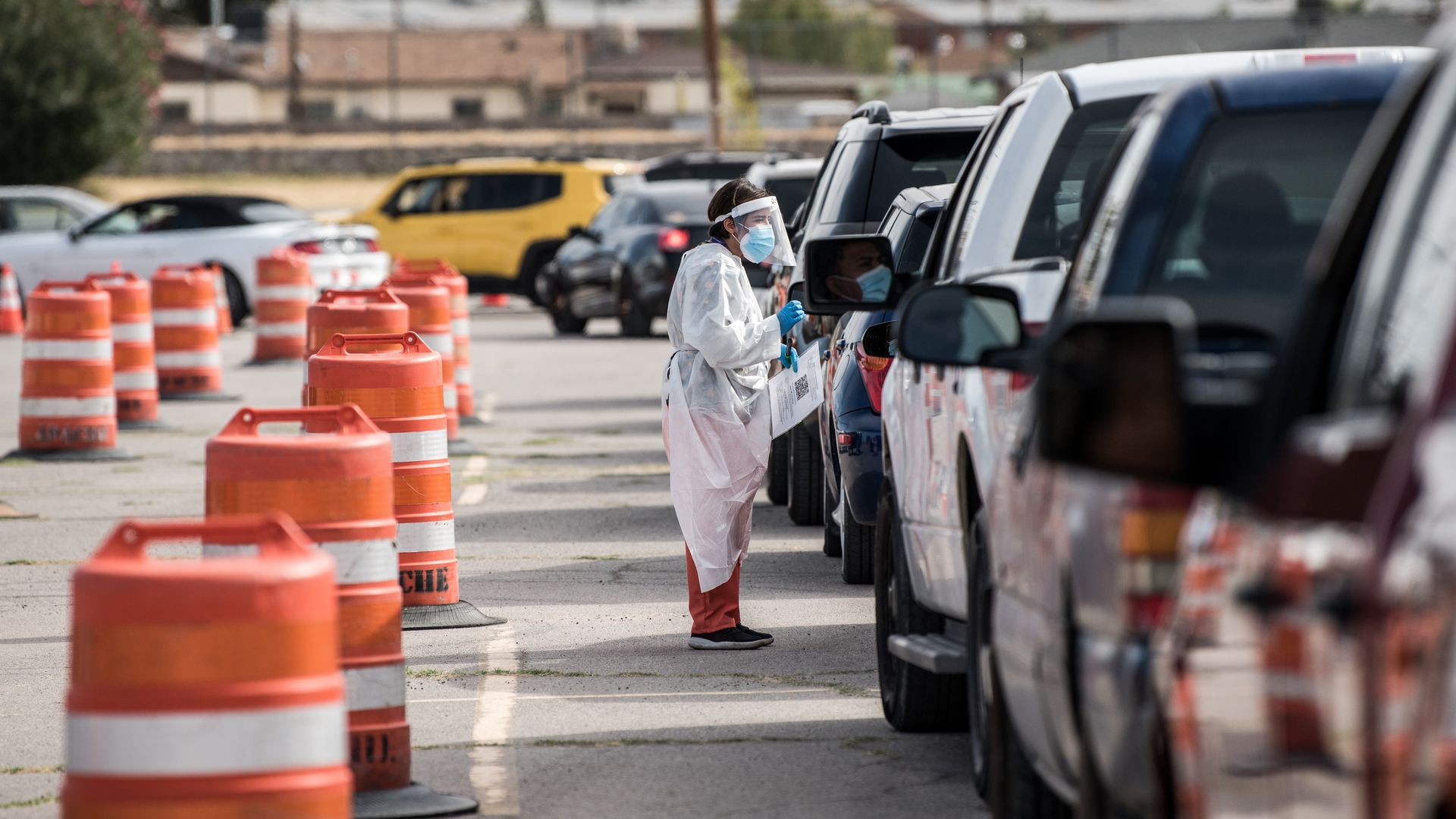
The Department of Defense has deployed three U.S Air force Medical Specialty Teams to El Paso to help officials cope with a surge in coronavirus cases and hospitalizations, Texas Gov. Greg Abbott announced Friday.
Why it matters: El Paso currently has 23,702 active COVID-19 cases, including 1,300 new cases reported on Friday, per the city's health department. At least 1,049 coronavirus patients have been hospitalized, including 311 who are in the ICU.
Of the 376 counties with the highest number of new coronavirus cases per capita, 93% voted for President Trump, AP reports.
Why it matters: Most of these were rural counties where people are less likely to wear masks or social distance, emphasizing to public health officials the need to find new ways to communicate about the virus.
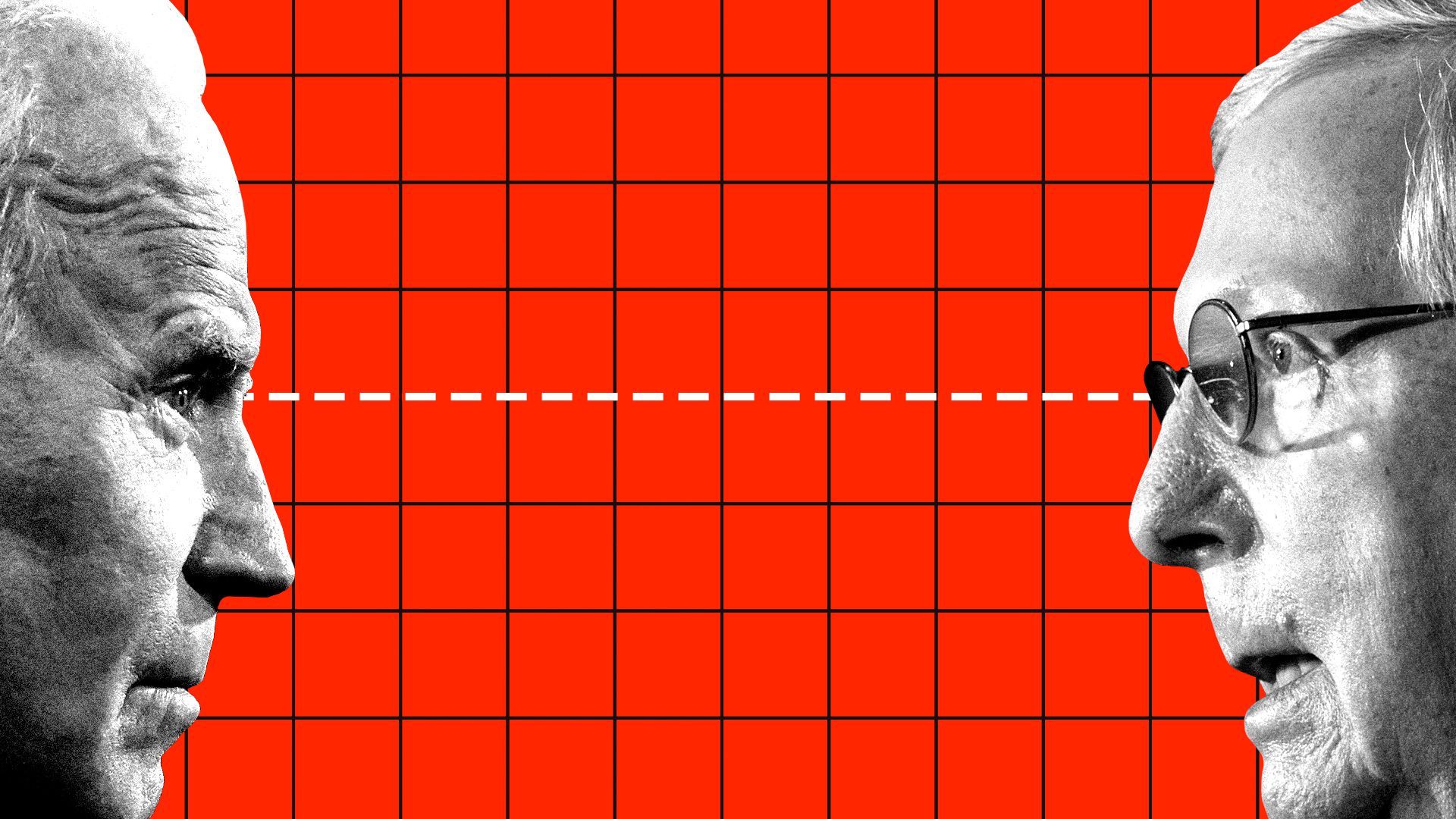
The likelihood of a Biden presidency and a closely divided Senate means that nothing big is likely to happen in health care for at least the next two years.
The big picture: For all the time Democrats spent debating Medicare for All, competing public insurance options and sweeping federal controls over drug prices, the near-term future for health policy will likely be about gridlock and incrementalism.