Lawyers involved in the enormous, nationwide lawsuit against opioid manufacturers have proposed a "novel" settlement arrangement, the New York Times reports. Every local and county government in the country would be part of it — not just the 1,650 governments that are currently suing.
Why it matters: This structure was designed to prod drug companies "to negotiate a settlement in earnest, something they have largely resisted," according to the Times. Settling with all these cities now would stave off future lawsuits from those local governments. But states and individuals could still bring their own suits.
Amgen, Eli Lilly, Merck and the Association of National Advertisers are suing the Trump administration over its rule forcing pharmaceutical companies to display drugs' list prices in TV commercials. They say the rule violates the First Amendment and exceeds the government's authority.
The big picture: Experts expected drugmakers to file such a lawsuit — even though the new regulation isn't expected to actually affect drug pricing.
The price of Zynteglo, a new gene therapy made by Bluebird Bio, will be almost €1.6 million ($1.8 million) in Europe, the company said Friday. Bluebird expects to get FDA approval for Zynteglo next year and to price it similarly in the U.S., Reuters reports.
The big picture: Zynteglo becomes the second-most expensive drug in the world behind Zolgensma, the $2.1 million gene therapy made by Novartis.
It's easy to criticize the U.S. health care system for high spending and poor outcomes, but American patients may also be the problem, the Atlantic's David Freedman writes.
What's happening: One study found that 74% of the variation in life expectancy within the U.S. was attributable to lifestyle factors like smoking and inactivity — behaviors decided by patients, not doctors. AndAmerican patients don't like to be told they can't have expensive care, using more speciality care and emergency care than other countries.
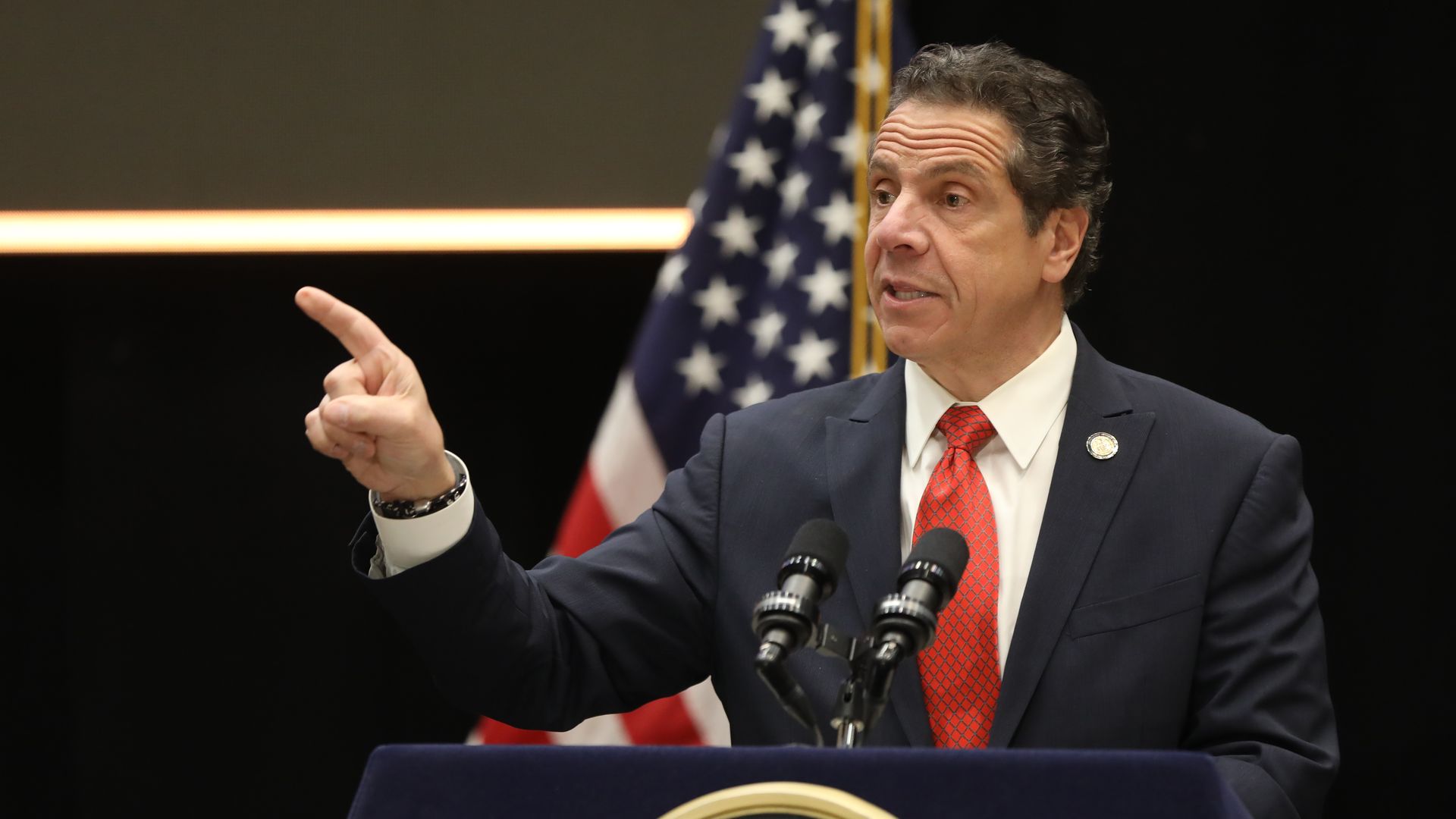
In thelatestattempt to address the ongoing measles outbreak, New York Gov. Andrew Cuomo signed a bill on Thursday ending vaccination exemptions based on religious beliefs, reports the New York Times.
Why it matters: New York City has long been trying to figure out how to combat the measles outbreak — particularly because of the resistance of the ultra-Orthodox Jewish community to vaccinations. Cuomo said he understands the importance of religious freedom, but protecting public health is equally important, per the NYT.