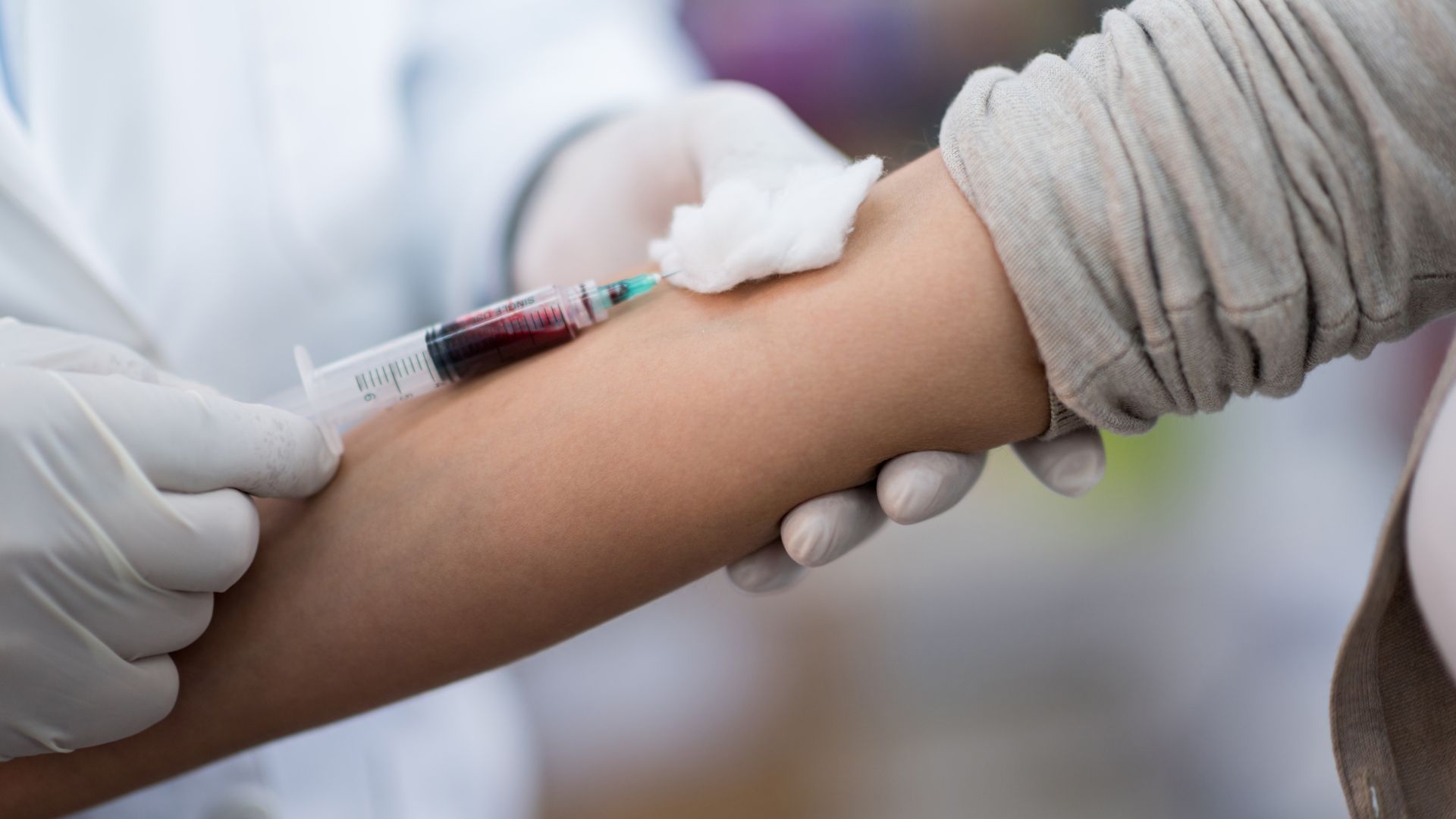
An "unauthorized user" at the collections firm American Medical Collection Agency may have accessed information on 11.9 million Quest Diagnostics patients, according to a securities filing by Quest.
Why it matters: Quest Diagnostics is a major national provider of lab work, and the information stored by AMCA included "financial information (e.g., credit card numbers and bank account information), medical information and other personal information (e.g., Social Security Numbers)," according to the filing.
The Affordable Care Act decreased racial disparities in access to cancer and increased early detection of ovarian cancer, according to a new study reported on by the Washington Post.
By the numbers: While black adults with advanced cancer were 4.8% less likely to receive timely treatment pre-ACA, in states that have expanded Medicaid, that gap between black and white patients has almost completely closed.
There's a big disconnect between the health care debates that dominate Washington, the campaigns and the politically active — where all of the talk is about sweeping changes like "Medicare for All" or health care block grants — and what the voters are actually thinking about.
The big picture: In our focus groups with independent, Republican and Democratic voters in several swing states and districts, the voters were only dimly aware of candidates’ and elected officials’ health proposals. They did not see them as relevant to their own struggles paying their medical bills or navigating the health system.
There are only a handful of biosimilars available in the U.S. And one of the country’s biggest insurers is about to start disadvantaging one of them, in favor of its more expensive competitor.
Why it matters: Deals like this are part of the reason biosimilars — envisioned, roughly, as generic versions of complex and pricy biologic drugs — aren’t gaining a foothold. And that’s keeping prices high throughout the system.