While tapering patients taking prescription opioids off of the medication is associated with a lower risk of overdose if the patient stops taking the drug, it can also lead to increased risks of overdose if it leads to the patient switching up dosages, according to a new JAMA study.
Why it matters: This is yet another obstacle to solving the opioid epidemic, and shows how the best intentions can be dangerous: Even trying to get patients to quit taking legal opioids can backfire and lead to overdose.
Wall Street continued to batter health care stocks last week, especially the health insurance names, which erased tens of billions of dollars in market value.
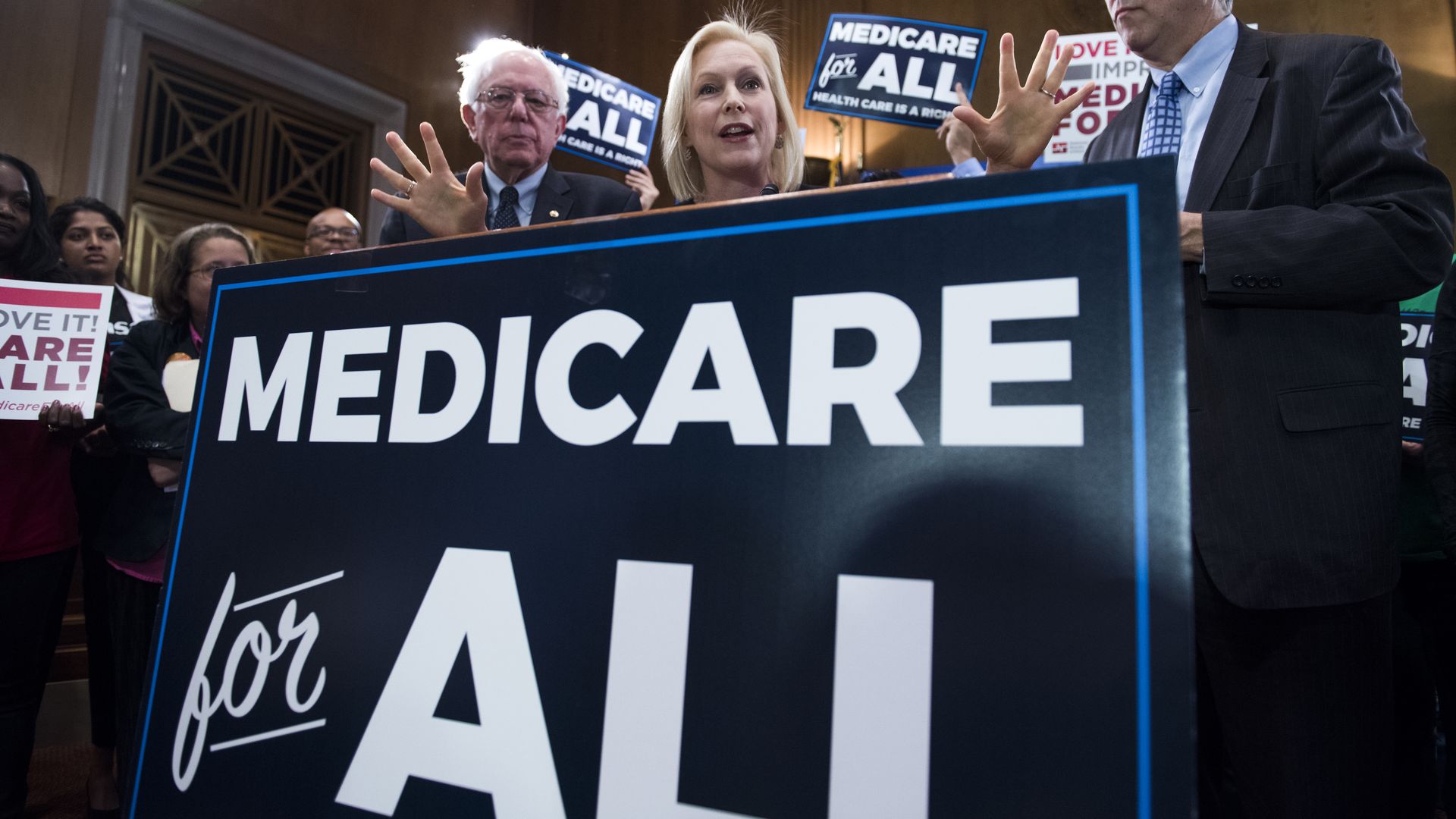
What we're hearing: People are citing fears of "Medicare for All" as the driving force behind the sell-off, although it’s not as simple as that. Regardless, many stock analysts are imploring investors to ignore the Democrats' health care plan.
One of the most important questions regarding a "Medicare for All" system in which private insurance disappears is how hospitals would be paid. The answer has huge implications, the NYT reports.
The big picture: Private insurance pays much higher rates for the same services than Medicare does. Hospitals say that's because Medicare underpays, so they must make up the difference through private insurance.
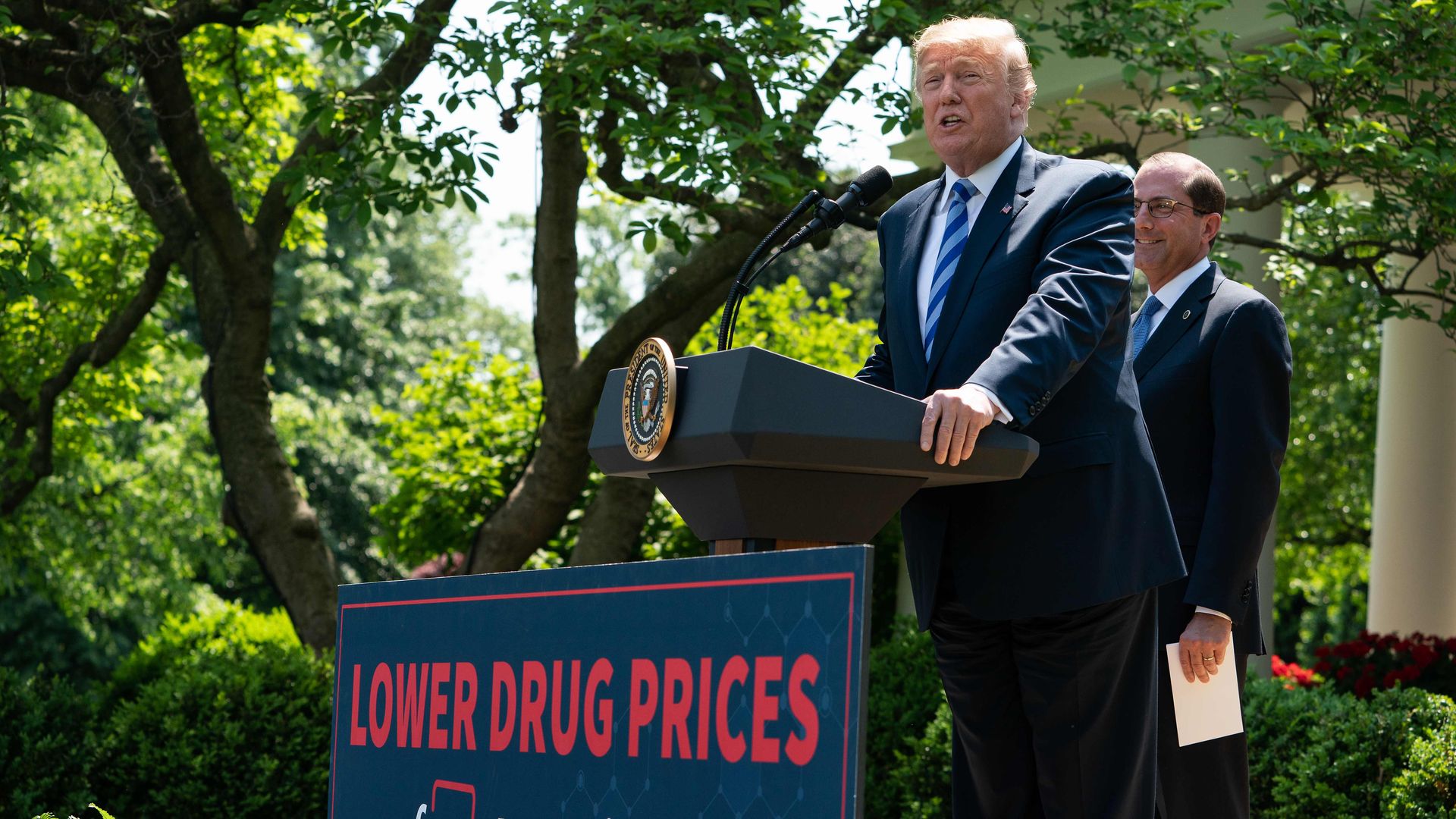
The Trump administration has no intention of backing off of its controversial proposal to change the way Medicare pays for some prescription drugs, and lawmakers are starting to respond with their own modified versions.
Why it matters: The pharmaceutical industry is adamantly opposed to the proposal, which ties some drug payments to what other countries pay for the same drugs. While this is likely to drive down Medicare's drug costs, it also could be radically disruptive.
The White House and top lawmakers from both parties think a bill to lower drug prices has a better chance of becoming law before the 2020 election than any other controversial legislation.
Between the lines: Republican politics on drug prices have changed rapidly. The White House has told Democrats it has no red lines on the substance of drug pricing — a position that should leave pharma quaking.