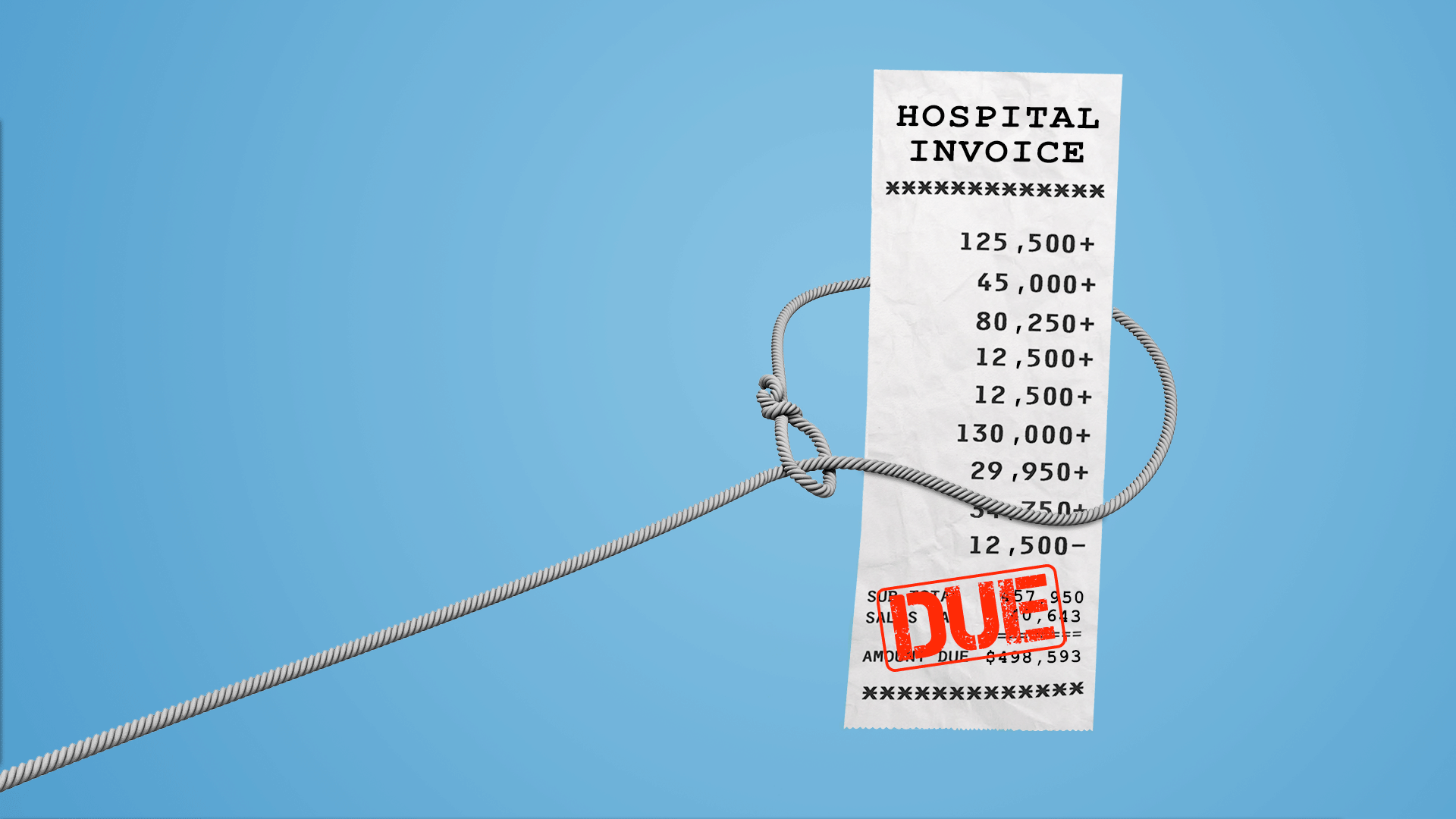
Several states are considering new "affordability boards" to rein in prescription drug prices. They're hoping that approach would avoid the legal pitfalls that tripped up earlier state-based policies.
How it works: These new boards would review expensive drugs and, if it deems them too expensive, set a new, lower price that insurance plans would have to pay.
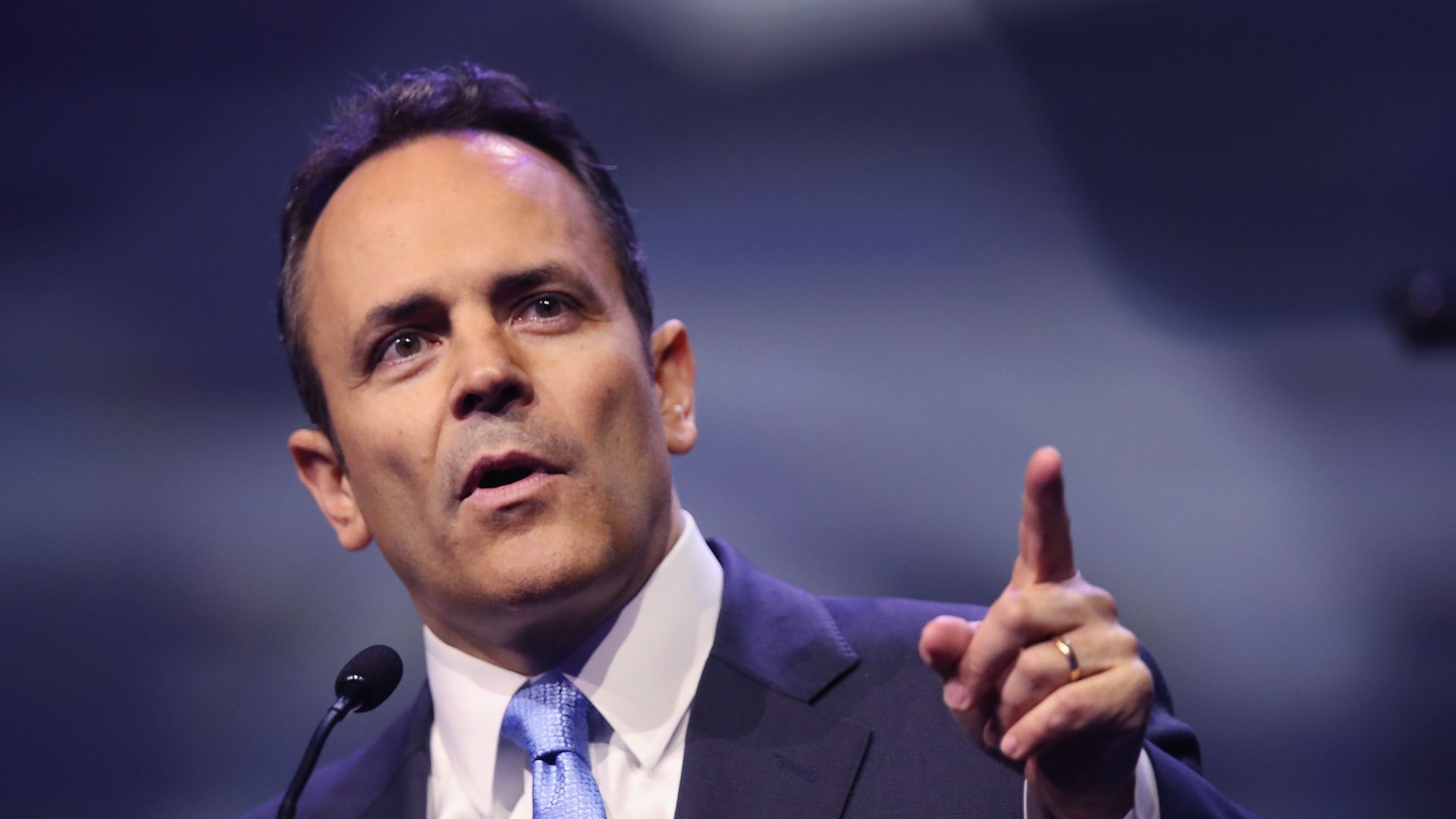
During a radio interview on Tuesday, Kentucky Republican Gov. Matt Bevin admitted to intentionally exposing his 9 children to chickenpox in the hope that they would catch the highly contagious infection and become immune.
Why now: As questions surrounding vaccines abound, Bevin's public remarks trailed reports of a chickenpox outbreak at a Kentucky Catholic school this week, wherein some parents, according to the Washington Post, had not vaccinated their kids. The governor — who is seeking a second term in this year’s statewide election — said Kentucky parents can vaccinate their children, but that the government shouldn't mandate. The state requires kindergarteners be vaccinated for chickenpox, but parents can cite religious exemptions or share evidence that their child already had the disease.
When Arkansas became the first state to enforce work requirements in its Medicaid program, thousands lost their coverage. Most of those people haven't found jobs, according to an analysis of state data by the Center on Budget and Policy Priorities, and are still uninsured.
Why it matters: The Trump administration has argued that work requirements will help people get off of the government program and into the workforce — part of a broader reframing of Medicaid as more of a welfare program than a source of insurance.