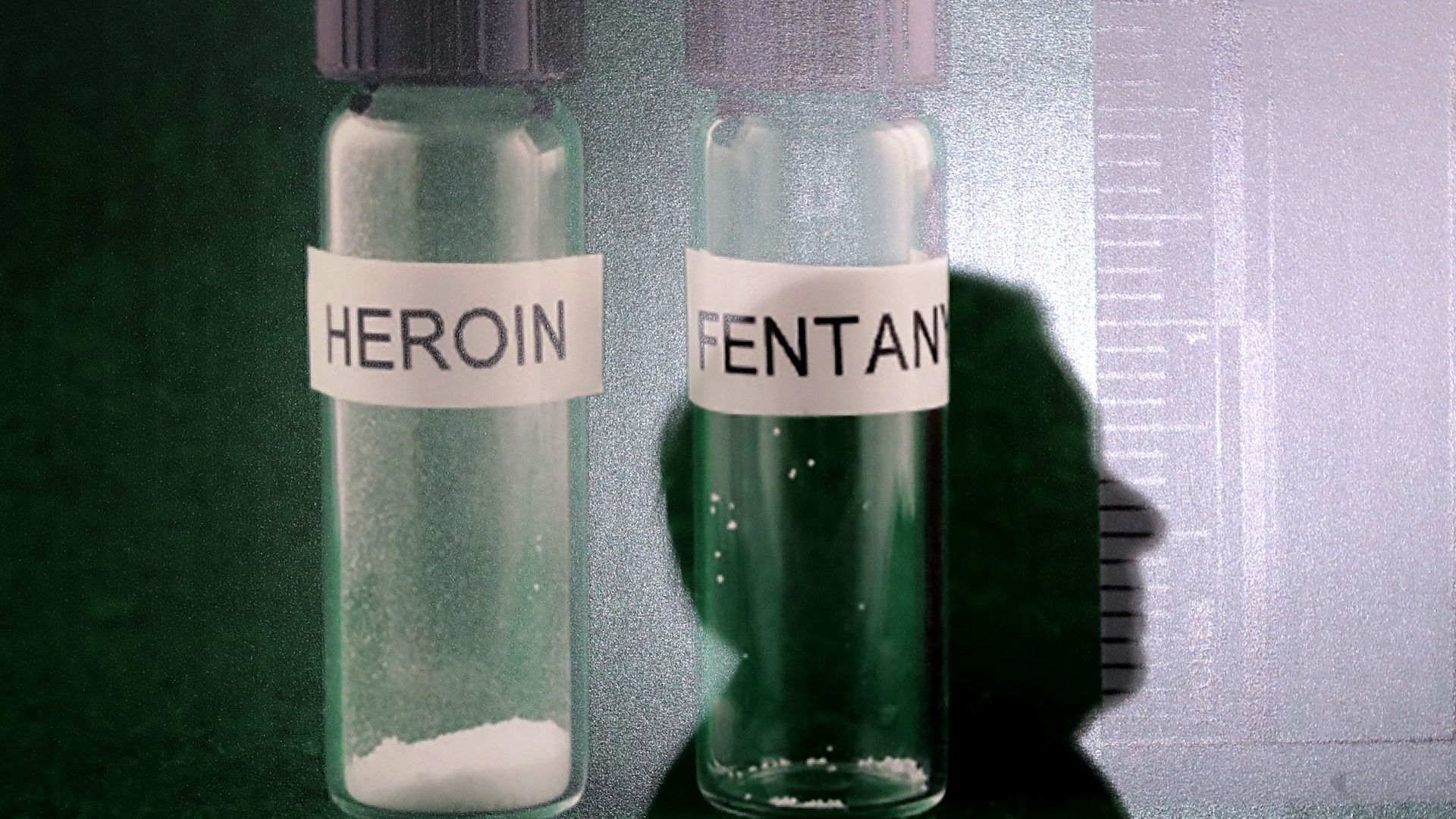
Reducing prescription opioid misuse will only moderately lower the number of opioid overdose deaths over the next few years, a new report in the Journal of the American Medical Association found.
By the numbers: The study projected that under the status quo, opioid overdose deaths would rise from 33,100 in 2015 to 81,700 in 2025. Between 2016 and 2025, 700,400 people will die from an opioid overdose, it estimates, and 80% of these deaths will be attributable to illicit opioids.
Wall Street panicked a little after the Trump administration rolled out its drug rebate proposal, but the stock prices of companies most at risk recovered because there’s still so much uncertainty about how the policy would change their businesses.
The big picture: The proposal would bar pharmacy benefit managers and insurers from accepting rebates from drug companies in Medicare and Medicaid under anti-kickback law. Instead, the two sides could work out fixed-fee arrangements, with rebates flowing directly from manufacturers to patients at the pharmacy counter.
More transparency about the cost of prescription drugs is unlikely to directly lower their price, experts say, poking a hole in a buzzy Washington talking point.
Why it matters: "Transparency" comes up often in discussions about how to lower drug prices. And though more information is undoubtedly important, something has to be done with that information to actually get costs down.