Abbott Laboratories collects about 10% of its estimated $30 billion in annual revenue from China, and the health care conglomerate, known for its medical devices and infant formula, has no concerns about its Chinese business in light of Apple's relatively dismal fourth-quarter projections.
What they're saying: "We're not $1,400 iPhones," Abbott CFO Brian Yoor said at the J.P. Morgan Healthcare Conference. "Health care is a very sticky, very good place to be."
Two factors contribute to rising drug costs — price increases for existing drugs, and new drugs coming to market with high price tags.
The big picture: Each of those factors affects different parts of the market, according to a study published in the latest issue of Health Affairs. New products largely drive the cost increases for generics and specialty drugs, the study found, but price hikes on existing treatments drive the rising cost of brand-name drugs.
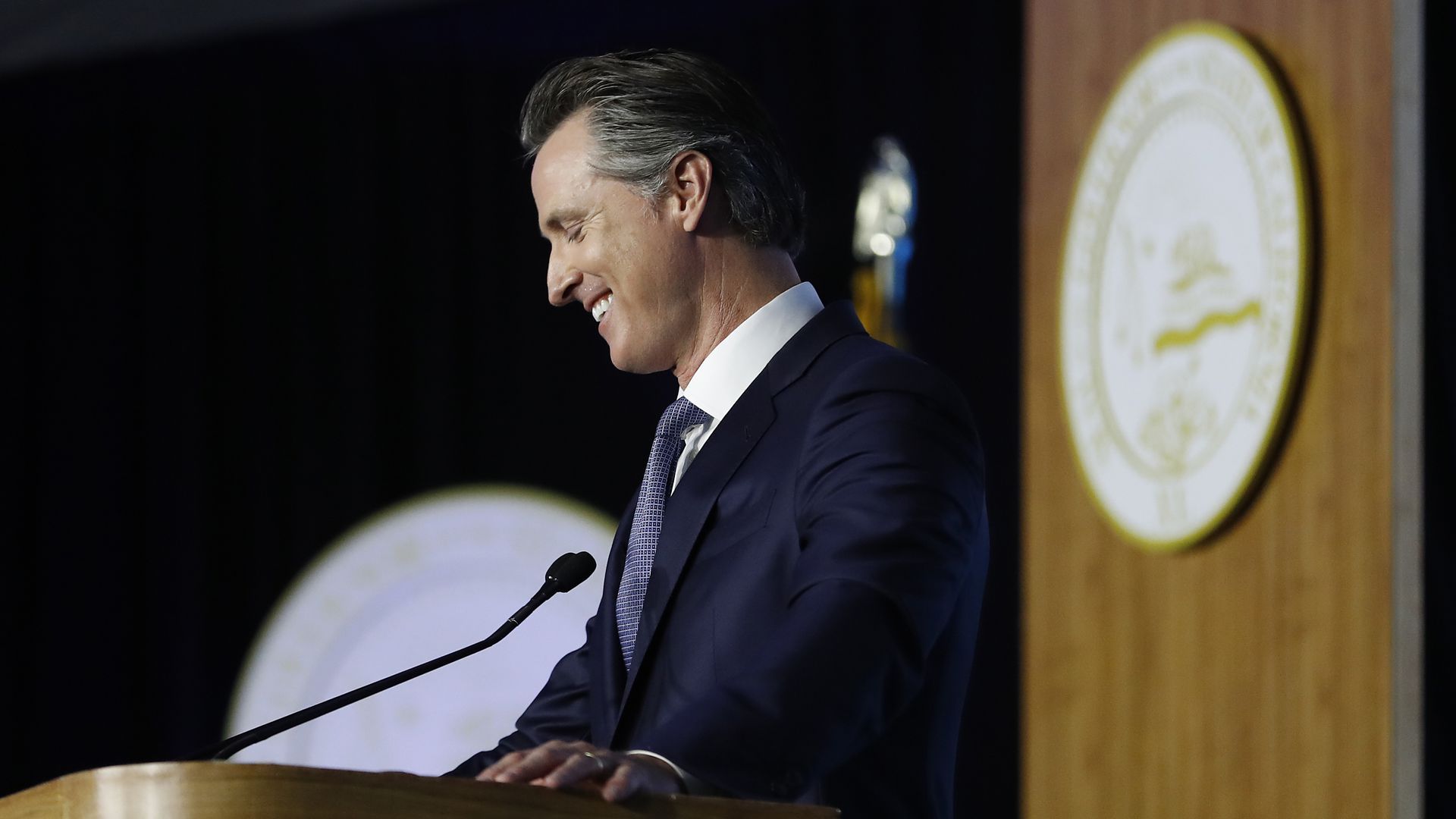
Newly seated California Gov. Gavin Newsom came out of the gate yesterday with an ambitious health care plan that would, per the Los Angeles Times, impose an individual mandate and expand insurance subsidies to more middle-income people.
Why it matters: California is a traditional leader on health policy, and finding out what's politically possible there will be a good sign of where Democrats might want to turn in other states, or if they regain unified control of Washington at some point. So far, New Jersey is leading the pack among blue states hoping to rebuild a version of the Affordable Care Act similar to what existed before the Trump administration, yet it hasn't necessarily seen great results.
As the nation's opioid crisis rages on, the majority of the two biggest killers — heroin and fentanyl — illegally enter the U.S. from other countries, enmeshing the opioid epidemic with the highly politicized fight over border security.
Between the lines: Building a wall wouldn't do much to stop opioid smuggling through legal ports of entry, but there's a more bipartisan effort under way to improve interdiction capacity at the border.
Eli Lilly, the pharmaceutical giant known for making insulin, is acquiring Loxo Oncology for $8 billion in cash, the companies said today. Loxo has one FDA-approved cancer drug and a few others undergoing clinical testing.
Why it matters: Big pharma companies, eager to find to new medications to add to their sales lineups, are eyeing cancer drugs. This marks the second major drug acquisition in the past week, following Bristol-Myers Squibb's $74 billion takeover of Celgene.
2019 will likely be a wild year for the policy, politics and business of health care.
The big picture: Here are the big trends the Axios health care team will be watching in 2019. They'll have an impact from K Street in Washington, D.C. to Main Street in your hometown.