Juul announced Tuesday a series of actions it's taking to prevent young people from smoking e-cigarettes, the company's response to tough new Food and Drug Administration regulations expected later this week.
Between the lines: It's unclear whether the actions — including halting some retail sales and new age verification measures for online sales — will have any impact on the regulations, but the company is sending a clear message that it wants to cooperate.
Association health plans — one of the options the Trump administration has expanded as an alternative to Affordable Care Act coverage — are a lot more comprehensive than some of their critics had feared, Modern Healthcare reports.
The big picture: So far, most of the plans taking advantage of the administration’s new rules at least claim to cover pre-existing conditions and comport with most of the ACA’s benefit requirements, even though they don’t always have to.
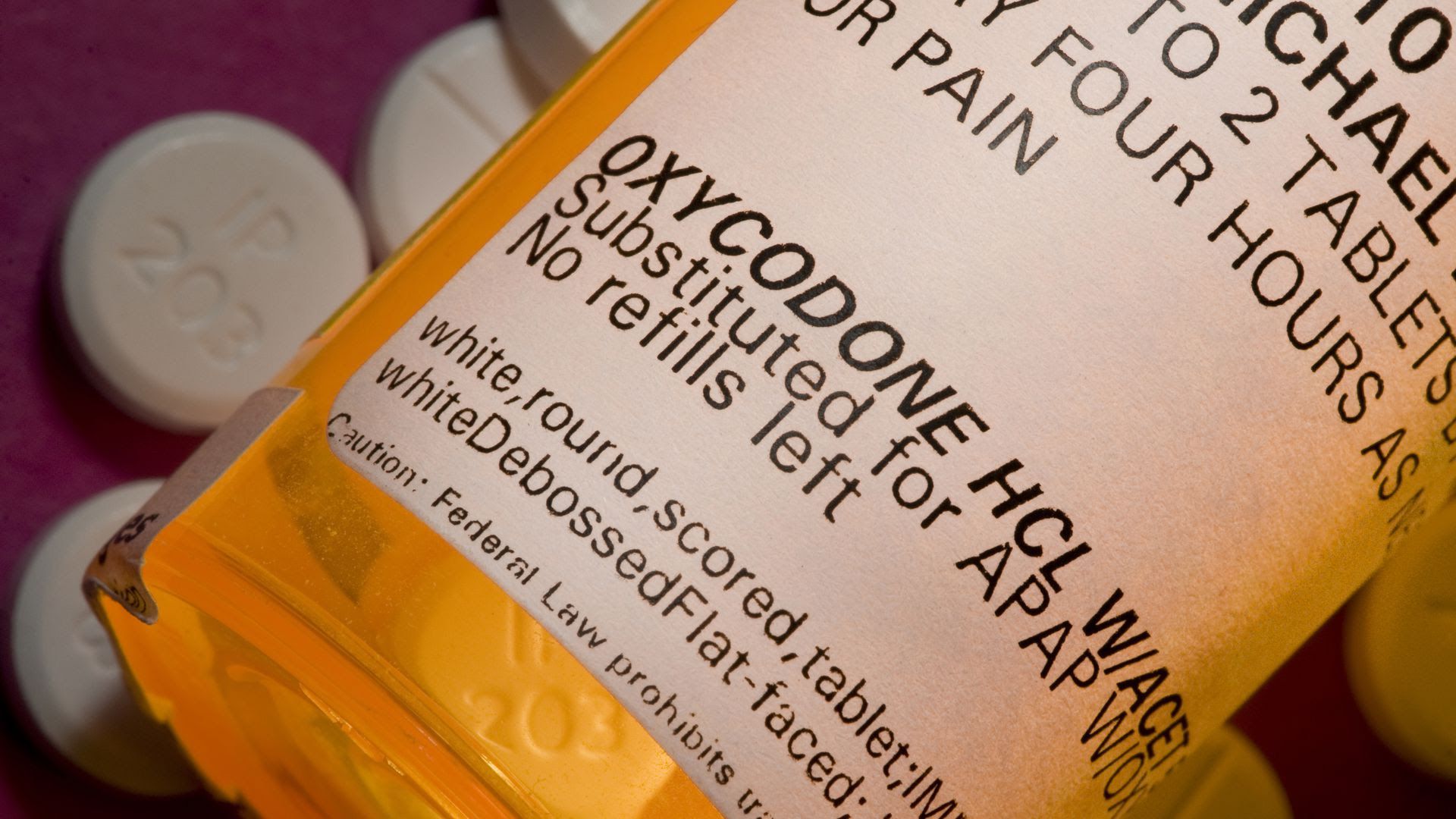
Tech companies are launching a new partnership today aimed at better coordinating their respective efforts to help fight the opioid crisis.
The big picture: Federal regulators had criticized tech platforms over a proliferation of ads for illegal pharmacies. But the companies have done a lot to rein in those ads and to redirect users toward information about treatment when, for example, they search Google or Facebook for opioid-related terms.
Two private equity firms — Veritas Capital and Evergreen Coast Capital, a subsidiary of Elliott Management — are acquiring Athenahealth in a $5.7 billion all-cash deal that values the company far below initial offers.
The bottom line: So ends the long, drawn-out process of what would happen to the large but struggling electronic health records and billing firm. Athenahealth co-founder Jonathan Bush, who stepped down in June over allegations of sexual assault and misconduct, stands to cash out $142 million in the buyout.
Ten companies controlled half of the health care industry's $50 billion of global profit in the third quarter of this year, according to an analysis of financial documents for 112 publicly traded health care corporations. Nine of those 10 companies at the top are pharmaceutical firms.
The bottom line: Americans spend a lot more money on hospital and physician care than prescription drugs, but pharmaceutical companies pocket a lot more than other parts of the industry.
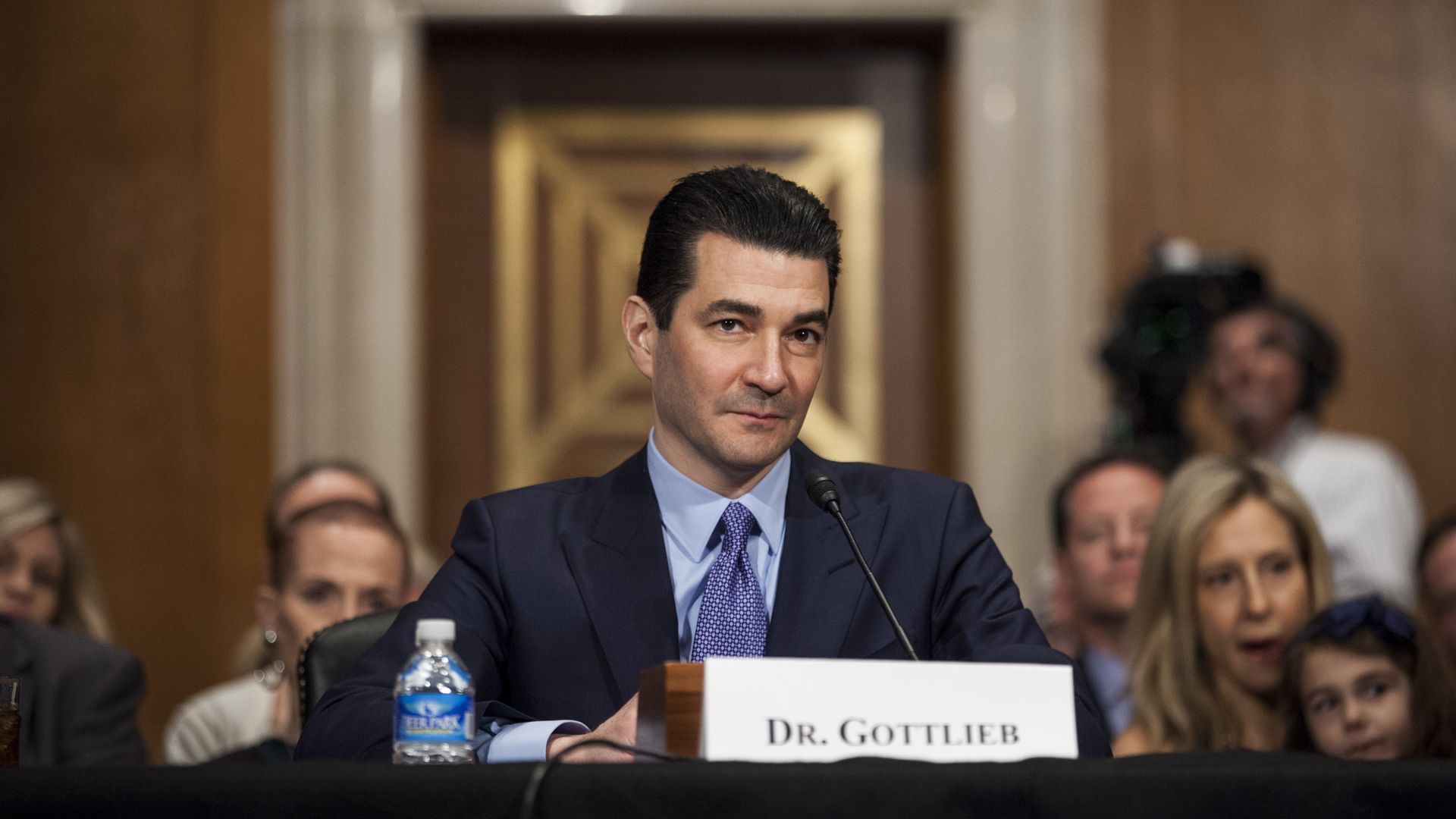
Food and Drug Commissioner Scott Gottlieb said that if the agency raises the bar for new opioids — which he's open to — that new approach will be limited to opioids, and won't affect other drug categories.
Why it matters: There's long been a debate over whether new drugs should be approved or rejected in the context of what's already on the market. That might become the new rule for opioids, but Gottlieb made clear that the industry doesn't need to worry about a slippery slope.