Many of the exchanges for Affordable Care Act insurance still don’t have especially sophisticated tools to help consumers understand their costs, according to a review by the Council for Affordable Health Coverage, an industry group.
Where it stands: CAHC faulted several exchanges, including HealthCare.gov, for their out-of-pocket cost calculators and the information they provide to shoppers about different insurance plans’ drug coverage.
Remember when Republicans and the pharmaceutical industry were friends? The pharmaceutical industry does.
Between the lines: Republicans on Capitol Hill barely made a peep last week after the Trump administration rolled out a drug-pricing plan that arguably goes further than the Obama administration ever attempted. This is pharma's second notable setback in just a few months. It was also caught off guard by a Medicare change in a recent spending bill, and failed to persuade lawmakers to reverse that policy in their opioids legislation.
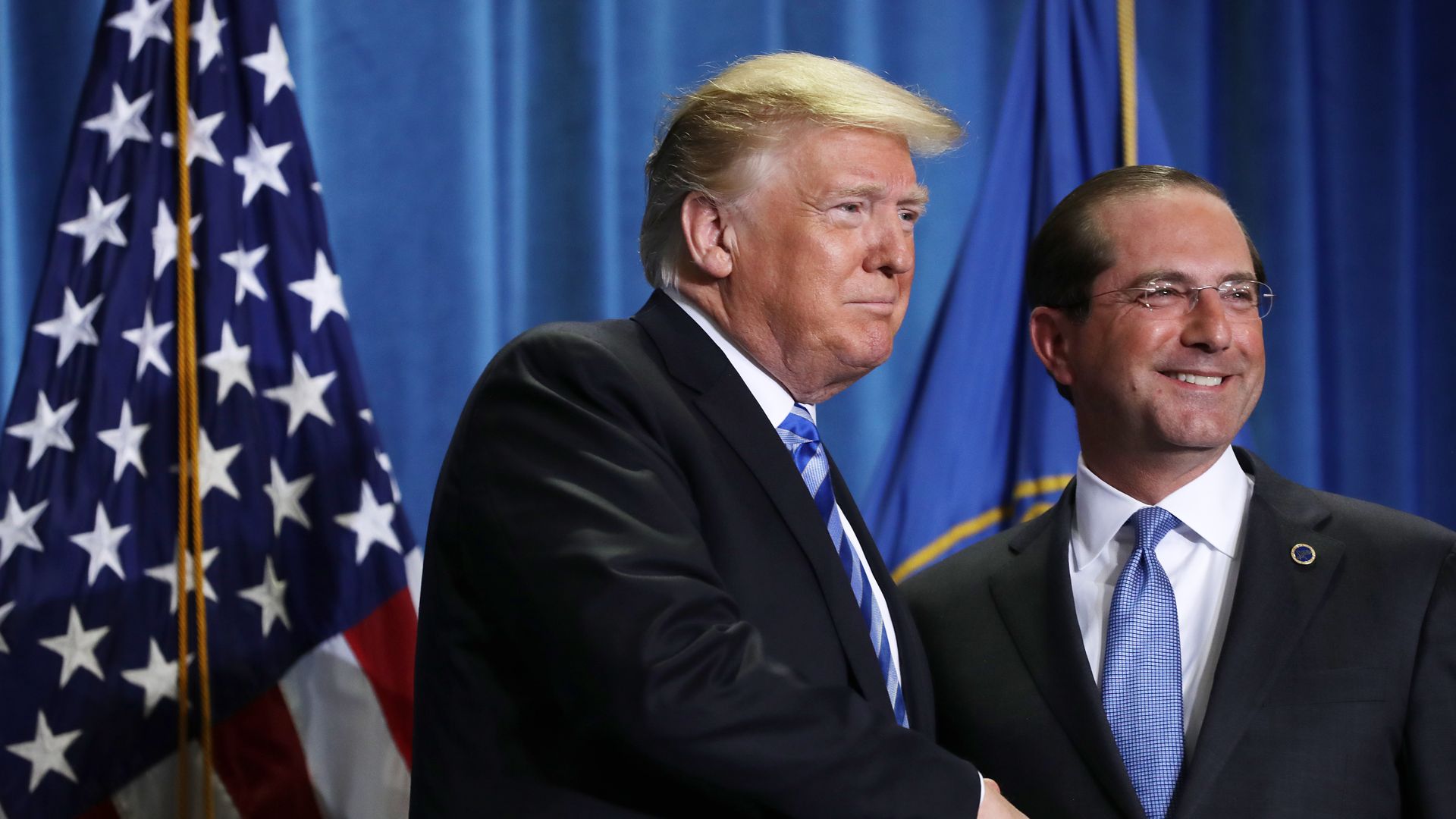
President Trump announced last Thursday a plan to reduce the United States’ uniquely high prescription drug prices. Medicare Part B will launch a demonstration project covering half the country that will base drug prices on an index sourced from 16 nations, most in Europe.
The big picture: The administration hopes aligning with an international price will bring down Medicare Part B drug costs, while forcing pharmaceutical firms to raise prices abroad to cover their R&D expenses. But the greatest reason U.S. drug costs are higher than other countries’ is that American public and private payers are restricted from bargaining effectively for lower prices, so Trump's plan is likely to have little effect.
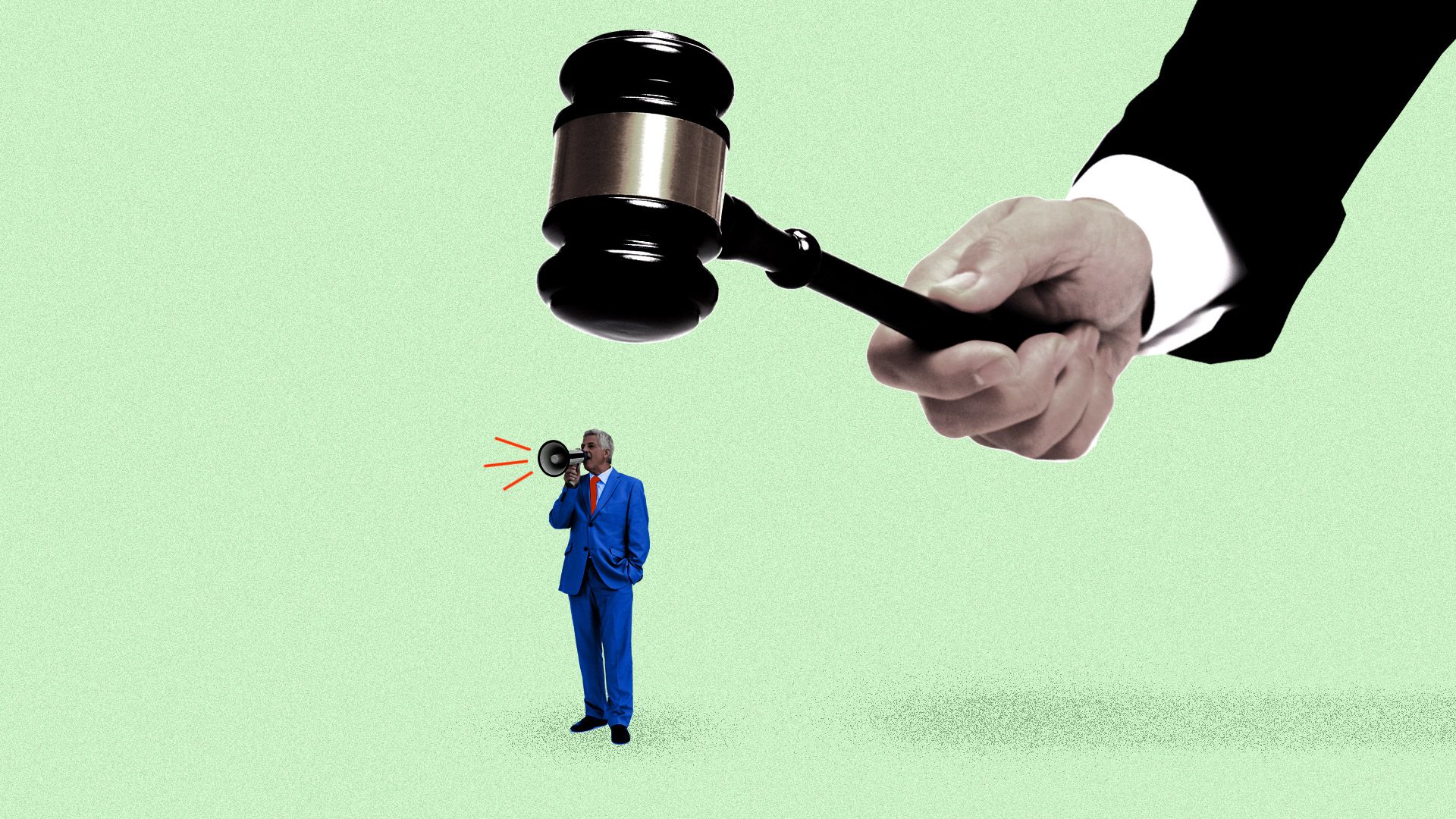
Vulnerable Republican incumbents face an awkward question on health care: "You say in your campaign that you're committed to protecting insurance coverage for people with pre-existing conditions; what do you make of the fact that the Trump Justice Department is currently arguing in court to strike down the law forcing insurers to cover people with pre-existing conditions?"
Why this matters: Polls consistently show health care is a top issue for midterm voters. Republicans are already on their heels on this issue — a reversal from the previous eight years of easy campaigning against Obamacare — and the Justice Department position pits them face-to-face with an inconvenient reality.