Monday's health stories

How Gilead paid top executives in 2017
Gilead Sciences CEO John Milligan took home $20.9 million in 2017, based on the actual realized gains of his vested stock, according to the company's annual proxy document. John Martin, the former CEO of the company known for its hepatitis C drugs, made $48.4 million while sitting as executive chairman.
The bottom line: The payouts for both Milligan and Martin are lower than 2016, but only because both executives cashed out fewer shares. They remain among the most highly paid executives in the health care industry. However, Wall Street was unimpressed with the company's hepatitis C sales last year — even though Gilead remained highly profitable.
McCaskill rips into price hikes for brand prescriptions
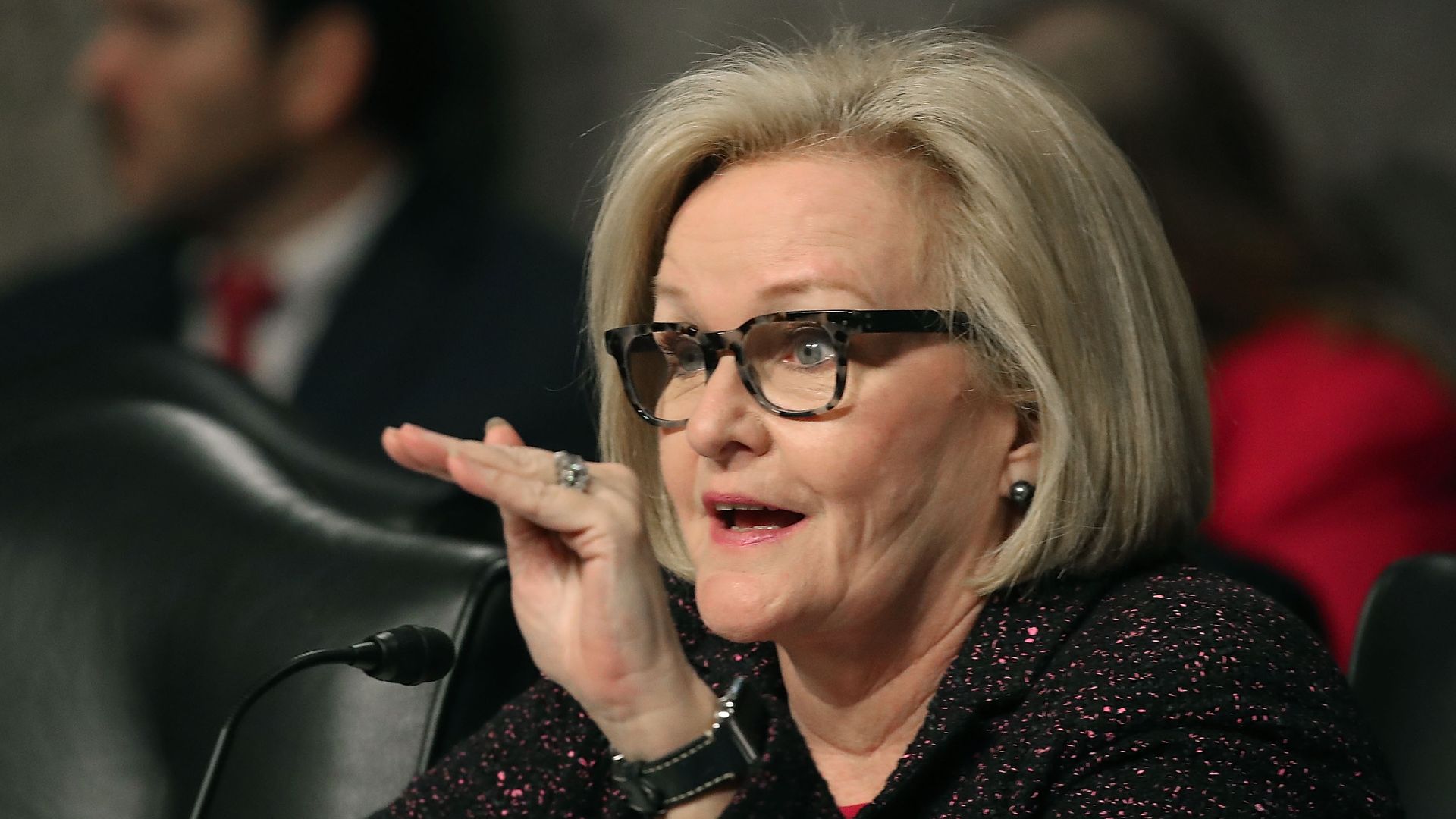
A new report from Democratic Sen. Claire McCaskill criticizes drug companies for raising prices on brand-name drugs like Crestor and Lyrica well beyond the general inflation rate. She compared the situation to someone going to an auto dealership and finding out that "last year's exact model was being sold at a 20% mark-up."
The big picture: McCaskill has pilloried pharmaceutical firms over the past couple years and cosponsored a bill that would make it easier to access low-cost generics. But the industry has lobbied heavily to maintain the current system, and larger-scale reforms are not on the table.

Don't count on states to shore up the ACA
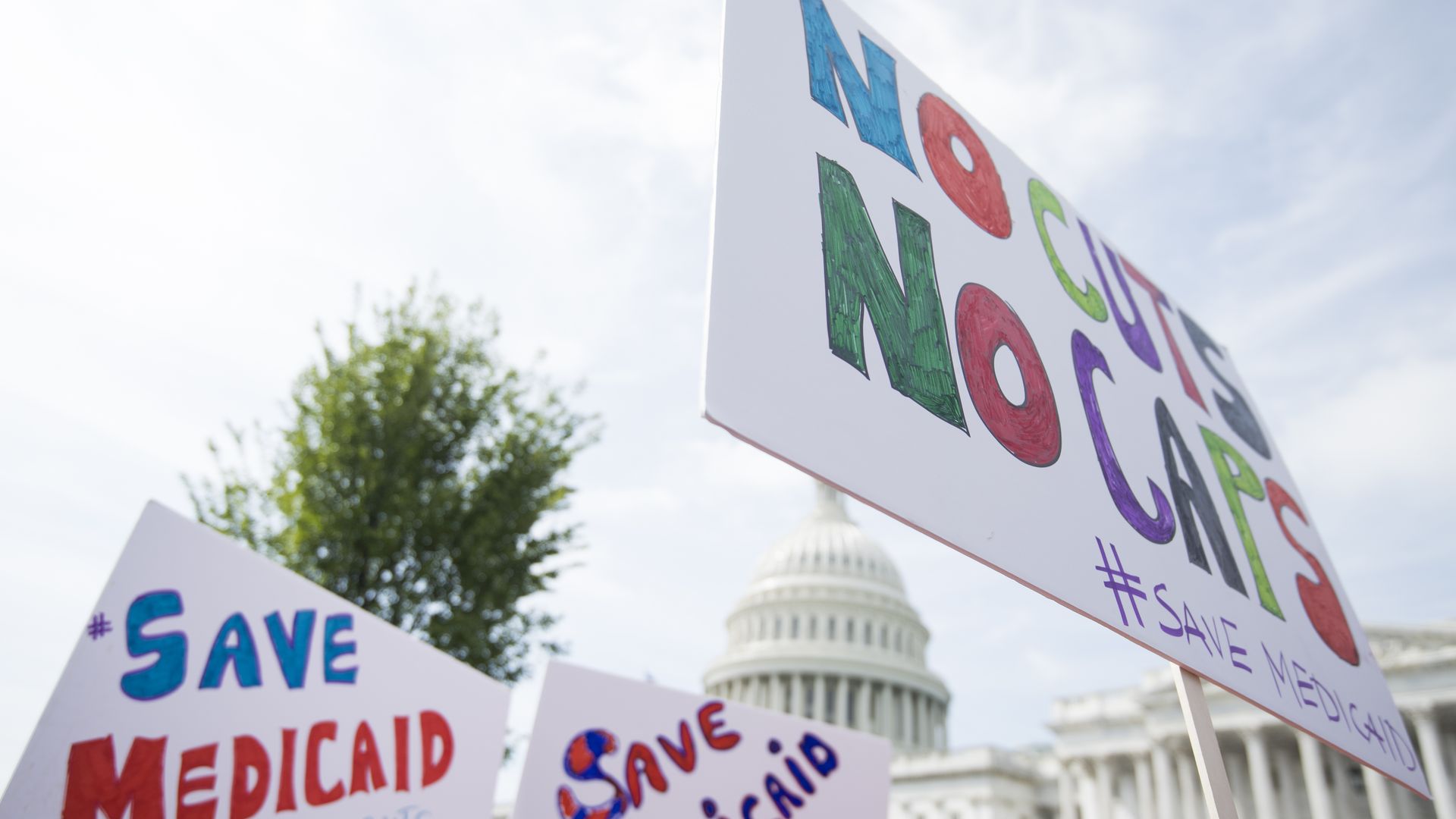
Now that Washington has decided not to help shore up the Affordable Care Act’s insurance markets, a lot of attention will inevitably turn to the states. But don’t expect to see anything approaching a comprehensive fix at the state level.
The latest: States are mainly looking at two big policy solutions to try to stabilize their individual insurance markets — passing their own version of an individual mandate, or creating their own reinsurance programs to help compensate insurers for their most expensive patients, so that they don’t recoup those costs through higher premiums.
The big business of home health
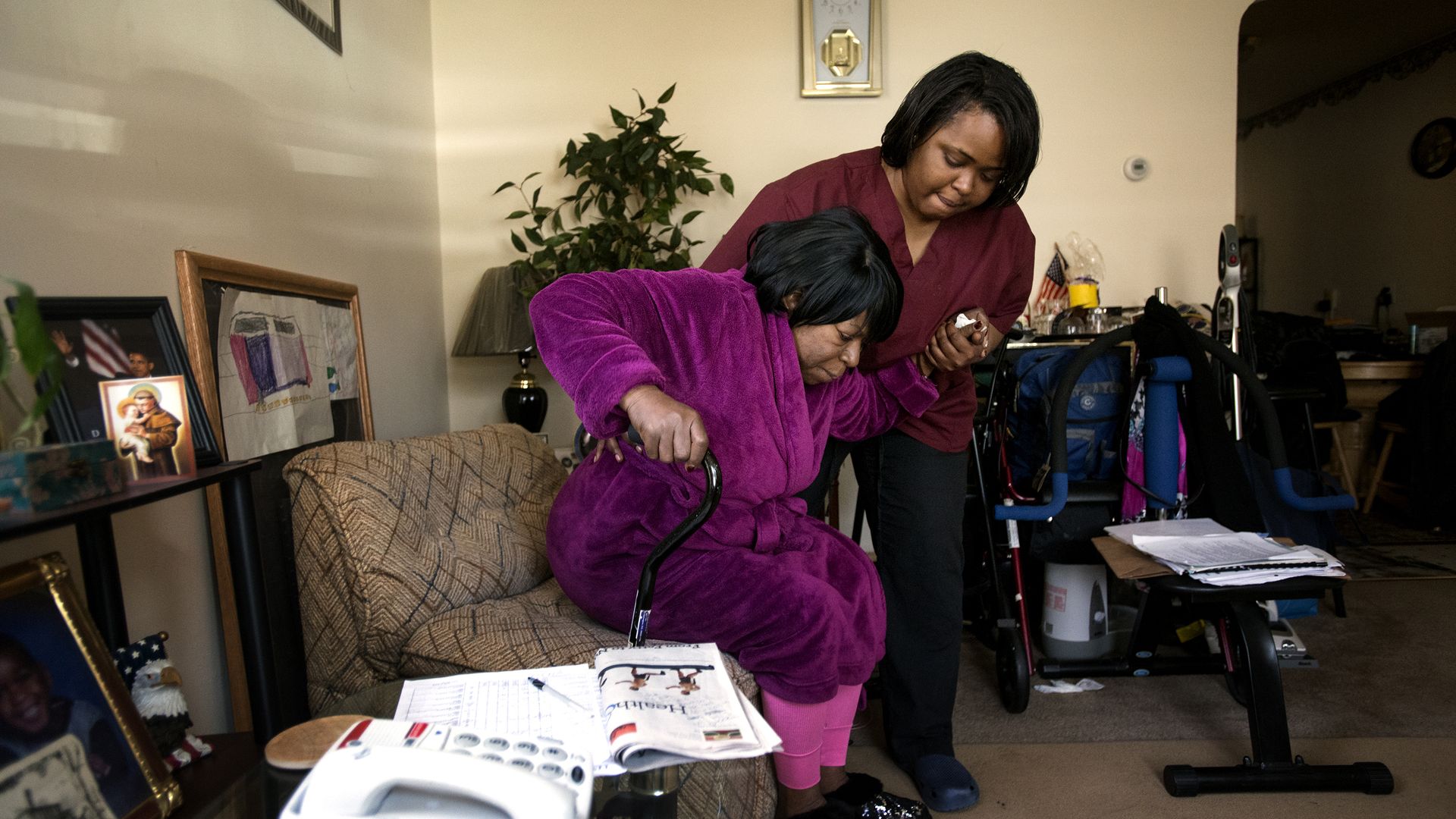
The Medicare Payment Advisory Commission, an influential body that studies health policy, is once again recommending Congress slash Medicare payments to companies that provide home health services.
The bottom line: MedPAC has criticized the home health industry for several years, arguing taxpayers are overpaying while companies are reaping large profits. This may seem like arcane payment policy, but it is growing in importance as more people are treated at home as a way to keep costs in check.