Wednesday's health stories

Exclusive: Alexander's ACA market stabilization proposal
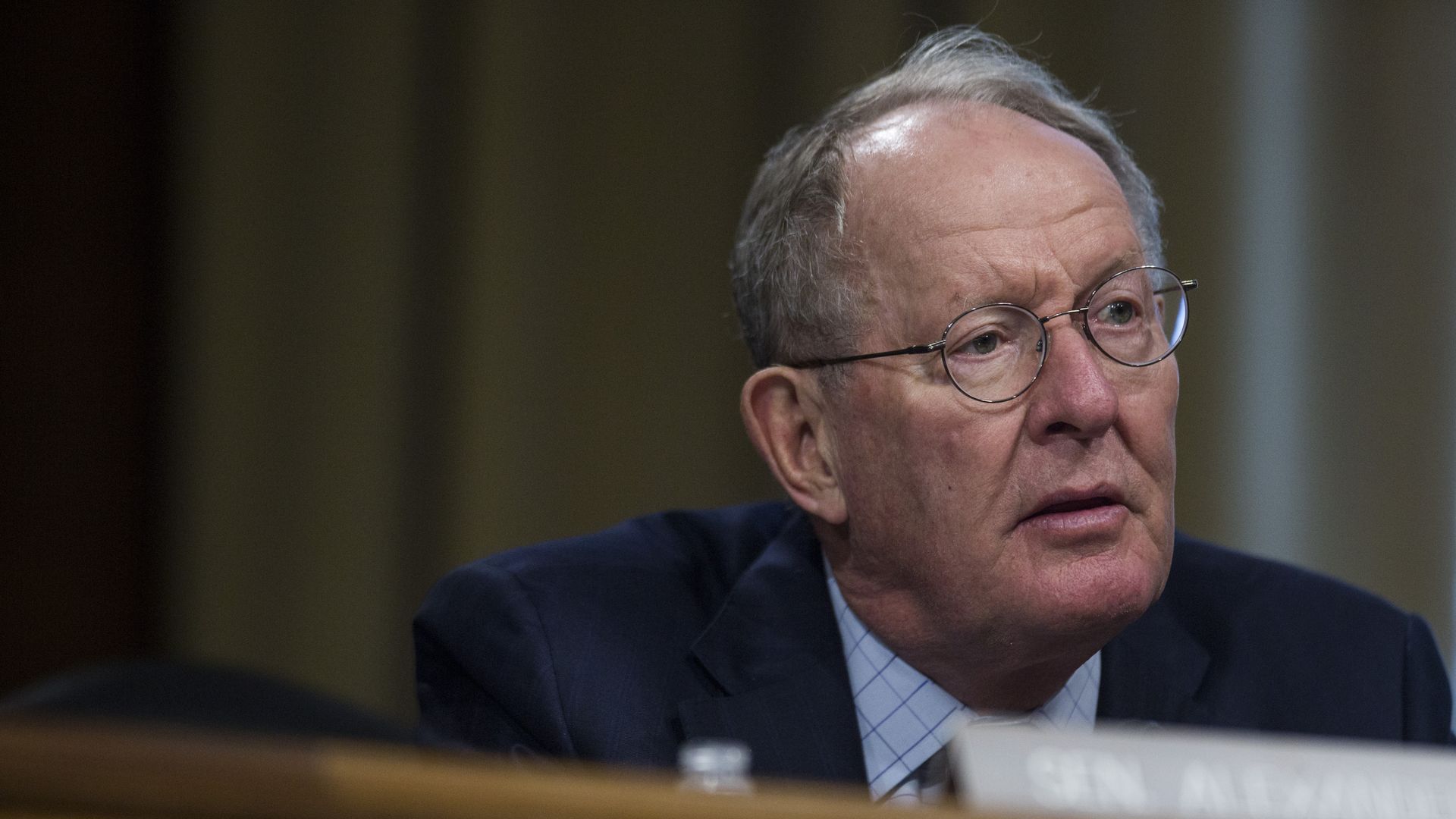
Sens. Lamar Alexander and Susan Collins have proposed a market stabilization package that would include funding for the Affordable Care Act's cost-sharing reduction subsidies for three years, three years of federal reinsurance at $10 billion a year, additional ACA waiver flexibility for states, and expanded eligibility for "copper" plans.
- Alexander presented the plan yesterday to America's Health Insurance Plan's board of directors, adding that if Democratic leadership supports the bill, “it’ll be law by the end of next week." Alexander has long said the package should be included on the omnibus spending bill.
Between the lines: This doesn't solve the partisan dispute over abortion language, as it'd bar plans that offer abortion coverage from receiving federal subsidies. But it hints that there's Republican support behind a set of policy changes that could substantially lower premiums ahead of the 2018 elections.

Marilyn Tavenner leaving AHIP
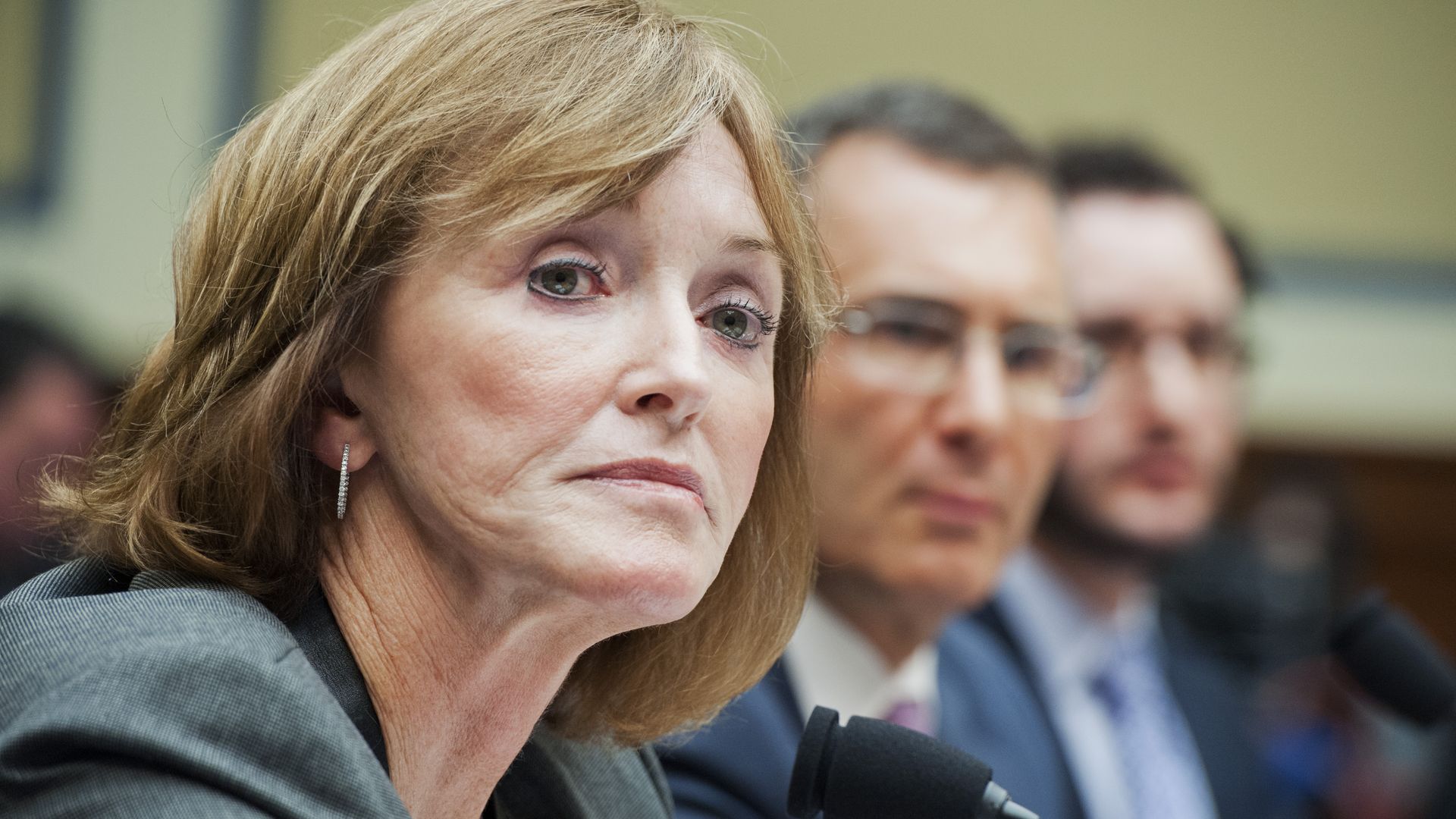
Marilyn Tavenner is stepping down as CEO of America's Health Insurance Plans, the health insurance industry's leading lobbying organization. She will be replaced by Matt Eyles effective June 1.
Between the lines: Tavenner, who was the top Medicare and Medicaid official under the Obama administration and also helped oversee the rollout of the Affordable Care Act, had a rocky tenure in her three years at AHIP. Several of the largest insurance companies left the organization, and Republicans were not responsive to some of the industry's biggest concerns during the repeal-and-replace debate.

Why the U.S. spends so much on health care

A new study published in the Journal of the American Medical Association reiterates 3 important things that health care wonks already know, but which our political system can't seem to internalize: (1) The U.S. spends wildly more than other countries, including other rich countries, on health care. (2) The U.S. does not have better health outcomes — all that money isn't buying us better health. (3) The U.S. doesn't use that much more health care than other countries. We just pay much higher prices for what we do use.
Why it matters: As we've said before, if you want to spend less money on health care, somebody in the health care system has to get less money, which is what makes it so difficult. And there's certainly an argument for spending a lot on health care — but you'd hope to be healthier as a result.
Pharma CEO Andrew Witty switches teams

One year after leaving British pharmaceutical giant GlaxoSmithKline, Andrew Witty is becoming CEO of Optum, the conglomerate owned by UnitedHealth Group. One of Optum's largest businesses is its pharmacy benefit manager, which negotiates down drug prices from companies like GlaxoSmithKline.
Why it matters: Witty, a critic of high drug prices who also is a paid UnitedHealth board member, is moving to the other side of the pharmaceutical bargaining table. It's also worth noting that under Witty's watch, GlaxoSmithKline had to pay China a $489 million fine over bribery and corruption charges.