Friday's health stories

Pfizer hikes drug prices by 20%
Since January, pharmaceutical giant Pfizer has raised the list prices of 91 drugs by an average of 20%, the Financial Times reports. Pfizer made one round of price increases in January, and another just went into effect. The list price does not factor in rebates or discounts, but Pfizer's increases are still far beyond the rate of economic inflation.
Why it matters: Politicians and consumers have ripped into the drug industry and have strongly supported proposals to lower drug costs. Some companies have made pledges to limit price hikes. But Pfizer's decision indicates public pressure has not forced companies to change their pricing practices, and some firms have no qualms about maintaining the status quo.
Health care remains a jobs anchor in May
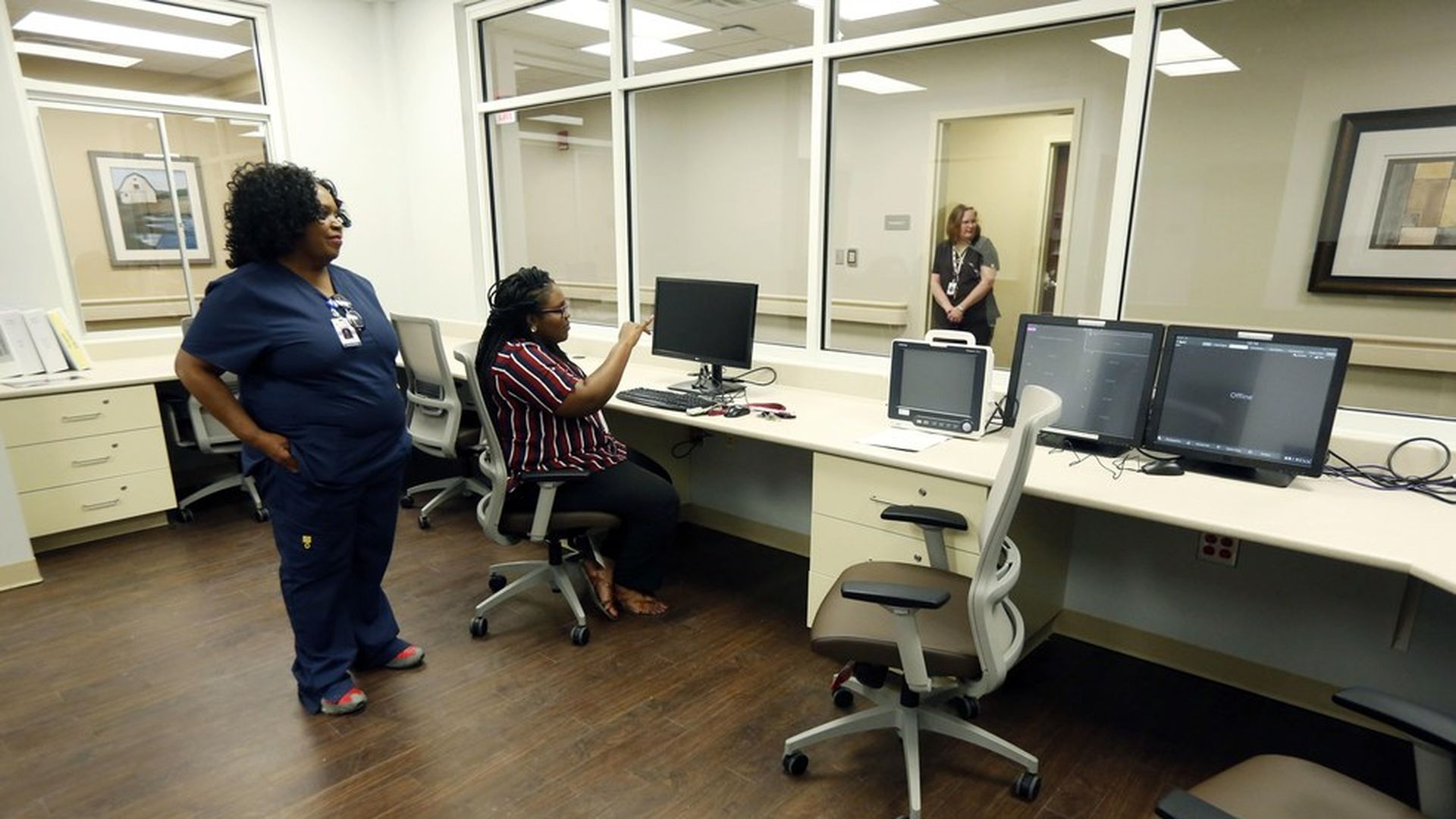
Health care organizations have slowed their pace of hiring, but the industry is still anchoring American job growth. Health care added 24,300 jobs in May, according to the Bureau of Labor Statistics. Health care employment has risen by 108,000 jobs so far in 2017.
Food for thought: Many jobs in hospitals and outpatient centers provide decent incomes, but the hiring boom has turned into a major problem for a health care system that cannot control spending. The rising costs of employee salaries and benefits, coupled with stagnant or declining federal payments, could lead to layoffs at hospitals.
Nebraska's ACA market faces prospect of zero insurers
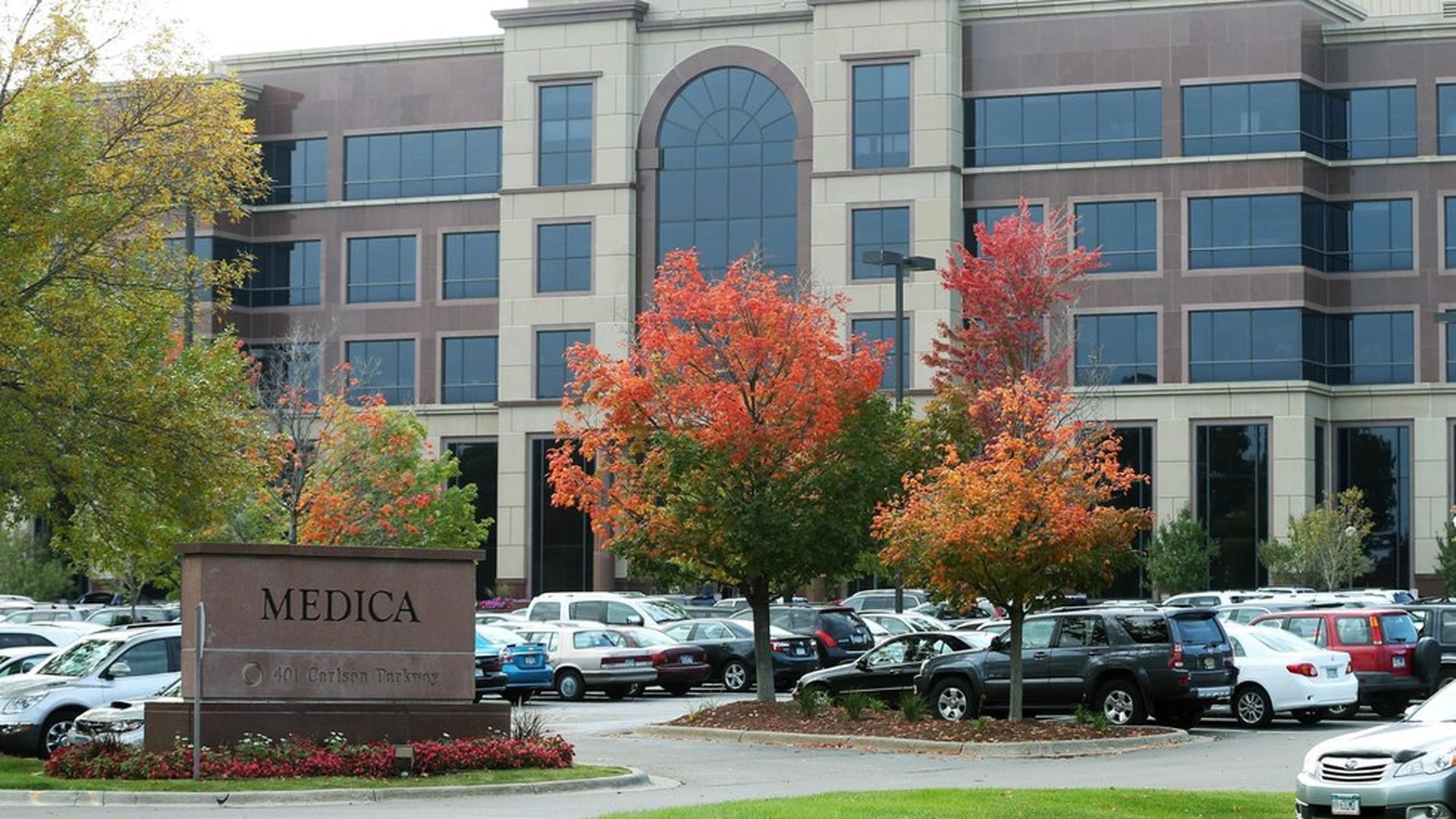
Nebraskans face the dire prospect of having no individual health insurance options in the Affordable Care Act market, the Omaha World Herald reports. Blue Cross and Blue Shield of Nebraska already had pulled out of most of its ACA plans, and the last insurer, Medica, is wavering and hasn't made a final decision yet.
Why it matters: Nebraska's ACA marketplace is starting to resemble its neighbor Iowa's, which poses problems for tens of thousands of people buying health coverage on their own.
Pennsylvania ACA rates will soar if Trump and Congress make changes

Pennsylvania consumers who buy health insurance through the Affordable Care Act are in line for some price shock next year — if the Trump administration and Congress take actions that weaken the law.
That was the blunt warning issued today by Insurance Commissioner Teresa Miller. Pennsylvania's 2018 individual ACA rate increases, aggregated across the five insurers that will sell plans:
- If the individual mandate is repealed and cost-sharing subsidies are not paid: 36.3%
- If nothing is changed: 8.8%
What this means: Health insurers have made it clear that to keep premiums stable, they need the cost-sharing subsidies and mandate requiring everyone buy insurance. Higher rates would be a direct result of President Trump and Congress undermining the ACA as it is written.
Worth noting: While an 8.8% premium hike for individual plans and 6.6% increase for small-employer plans are more in line with medical cost trends, those rates are still well above inflation and would be felt more by people who don't receive subsidies.
ACA health insurer gets another $160 million

Bright Health, a startup health insurance company that only sells Affordable Care Act plans in the individual market, has raised $160 million in a new round of venture capital funding.
New investors: Greenspring Associates, Greycroft Partners, Redpoint Ventures and Cross Creek Advisors. Bright Health's original investors — New Enterprise Associates, Bessemer Venture Partners and Flare Capital Partners — also joined the funding round.
What to watch for: Bright Health has raised $240 million in venture capital since its founding last year, and the company will expand its ACA footprint and offer Medicare Advantage plans in 2018. Bright Health, led by former UnitedHealthcare CEO Bob Sheehy, just started selling ACA plans this year, and only in Colorado. The plans include only one in-network system of hospitals and doctors, called Centura Health, and future plans in other states will feature a similar narrow network.
ACA changes are aiding online health brokers
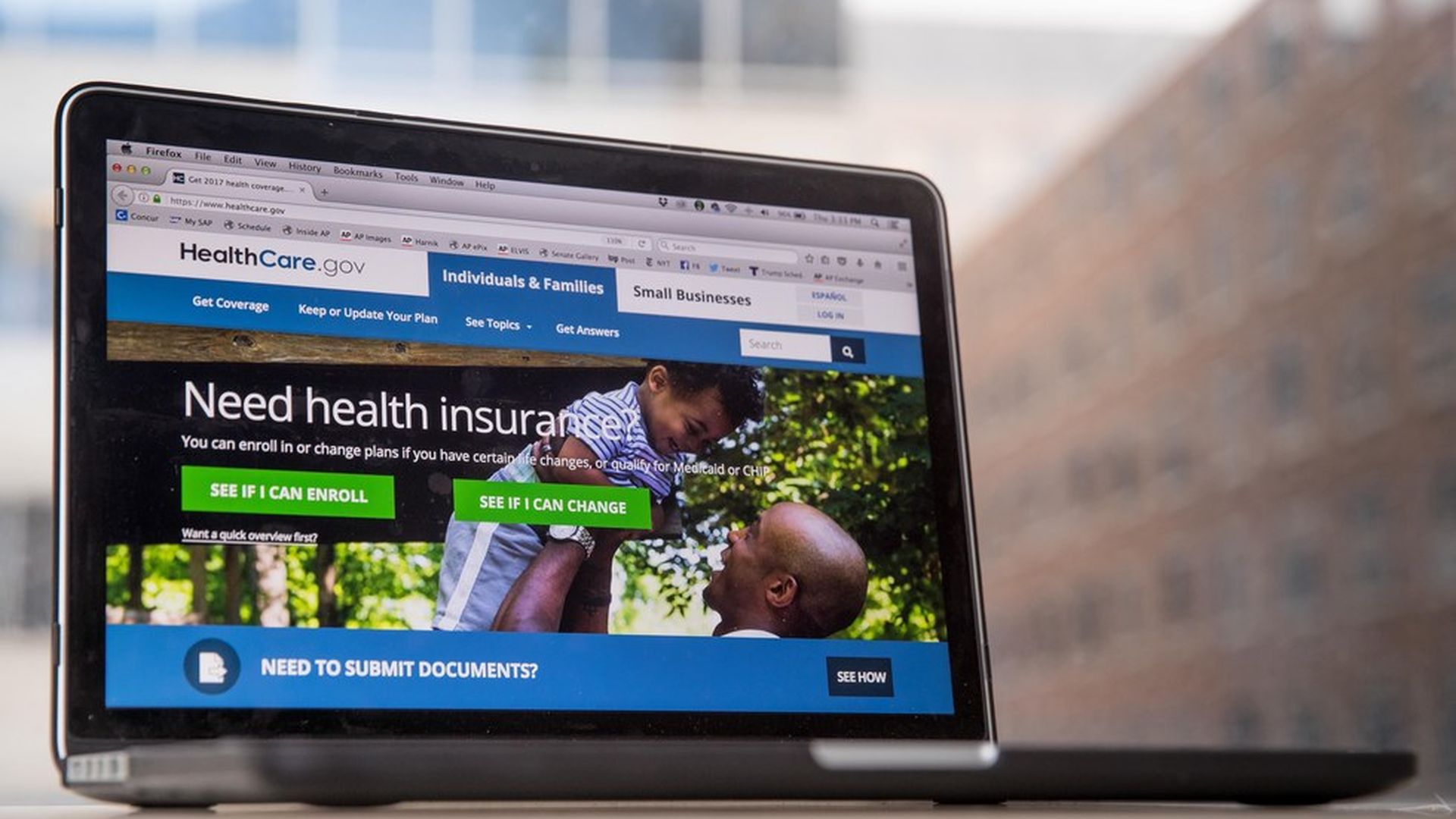
Two new federal policies will tinker with Affordable Care Act enrollment and make online insurance brokers a lot happier. During the next open-enrollment period, individual ACA shoppers and those who work in small businesses will be able to sign up for health coverage directly from web brokers like eHealth instead of getting redirected to HealthCare.gov.
Why it matters: The changes make it clear that if the Trump administration has to carry out the law, it will put more control into the hands of the private sector. More people could ultimately sign up for ACA plans if they don't have to bounce around different websites, but there are concerns that web brokers might direct people toward health plans that aren't the best fit.