Thursday's health stories

Moderates, conservatives cut tentative new Trumpcare deal
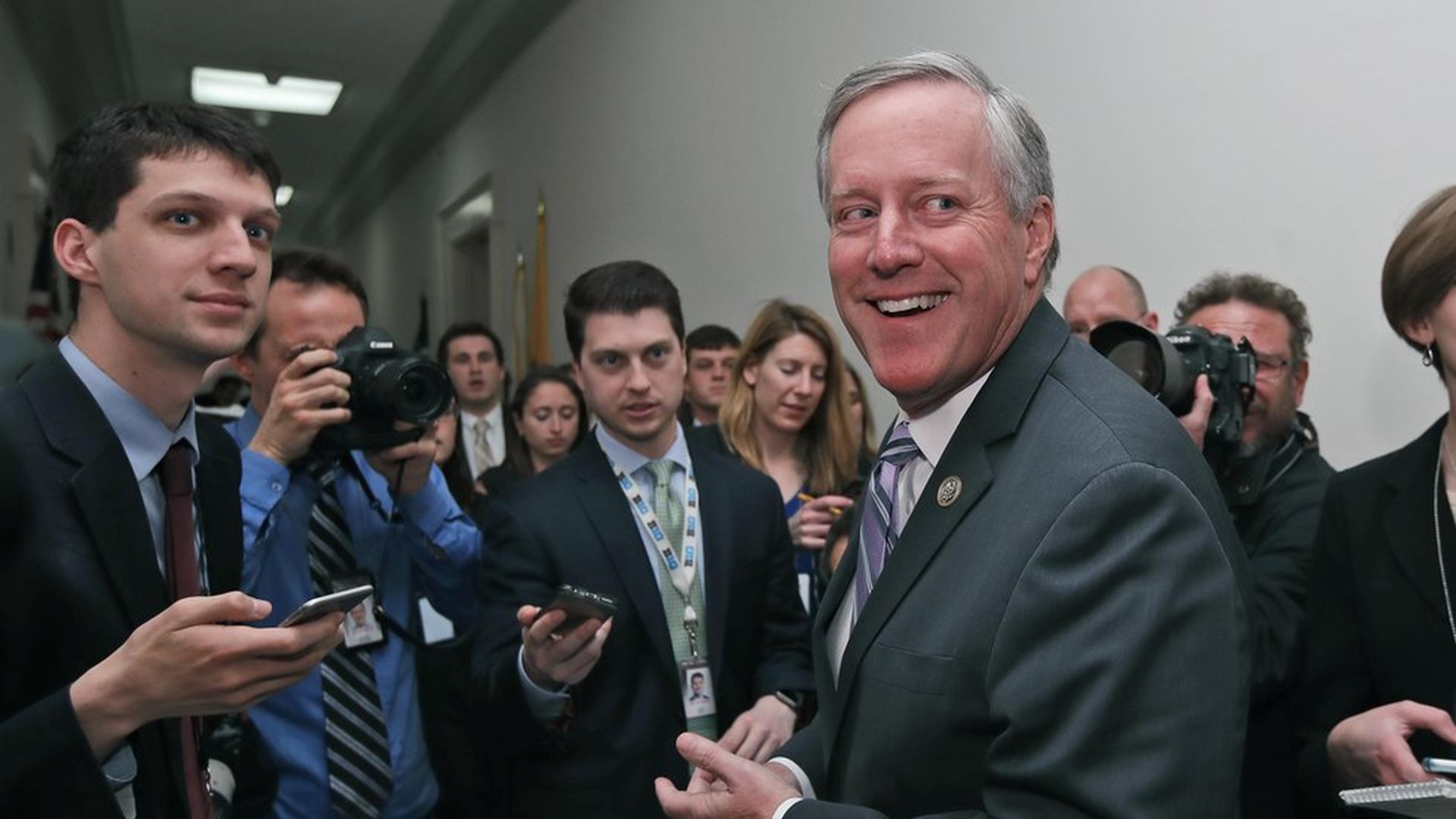
House Freedom Caucus chairman Mark Meadows and Tuesday Group co-chairman Tom MacArthur have reached a tentative Trumpcare deal, according to the Huffington Post:
- Pre-existing conditions: States could get waivers to get around the rule prohibiting insurance companies from charging higher premiums to people with pre-existing conditions. They'd have to be part of a federal high-risk pool or set up their own before getting the waivers
- Essential Health Benefits: Benefits like prescription drug coverage, pregnancy and mental health services would be included again in the bill, but states could get a waiver for that too if they prove it would lower premiums, help cover more people or provide some other benefit to people.

Drug tech company ZappRx nabs $25 million funding round
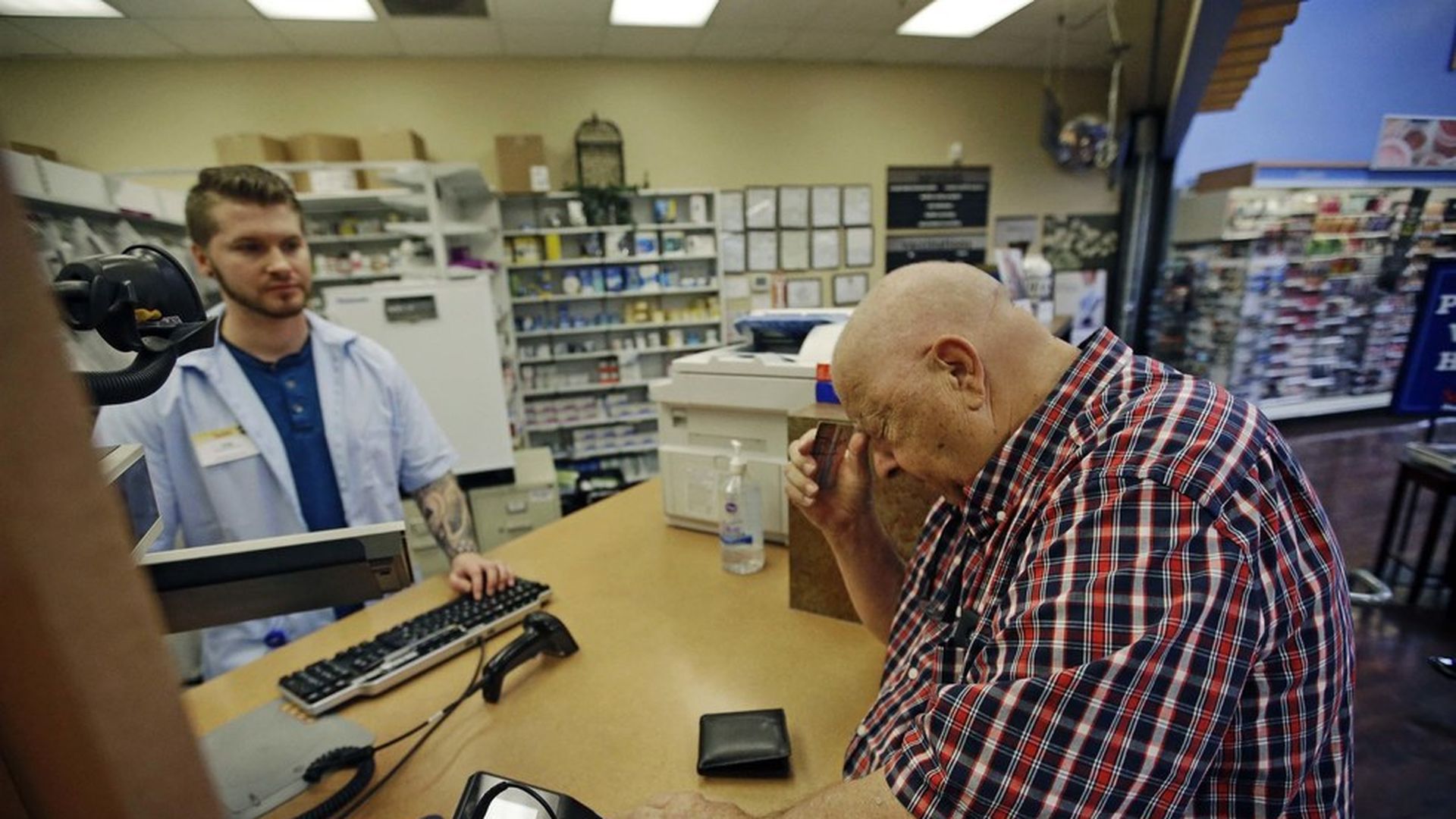
Health care startup ZappRx has raised $25 million in a new round of funding led by the health care arm of Qiming Venture Partners. Other big names in ZappRx's round were GV, the venture capital hub of Google and Alphabet, and SR One. The company has now raised $41 million and will use the money to scale nationally.
What ZappRx does: It gets specialty drugs to patients faster by cutting administrative waste. ZappRx CEO Zoe Barry started the company in 2012 after her brother, who has epilepsy, had to wait more than nine months to get the medication he needed. It usually takes 19 minutes for providers to fill out enrollment and prior authorization forms for many specialty drugs, but Barry says her company's technology gets that down to just under two minutes.
Context: Specialty medicines, or those that treat complex and chronic conditions, are a primary cause behind the country's rising prescription drug spending. ZappRx is designed to get patients the treatment they need more quickly, but it doesn't address drug pricing itself.
Providers overwhelmingly back Pence's Medicaid expansion
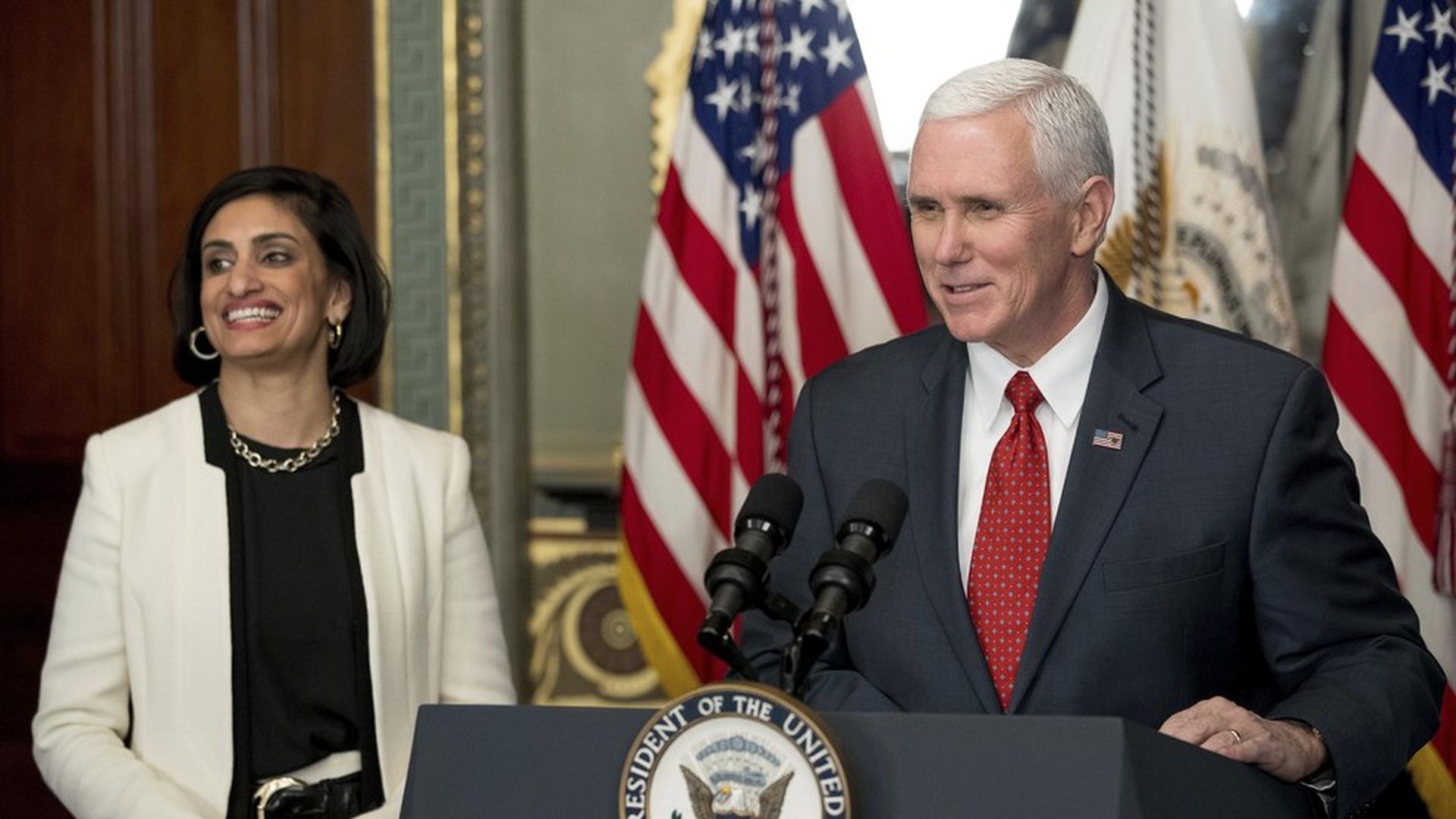
Indiana's conservative twist on Medicaid expansion — approved when Mike Pence was governor — has solid support among health care providers in the state. The two main reasons: It pays better than standard Medicaid rates, and they prefer it to no expansion at all, which would have left them on the hook for more charity care.
Why it matters: A big problem with Medicaid is getting enough doctors and other providers to participate — so when they support the program, they're going to treat more Medicaid patients. That works out better for everyone, and it's more likely to make Indiana a model for for other Republican-led states to change their Medicaid programs.