A rat-tat-tat burst of events Wednesday could mark a turning point in pressure against Big Oil to act more aggressively on global warming.
Catch up fast: In a span of hours, ExxonMobil shareholders voted to add at least two new board members nominated by activist investors (a third nominee's vote is outstanding).
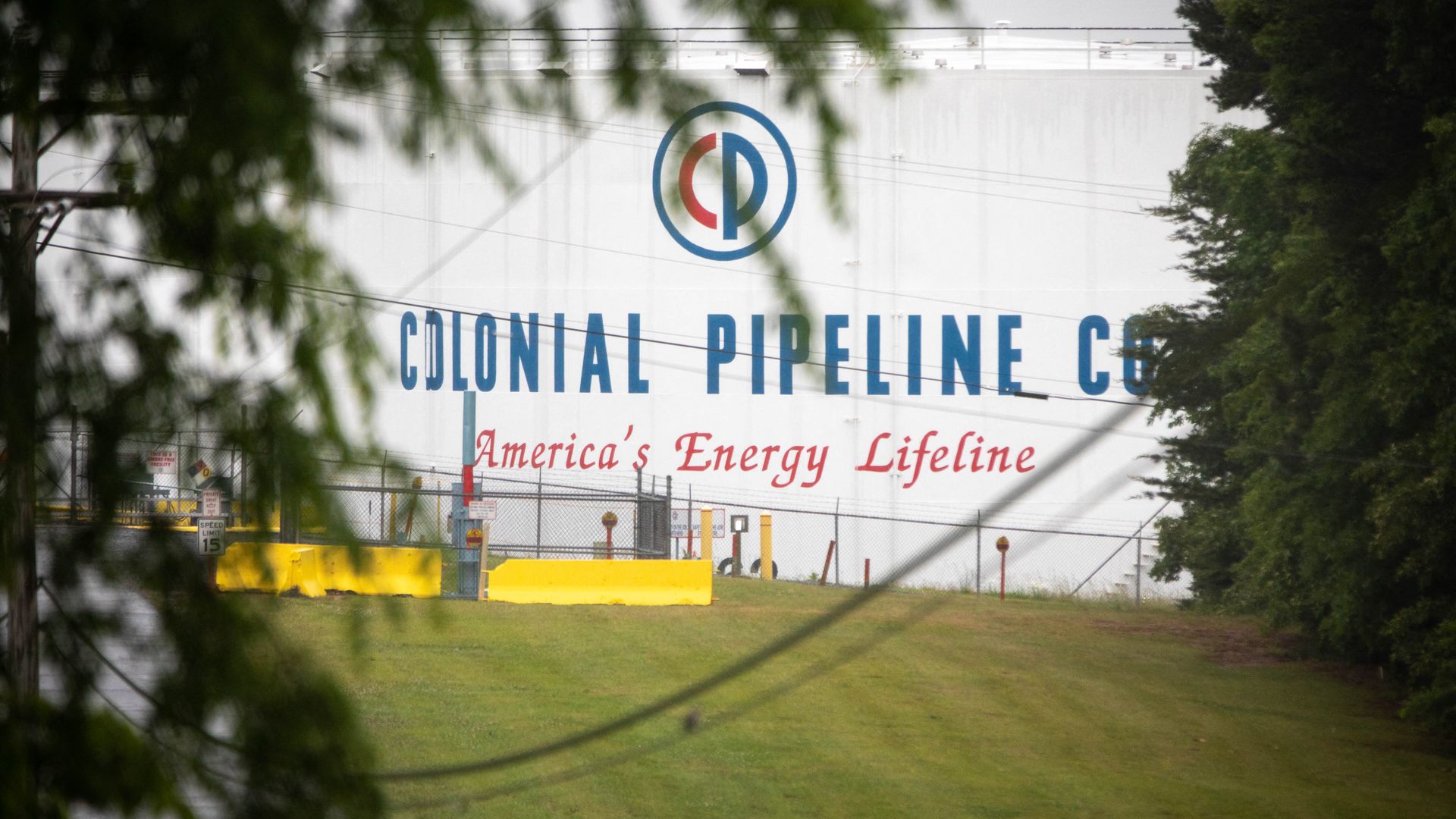
A new directive will require pipeline operators to report confirmed and potential cybersecurity incidents to the Cybersecurity and Infrastructure Security Agency, the Department of Homeland Security announced Thursday.
Why it matters: It's the first set of new regulations for the pipeline industry since the Colonial hack, which hampered part of the East Coast's fuel supply. The new rules will help "to better identify, protect against, and respond to threats to critical companies in the pipeline sector," DHS said in a statement.
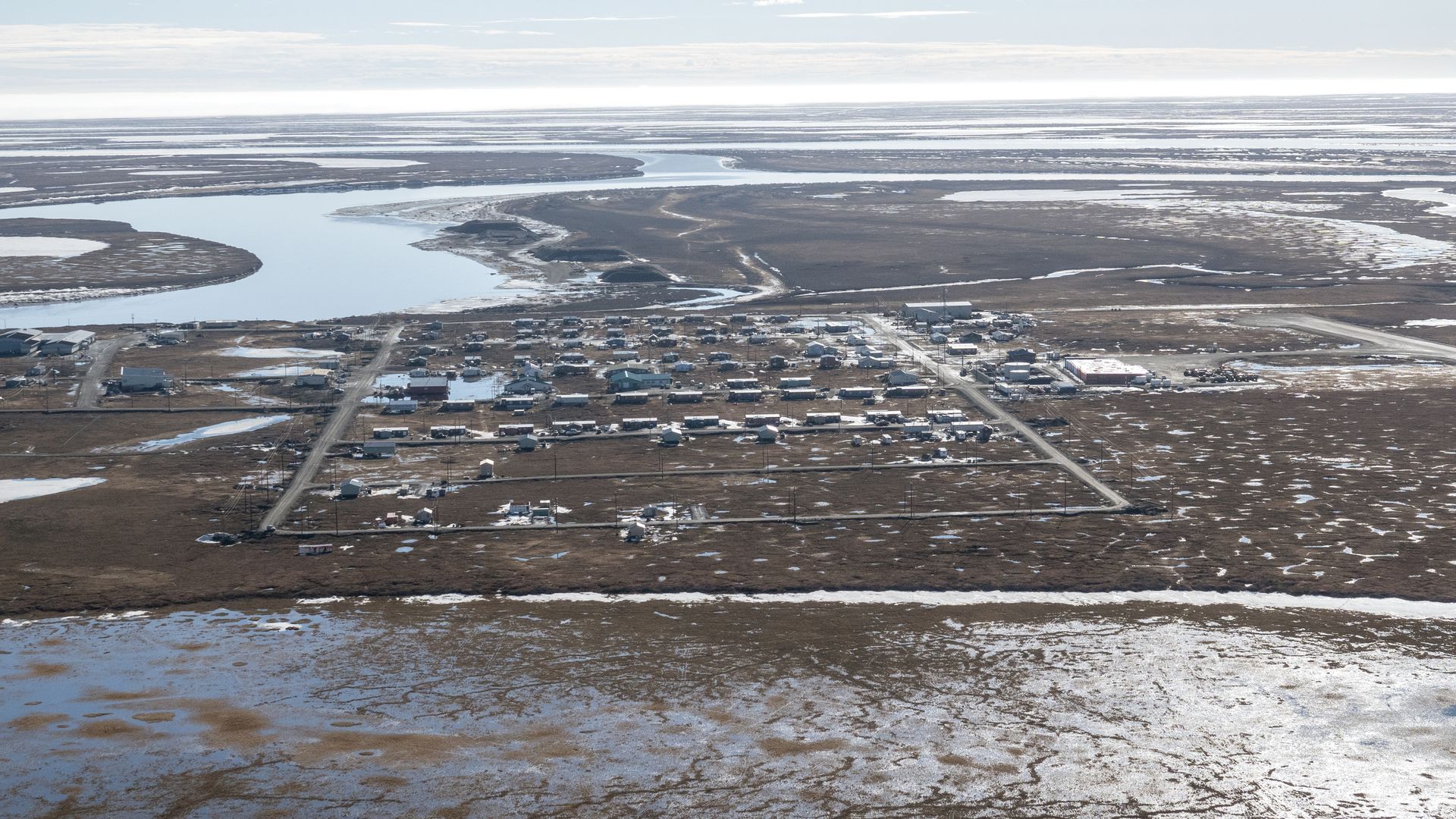
The Biden administration on Wednesday defended in the U.S. District Court for Alaska a massive ConocoPhillips oil and gas project approved during the Trump-era, per the New York Times.
Why it matters: President Biden has pledged to move away from fossil fuels. But the project has the backing of officials including Sen. Lisa Murkowski (R-Alaska) — who's viewed as a potential ally for Biden in his attempts to push through policies in an evenly divided Senate, NYT notes.
The world is increasingly likely to see a year in which global average surface temperatures meet or exceed the Paris Agreement's ambitious temperature target of 1.5°C (2.7°F) above preindustrial levels, a new report predicts.
Why it matters: Limiting warming to 1.5°C is an existential matter for small island states, which could be swamped by rising sea levels if temperatures climb higher. While a single year would not indicate the treaty's 1.5-degree target has been exceeded permanently, it would be a significant milestone.
Exxon shareholders, bucking company management, voted to install at least two new members to the oil giant's board in a push to make Exxon more aggressive on addressing climate change and more disciplined in its oil investments.
Why it matters: Exxon management campaigned strongly against the entire slate of four people nominated by Engine No. 1, the activist investment group whose campaign was backed by several major pension funds.
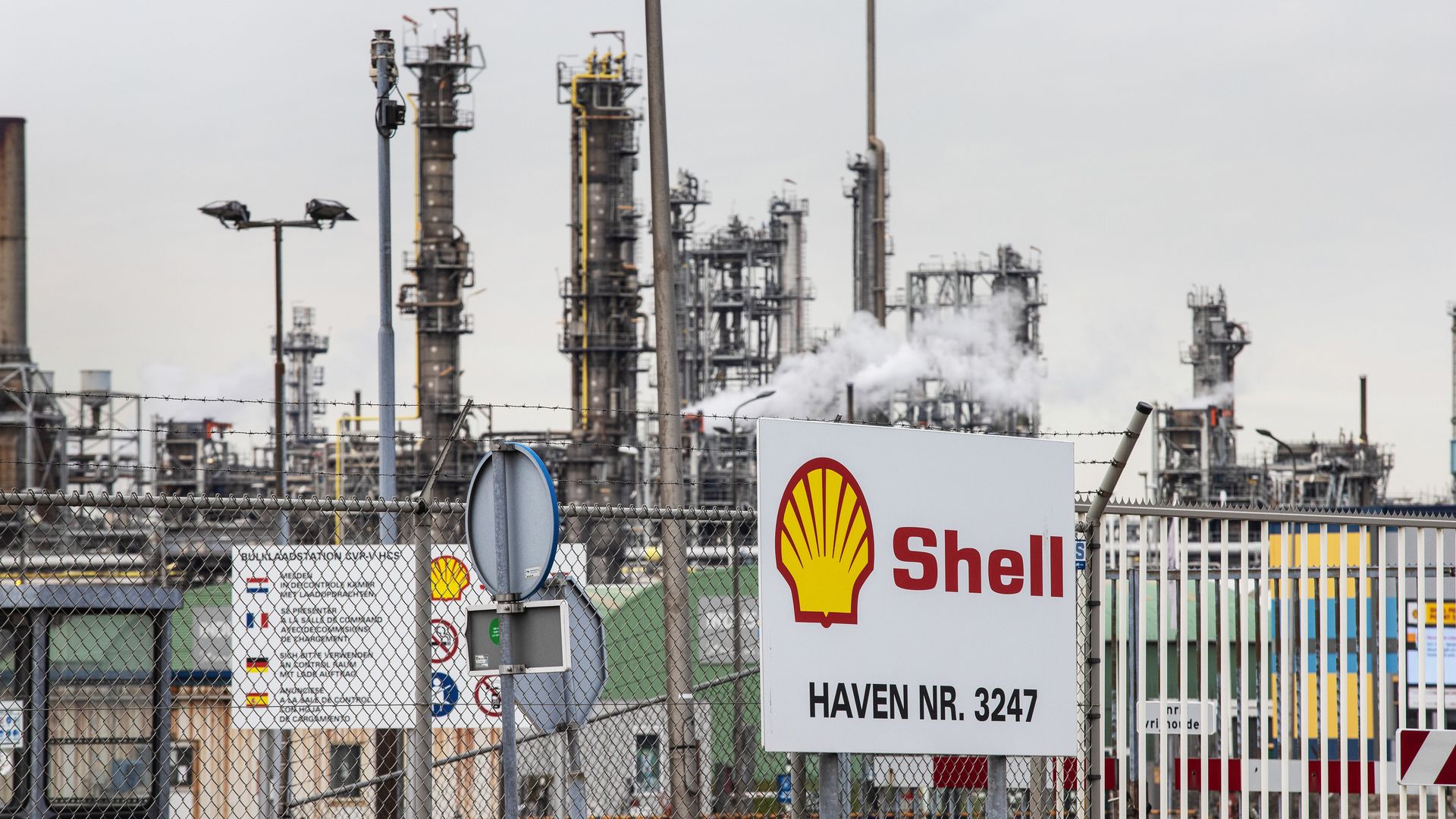
In a precedent-setting ruling, a Dutch court ruled Wednesday in favor of environmentalists and more than 17,000 residents of the Netherlands, by ordering Royal Dutch Shell to cut its emissions of greenhouse gases.
Why it matters: It’s the first court ruling that orders a major oil company to make its emissions plans more consistent with Paris Climate Agreement targets, and it could spur legal action against other oil and gas firms.
Ford announced Wednesday plans to invest $30 billion in vehicle electrification efforts by 2025, and the company said it anticipates that 40% of its global sales by 2030 will be fully electric vehicles, per a news release.
Why it matters: Ford CEO Jim Farley said the new initiative — called "Ford+" — is the company's largest opportunity for growth since "Henry Ford started to scale the Model T," signaling just how lucrative Ford leaders think the electric vehicle market will become.
Bills aimed at trapping industrial carbon emissions or pulling CO2 directly from the atmosphere are piling up in Congress — and instead of the usual gridlock, some of them may actually gain momentum.
Why it matters: Scientists say that these emerging technologies, neither of which is economically available at scale, are going to be needed in potentially large amounts in order for the U.S. to go from the second-largest emitter of greenhouse gases, to a nation that absorbs more carbon than it releases.








/2021/05/26/1621994265928.gif?w=3840)