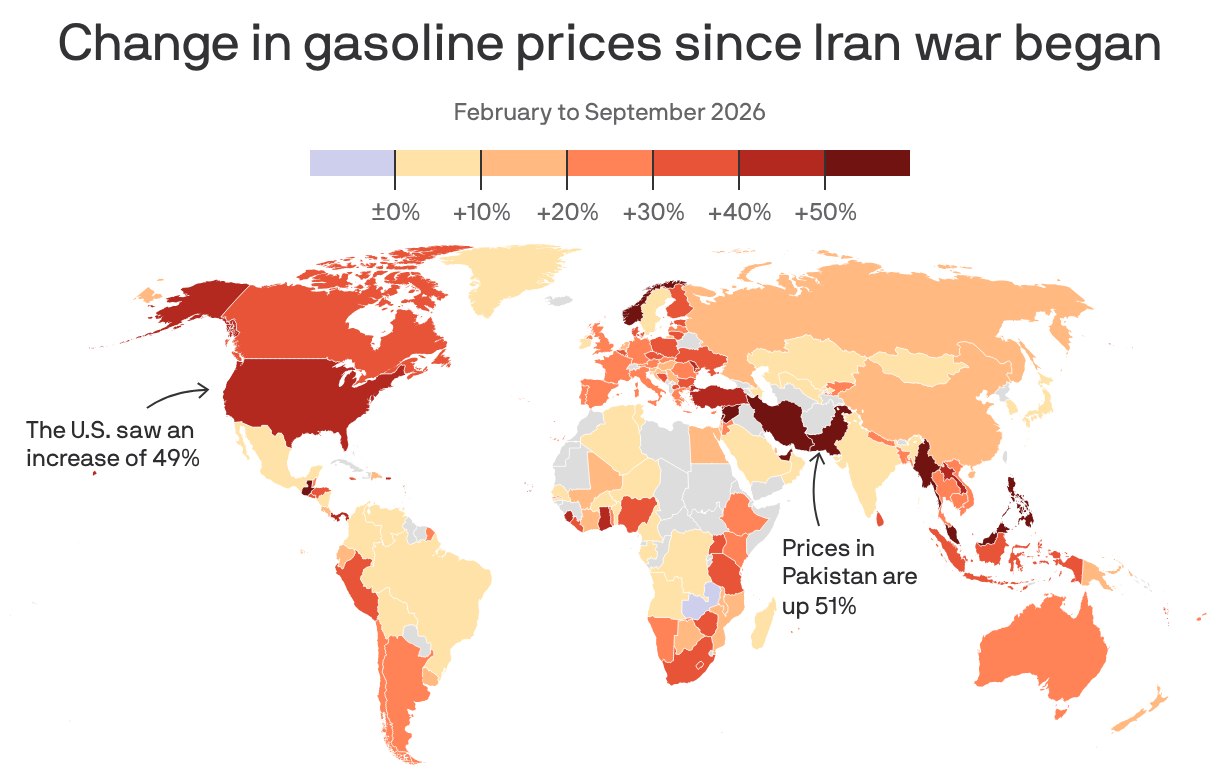
Data: Axios research. Note: Some countries use a quota system for gasoline. Malaysia's figure reflects the unsubsidized market rate. Chart: Noah Bressner/Axios
The Iran war is driving fuel prices higher worldwide, leading to angry protests around the globe and straining the economies of countries that have nothing to do with the war.
Why it matters: It's not just driving up prices in the U.S. The war is causing problems around the world — in some cases far worse than anything Americans are experiencing.
A handful of specific AI use cases highlight an opportunity for the technology to overcome some of America's widespread skepticism and win broader trust, according to a new Morning Consult poll shared exclusively with Axios.
The big picture: Practical applications that keep people alive, safe and protected from scams could prompt skeptics to reconsider their attitudes.
And the award for honesty in oil market analysis goes to ... J.P. Morgan!
"For the first time since the start of the Iran conflict, we don't have a baseline view. We simply don't know how to model the endgame," bank researchers said in a note (emphasis added).
Why it matters: While the phrasing is unusually blunt, the sentiment is shared to varying degrees.
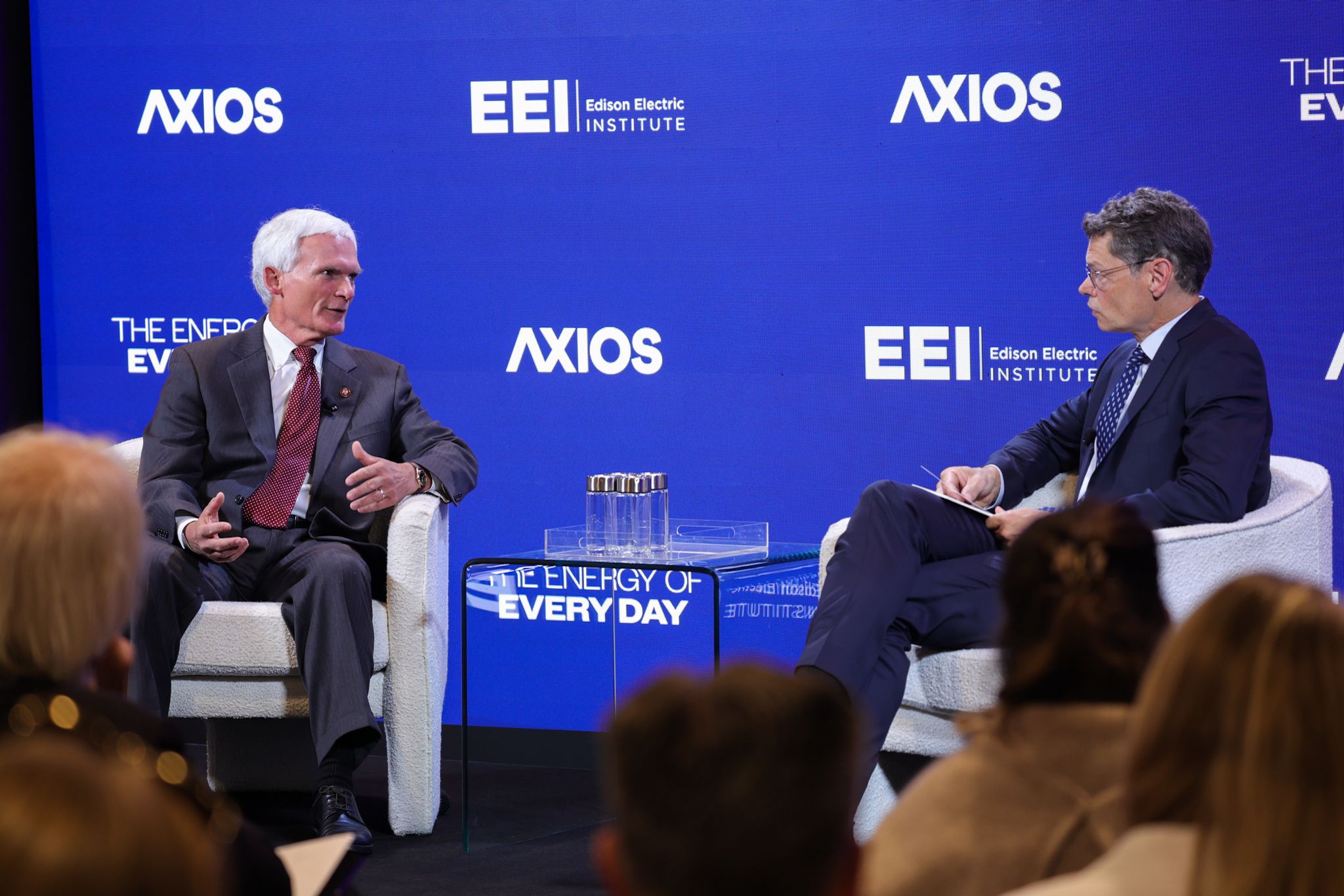
Rep. Bob Latta (R-Ohio) speaks with Axios' Hans Nichols during an Axios Live event in D.C., on Sept. 15. Photo: Bryan Dozier for Axios
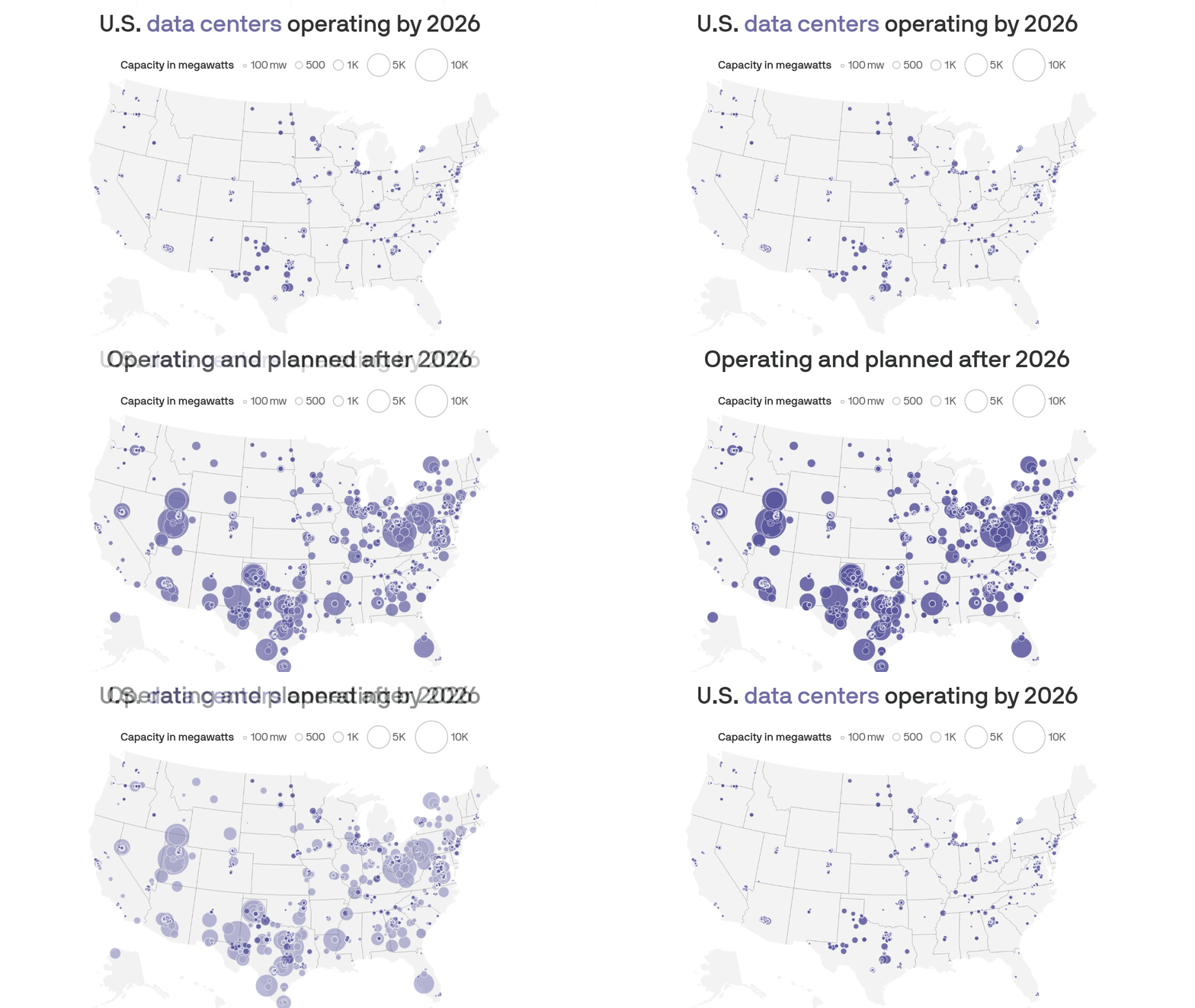
WASHINGTON — Lawmakers agree that consumers shouldn't fund the massive power needs of AI data centers. They're less aligned on whether Congress will actually stop that from happening.
Why it matters: The AI boom is colliding with an aging grid and long waits for new power projects — forcing policymakers to figure out how to add power fast without sticking households and businesses with the bill. Data centers are also emerging as one of this midterm cycle's most volatile political issues.