Suspected Iran-linked cyberattacks are exposing long-standing vulnerabilities in fragmented U.S. drinking water systems facing aging infrastructure and intensifying climate threats.
Why it matters: Drinking water systems disruptions can threaten public health and essential services, while many utilities—especially smaller ones—lack the staff and resources to strengthen their defenses..
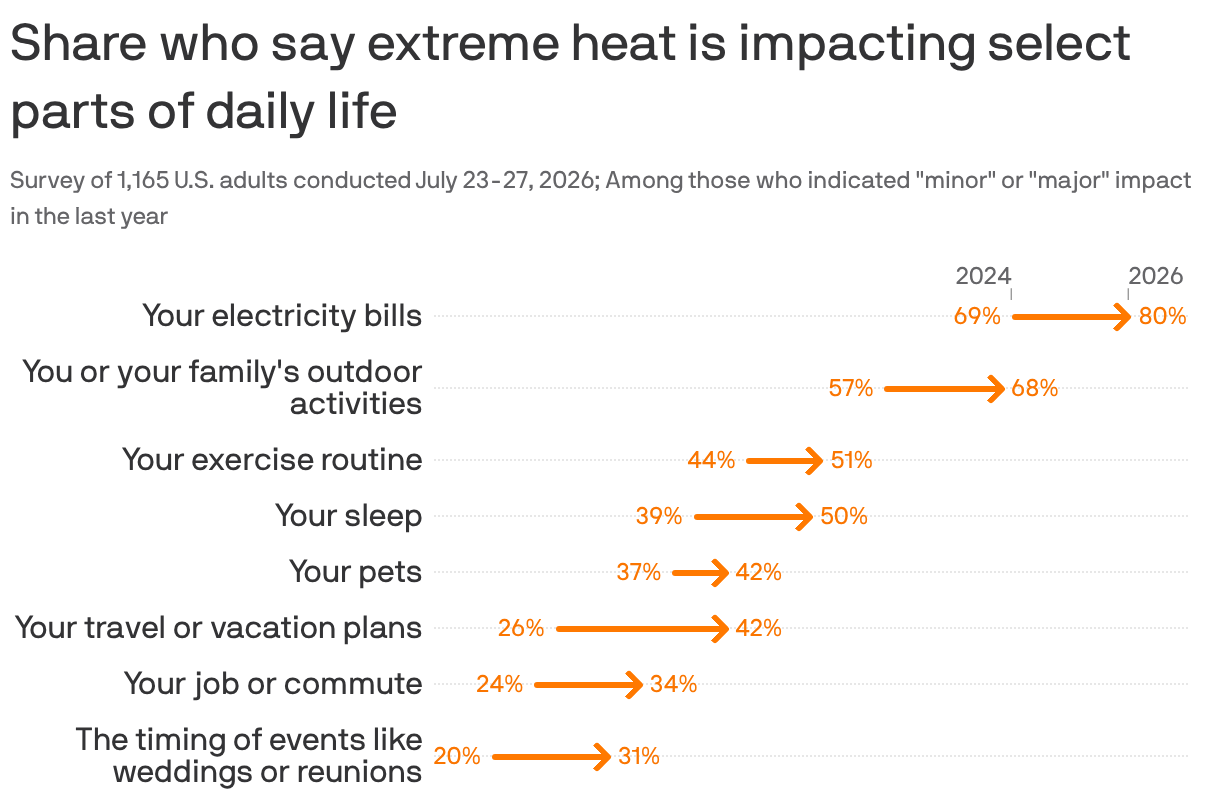
Greater shares of Americans now say that extreme heat has affected various parts of day-to-day life compared to just two years ago.
Why it matters: The findings, from the AP-NORC Center for Public Affairs Research, suggest that people are increasingly aware of extreme heat's impact on their health, budgets, travel plans and more.
The leaders of America's biggest companies are much less optimistic than they were before the start of the war earlier this year, according to a survey of Fortune 500 leaders out Thursday morning.
Why it matters: When leaders are feeling optimistic, they push for more hiring, capital investment and dealmaking, and that drives growth in the economy and markets.
And all of that is critically important right now — businesses' AI infrastructure spending is a key driver of GDP growth. Regular folks, meanwhile, are struggling in the face of rising prices.
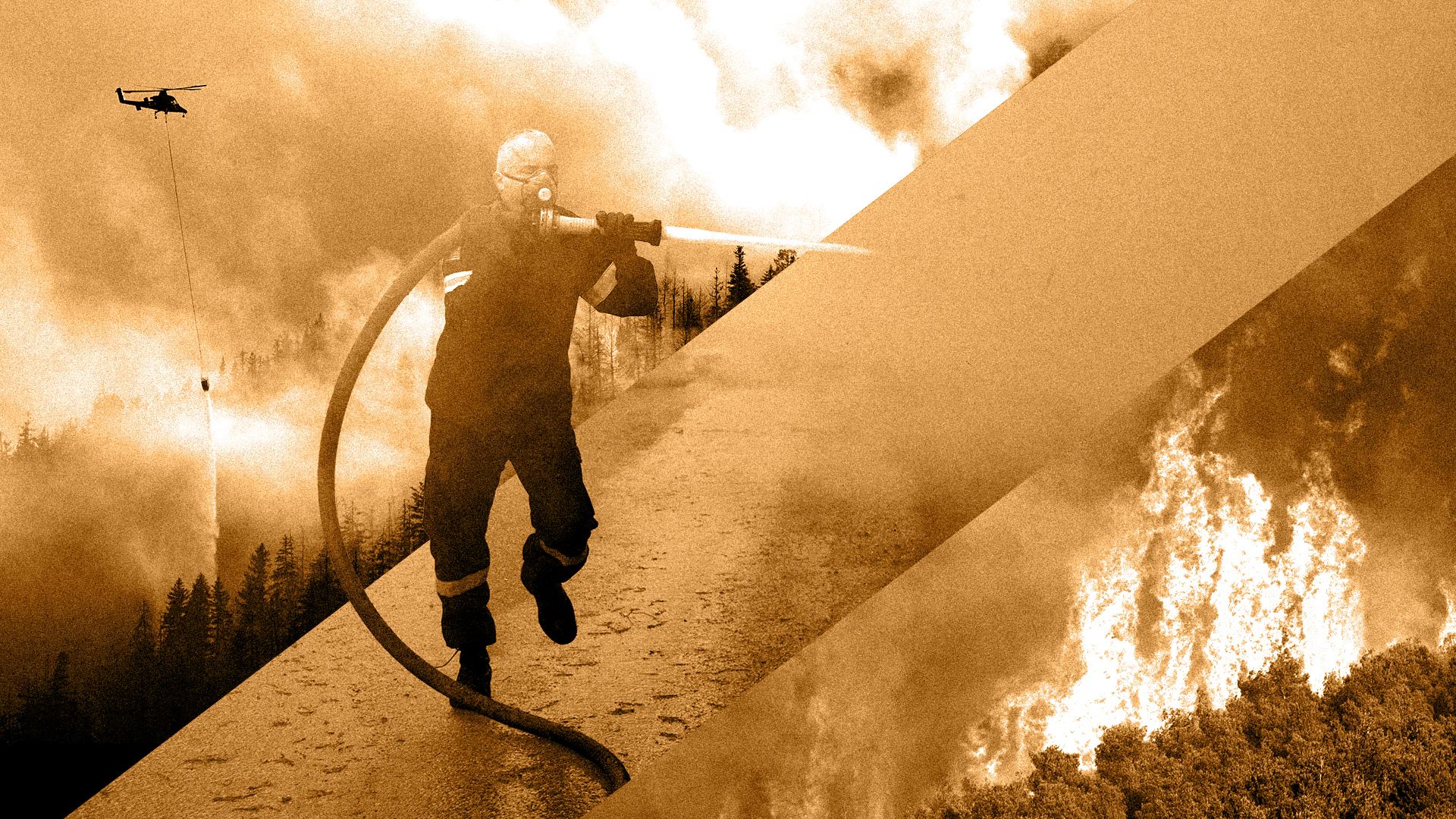
SEATTLE — Wildfire smoke blanketing this coastal city and much of the West is bringing an ominous reminder that the reach of destructive fires is growing.
Why it matters: Climate scientists study how global warming increases the odds of wildfire. People living through it are confronting a more immediate question: where is truly safe anymore?