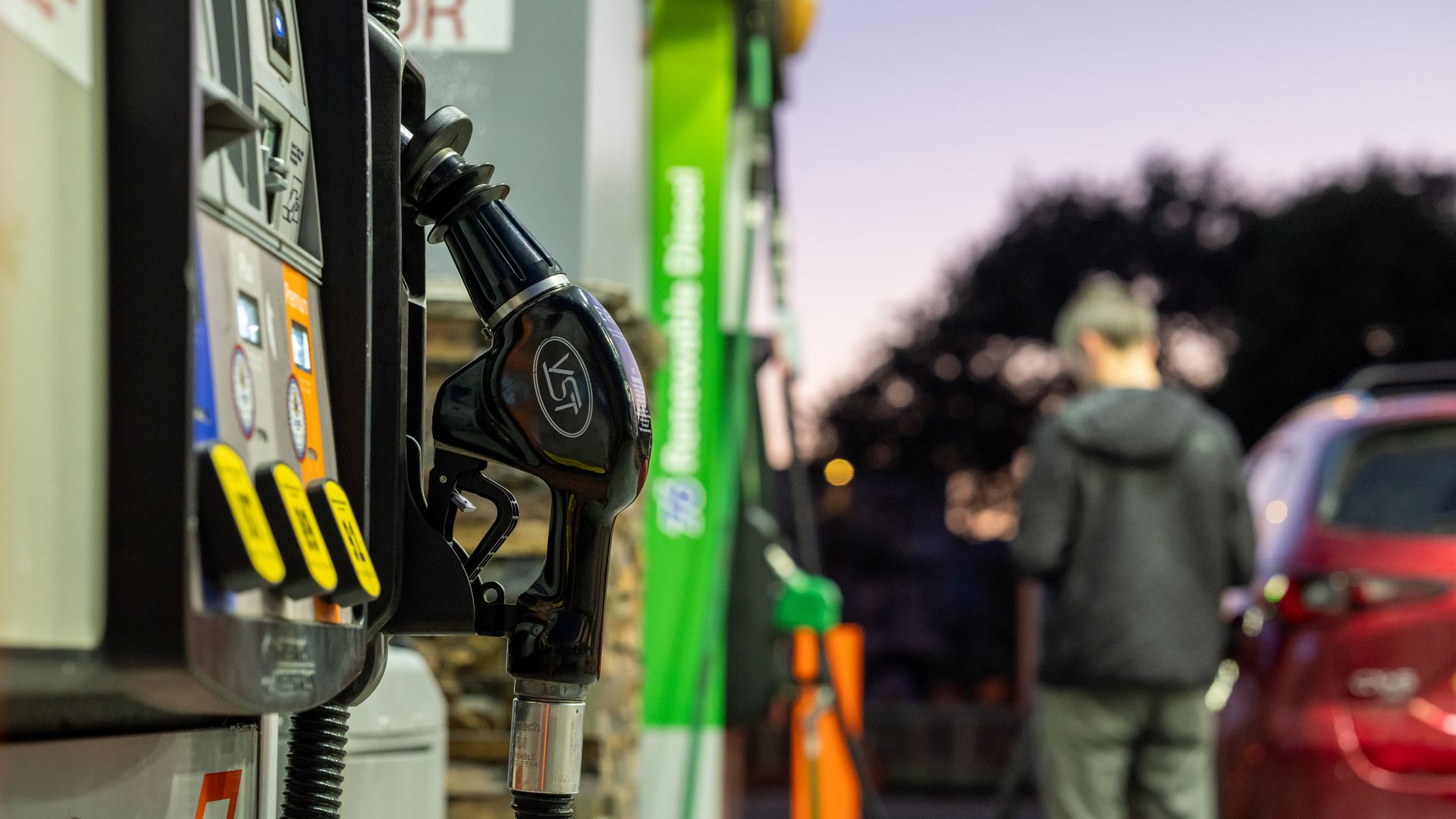
Inflationhit the highest rate in over three years in May, as the economic fallout from the Iran conflict ripples through the U.S. economy.
Why it matters: Inflationary pressures tied to the war keep building, squeezing household budgets and raising the risk that interest rates stay higher for longer.
With the Iran war now over 100 days old, here's the latest rolling snapshot of how it's driving changes in energy markets.
The big picture: Global oil use is going down (in the short term), UN climate officials are using the crisis to push for clean energy, and coal is getting more use in the Asia-Pacific region.
Antares' advanced reactor, Mark-0, hit criticality this month at Idaho National Laboratory, meaning it reached a self-sustaining chain reaction.
Another chain reaction within the national security community quickly followed.
Why it matters: Today's battlefields and bases are rife with energy hogs. Drone batteries need charging; computers and servers and networks and radars need to stay online.
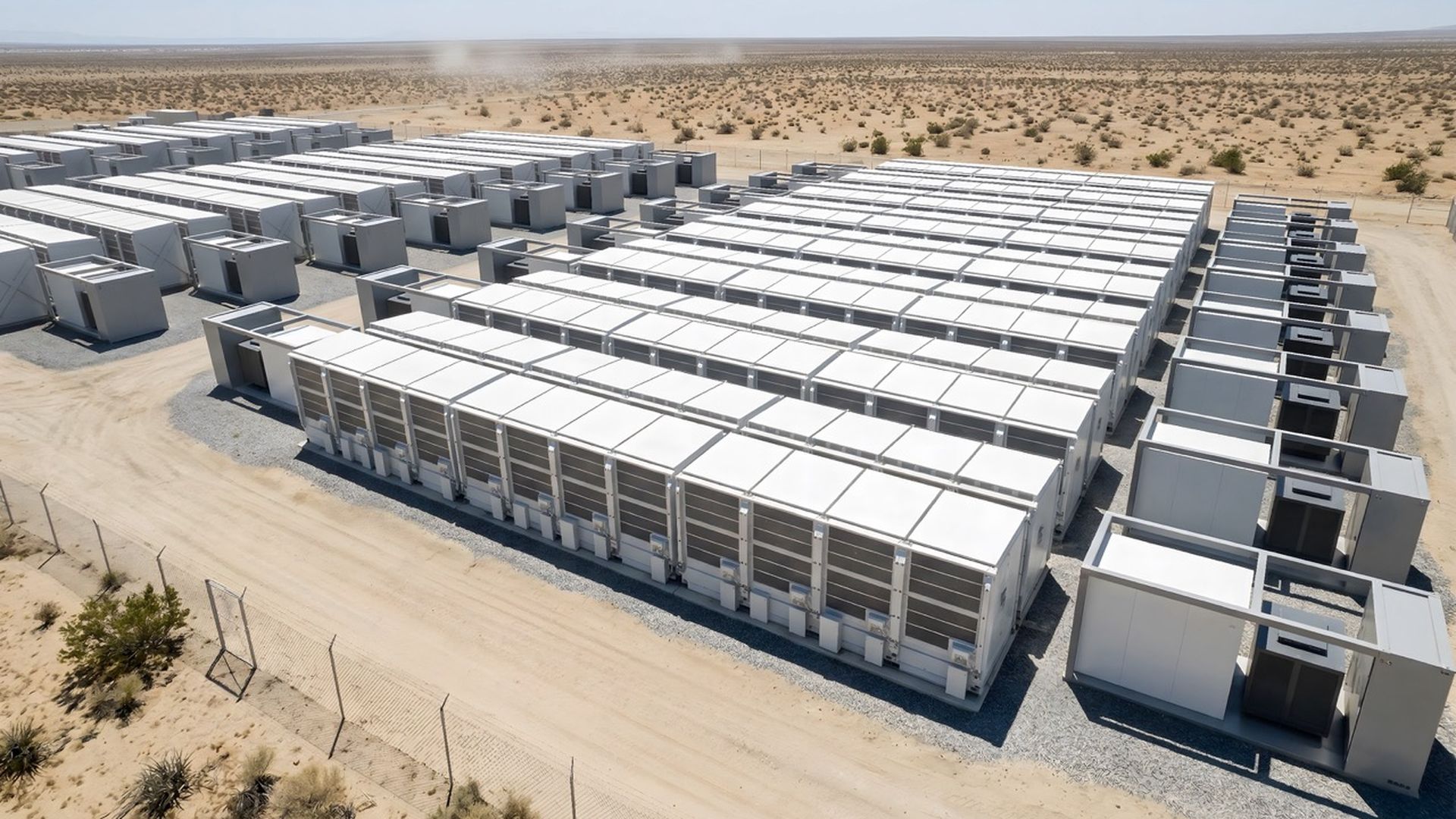
General Motors, the largest U.S. automaker, is seeking to become more of an energy company, turning electric vehicles into grid assets and batteries into fuel for AI data centers.
Why it matters: The moves are another sign of how automakers are investing in opportunities far beyond transportation, leveraging battery technology as EV growth has cooled.