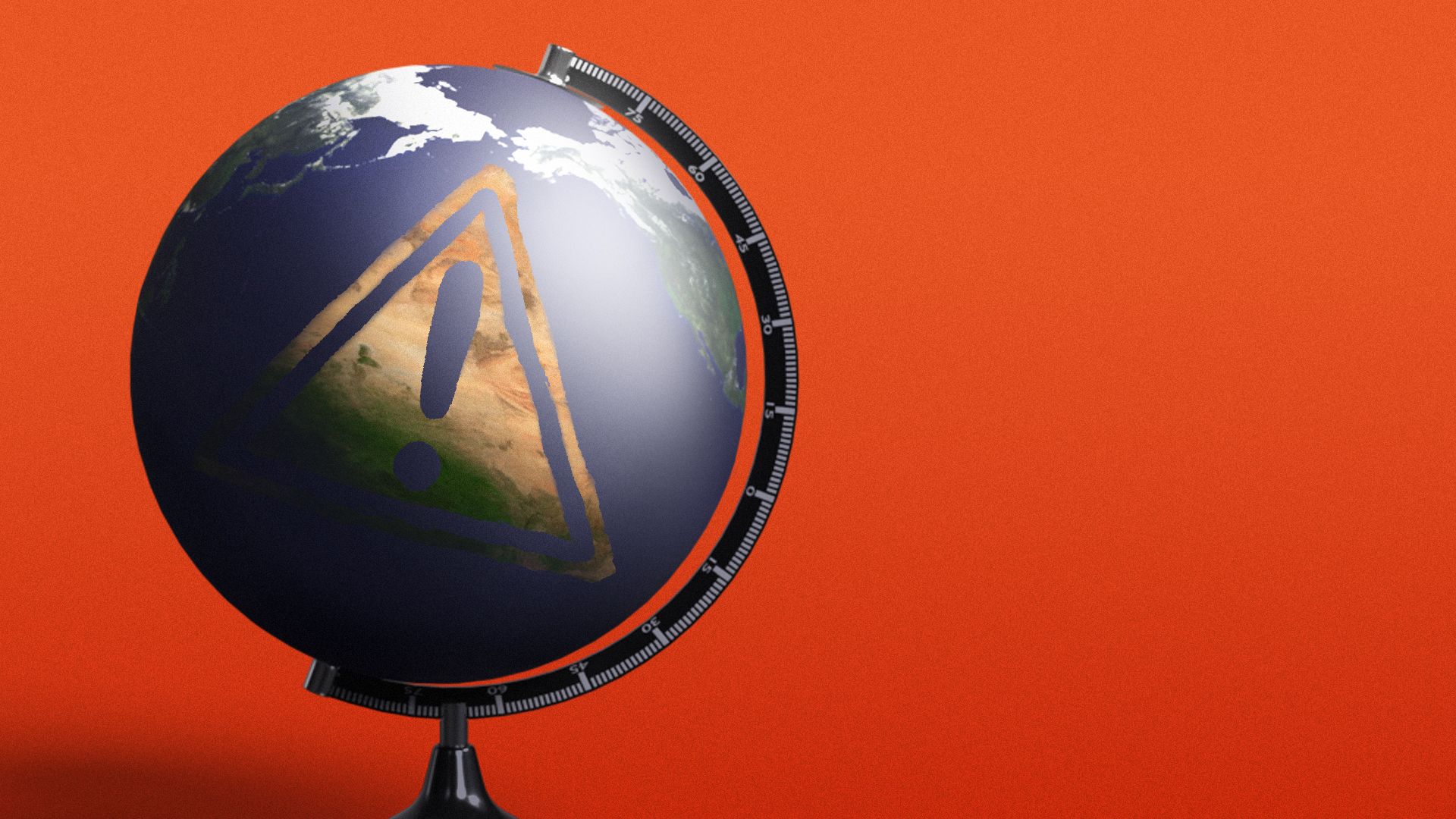
The Iran war has divided the global outlook into two tracks:
A modest slowdown if the conflict ends soon or a severe hit, with some economies near recession, if it drags on and the disruption deepens.
Why it matters: Either path leaves the global economy worse off than before the war, with slower growth and hotter inflation. The scenarios determine the scale of the damage.
Facing mounting scrutiny over data center water consumption, Google on Wednesday released a set of guidelines it says should become the industry standard.
Why it matters: Communities across the U.S. are increasingly pushing back against new data centers, often citing concerns about water use alongside rising power prices, local air pollution and noise.
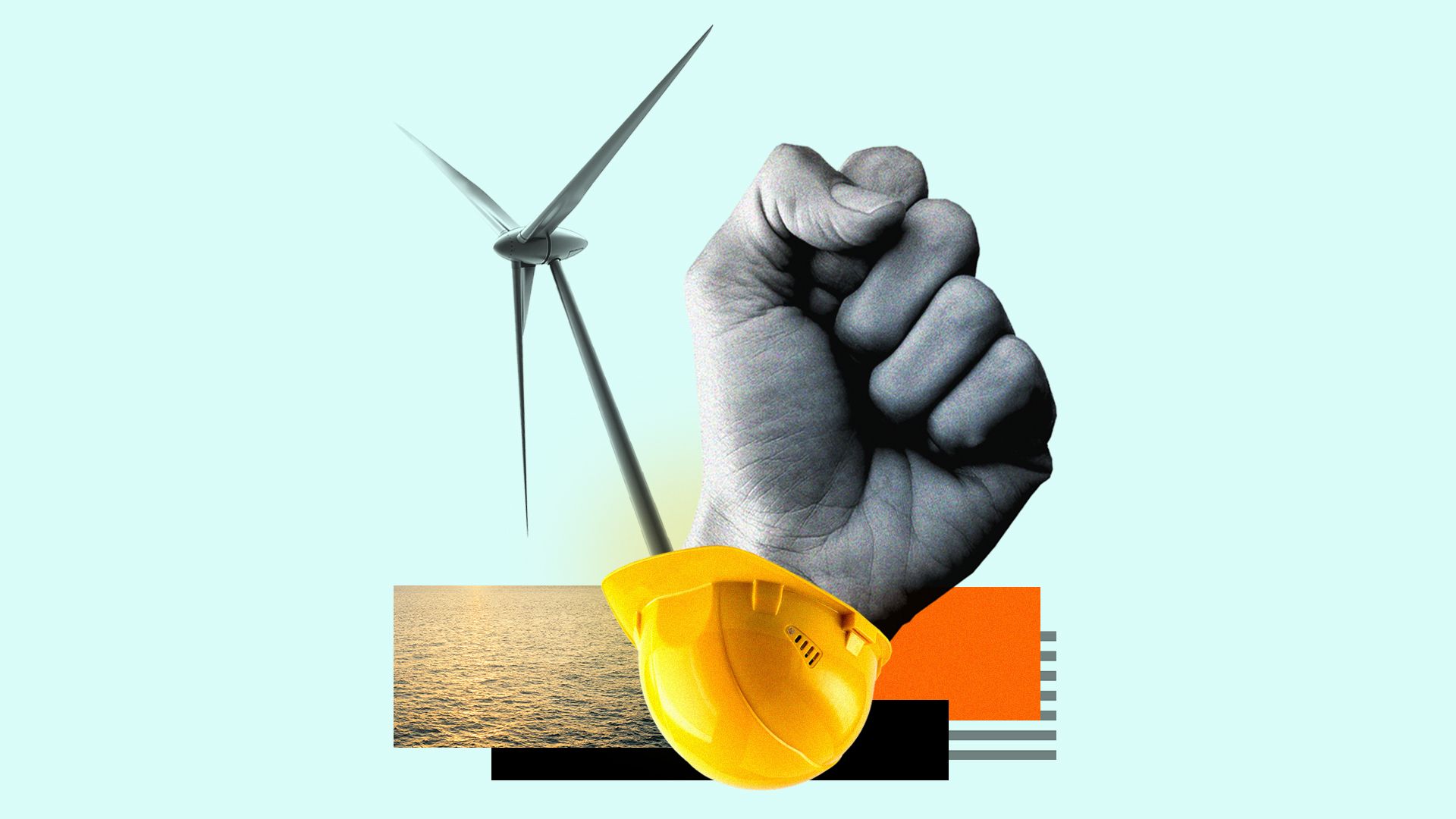
Seven northeast states sued the Trump administration on Tuesday over its payment of $795 million to TotalEnergies to give up a wind lease in a coastal region off New York and New Jersey.
Why it matters: The deal with the French energy giant is among the White House's most aggressive moves targeting offshore wind development.
Princeton University's endowment on Monday abandoned its 2022 pledge to divest from publicly traded oil and gas companies, although it will comply with a trustee mandate to divest from thermal coal and tar sands companies.
What they're saying: Princo president Vincent Tuohey writes that the endowment will continue working toward a "net-zero endowment by 2046," but doesn't believe such divestitures are necessary to achieve that goal.
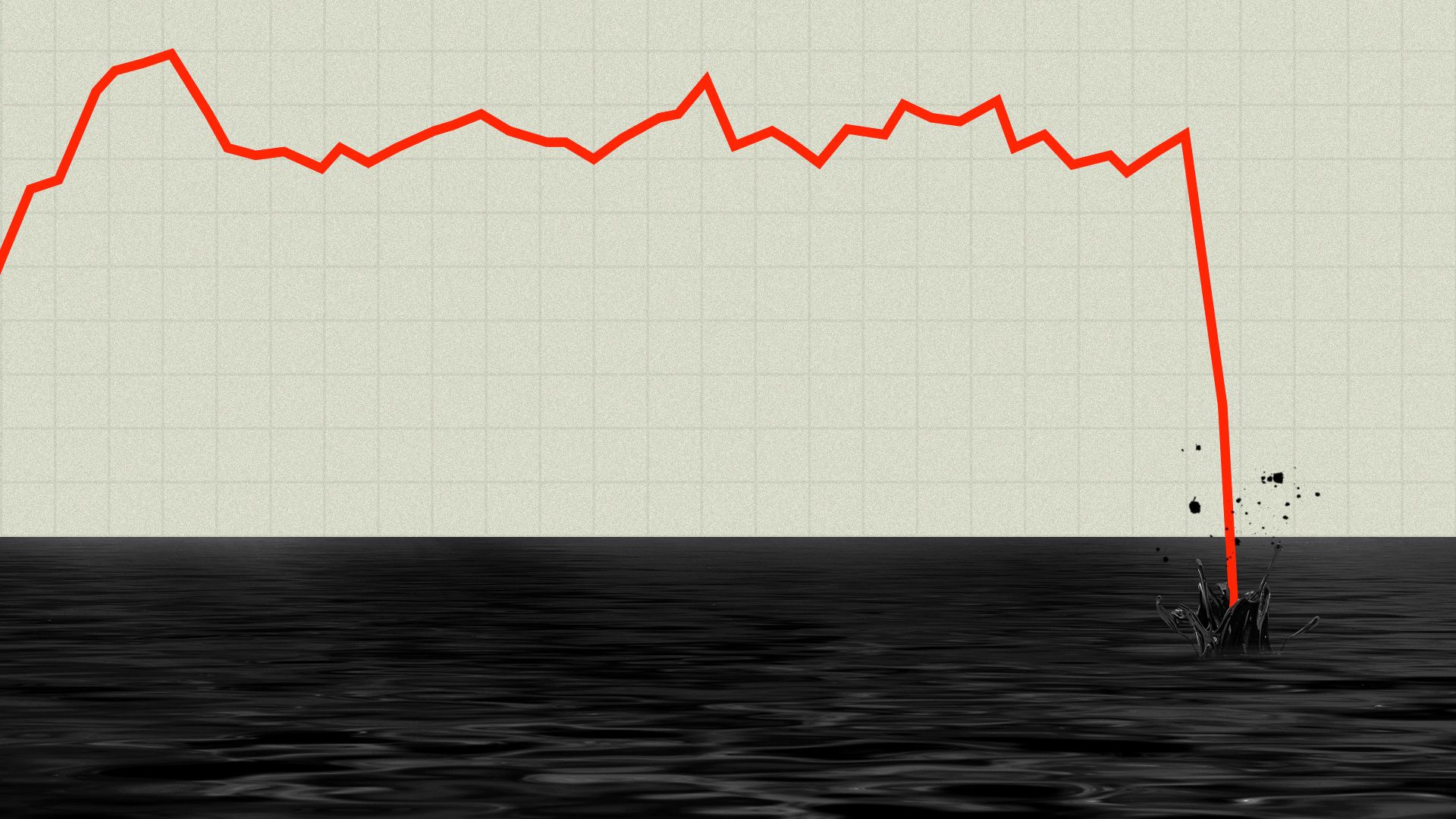
Analysts are starting to wonder if the world needs less oil than they thought it did when the Iran war started.
Why it matters: Decades ago, a global oil shock triggered permanent changes to the structure of the global economy, and signs are now emerging that it's happening again.