The first major entertainment awards in Los Angeles since its devastating wildfires will go on as scheduled Feb. 2, per a letter from Recording Academy leaders released Monday.
The big picture: The devastation from the deadly L.A. wildfires has been compared to Hurricane Katrina. The 2025 Grammys' organizers say this year's show will also raise funds for first responders and other relief efforts.
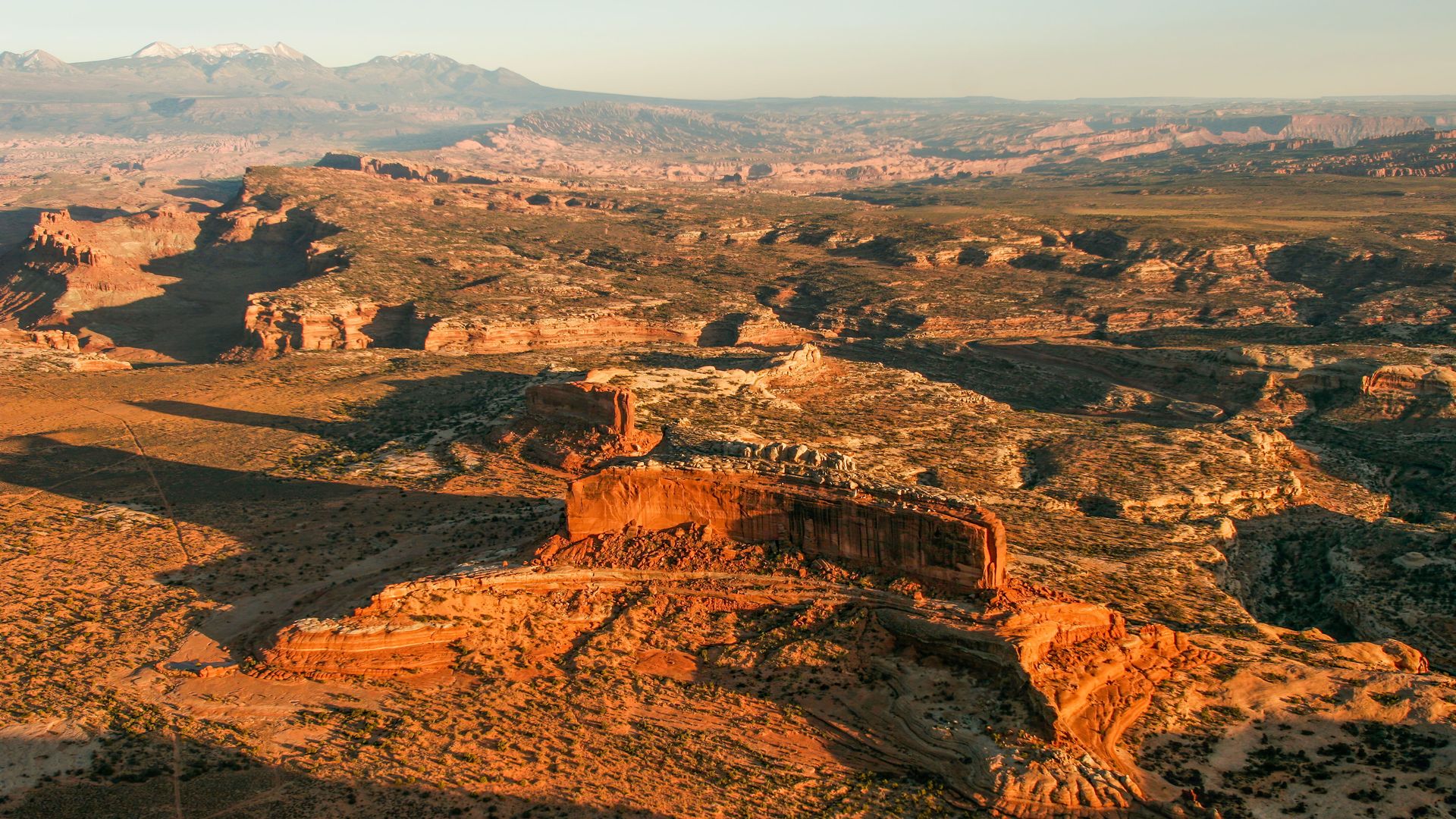
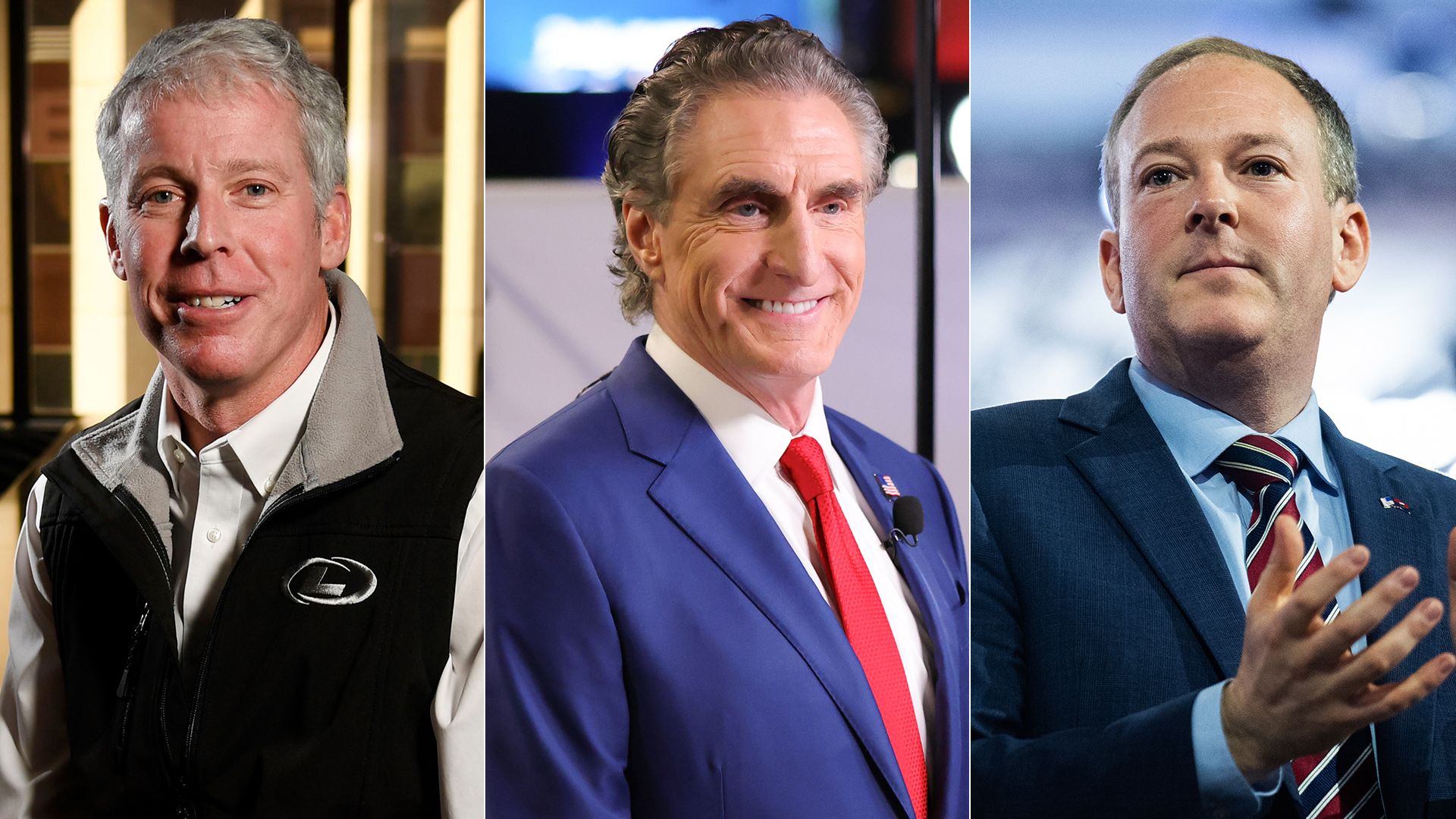
President-elect Trump's picks to leadenergy and environment agencies will appear before Senate committees at high-profile hearings this week.
Why it matters: It's the first look at how they'll breathe life into Trump's plan to scrap Biden-era climate policies and promote oil and gas production.
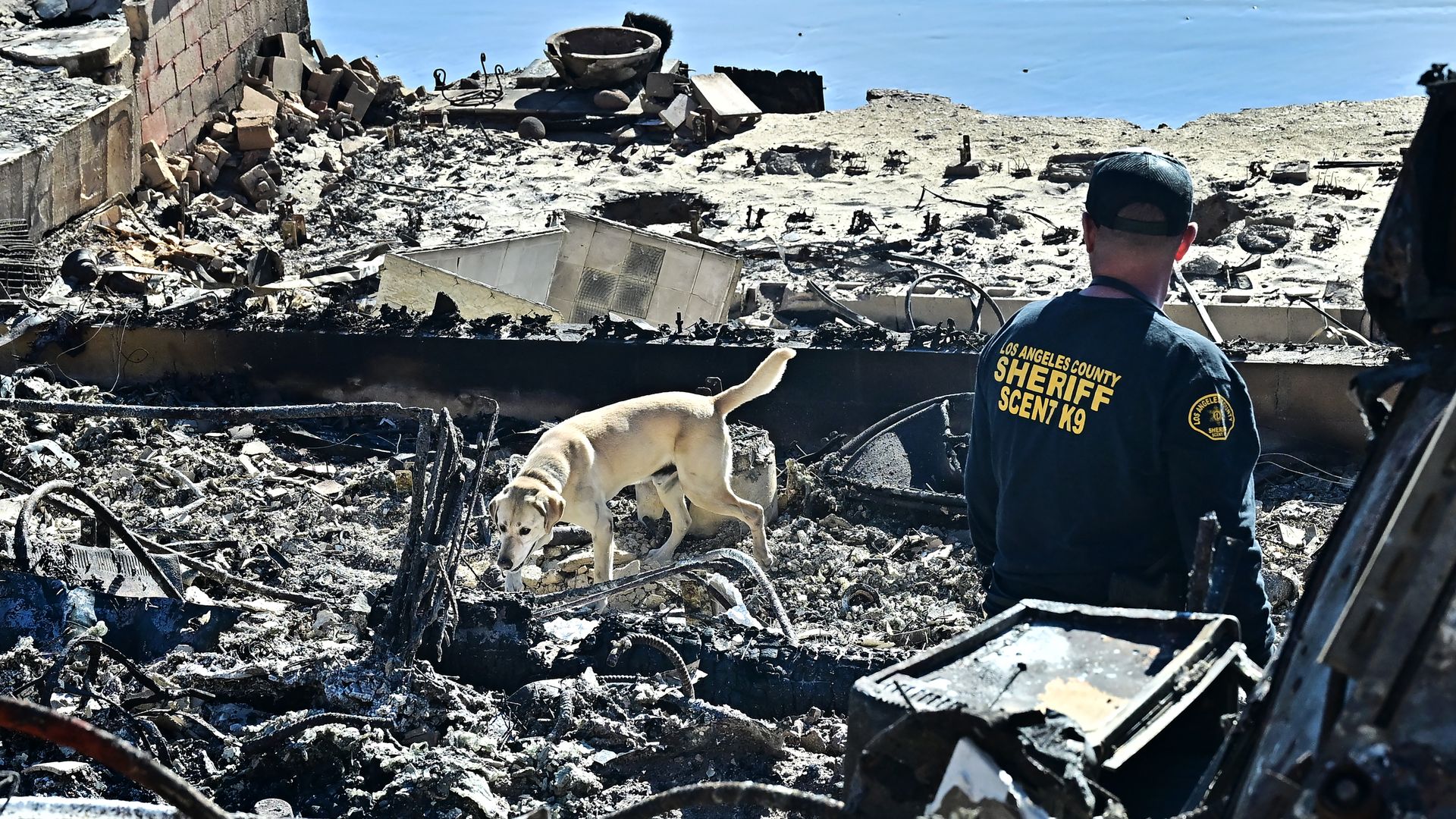
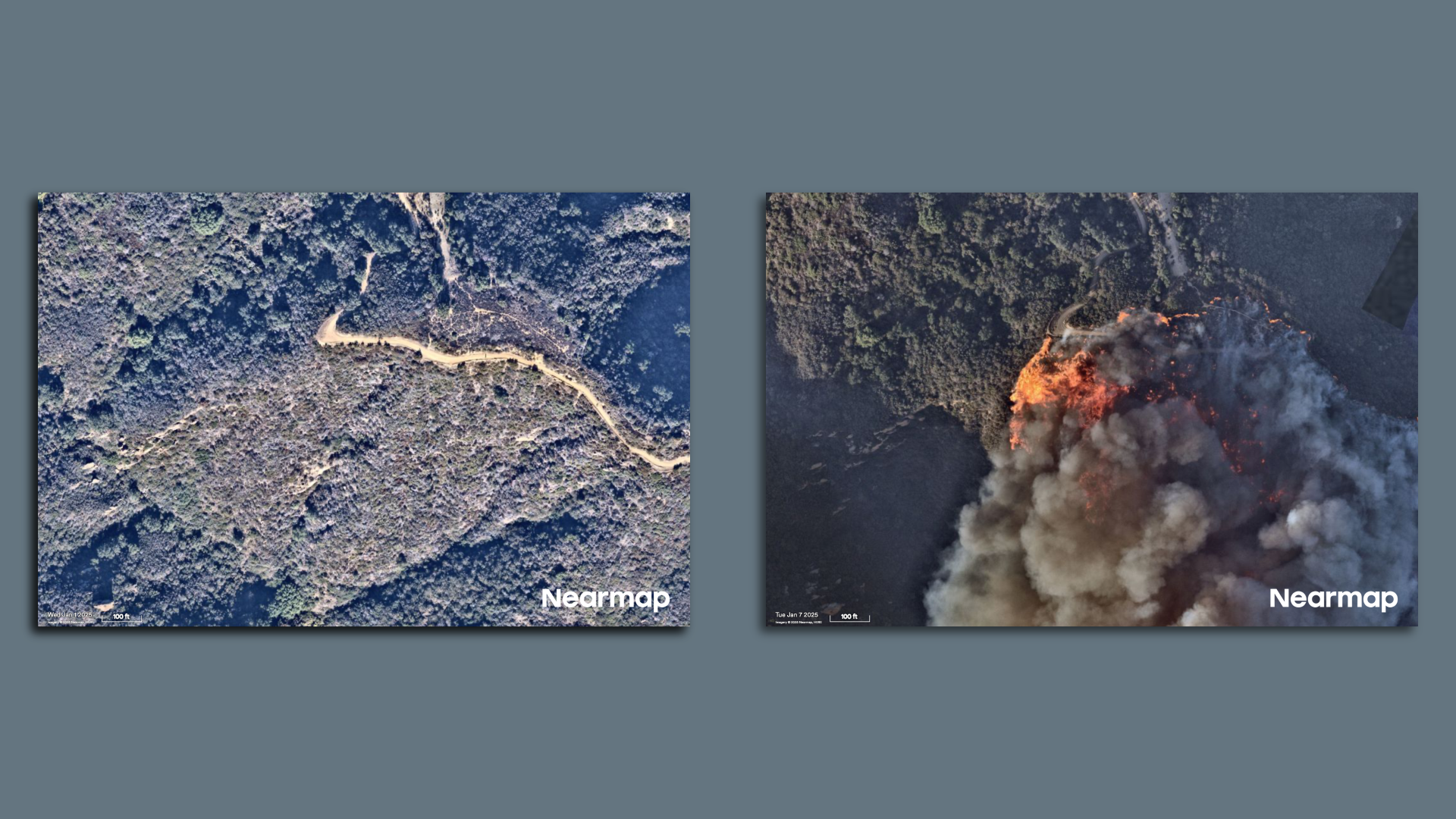
Los Angeles County is facing "critical fire conditions" after firefighters have for days battled deadly wildfires that have razed entire neighborhoods, and the situation is expected to worsen this week.
Threat level: The National Weather Service issued a rare "Particularly Dangerous Situation" red flag warning that's due to start early Tuesday into Wednesday for parts of L.A. County and Ventura County, warning that winds will be high enough to cause "explosive fire growth."
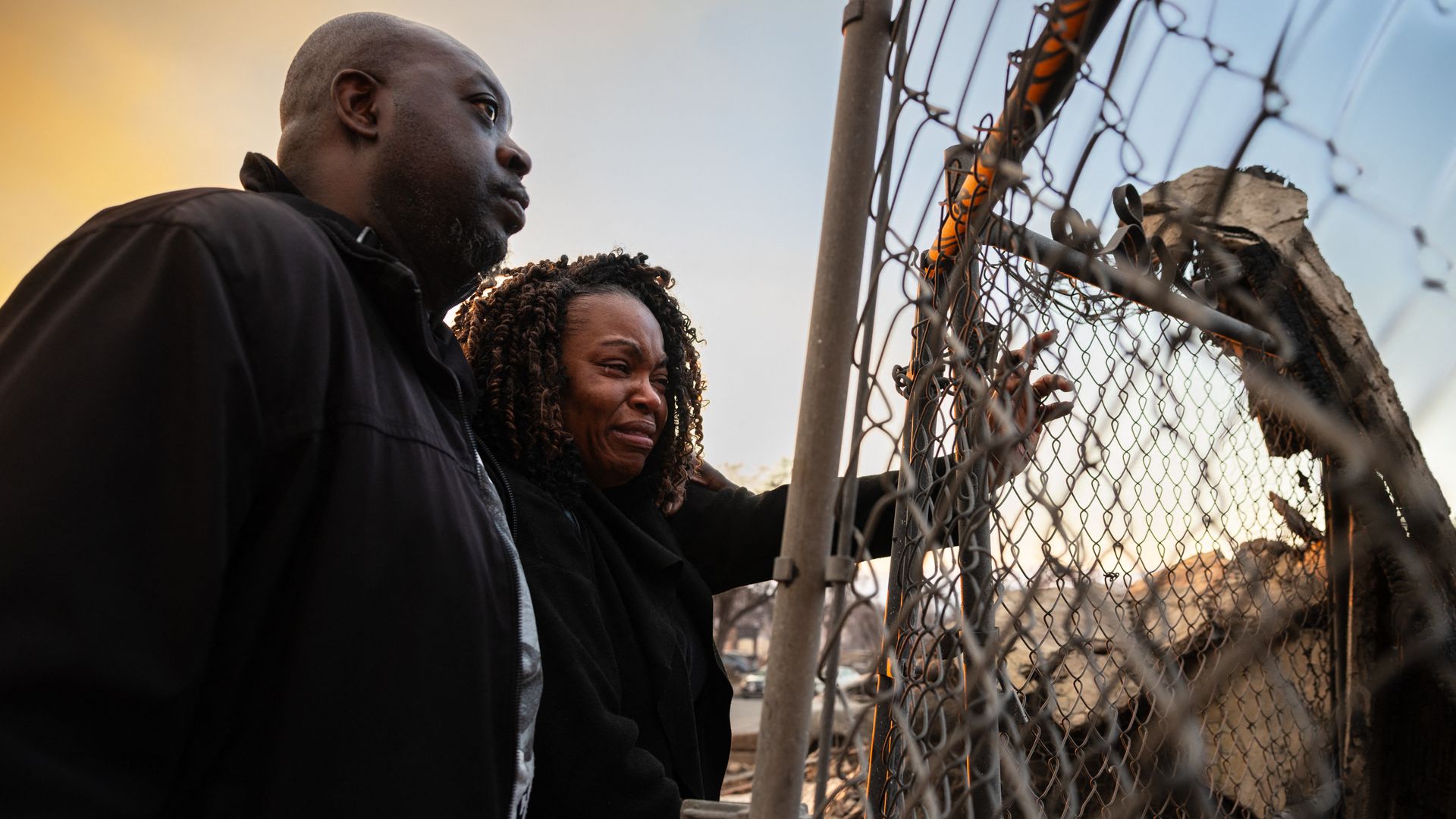
A historic Black community that grew out of the Civil Rights Movement in the 1960s is among the communities wiped away by devastating wildfires charring through Los Angeles County.
The big picture: The Eaton Fire has all but flatted the many Black-owned homes and businesses in the unincorporated area of Altadena, California, in San Gabriel Valley and the Verdugos regions.
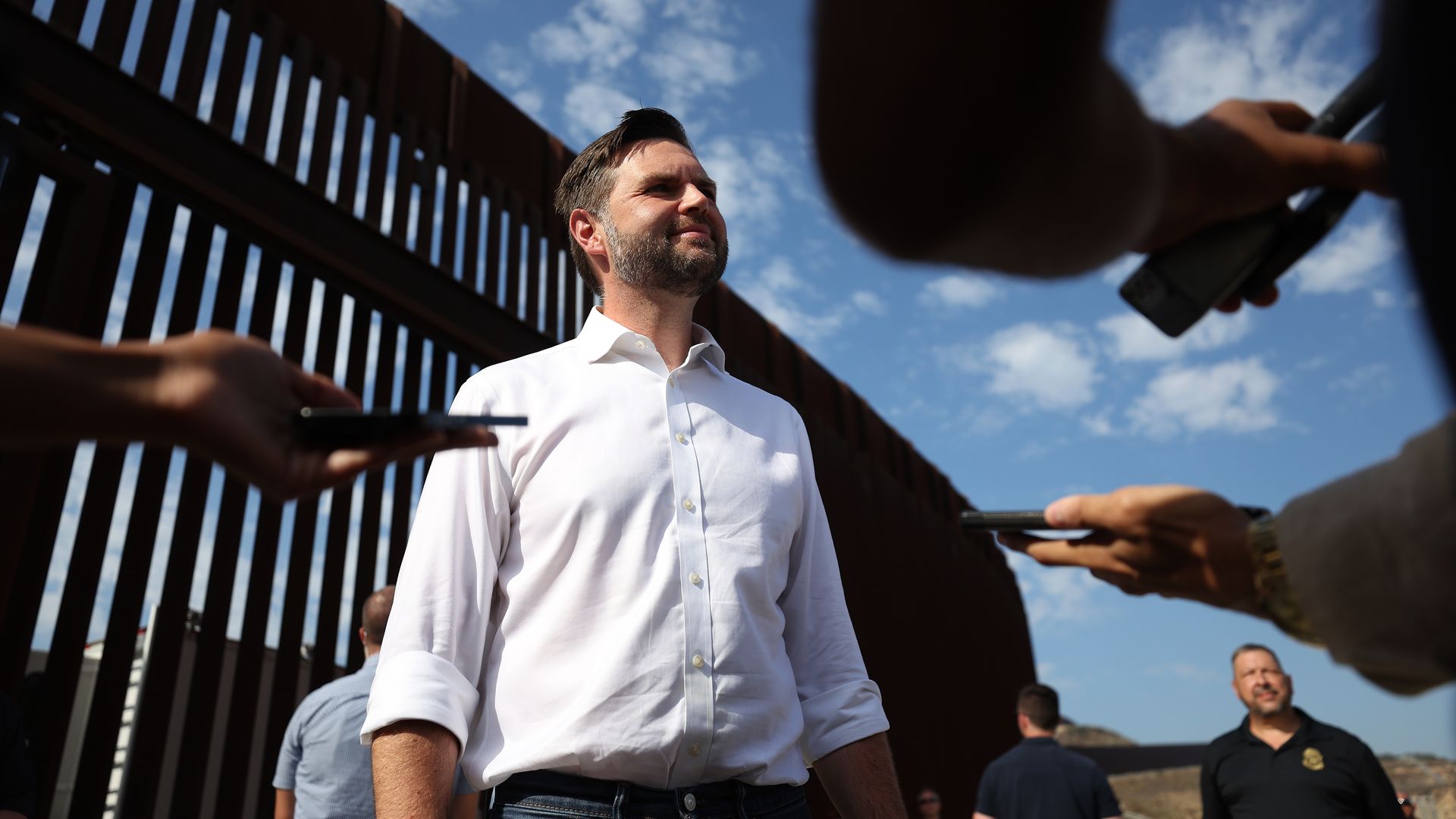
Vice President-elect JD Vance said Sunday those day-one actions should send a message to "illegal immigrants all over the world: You are not welcome in this country illegally."
Here's what you may have missed when newsmakers hit the airwaves this Sunday, January 12.
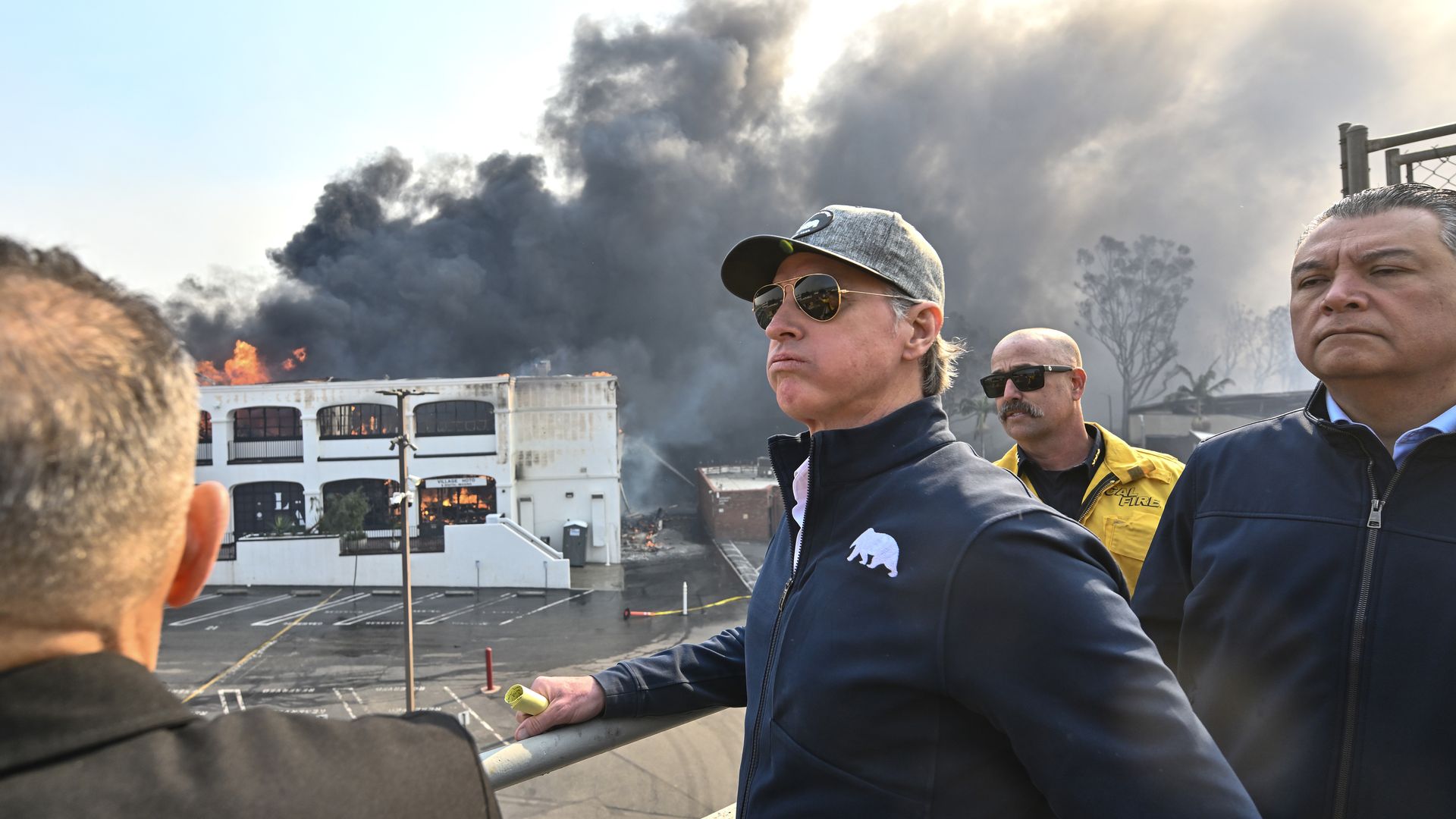
California Gov. Gavin Newsom (D) said in a "Meet the Press" interview that the wildfires that have destroyed entire neighborhoods across Los Angeles could be the worst natural disaster in U.S. history "in terms of just the costs associated with it."
That would mean eclipsing Hurricane Katrina, which devastated New Orleans and the Mississippi coastline in 2005 and caused over $200 billion in damage.
The big picture: The fires, which have now killed at least 16, are not the biggest ever recorded in the state — but they are among the most destructive.
Climate change — particularly whiplash between two wet winters followed by a bone-dry, unusually hot spring, summer and fall — set the stage for Los Angeles' deadly and devastating fires, scientists say.
The firestorm was the product of what climate researchers refer to as "hydroclimate whiplash."
Other factors include one of the worst Santa Ana wind events of the past two decades; land use patterns; and sparks set off by power lines, car engines, suspected arsonists and other potential ignition sources.
Why it matters: Whatever the source, it's clear a changing climate made the fires more ferocious, long-lasting and destructive, as has been the trend across the West in recent decades.
Entire neighborhoods in Southern California have been destroyed by deadlywildfires, displacing communities that don't know what — if anything — they'll have to return to.
The big picture: Researchers have linked wildfires to long-lasting anxiety, depression and post-traumatic stress disorder in survivors, in addition to the well-documented physical toll.