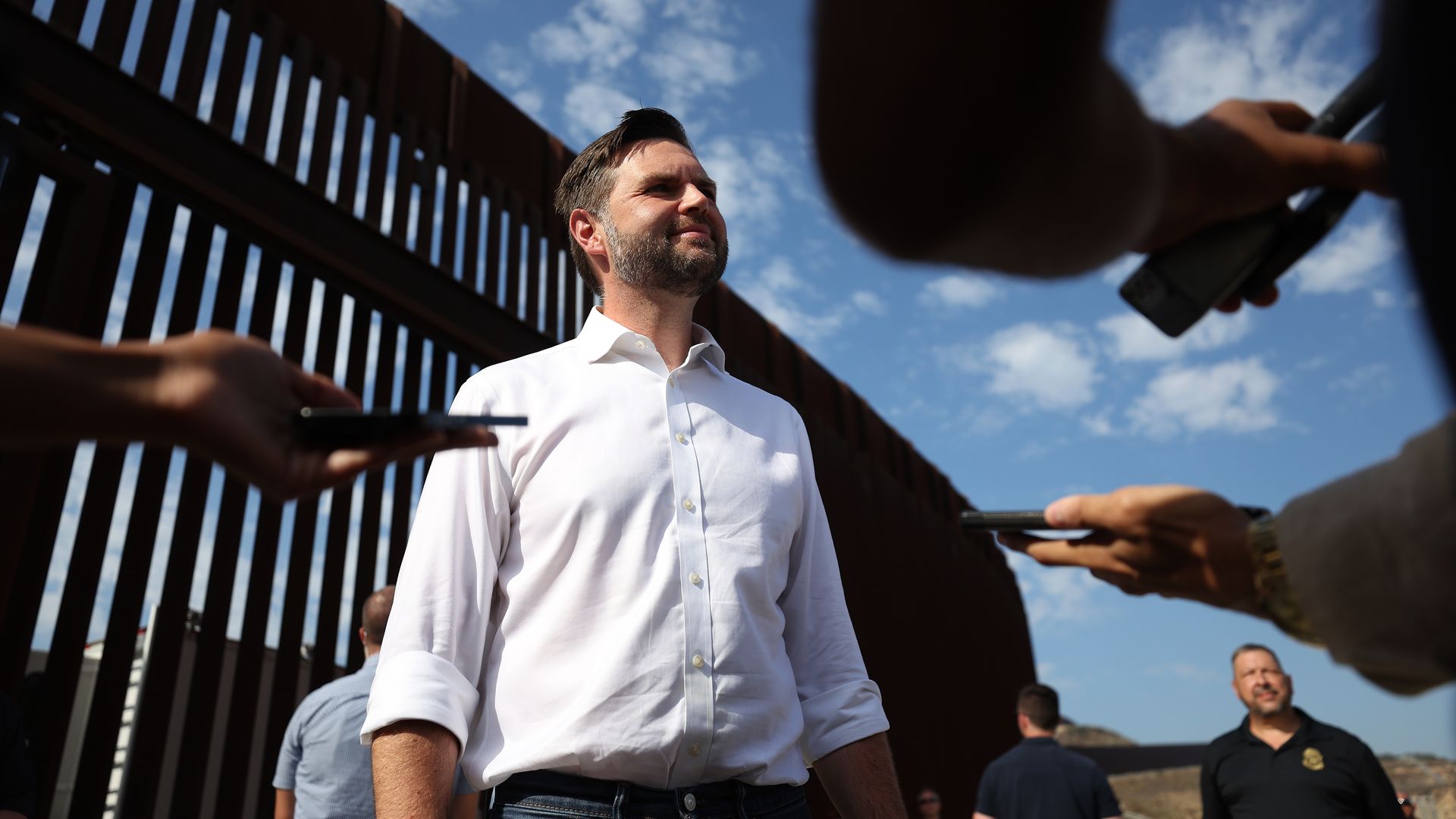
Vice President-elect JD Vance said Sunday those day-one actions should send a message to "illegal immigrants all over the world: You are not welcome in this country illegally."
Here's what you may have missed when newsmakers hit the airwaves this Sunday, January 12.
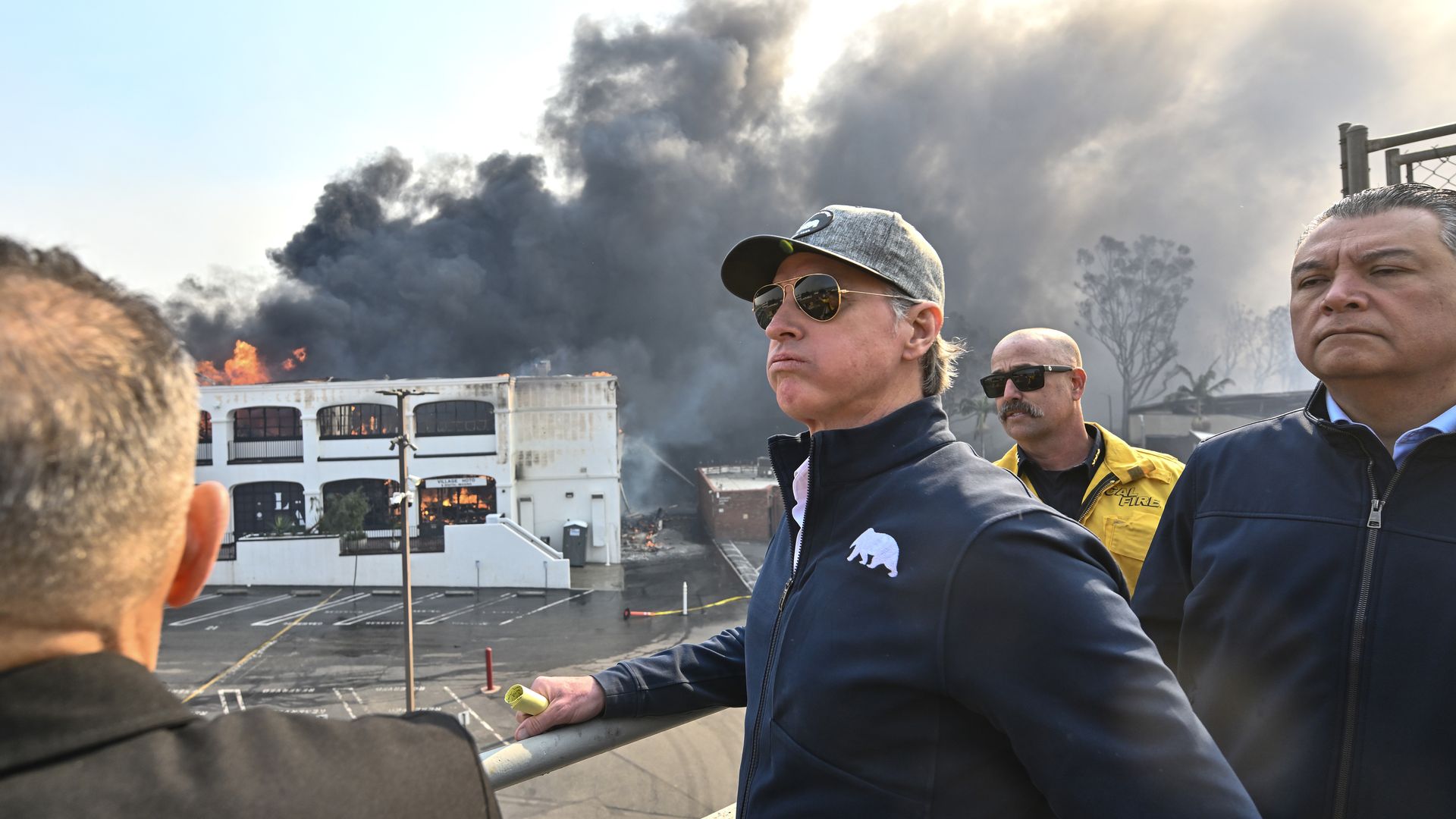
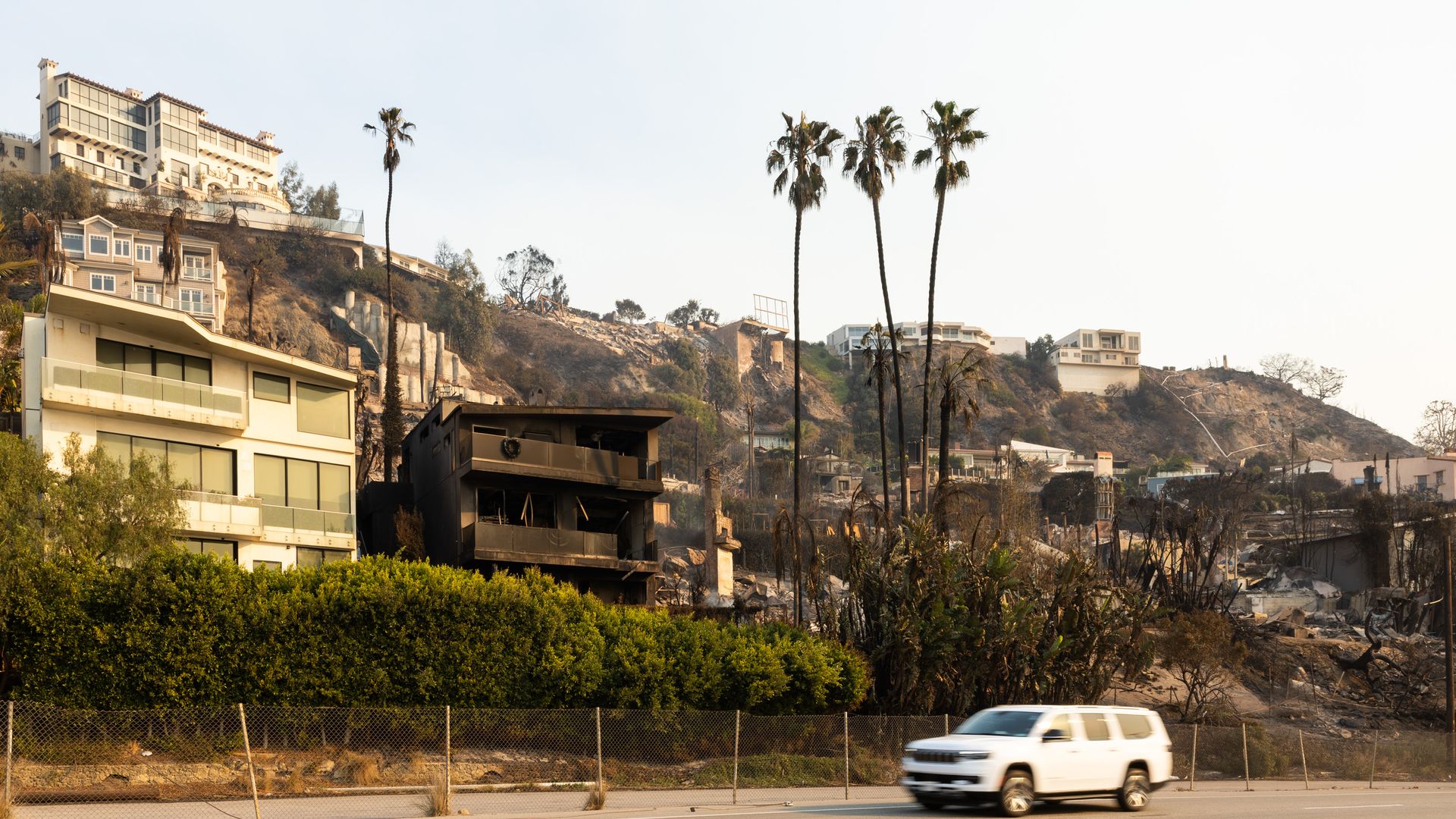
California Gov. Gavin Newsom (D) said in a "Meet the Press" interview that the wildfires that have destroyed entire neighborhoods across Los Angeles could be the worst natural disaster in U.S. history "in terms of just the costs associated with it."
That would mean eclipsing Hurricane Katrina, which devastated New Orleans and the Mississippi coastline in 2005 and caused over $200 billion in damage.
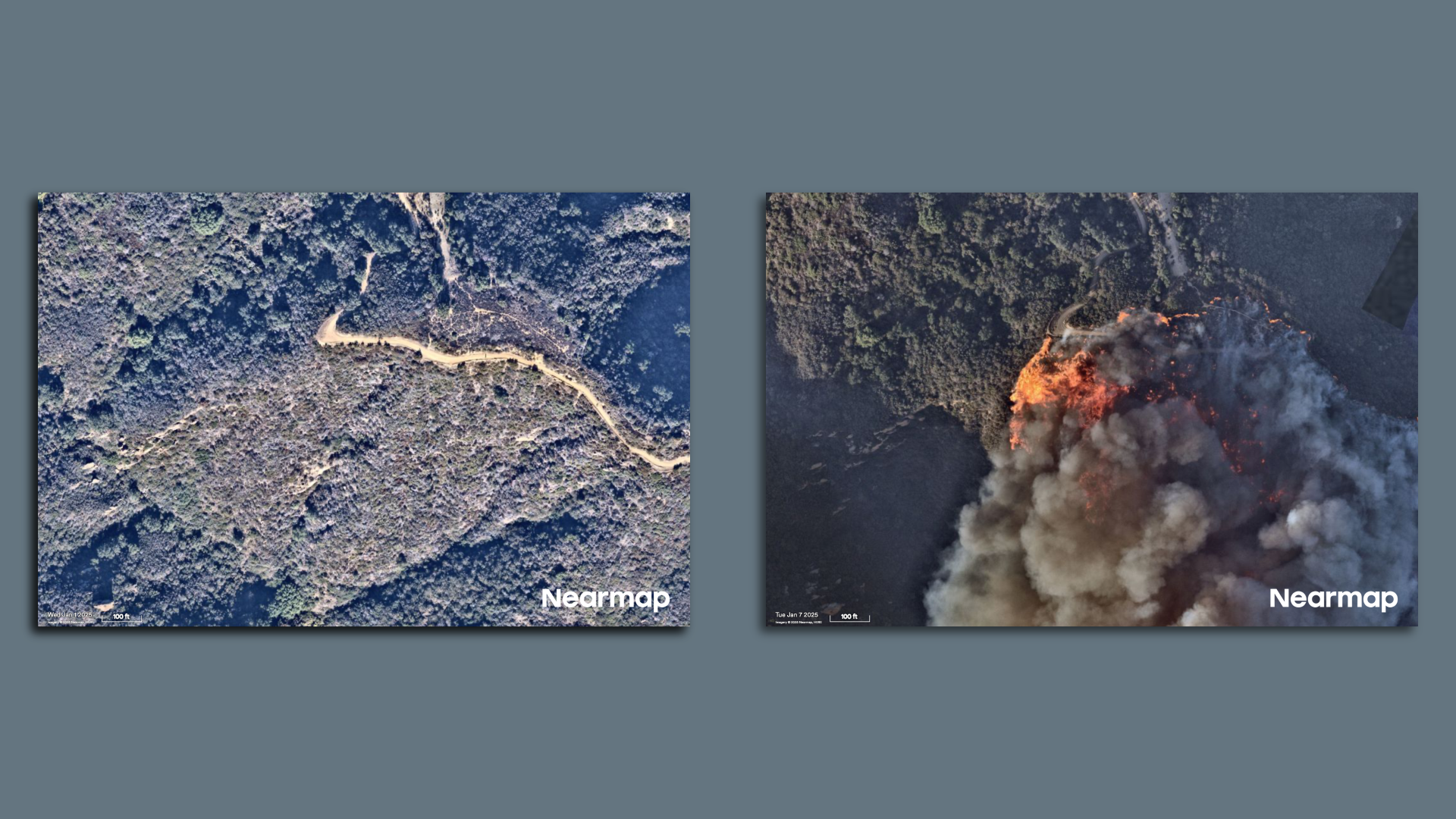
The big picture: The fires, which have now killed at least 16, are not the biggest ever recorded in the state — but they are among the most destructive.
Climate change — particularly whiplash between two wet winters followed by a bone-dry, unusually hot spring, summer and fall — set the stage for Los Angeles' deadly and devastating fires, scientists say.
The firestorm was the product of what climate researchers refer to as "hydroclimate whiplash."
Other factors include one of the worst Santa Ana wind events of the past two decades; land use patterns; and sparks set off by power lines, car engines, suspected arsonists and other potential ignition sources.
Why it matters: Whatever the source, it's clear a changing climate made the fires more ferocious, long-lasting and destructive, as has been the trend across the West in recent decades.
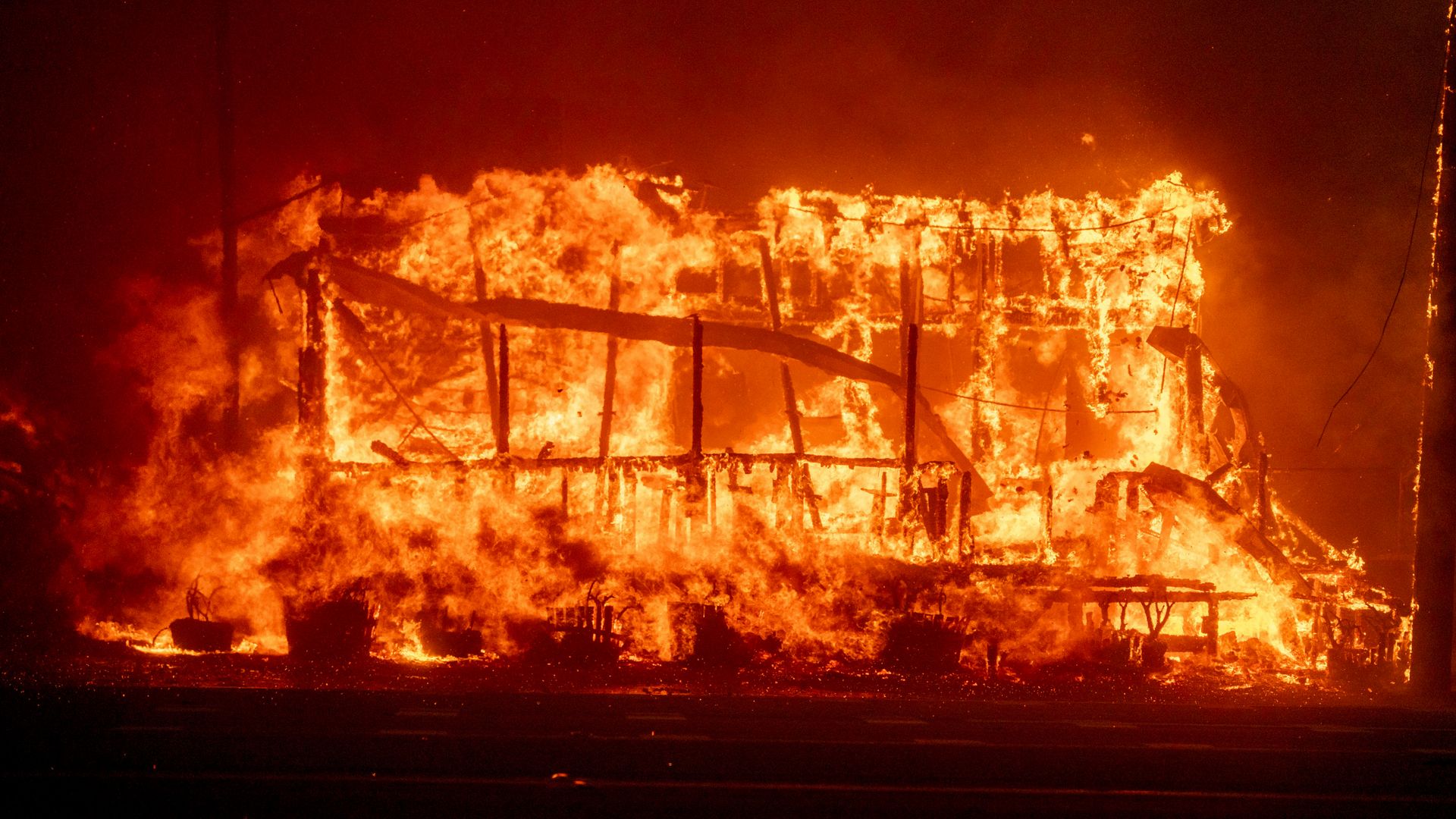
Entire neighborhoods in Southern California have been destroyed by deadlywildfires, displacing communities that don't know what — if anything — they'll have to return to.
The big picture: Researchers have linked wildfires to long-lasting anxiety, depression and post-traumatic stress disorder in survivors, in addition to the well-documented physical toll.
As devastating wildfires raged across Los Angeles County this week, firefighters battling the blazes encountered fire hydrants that had no water.
Why it matters: The dry fire hydrants sparked political outrage and illustrated just how unprepared municipal water systems are to combat the sorts of large-scale urban wildfires that have become more frequent with climate change.
Tesla has pocketed $11 billion from the sale of regulatory credits to rival automakers needing help to hit tough emissions targets — easy money that could dry up if President-elect Trump rolls back Biden-era regulations.
Why it matters: Tesla's billionaire CEO, Elon Musk, is spearheading Trump's effort to cut government red tape.
The National Weather Service plans to issue a red flag warning of critical fire weather conditionsincluding gusty winds and low relative humidity, effective Saturday evening through Sunday afternoon, for Los Angeles and Ventura counties, the agency's LA office stated Saturday morning.
The big picture: Historic California wildfires have severely impacted these areas, and the NWS expects offshore Santa Ana winds to pick back up, with another strong offshore event occurring early next week and no rain in sight.
Risk experts believe the insured losses from the Los Angeles wildfires will easily top $20 billion, but in some ways that's only the start of the crisis California now faces.
Why it matters: Anything above $12.5 billion would pass 2018's Camp Fire to become the largest insured wildfire loss ever, per data from insurance broker Aon. Economic losses will be substantially higher, perhaps tens of billions of dollars more.