Catch up quick: Google inked a deal with Kairos Power for deployment of 500 megawatts' worth of SMRs by 2035, with the first targeted to arrive by 2030.
Why it matters: These storms combined caused up to $55 billion in insured losses. They portend an era of increasingly human-influenced storms that are wetter and stronger as the climate continues to warm.
Back-to-back superstorms have tested health systems' ability to turn tabletop crisis exercises into reality on a dime as they raced to keep their facilities operational in the face of dangerous storm surges.
Why it matters: They largely passed the test. But the one-two punch of Hurricanes Helene and Milton exposed the need for better preparations and costly infrastructure upgrades.
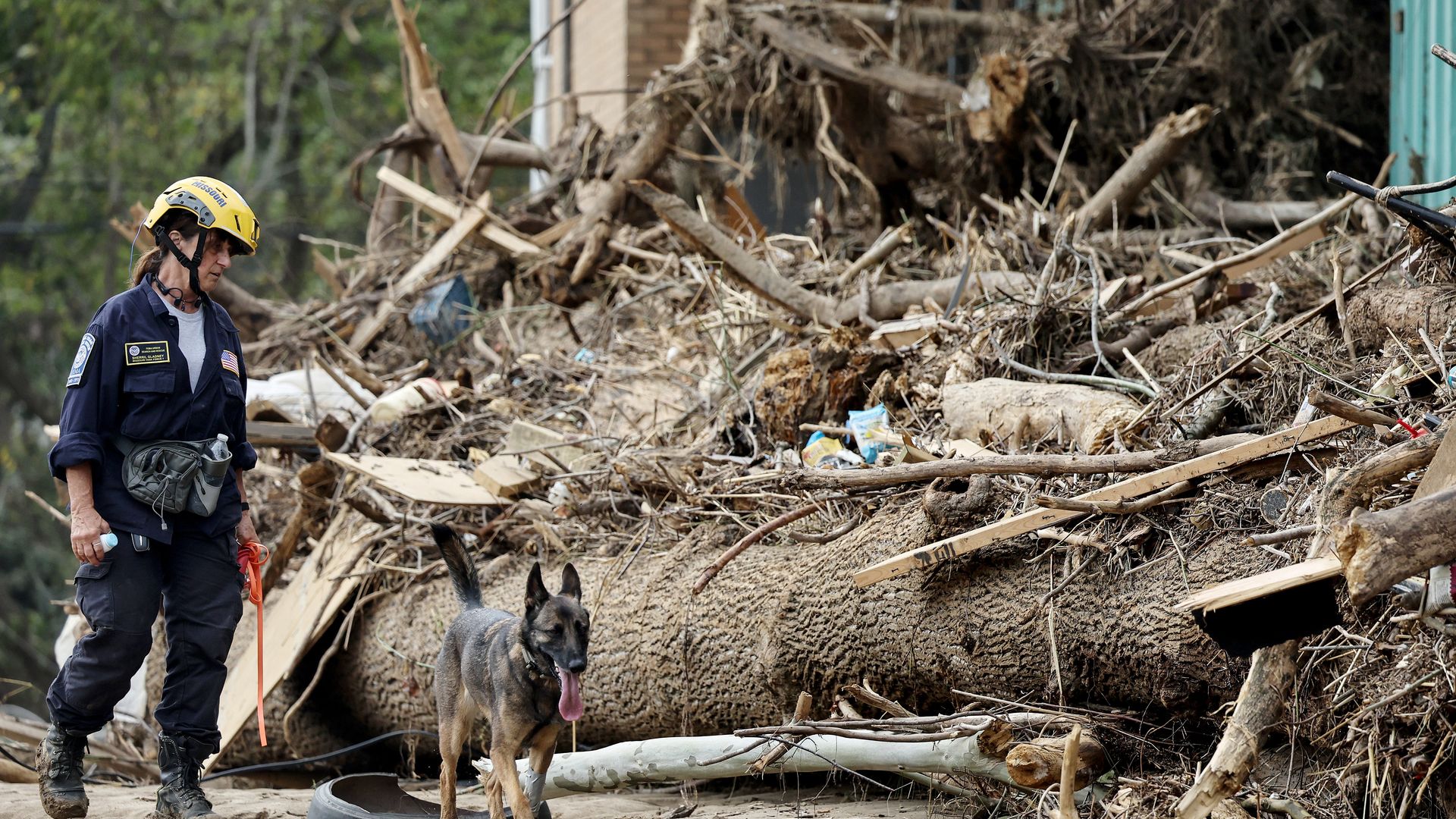
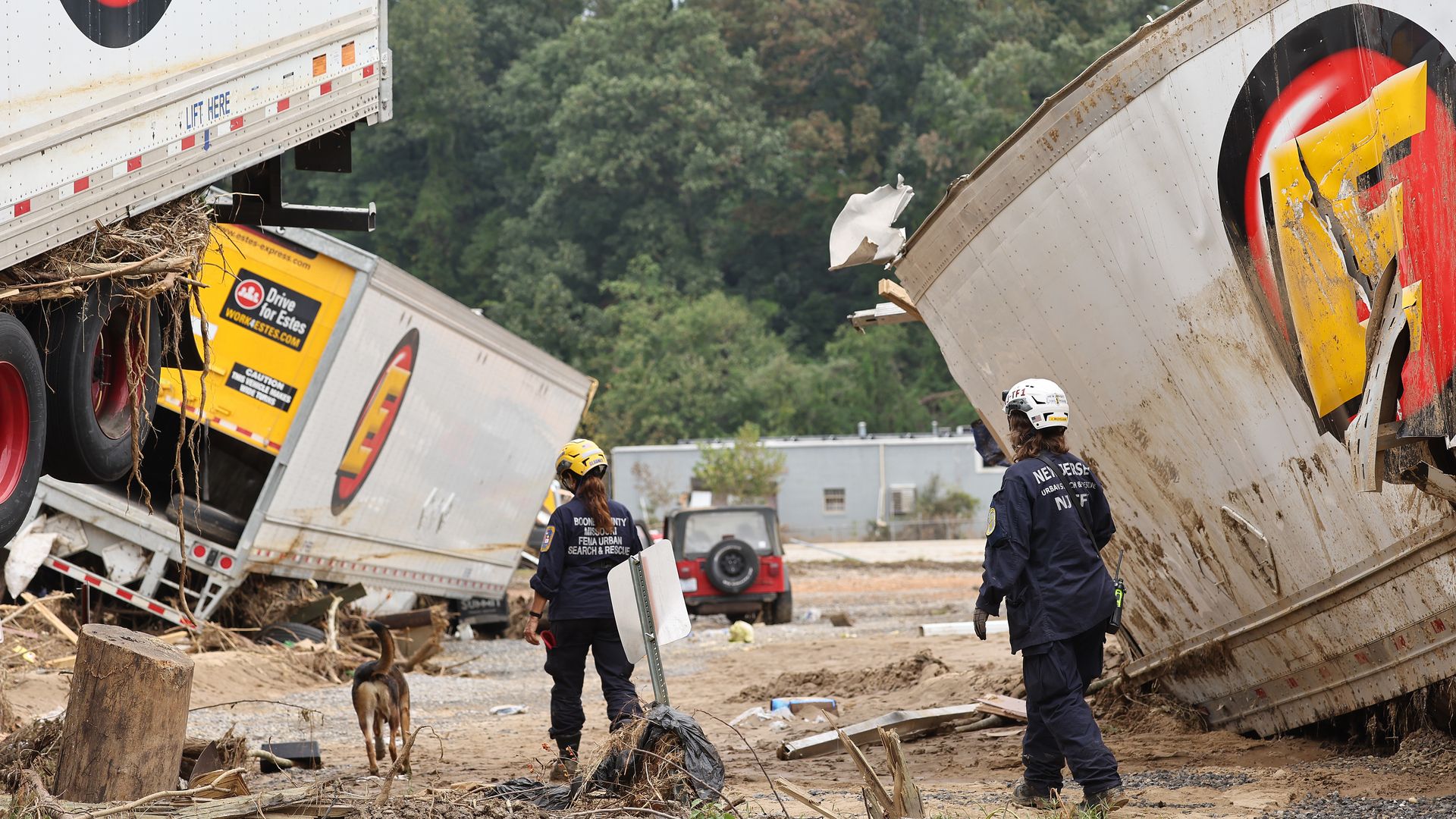
North Carolina authorities confirmed Monday the arrest of a man over alleged threats against Federal Emergency Management Agency (FEMA) workers responding to Hurricane Helene.
The big picture: FEMA warned last week that a deluge of mis- and disinformation surrounding Hurricane Helene had hampered federal response efforts.
Google announced a deal on Monday to purchase energy from small nuclear reactors that the startup Kairos Power plans to start bringing online in the U.S. by 2030.
Why it matters: It's Google's first nuclear foray as the tech giant — and its peers — hunt for zero-carbon power to fuel energy-thirsty AI data centers.
The Federal Emergency Management Agency (FEMA) made "operational adjustments" in its Hurricane Helene response in North Carolina following safety concerns, a spokesperson said Sunday.
The big picture: The Ashe County Sheriff's Office in northwestern N.C. said on Facebook Sunday that FEMA had "paused their process" as a precaution while "they are assessing" threats made in other counties in the state.