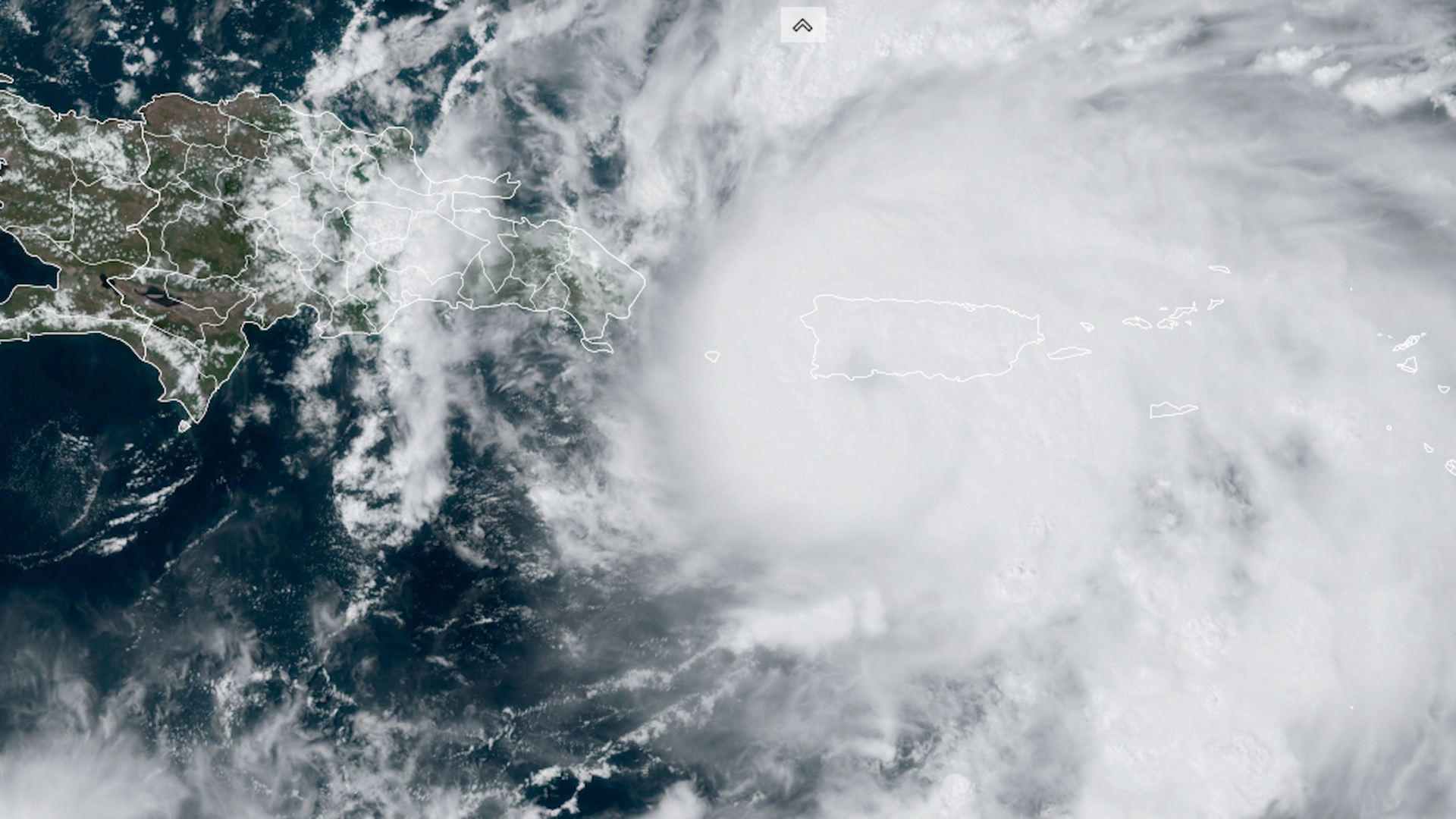
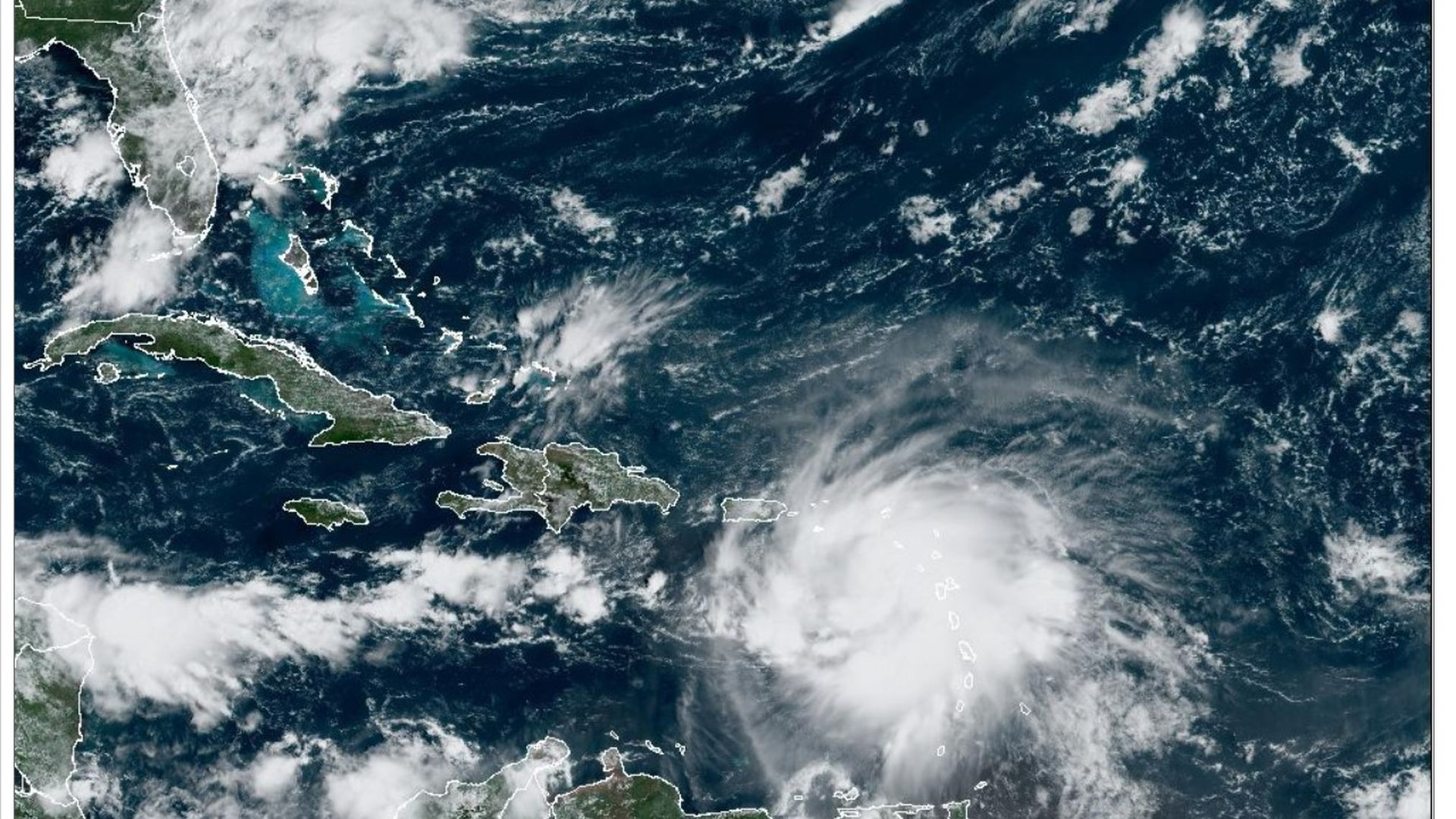
Tropical Storm Fiona is expected to become a hurricane and could dump as much as 20 inches of rain on Puerto Rico beginning Saturday, the National Hurricane Center warned.
Driving the news: The meteorological agency issued a hurricane warning for the U.S. territory, where the impending flooding and high winds could imperil the island's power grid, which is still recovering from 2017's Hurricane Maria.
Climate anxiety is an increasingly accepted phenomenon that many psychologists and therapists are tailoring their practices to treat.
The big picture: The symptoms are especially prevalent among young people, and while it's not treated as an official clinical diagnosis, it can be debilitating at times, mental health professionals tell Axios.
Climate change is scrambling the way we fight infectious diseases and adding a stealthy public health threat to the heat waves, droughts, wildfires and other physically observable hazards.
By the numbers: In a study of 375 infectious diseases, 58% have at some point been aggravated by climatic hazards, researchers wrote last month in the scientific journal Nature Climate Change.
The combination of extreme heat and air pollution is extremely lethal, and this noxious mix is likely to become more common as global warming worsens.
The big picture: It has long been known that particulate pollution emitted from car tailpipes, factories and power plants can aggravate chronic health problems and prove deadly. Add extreme heat, and the threat is especially dangerous.
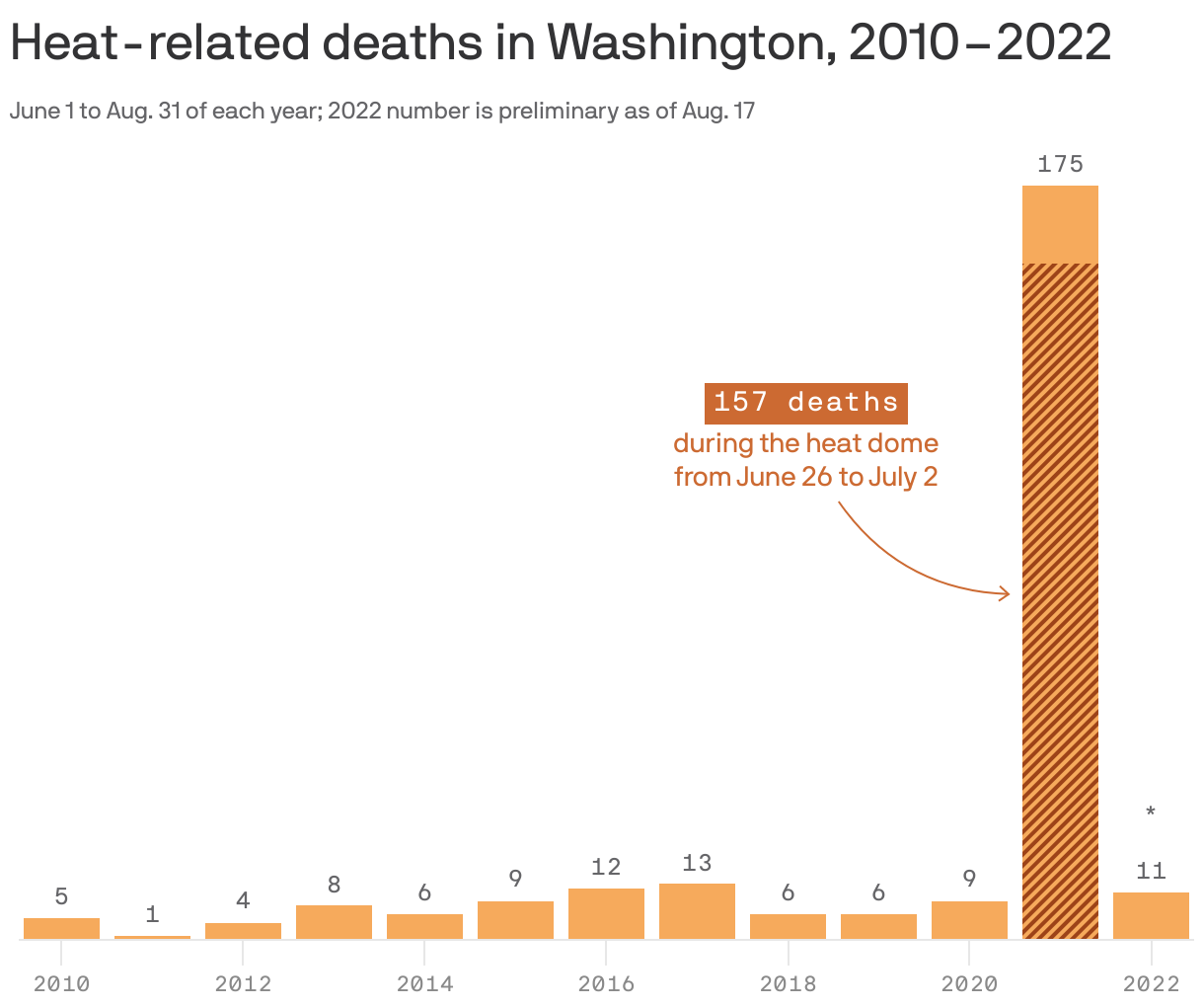
Data: Washington State Department of Health; Chart: Kavya Beheraj/Axios
A 2021 heat wave that killed at least 157 people in Washington state drove home why even regions accustomed to fresh air and moderate temperatures need to calibrate their public health efforts to confront extreme climate events.
Why it matters: The dual threats of extreme heat and smoke from wildfirescan be fatal in places where many households lack air conditioning, or they could worsen chronic heart and lung diseases.
The world is facing a climate change-fueled health crisis — from increased emergency department visits due to heatstroke, exacerbated asthma and even heart attacks to injuries and illness linked to severe storms.
Why it matters: The growing threats to human health only promise to get more complex and expensive, and health systems have to make major changes to how they prepare for those threats, experts say.
Good afternoon, and welcome to our Climate Truths Deep Dive series. Today we're exploring the health care impact of climate change, and how the health care industry and emergency management officials are responding.