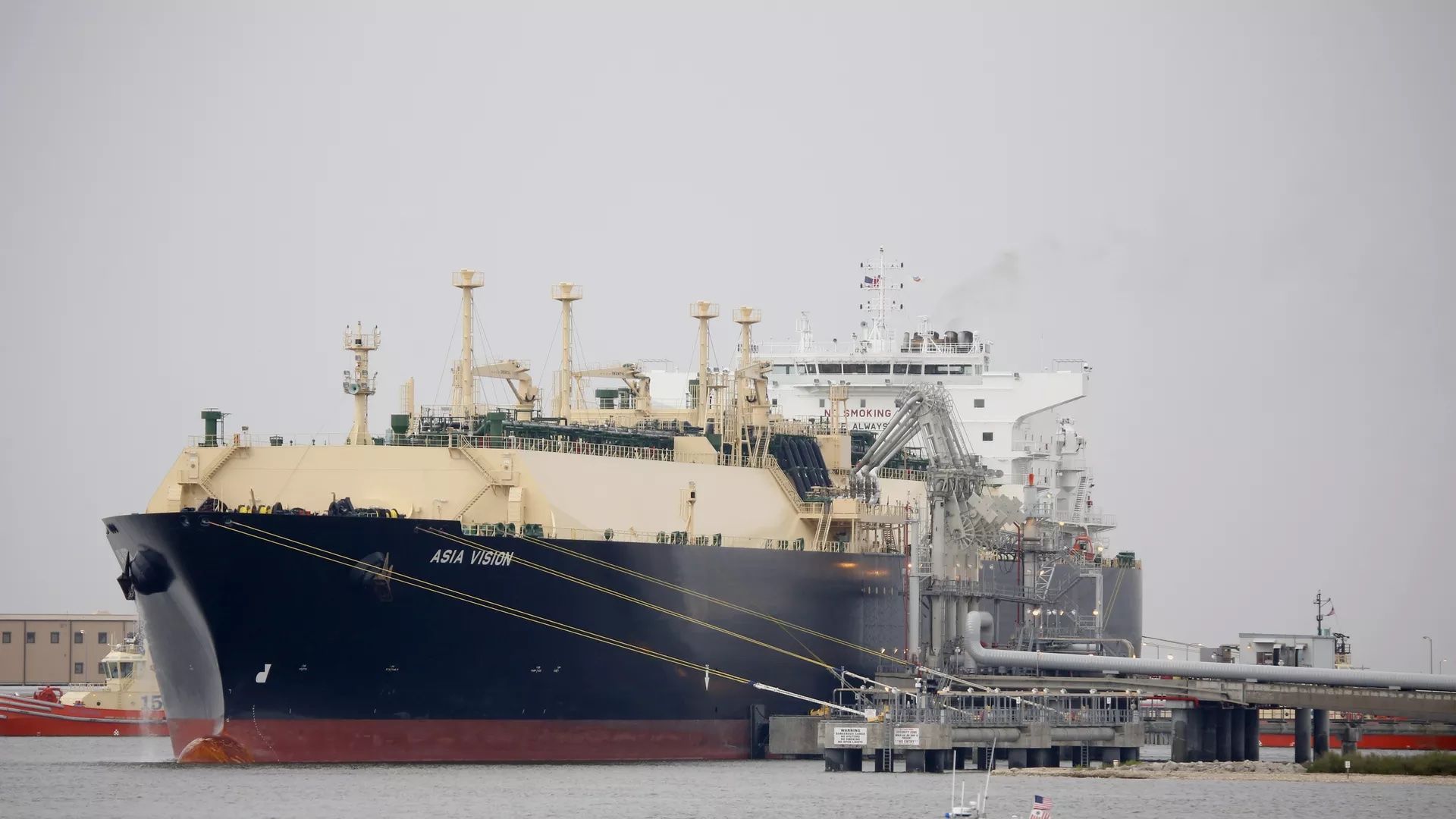
The Energy Department's approval of wider LNG exports destinations from two Cheniere Energy facilities provided a window into the Biden administration's rather complicated relationship with the fuel.
Driving the news: The department Wednesday issued two long-term authorizations from Cheniere terminals in Louisiana and Texas to any countries that don't have free-trade deals with the U.S., including all of Europe, DOE said.
The White Houseand top Capitol Hill Democrats are scurrying to limit the political damage from high gasoline prices.
Driving the news: Senate Majority Leader Chuck Schumer vowed to haul Big Oil CEOs before Congress to explain the "bewildering incongruity" between pump costs and the recent crude oil price decline.
A federal appeals court on Wednesday lifted a ban that blocked a Biden administration policy of calculating climate change costs in government decisions.
Why it matters: The court's stay in a lawsuit brought by several Republican-led states means that, for now, federal officials can factor in the economic cost of climate change in projects and rulemakings — which could help the Biden administration reach its goal of cutting greenhouse gas emissions by up to 52% by 2030, compared with 2005 levels.
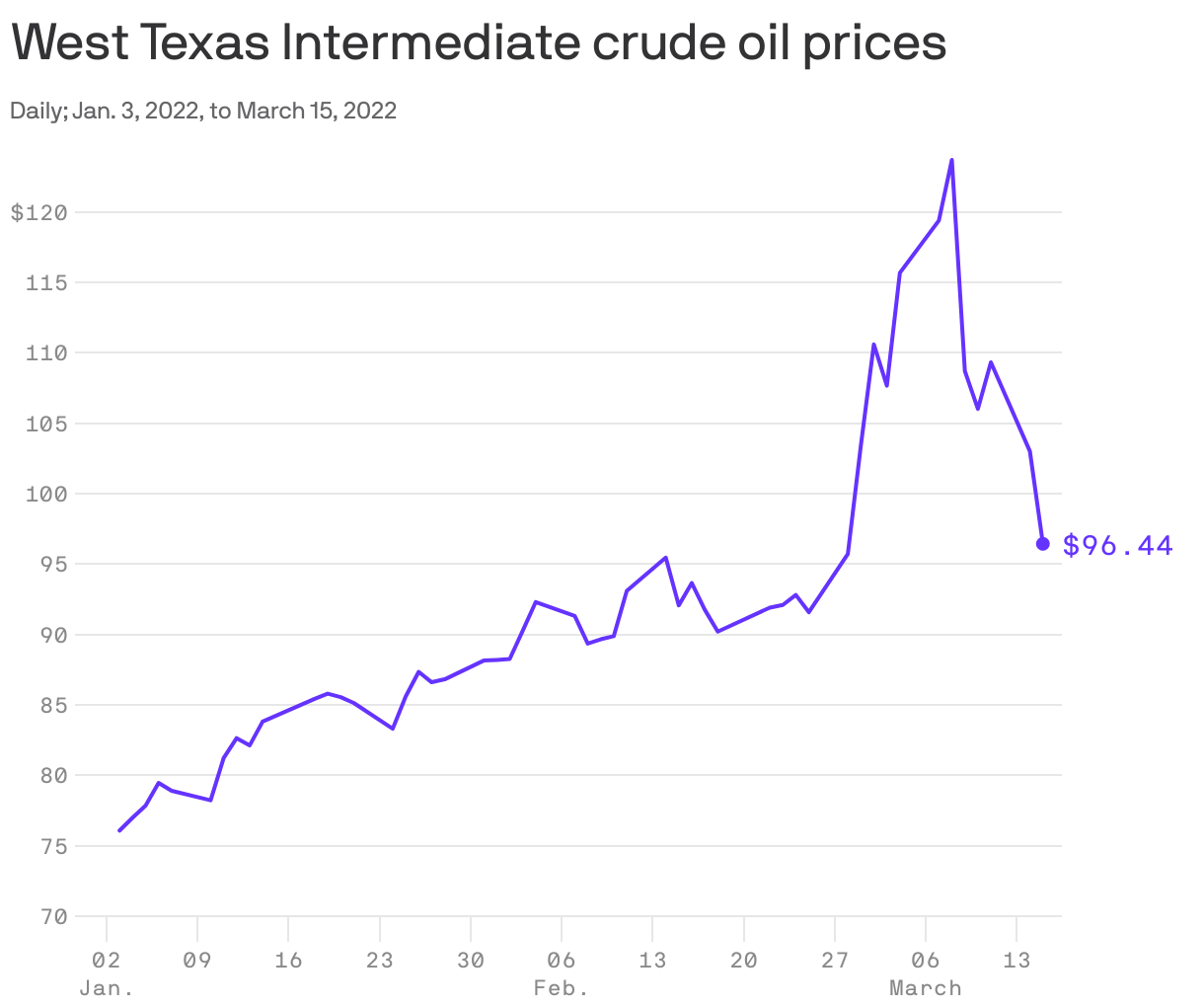
Oil prices remain high and volatile, but have backed off the surge that started with Russia's invasion.
The big picture: Traders are weighing a mix of bulling and bearish forces, including reduced Russian barrels, COVID restrictions in China, and nuclear talks with Iran that could bring more supplies.
Driving the news: Three million barrels per day of exports could be shut-in as of April, and "losses could increase should restrictions or public condemnation escalate," IEA's monthly oil market report said.
Making significant,near-term methane emissions cuts in tandem with slashing carbon emissions would dramatically improve the odds that Arctic sea ice could survive during the summertime through 2100, a new study finds.
Why it matters: Sea ice loss is already having ramifications throughout the Arctic and beyond, affecting extreme weather events in the U.S. and Europe, altering the way of life for indigenous populations of the Far North and posing threats to iconic species.