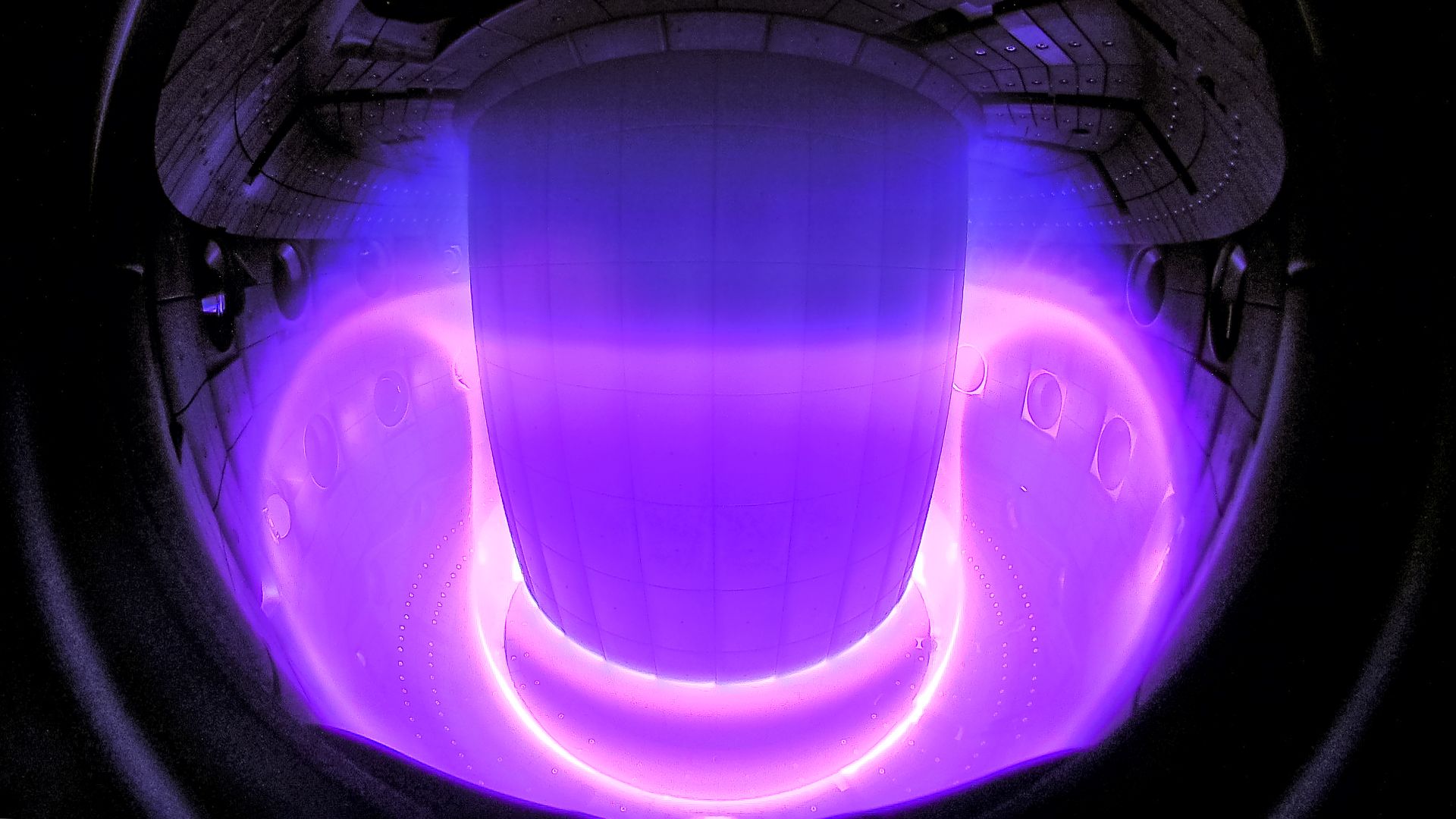
Researchers have developed an algorithm to control the hot, chaotic plasma that fuels fusion energy reactors.
Why it matters: The plasma in fusion reactors needs to be controlled in order to extract energy from the reactions. Fusion is a potential source of clean fuel that has long been promised — but not yet delivered.
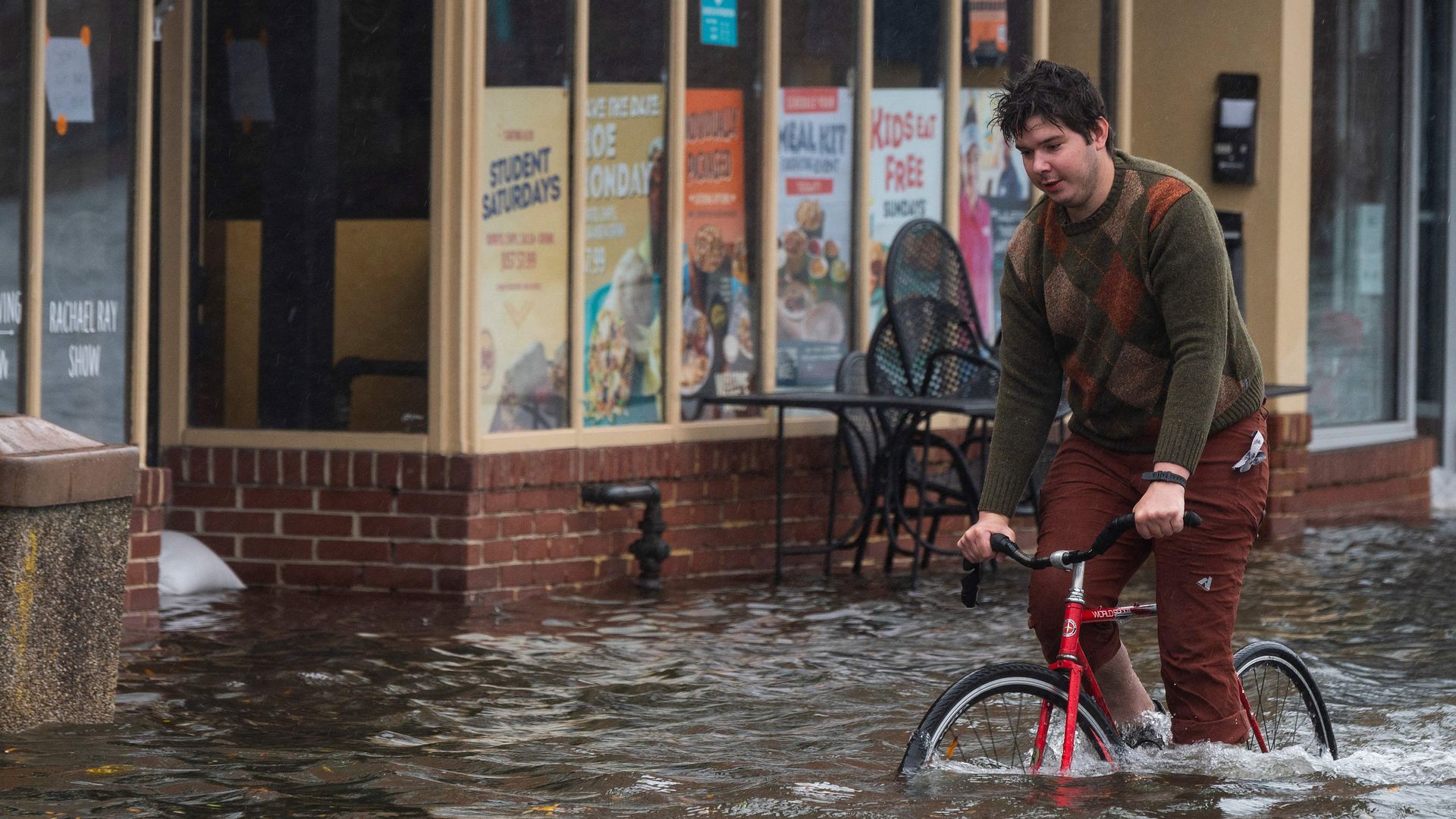
The U.S. is poised to see as much of a rise in sea levels through the year 2050 as it has experienced in the past century, with additional increases through 2150, according to a comprehensive new federal report out Tuesday.
Why it matters: Sea-level rise is one of the most tangible present-day effects from human-caused climate change that is being felt in the U.S., with coastal flood events becoming far more common and damaging in just the past few decades.
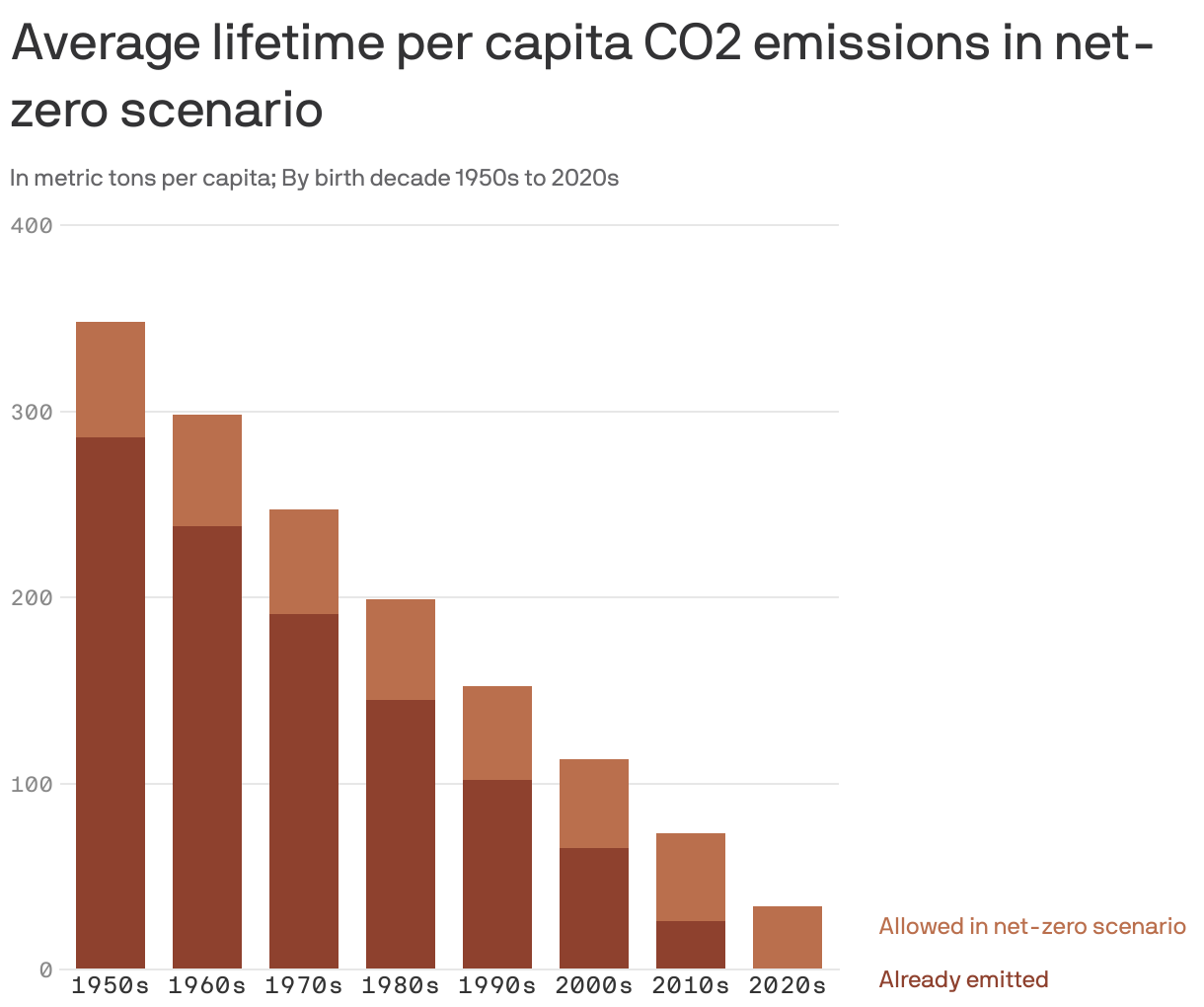
A new analysis offers a sobering window into the challenge of slashing emissions enough to meet the temperature-limiting goals of the Paris Agreement.
Driving the news: The International Energy Agency explores per-capita emissions of people born in different decades that would be consistent with a pathway to net-zero global emissions by 2050.
Data: S&P Global Market Intelligence; Chart: Baidi Wang/Axios
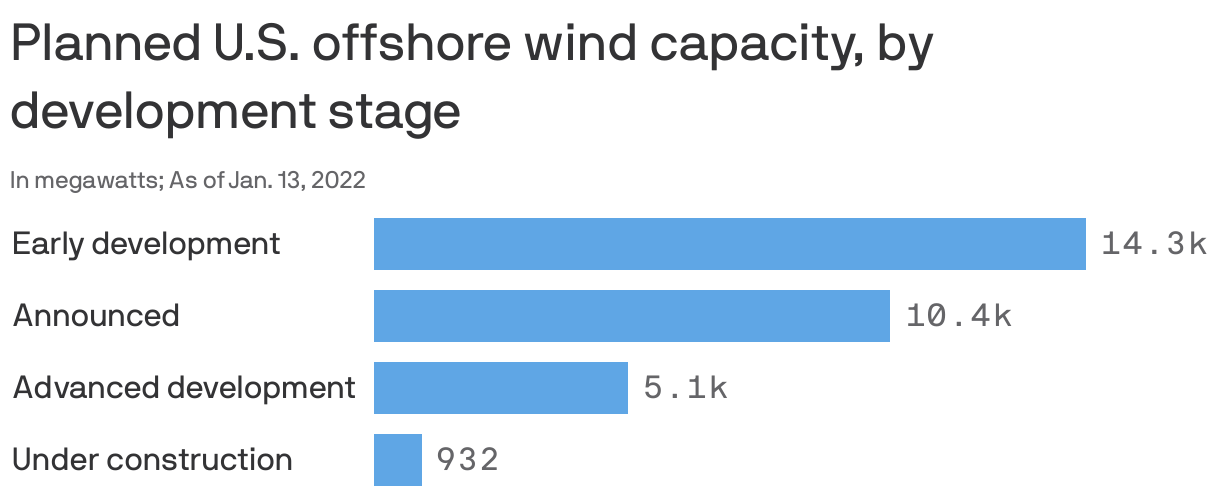
There's already enough offshore wind power in the U.S. development pipeline to exceed the White House target of 30 gigawatts of capacity by 2030, per S&P Global Market Intelligence.
Why it matters: Marine wind power, a largely untapped resource in the U.S., is among the tools that can help decarbonize the country's electricity.
The Biden administration is expected to reinstate California's authority to set stricter tail pipe emissions rules as early as Wednesday, the New York Times first reported.
Why it matters: The move would restore California's ability to be an environmental regulator after former President Trump stripped the state of that when he was in office.
Environmentalists are pressing financial regulators to look skeptically at companies' use of carbon offsets to help meet their climate pledges.
Driving the news: In a public comment docket posted by the Office of the Comptroller of the Currency about draft guidelines for how large banks should handle climate risk, the Center for American Progress said OCC should deter banks from using offsets to meet their public emissions pledges.
Reproduced from Rhodium Group; Chart: Axios Visuals
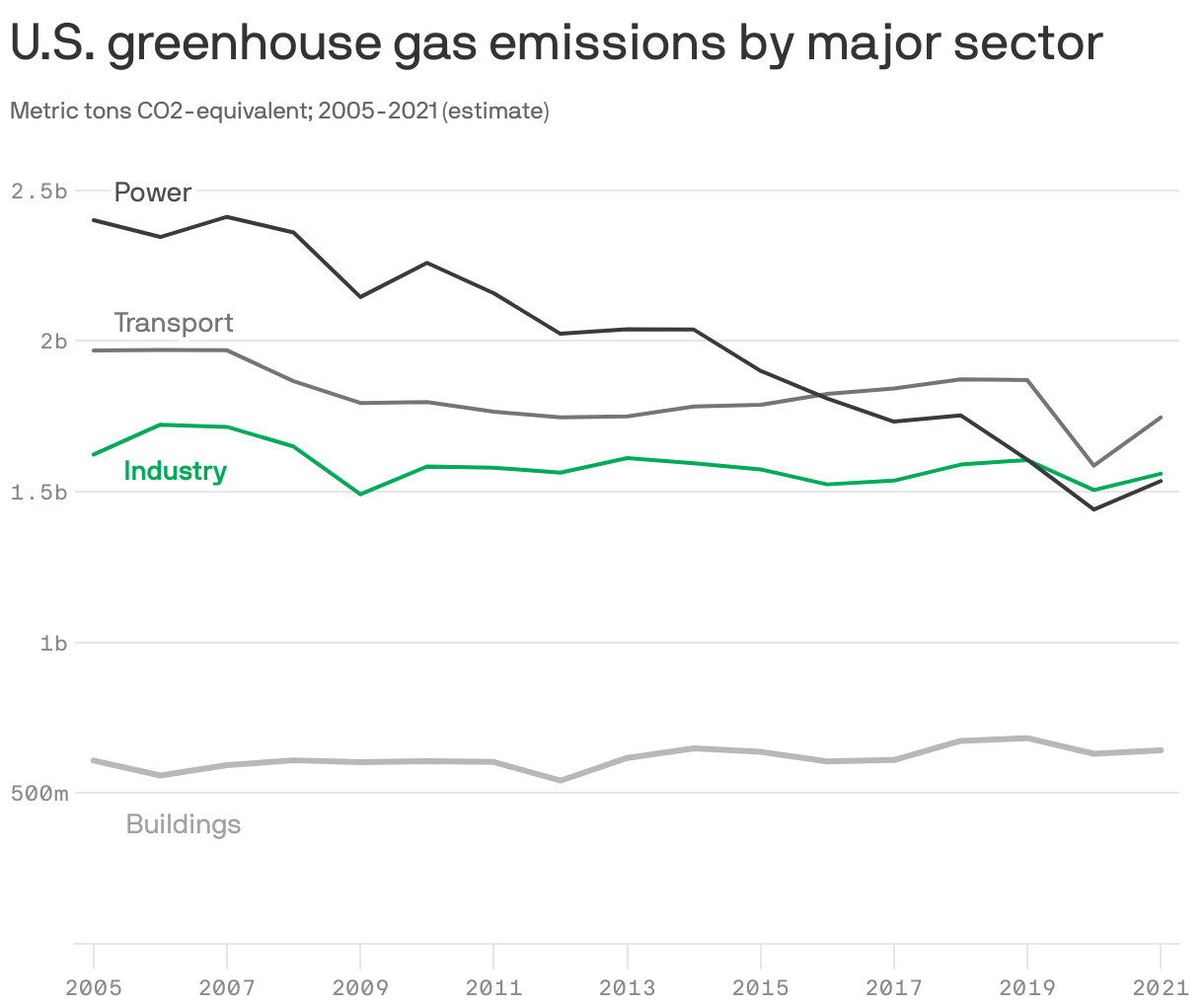
The Biden administration unveiled new plans Tuesday morning aimed at cutting emissions from heavy industries with new funding in the bipartisan infrastructure law and executive powers.
Why it matters: Climate solutions for electricity and transportation probably get more attention. But the path to deeply decarbonizing the U.S. economy also goes through industries like chemicals, metals and cement that often lack tools available at commercial scale.





/2022/02/15/1644934391888.gif?w=3840)