The pandemic, natural disasters and response to other tragedies spurred giving in 2021, according to GoFundMe's annual report.
Why it matters: The crowdfunding platform says one donation is made every second to help people across the globe. One in three fundraisers is started for someone else.
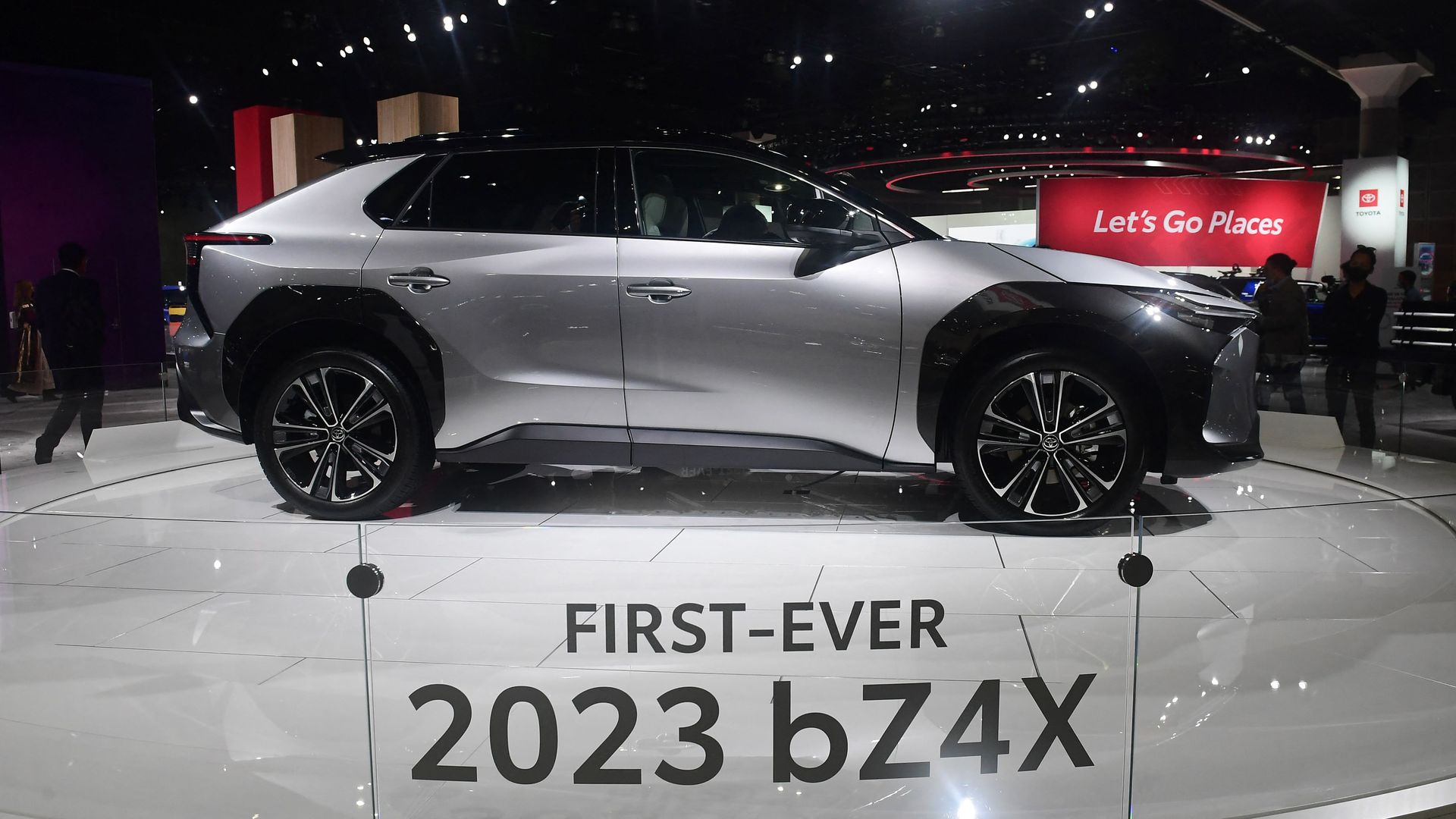
Toyota's plan to build a manufacturing plant in North Carolina for EV batteries is the latest move by auto giants, startups and suppliers to set up shop in conservative or swing-y states.
Driving the news: On Monday, the company said it's building a $1.3 billion plant in the Greensboro area to produce batteries for hybrid and electric vehicles.
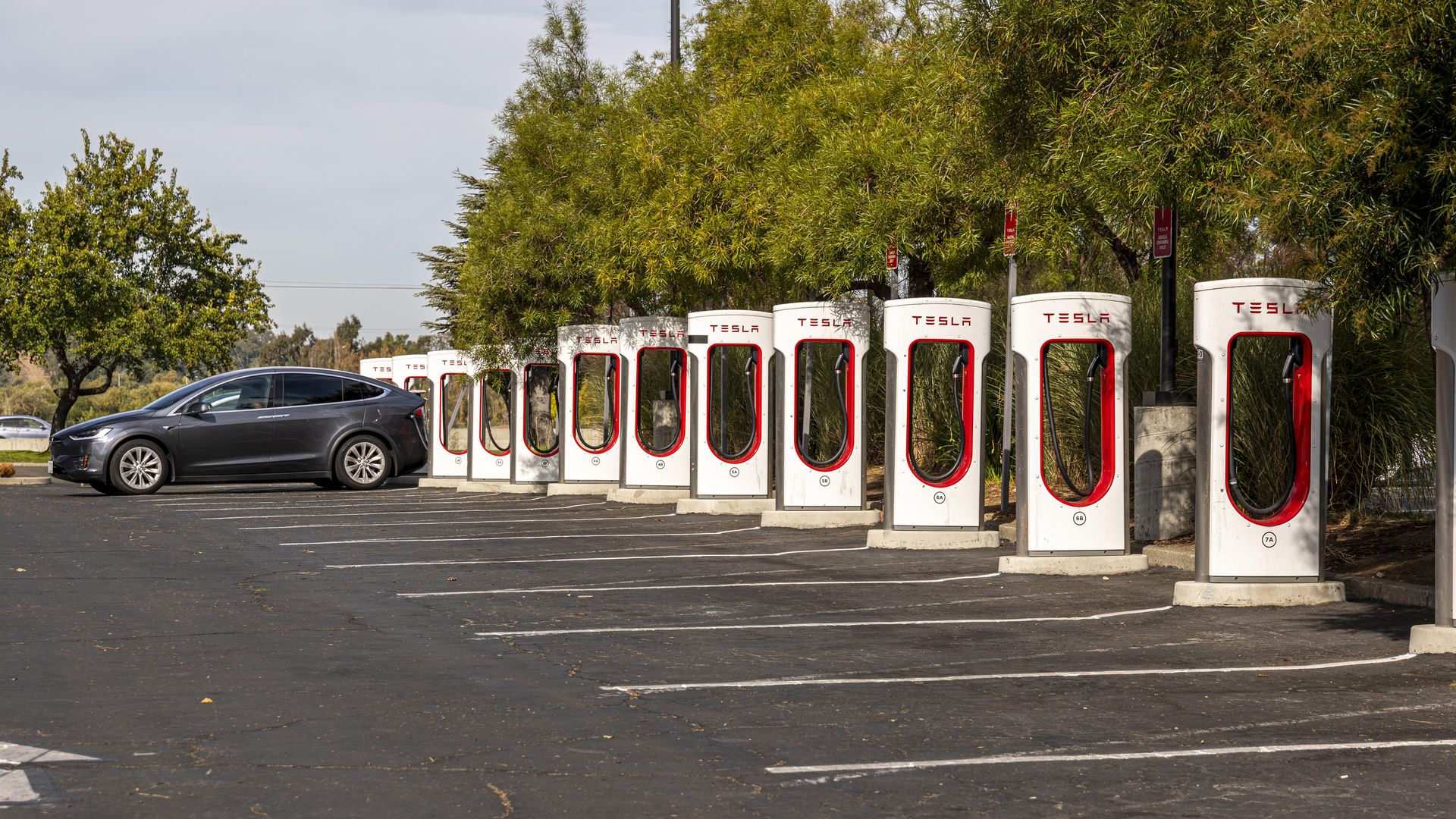
The big trade group for investor-owned power companies is set to unveil Tuesday a new coalition aimed at making electric vehicle charging more accessible along the nations' highways.
Driving the news: The Edison Electric Institute is rolling out the National Electric Highway Coalition. It merges two existing efforts — Electric Highway Coalition and the Midwest Electric Vehicle Charging Infrastructure Collaboration — and brings in new companies.
Toyota announced Monday it's investing $1.3 billion to construct an electric vehicle battery "megasite" near Greensboro, North Carolina, set to open in 2025.
Why it matters: The Greensboro-Randolph Megasite will employ 1,750 people and have four production lines, each capable of delivering enough lithium-ion batteries for 200,000 vehicles when it opens, per a Toyota statement.
The Lower 48 states have seen record-shattering warmth so far this December, with temperatures running as high as 35°F above average for this time of year. The warmth has been so pronounced that during the weekend, brush fires broke out in a snowless, unusually mild Denver metro area.
The big picture: The jet stream, which is a river of air that rides at about 30,000 feet along the temperature contrast between air masses, steering storms as it goes, has been stuck in a position well north of the contiguous U.S., keeping storms and cold weather at bay.
The Adam McKay film “Don’t Look Up,” coming to Netflix later this month, is a gut-punch of a climate change comedy disguised as a movie about a comet headed directly at Earth.
Driving the news: In a virtual press conference Sunday, the film’s stars discussed how they constructed a comedy about a fictional doomsday crisis that’s a stand-in for another, all-too-real-life threat.
Two wide-angle new essays explore how the global movement away from fossil fuels could be wrenching and geopolitically messy.
Driving the news: Adam Tooze's piece in Foreign Policy covers a lot of ground. One key takeaway: He warns that it's not clear if the red-blue U.S. political and policy divide will ever be successfully bridged, despite clean energy's growth in conservative states, its growing economic importance and Wall Street's increasing buy-in.
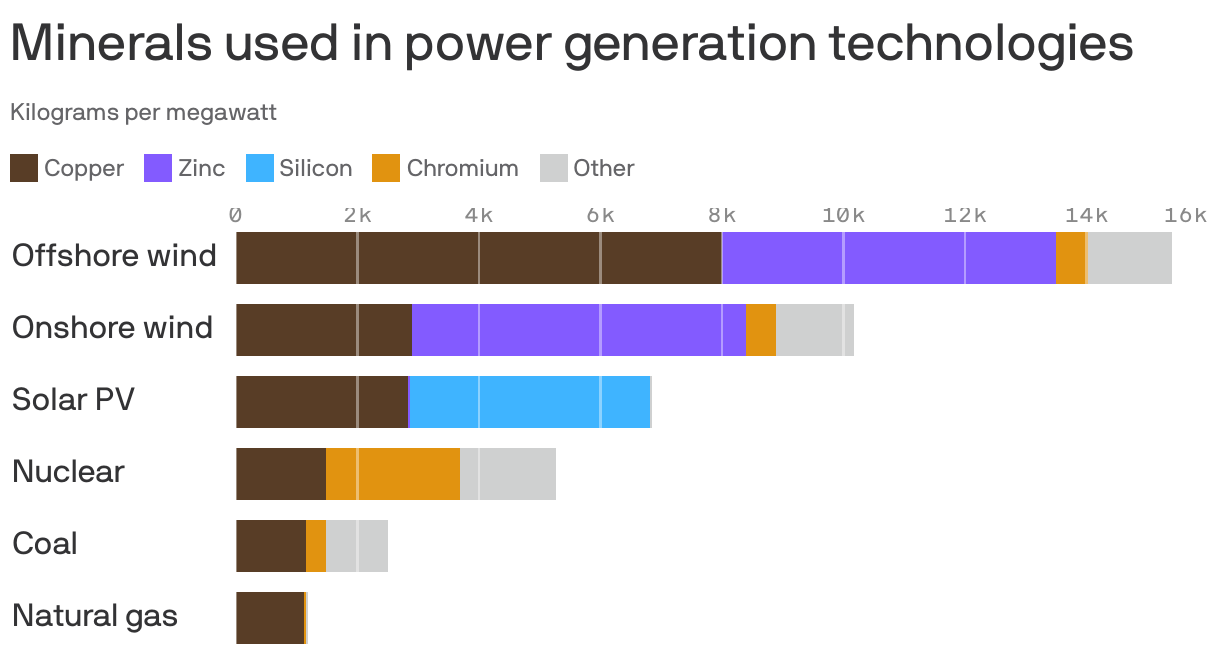
One persistent theme in analyses of the transition to cleaner energy is the scramble to obtain supplies needed for renewables projects, electric vehicle batteries and other low-carbon tech.
The big picture: "A typical electric car requires six times the mineral inputs of a conventional car and an onshore wind plant requires nine times more mineral resources than a gas-fired plant," the International Energy Agency noted in a report this year on critical minerals.





/2021/12/06/1638810060613.gif?w=3840)