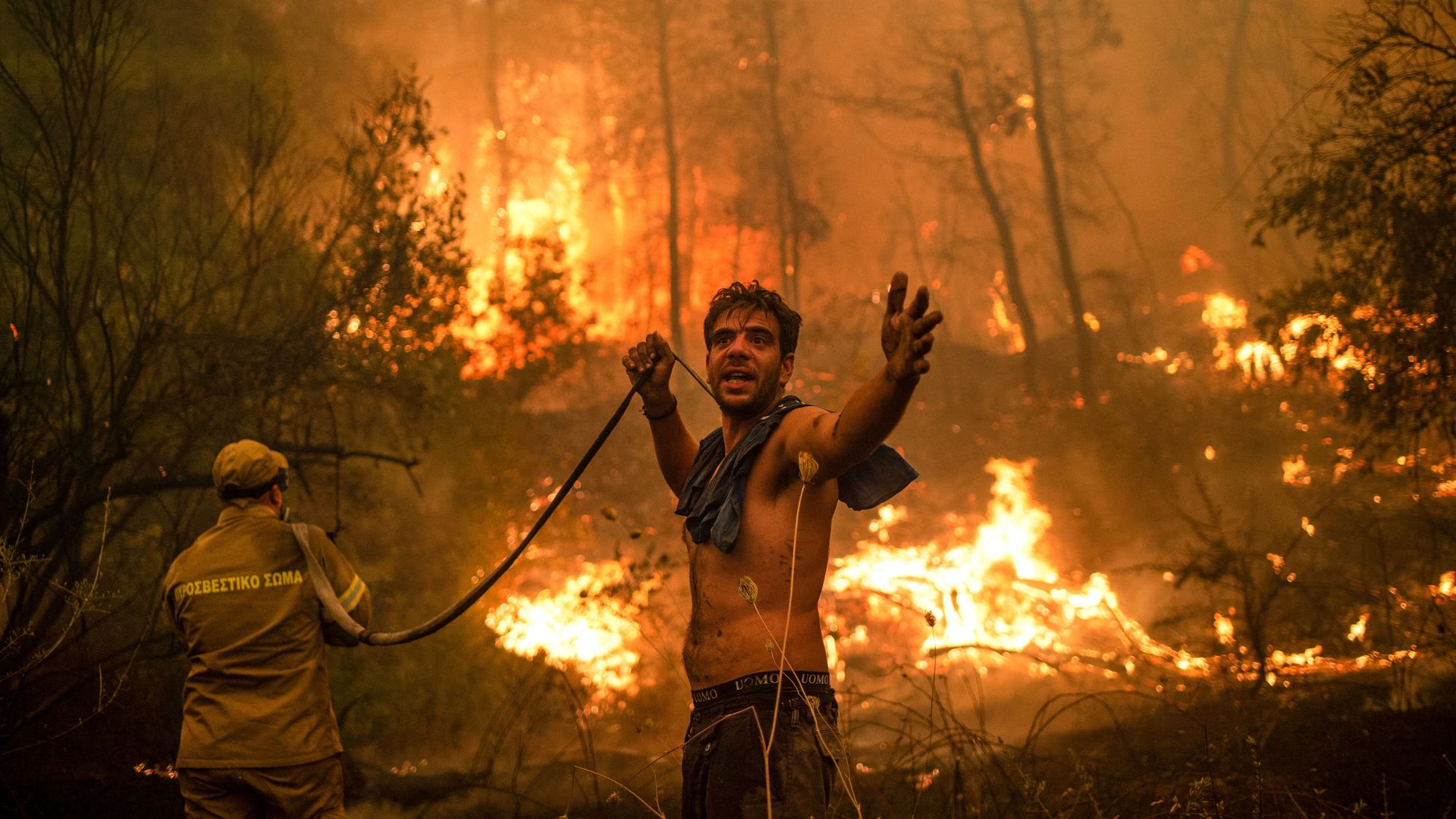
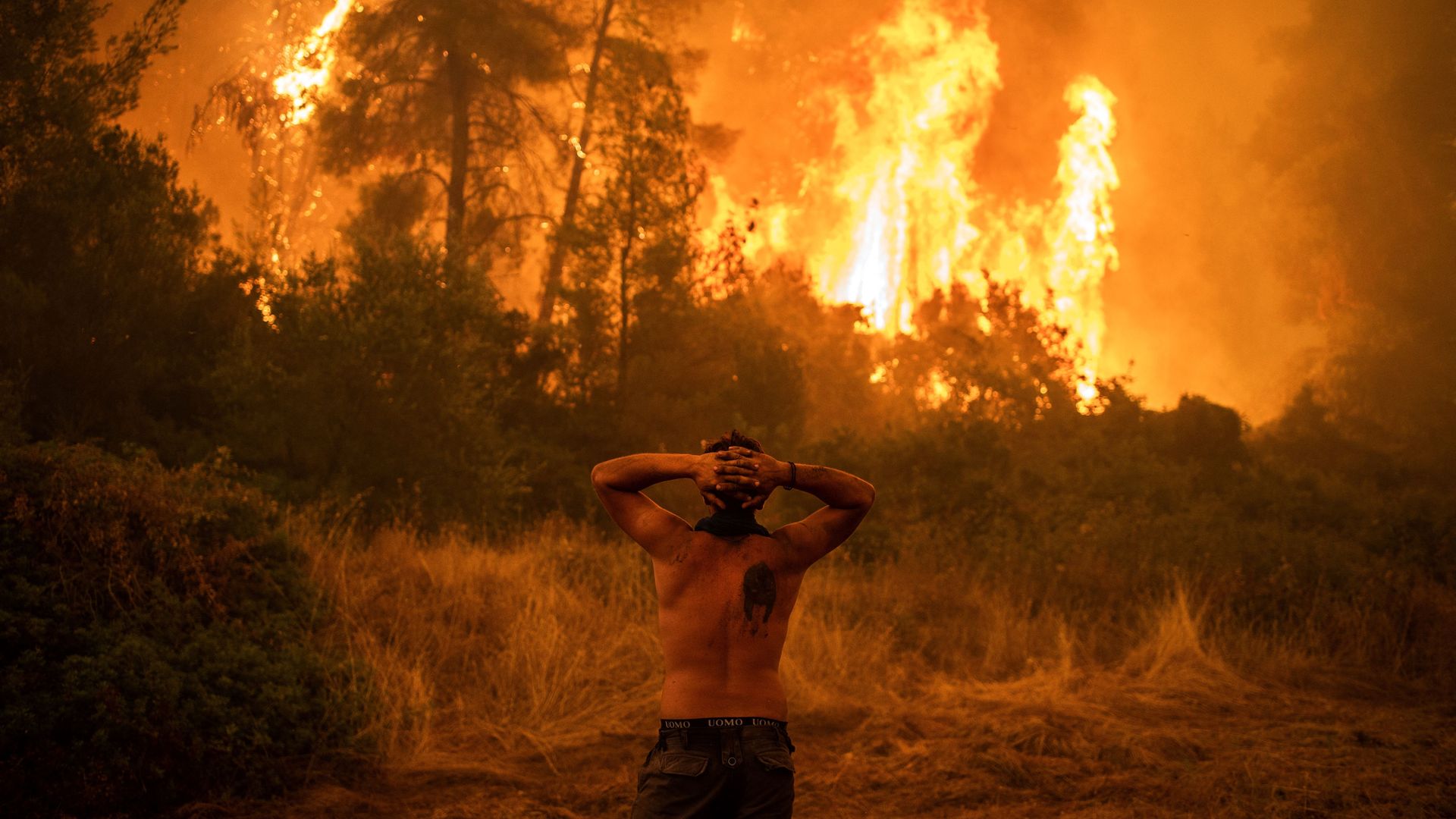
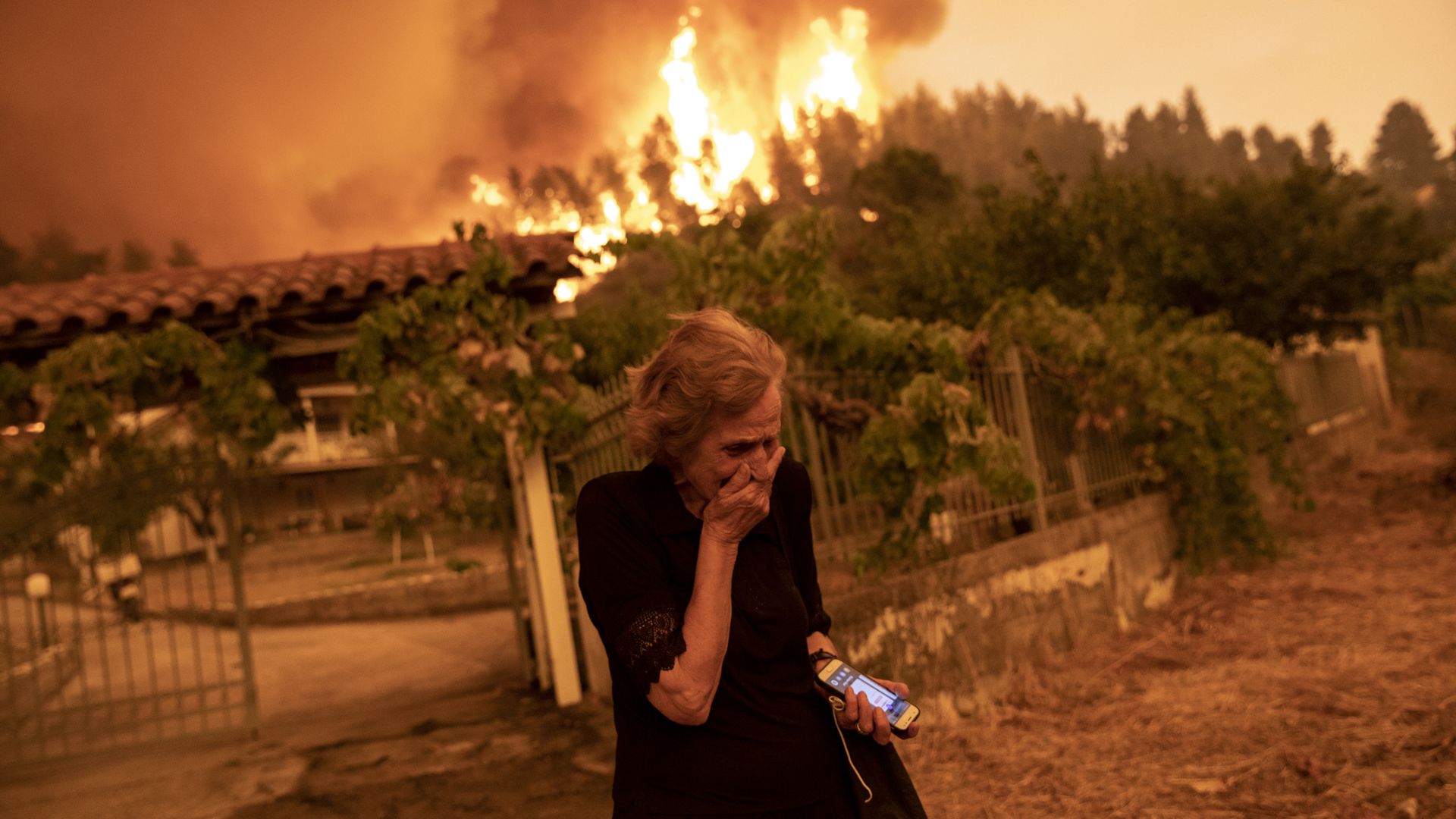
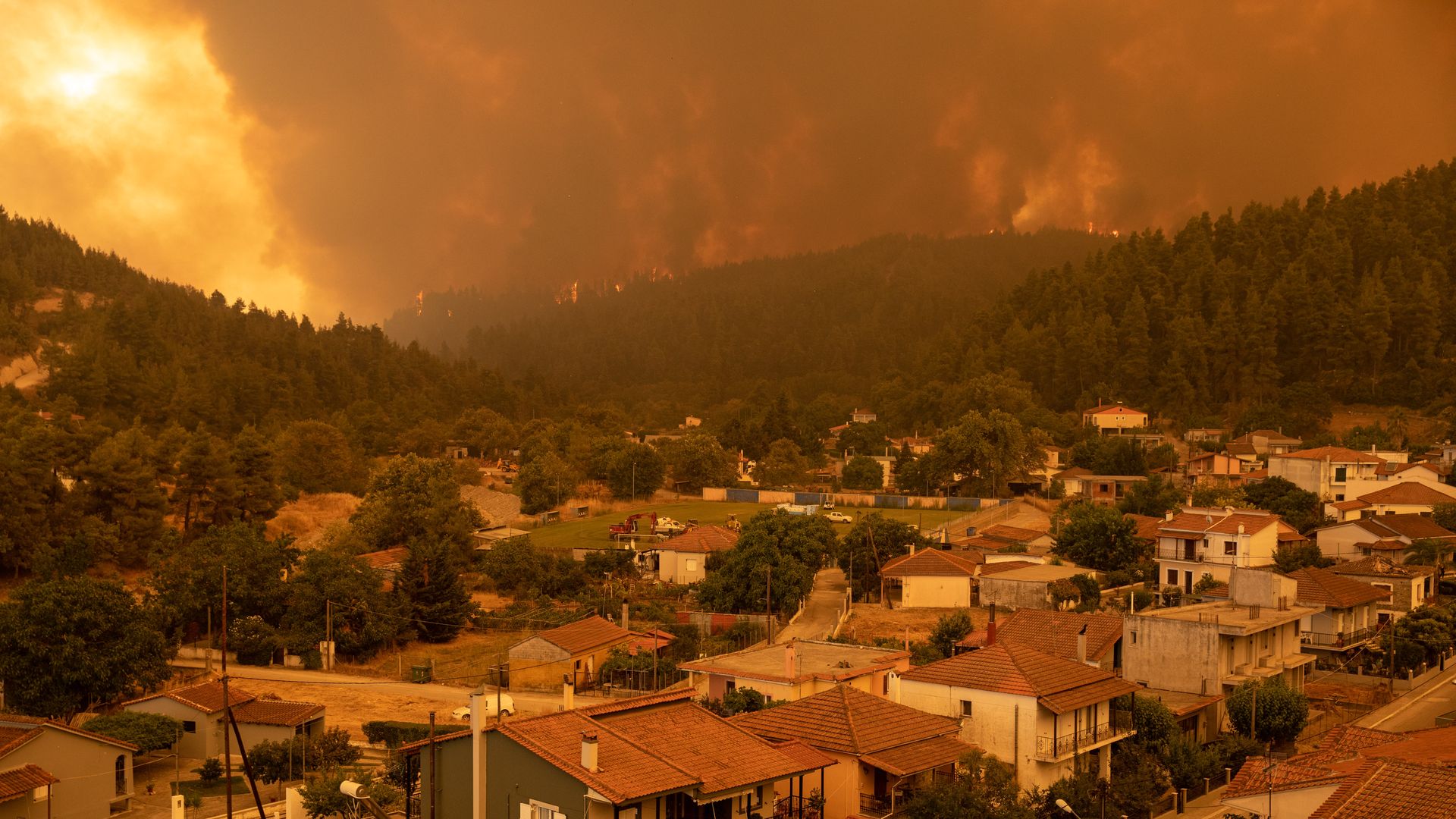
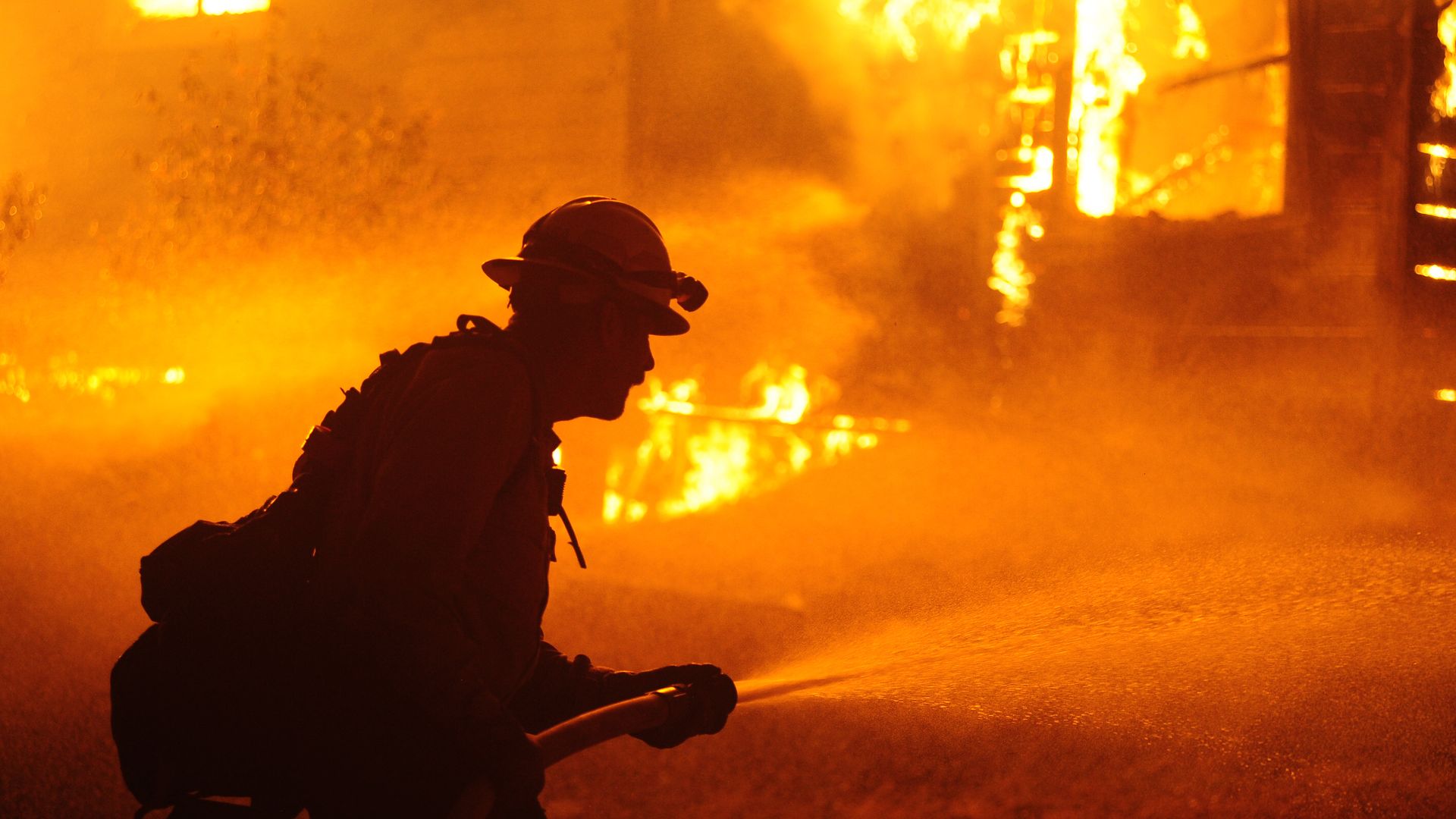
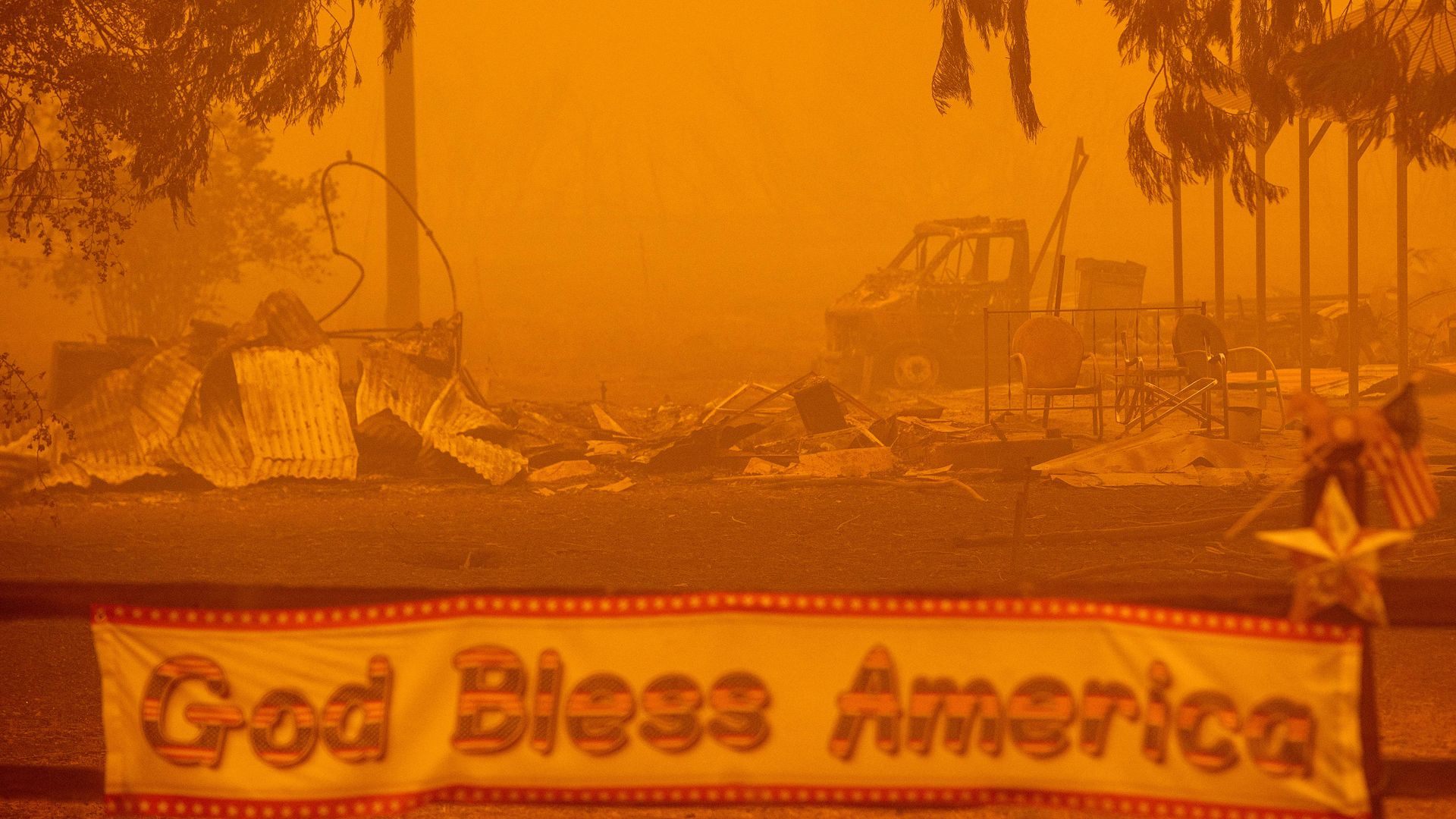
As a new report by the UN's Intergovernmental Panel on Climate Change (IPCC) warned Monday of the "unequivocal" connection between human-caused global warming and extreme weather and climate events, massive wildfires burned across the world.
Why it matters: There appears to be no end in sight. Wildfires are currently devastating large swaths of the U.S., Canada, Russia, and the Mediterranean, and the wildfire season is far from over.
New climate science insights have enabled researchers to narrow the projected range of warming that would occur for a doubling of carbon dioxide in the atmosphere, which is known as the "equilibrium climate sensitivity" (ECS).
The intrigue: Some of the newer computer models used for the latest Intergovernmental Panel on Climate Change report show higher-end climate sensitivity results, and therefore, much more warming.
The Biden administration is moving to direct $1.2 billion toward programs that encourage communities to build resilient infrastructure, and an additional $160 million for flood mitigation grant programs.
Why it matters: Making grant money more widely available, particularly to disadvantaged communities, could help reduce damage from increasingly severe storms in the future. A landmark U.N. climate report released Monday finds that extreme weather events are rapidly becoming more frequent and severe due to human-caused global warming.
A sweeping United Nations-sponsored review of climate science published Monday projected that the world will cross a crucial temperature threshold as early as 2030 — up to a decade sooner than previously thought.
Why it matters: Warming is affecting every area of the globe, the report notes, and extreme weather events are becoming more common and severe contributing to a more volatile world.
Global warming is happening so fast that scientists now say we'll cross a crucial temperature thresholdas early as 2030 — up to a decade sooner than previously thought — according to a sweeping new UN-sponsored review of climate science published Monday.
The big picture: Atmospheric CO2 concentrations were higher in 2019 than at any time in at least 2 million years, and the past 50 years saw the fastest temperature increases in at least 2,000 years, according to the new assessment by the Intergovernmental Panel on Climate Change (IPCC).
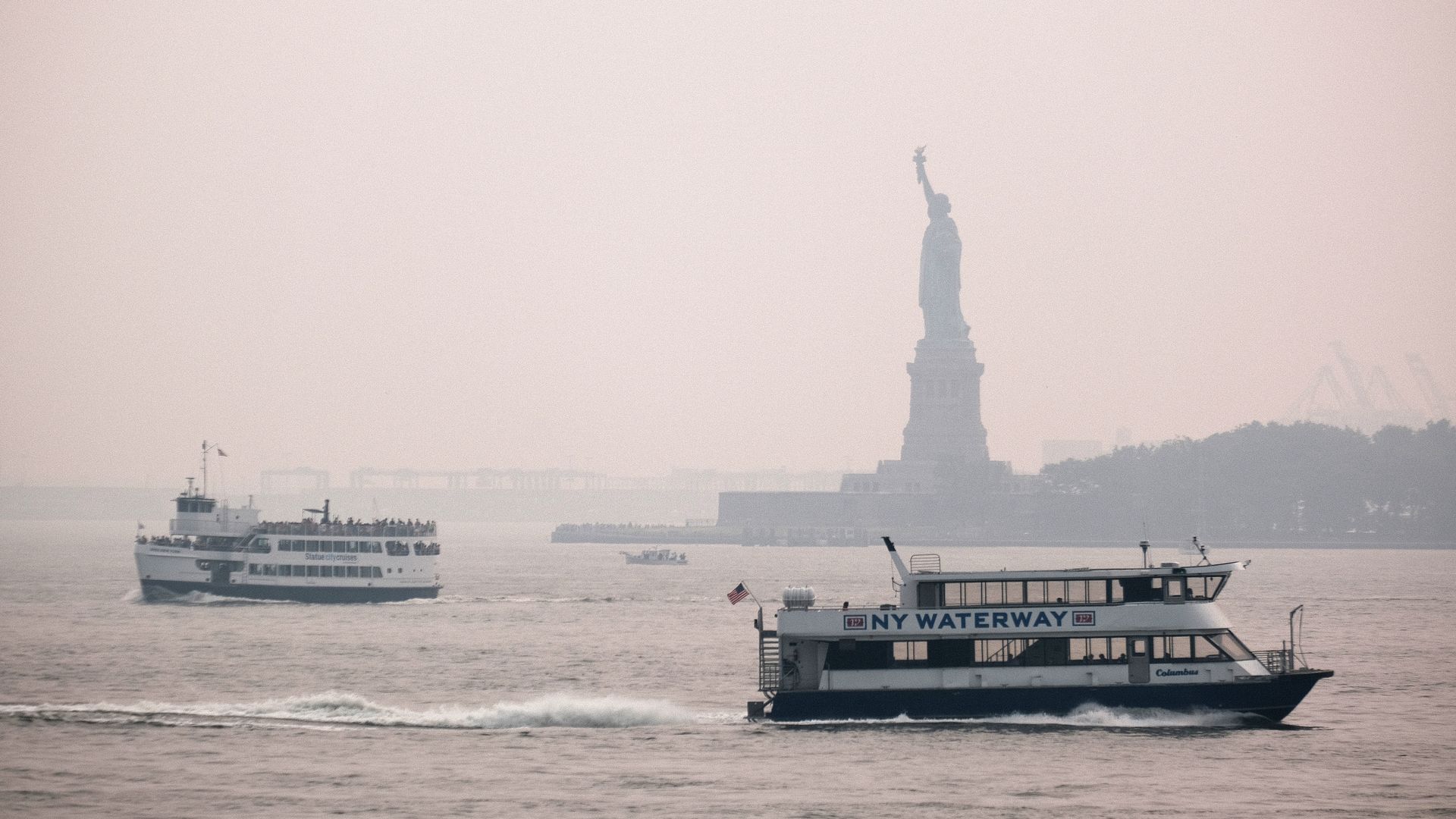
Just as some cities were about to see relief from the degraded air quality caused by wildfire smoke, another plume is expected to trickle in from the West, highlighting what authorities say is a reality for the remainder of a long and intense wildfire season.
Why it matters: Several studies in recent months are sounding alarms about how harmful microscopic particles from smoke can wreak havoc on the public's health despite being hundreds of miles from the fire sites.
Forecasters are warning Americans to brace for another extreme heat wave this week, as 107 large wildfires burn across nearly 2.3 million acres of the U.S. West.
Driving the news: "Widespread air quality alerts and scattered Red Flag Warnings stretch from the Northwest and Northern Rockies to the High Plains, as well as throughout parts of central California," the National Weather Service said Sunday.
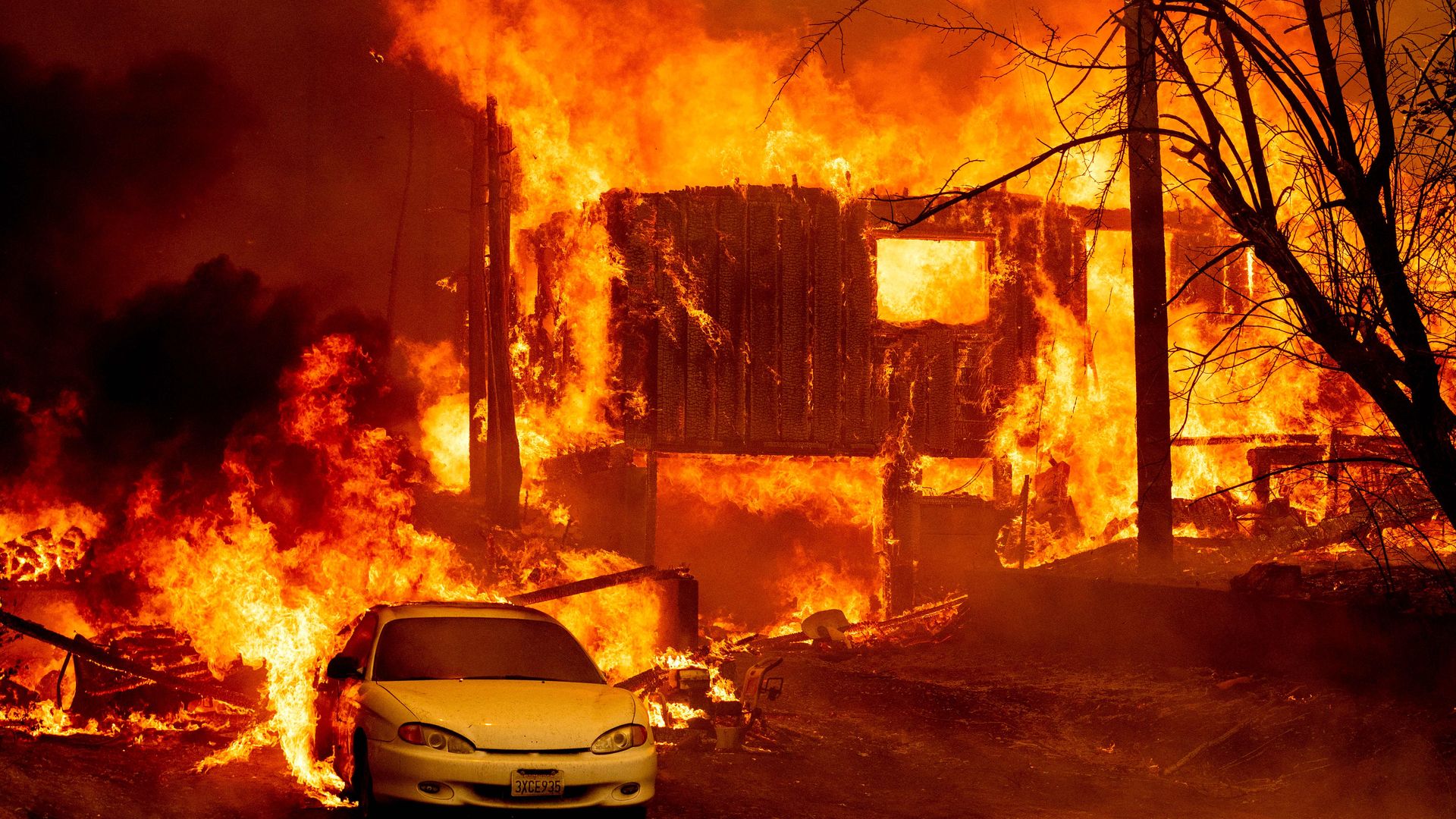
Authorities continued to search into the night for four people missing in California's historic Dixie Fire, as wildfires raged across the West.
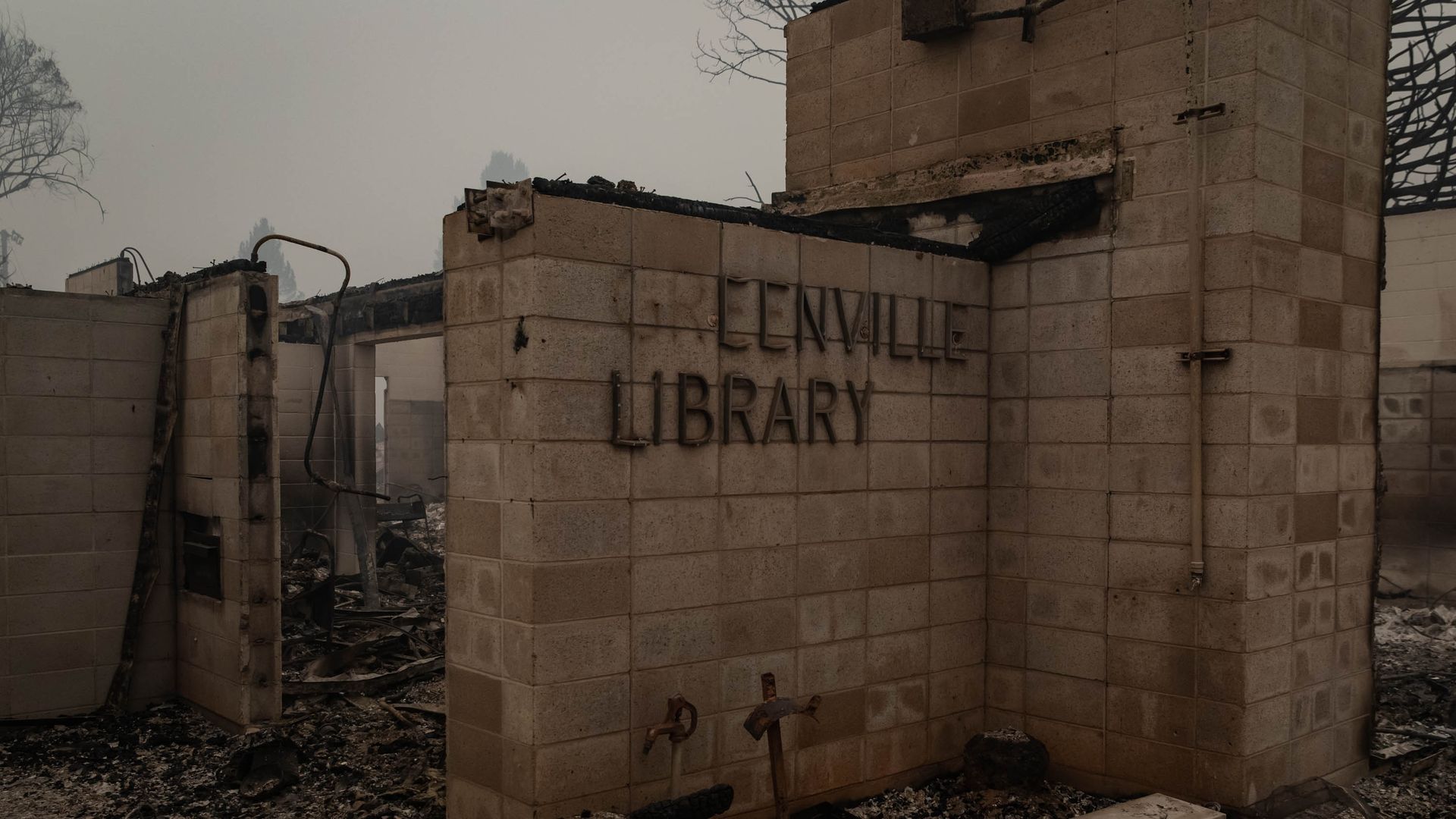
Driving the news: Those unaccounted for were all from the fire-devastated town of Greenville, per a statement from the Plumas County Sheriff's office Sunday. The Dixie Fire is the largest blaze burning in the U.S. and the second-biggest wildfire in the state's history, a Cal Fire spokesperson told Axios.
California Gov. Gavin Newsom (D) said after visiting Greenville that the Gold mining-era town had "been completely destroyed" by the Dixie Fire, as authorities searched for three people missing in the blaze on Saturday.
State of play: Evacuation orders were in effect for several Sierra Nevada mountain communities, as the third-largest blaze in California's history continued to threaten homes.